Why Dyson Vacuum Cleaner So Expensive
Dyson vacuum cleaners are expensive due to a relentless commitment to research and development, pioneering proprietary technologies like digital motors and cyclonic separation, and the use of premium, durable materials. These factors, combined with extensive testing, global brand building, and comprehensive customer support, contribute to their high cost, offering users advanced cleaning performance and a superior user experience.
Ah, the Dyson vacuum cleaner. It’s a name synonymous with innovation, sleek design, and undeniably powerful suction. But let’s be honest, it’s also a name synonymous with a hefty price tag that often makes us pause and wonder: “Why Dyson vacuum cleaner so expensive?” You’re not alone in asking this question. For many, a Dyson represents a significant investment, far surpassing the cost of many other popular vacuum brands.
Is it just clever marketing hype, or is there genuine substance behind that premium price? The answer, as you might expect, is a fascinating blend of groundbreaking engineering, relentless innovation, meticulous design, and a commitment to quality that goes far beyond what most consumers typically encounter in the home appliance market. Let’s pull back the curtain and explore the multiple layers that contribute to the elevated cost of a Dyson vacuum cleaner, helping you understand if that investment is truly worth it for your home.
Key Takeaways
- Massive R&D Investment: Dyson pours hundreds of millions into research and development, constantly pushing the boundaries of vacuum technology, which is a significant factor in why Dyson vacuum cleaner so expensive.
- Proprietary Technology: Their unique digital motors, multi-cyclonic separation, and advanced filtration systems are patented innovations, offering superior performance and efficiency not found elsewhere.
- Premium Materials & Durability: Dyson utilizes high-quality, robust materials designed for longevity and subjects its products to rigorous testing, ensuring exceptional durability and reliability.
- Design & User Experience: Beyond raw power, Dyson emphasizes ergonomic design, user-friendliness, and aesthetic appeal, transforming a utilitarian chore into a more pleasant experience.
- Brand Value & Marketing: A strong global brand image, extensive marketing campaigns, and a reputation for innovation contribute to their perceived value and pricing strategy.
- Comprehensive After-Sales Support: Dyson offers excellent customer service, lengthy warranties, and readily available parts, adding value and peace of mind for consumers.
- Value Beyond Suction: The cost reflects not just a cleaning tool, but a sophisticated piece of engineering that often replaces multiple household devices, offering versatility and long-term performance.
Quick Answers to Common Questions
Are Dyson vacuums worth the high price?
For many users, the superior performance, durability, and innovative technology offered by Dyson vacuums justify their higher price point, especially for those who prioritize strong suction, advanced filtration, and a premium user experience.
How long do Dyson vacuum cleaners typically last?
Dyson vacuum cleaners are generally built for longevity, with many users reporting their machines lasting between 5 to 10 years or even longer with proper maintenance and care, thanks to their robust construction and quality materials.
What is the main technology that makes Dyson vacuums unique?
The primary unique technology is Dyson’s patented Root Cyclone™ technology, which uses centrifugal force to separate dust and dirt from the airflow without using bags, maintaining consistent powerful suction.
Do Dyson vacuums lose suction over time?
Dyson vacuums are specifically designed to not lose suction over time due to their bagless cyclonic technology, which prevents clogs that typically reduce airflow in traditional bagged vacuums.
Can you get Dyson parts easily if something breaks?
Yes, Dyson has a comprehensive support system, and parts for their vacuum cleaners are generally readily available either directly from Dyson or through authorized service centers, making repairs feasible.
📑 Table of Contents
The Relentless Pursuit of Innovation: Research and Development
One of the most significant reasons why a Dyson vacuum cleaner is so expensive lies deep within its very DNA: an obsessive commitment to research and development (R&D). Sir James Dyson didn’t just stumble upon bagless technology; he spent years and thousands of prototypes perfecting it. This culture of relentless innovation continues to this day, consuming vast financial resources.
Billions Invested in Future Cleaning
Dyson doesn’t just make vacuums; they engineer solutions. This means they pour billions of pounds into their R&D departments worldwide. They employ thousands of engineers and scientists who work across various disciplines – aerodynamics, fluid mechanics, acoustics, motor design, battery technology, and even microbiology. These teams aren’t just tweaking existing models; they’re constantly exploring entirely new ways to tackle dust, dirt, and allergens, from the microscopic level upwards. This immense investment in intellectual capital and cutting-edge facilities is a primary driver for why Dyson vacuum cleaner so expensive.
The Prototyping Process: A Journey of Refinement
Imagine designing a new vacuum. Now imagine designing thousands of prototypes for a single component before you even get to a final product. That’s the Dyson way. James Dyson famously went through 5,127 prototypes before perfecting his first bagless vacuum cleaner. This iterative process of design, build, test, and refine is incredibly expensive in terms of time, materials, and specialized labor. Each prototype represents a step closer to perfection, but also a considerable cost. This rigorous development cycle ensures that only the most effective and efficient designs make it to market, but it also explains a significant portion of the cost of a Dyson vacuum cleaner.
Cutting-Edge Technology and Proprietary Engineering
Beyond the sheer volume of R&D, it’s the specific technologies that Dyson develops and patents that truly set its products apart and contribute heavily to why Dyson vacuum cleaner so expensive. These aren’t off-the-shelf components; they are unique, proprietary systems designed from the ground up to deliver superior performance.
Visual guide about Why Dyson Vacuum Cleaner So Expensive
Image source: homemadebklyn.com
Patented Cyclone Technology: The Core of Suction
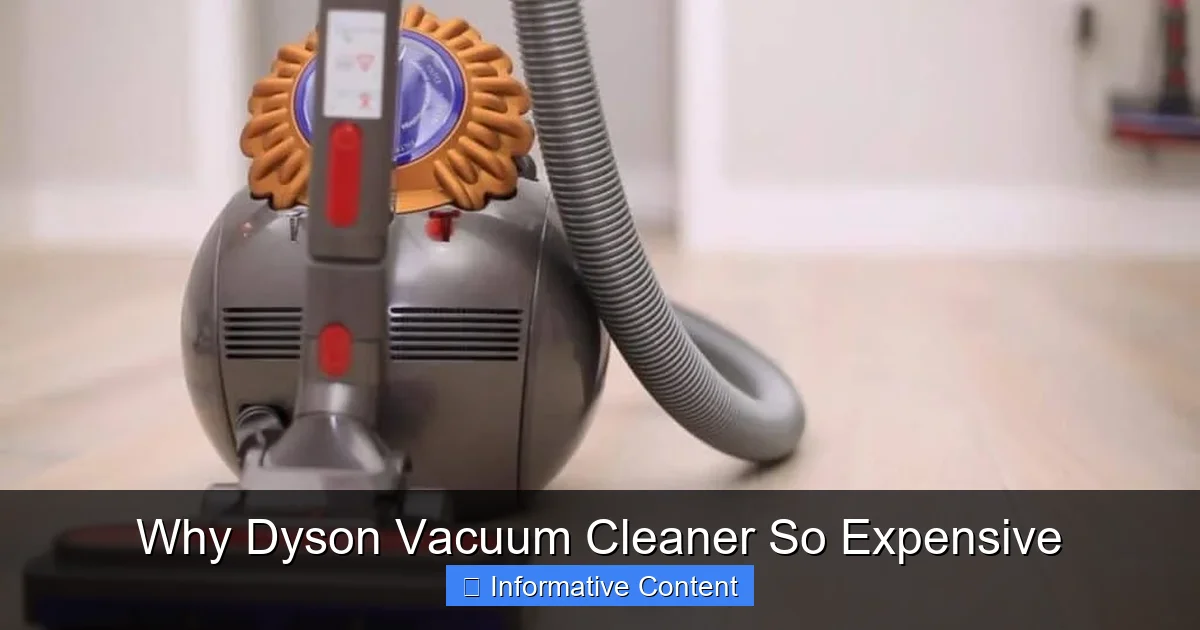
The iconic cyclone technology is what made Dyson famous. Instead of relying on bags that clog and reduce suction, Dyson vacuums use centrifugal force to separate dust and debris from the airflow. Modern Dyson vacuums feature multiple tiers of smaller, more efficient cyclones, generating even stronger centrifugal forces. This means consistent, powerful suction from the moment you start cleaning until the bin is full. Developing and perfecting this complex multi-cyclonic separation system requires advanced engineering and specialized manufacturing, adding to the cost of a Dyson vacuum cleaner.
The Dyson Digital Motor: Small, Powerful, Efficient
Dyson’s digital motors are a marvel of engineering. Unlike conventional brushed motors, Dyson’s V-series digital motors are smaller, lighter, faster, and more energy-efficient. They spin at incredibly high RPMs – some models reaching up to 125,000 RPM, which is faster than a Formula 1 car engine. This extreme speed generates immense suction power in a compact package, crucial for cordless models. Designing, manufacturing, and integrating these high-performance motors involves highly specialized components and precision engineering, making them a costly element in every Dyson vacuum cleaner.
Advanced Filtration Systems: Cleaner Air Out
Many Dyson vacuum cleaners are designed not just to clean your floors but also to purify the air in your home. They feature whole-machine filtration systems that capture microscopic particles, including allergens and bacteria, expelling cleaner air than the air you breathe. This often involves hermetically sealed systems and advanced HEPA filtration. Achieving this level of air purification requires sophisticated design and high-quality filter materials, which naturally increases the manufacturing cost and, consequently, the price of a Dyson vacuum cleaner.
Ergonomics and Thoughtful Design
Dyson isn’t just about raw power; it’s also about user experience. Every curve, button, and attachment is meticulously designed for ease of use, comfort, and efficiency. From the perfectly balanced weight distribution of their stick vacuums to the intuitive bin emptying mechanisms, a lot of thought goes into making the cleaning process less of a chore. This attention to ergonomic detail and aesthetic appeal adds significant value, and engineering time, to each Dyson vacuum cleaner.
Premium Materials and Meticulous Manufacturing
When you hold a Dyson, you often feel a sense of quality that’s different from cheaper alternatives. This isn’t an accident; it’s a result of using premium materials and adhering to extremely high manufacturing standards, another key reason why Dyson vacuum cleaner so expensive.
Built to Last: Durability and Longevity
Dyson products are built with durability in mind. They often use high-impact polycarbonate plastics (the same material used in riot shields) and robust metals where strength is critical. These materials are more expensive than the cheaper plastics found in budget vacuums but ensure the machine can withstand years of rigorous use. The goal is not just to perform well, but to perform well consistently over a long lifespan, reducing the need for frequent replacements. This longevity contributes to the overall value proposition, even with the higher initial cost of a Dyson vacuum cleaner.
Rigorous Testing Standards
Before any Dyson vacuum cleaner leaves the factory, it undergoes an astonishing battery of tests. They are dropped repeatedly, subjected to extreme temperatures, have buttons pressed tens of thousands of times, and run continuously for hundreds of hours. This rigorous quality control ensures that every unit meets Dyson’s exacting standards for performance and durability. While these tests guarantee a reliable product, they also represent a substantial investment in time, equipment, and labor, contributing to the final price tag.
Precision Manufacturing
The intricate design of a Dyson vacuum cleaner, particularly its digital motor and cyclone assembly, requires extremely precise manufacturing processes. This isn’t mass production on the cheap; it’s often specialized assembly with tight tolerances to ensure optimal performance and air sealing. Such precision manufacturing is inherently more expensive than more generalized production lines.
Brand Value, Marketing, and After-Sales Support
Beyond the physical product itself, there are intangible factors that contribute to the price of a Dyson vacuum cleaner, including its powerful brand image and commitment to customer service.
Building a Global Premium Brand
Dyson has meticulously cultivated a brand image synonymous with innovation, premium quality, and cutting-edge technology. This brand perception allows them to command a higher price point. Think of other luxury brands; part of what you pay for is the name, the prestige, and the assurance of quality that comes with it. Dyson invests heavily in global marketing and advertising campaigns to maintain and reinforce this brand status, which is factored into the cost of their products.
Comprehensive Warranty and Customer Support
When you buy a Dyson, you’re not just getting a machine; you’re often getting a robust warranty (typically 2-5 years) and access to excellent customer service. Dyson’s support teams are knowledgeable, and parts are generally readily available. This commitment to post-purchase support adds significant value and peace of mind for the consumer. Providing this level of service across the globe is a substantial operational cost for the company, and it plays a role in why Dyson vacuum cleaner so expensive.
Beyond Just Suction: Added Value and Versatility
Finally, consider the overall value proposition. A Dyson vacuum cleaner often offers more than just strong suction; it provides versatility, specialized tools, and a long-term solution to various cleaning challenges.
Versatility and Specialized Attachments
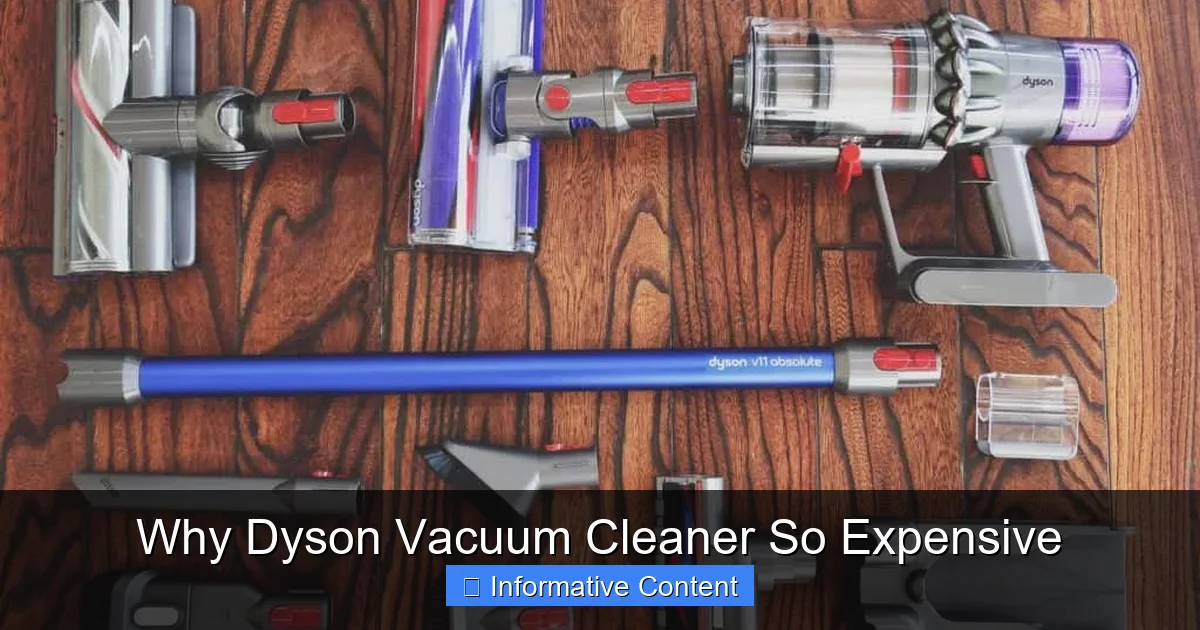
Many Dyson vacuums come with a suite of specialized attachments designed for specific tasks: pet hair removal, delicate surfaces, tight crevices, mattresses, and more. These tools are often as well-engineered as the vacuum itself, transforming the machine into a multi-tasking cleaning powerhouse. The development and inclusion of these high-quality accessories add to the overall manufacturing cost.
Smart Features and Connectivity
Some of Dyson’s newer models incorporate smart features, such as LCD screens providing real-time performance data, battery life, and even dust particle counts. While vacuums aren’t yet fully “smart home” integrated in the way some other appliances are, these advanced monitoring and user feedback systems represent additional technological investment, contributing to the higher price of a Dyson vacuum cleaner.
Aesthetics as a Selling Point
Let’s be honest, Dyson vacuums look good. Their industrial-chic design, often featuring vibrant colors and exposed engineering, makes them stand out from the crowd. For many consumers, the aesthetic appeal and the ability to have a functional appliance that also looks like a piece of modern art are part of the value proposition. While not a direct cost driver in the same way R&D is, it’s a design choice that requires significant investment in industrial design and prototyping, which impacts the final price.
So, the next time you marvel at the price tag of a Dyson vacuum cleaner, remember that you’re not just paying for a device that sucks up dirt. You’re investing in decades of scientific research, thousands of prototypes, cutting-edge proprietary technologies, premium materials, meticulous manufacturing, a strong global brand, and comprehensive customer support. For many, the superior performance, durability, and user experience justify the initial outlay, making it a long-term investment in a cleaner, healthier home.
Whether a Dyson is “worth it” ultimately depends on your individual cleaning needs, budget, and priorities. But understanding the intricate factors that contribute to its cost certainly sheds light on why Dyson vacuum cleaner so expensive.
🎥 Related Video: Why is Dyson Vacuum Cleaner so Expensive?
📺 Tech & Lifestyle
Why is Dyson Vacuum Cleaner so Expensive? IN: https://amzn.to/2MqJDhO (affiliate links) US: https://amzn.to/3b81TXD UK: …
Frequently Asked Questions
What materials are Dyson vacuums made from?
Dyson vacuum cleaners typically use high-impact polycarbonate plastics, similar to those found in riot shields, for their durable outer casings. They also incorporate robust metals in critical components to ensure strength and longevity, contributing to their premium feel and durability.
Does Dyson offer a warranty on its vacuum cleaners?
Yes, Dyson typically offers a comprehensive warranty on its vacuum cleaners, usually ranging from 2 to 5 years, depending on the model and region. This warranty covers parts and labor for defects in materials and workmanship, providing peace of mind for buyers.
Are Dyson vacuums good for pet owners?
Many Dyson vacuum cleaner models are specifically designed with pet owners in mind. They often feature powerful suction, specialized pet hair attachments, and advanced filtration systems to effectively capture pet hair, dander, and allergens, making them a popular choice for homes with pets.
Can Dyson vacuum cleaners be repaired?
Absolutely. Dyson designs its products to be repairable, and parts are generally available. They also have a strong customer support network with authorized service centers and readily accessible spare parts, ensuring that owners can maintain their vacuums for a long time.
What is the advantage of a Dyson digital motor?
The Dyson digital motor is incredibly small, lightweight, and powerful, spinning at exceptionally high RPMs (up to 125,000 RPM). This allows for strong, consistent suction in a compact form factor, making their cordless vacuums especially efficient and easy to maneuver.
Do Dyson vacuums require special maintenance?
Dyson vacuums are designed for relatively low maintenance. Regular tasks include emptying the dustbin after each use, washing the filter (if applicable) periodically as instructed, and checking for blockages in the hose or brush bar. These simple steps help maintain optimal performance.