Why Does My Vacuum Cleaner Smell Like Burning
If your vacuum cleaner smells like burning, it’s a clear sign something is wrong and needs immediate attention. Most often, this alarming smell points to an overheating motor, often due to restricted airflow caused by blockages, a worn belt, or a full dust bag. Addressing these issues promptly can prevent further damage, ensure your vacuum operates safely, and save you from needing a replacement.
There’s hardly a more unsettling household sound than your trusty vacuum cleaner sputtering to a halt, followed by that unmistakable, acrid smell. You know the one – that “burning” scent that immediately makes you wonder, “Why does my vacuum cleaner smell like burning?” It’s a common, yet alarming, issue that many homeowners face, and it’s your vacuum’s way of telling you something isn’t quite right under the hood.
That burning smell isn’t just an unpleasant odor; it’s a critical warning sign. Ignoring it can lead to further damage, costly repairs, or even a fire hazard. But don’t panic! Most of the time, the culprits behind a vacuum cleaner smelling like burning are quite common and often easy to diagnose and fix yourself. Let’s dive into the most frequent reasons your vacuum might be emitting that troubling aroma and, more importantly, what you can do about it.
Key Takeaways
- Stop Immediately: The moment you detect a burning smell, turn off and unplug your vacuum cleaner to prevent further damage or potential hazards.
- Overheating Motor is Common: The most frequent reason for a burning smell is an overworked or overheating motor, often due to restricted airflow or prolonged use.
- Check for Blockages: Inspect the dust bag/canister, filters, hose, and brush roll for any clogs or debris that could be straining the motor.
- Inspect the Belt: A worn, stretched, or jammed drive belt can produce a distinct rubbery burning smell and hinder the brush roll’s movement.
- Electrical Issues are Serious: If the smell is sharp, acrid, and metallic, it might indicate an electrical problem like frayed wiring or a faulty motor bearing, which requires professional attention.
- Regular Maintenance Prevents Problems: Regularly emptying the dustbin, cleaning or replacing filters, and clearing the brush roll are crucial for preventing most burning smells.
- When in Doubt, Call a Pro: For persistent or serious electrical smells, or if you’re unsure about the cause, it’s safer to consult a qualified technician or consider replacing the unit.
Quick Answers to Common Questions
Is a burning smell from a vacuum always serious?
Not always, but it’s always a warning sign. Simple issues like a full dust bag or minor clogs can cause a temporary burning smell. However, it can also indicate more serious problems like motor overheating or electrical faults, so it should never be ignored.
What should I do immediately if my vacuum smells like burning?
The very first thing you should do is turn off and unplug the vacuum cleaner from the wall outlet. This prevents further damage and eliminates any potential safety hazards while you investigate the cause.
How often should I clean my vacuum’s filters?
The frequency depends on your vacuum model and how often you use it. Generally, washable filters should be cleaned monthly, and disposable filters replaced every 3-6 months. Always consult your vacuum cleaner’s manual for specific recommendations.
Can I replace a vacuum belt myself?
Yes, for most upright vacuum cleaners, replacing the drive belt is a relatively straightforward DIY task. You’ll typically need to unplug the vacuum, flip it over, remove the plate covering the brush roll, and carefully replace the old belt with a new one designed for your specific model.
What does an electrical burning smell indicate versus a rubbery smell?
A rubbery burning smell typically indicates an issue with the vacuum’s drive belt, such as it being worn, stretched, or slipping due to a jammed brush roll. An electrical burning smell, which is often sharper and more acrid, usually points to internal electrical components like faulty wiring, a damaged power cord, or an overheating motor with internal damage.
📑 Table of Contents
- The Overworked Motor: Your Vacuum’s Heart Under Strain
- Belt Woes: The Source of that Rubber Burn
- Clogs and Blockages: A Vacuum’s Worst Enemy
- Electrical Sparks and Smells: When to Be Extra Cautious
- Preventing the Burn: Regular Maintenance is Your Best Friend
- When to Call for Backup: Professional Help or a New Beginning?
- Conclusion
The Overworked Motor: Your Vacuum’s Heart Under Strain
The motor is the heart of your vacuum cleaner. It’s what generates the powerful suction and keeps everything moving. When you find yourself asking, “Why does my vacuum cleaner smell like burning?” more often than not, the answer lies with an overworked or overheating motor. This happens when the motor has to work much harder than it should, often because something is impeding its natural function. Think of it like a car engine trying to drive uphill with the parking brake on – it’s going to strain and get hot!
When Airflow Gets Choked
One of the primary reasons a motor strains is a lack of proper airflow. Your vacuum relies on a continuous flow of air to pick up dirt and also to cool its motor. If this airflow is restricted, the motor has to pull harder to maintain suction, generating excessive heat. This heat can burn dust particles, tiny bits of plastic, or even the motor’s own insulation, producing that tell-tale burning smell. Common culprits for restricted airflow include:
- Full Dust Bag or Canister: An overloaded dust bag or a canister packed to the brim with dirt leaves no room for air to pass through freely.
- Clogged Filters: Dirty, dusty filters are like trying to breathe through a thick cloth. They choke the air intake, making the motor work overtime.
- Blockages in the Hose or Attachments: A rogue sock, a tangled mass of hair, or a clump of debris stuck in the hose or a nozzle can create a major obstruction.
When you notice your vacuum cleaner smelling like burning, immediately check these areas. Clearing a blockage or emptying a full bag is often the simplest and quickest fix.
Pushing Your Vacuum Too Hard, Too Long
Just like any other appliance, your vacuum cleaner has its limits. Using it continuously for extended periods, especially on tough, high-pile carpets or heavily soiled areas, can cause the motor to overheat. Modern vacuums often have thermal cut-offs that will shut the unit down if it gets too hot, but before that happens, you might notice that familiar burning smell. It’s a sign that the motor’s cooling system can’t keep up with the demands placed upon it. If your vacuum cleaner smells like burning after a marathon cleaning session, give it a break!
Worn-Out Motor Parts
Over time, internal components of the motor itself can wear down. Carbon brushes, which conduct electricity to the motor, can wear out, causing sparks and friction that lead to a burning smell. Bearings, which allow parts to spin smoothly, can also seize up or wear out, generating friction and heat. These internal motor issues are usually more serious and often produce a distinct electrical burning smell rather than a dusty or rubbery one. If you suspect an internal motor problem, it’s best to consult a professional or consider replacement, as these are not typically DIY fixes.
Belt Woes: The Source of that Rubber Burn
If you’re asking, “Why does my vacuum cleaner smell like burning?” and the smell reminds you specifically of burning rubber, then your vacuum’s drive belt is a prime suspect. The drive belt is a crucial component, usually found on upright vacuums, that connects the motor to the brush roll (beater bar) and makes it spin. This spinning action is essential for agitating carpet fibers and loosening dirt.

Visual guide about Why Does My Vacuum Cleaner Smell Like Burning
Image source: globvacs.com
Frayed, Stretched, or Broken Belts
Vacuum belts are made of rubber and naturally wear out over time. A belt can become stretched, frayed, or even break entirely. A stretched belt might slip, causing friction against the motor’s pulley or the brush roll, generating heat and that tell-tale rubber burning smell. If the belt is frayed, tiny rubber particles can rub and burn. And if it breaks completely, the brush roll won’t spin, but the motor will still try to operate, potentially overheating as it struggles to perform its job without the proper resistance.
DIY Tip: To check your belt, unplug the vacuum, flip it over, and remove the plate covering the brush roll. Carefully examine the belt for any signs of wear, fraying, or if it has come off the pulley. Replacing a vacuum belt is usually a straightforward task, and new belts are inexpensive and widely available.
The Jammed Brush Roll Connection
Sometimes the belt itself isn’t the problem, but what it’s trying to spin is. If the brush roll gets jammed, the motor continues to turn the belt, causing it to slip and rub against the stationary brush roll. This intense friction quickly heats the rubber belt, resulting in a strong burning rubber odor. Common culprits for a jammed brush roll include:
- Tangled Hair and Fibers: Long hair, threads, and carpet fibers can get tightly wound around the brush roll, effectively locking it in place.
- Stuck Objects: Small toys, coins, paper clips, or even pet chew toys can get lodged in the brush roll mechanism, preventing it from spinning.
Always clear any obstructions from the brush roll when you investigate why your vacuum cleaner smells like burning. A pair of scissors can be very useful for cutting away tangled hair.
Incorrect Belt, Big Trouble
While less common, using the wrong type of belt for your specific vacuum model can also lead to issues. An ill-fitting belt might be too tight, putting excessive strain on the motor and causing it to overheat, or too loose, slipping and burning. Always ensure you’re using the correct replacement belt recommended by your vacuum cleaner’s manufacturer.
Clogs and Blockages: A Vacuum’s Worst Enemy
Imagine trying to run a race with a heavy backpack and your shoelaces tied together. That’s essentially what happens to your vacuum cleaner when it encounters clogs and blockages. These obstructions force the motor to work harder to maintain suction, leading to overheating and, you guessed it, a burning smell. Understanding where these blockages typically occur is key to addressing why your vacuum cleaner smells like burning.
The Overstuffed Dust Bag or Canister
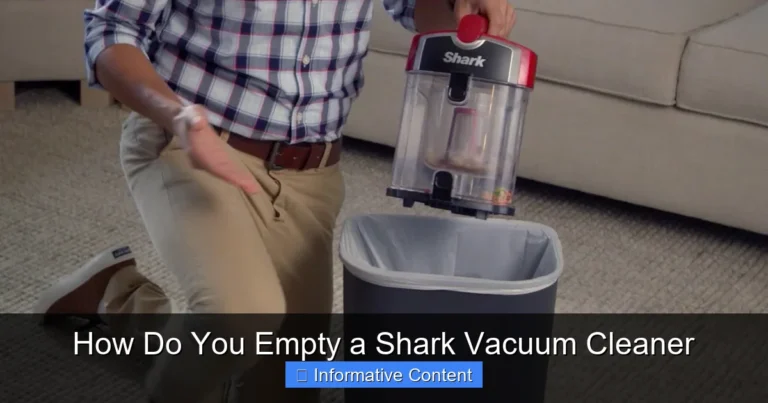
This is perhaps the simplest cause to remedy. When your vacuum’s dust bag is full or its bagless canister is packed solid, there’s nowhere for the air to go. The vacuum struggles to pull air through the accumulated dirt, putting immense strain on the motor. This strain generates heat, which can cause the dust itself to emit a burning odor, or, more seriously, lead to motor overheating. Make it a habit to empty your vacuum’s dust container regularly, ideally after every few uses or when it reaches the “max fill” line.
Clogged Filters: The Silent Chokers
Filters are designed to trap dust and allergens, preventing them from being blown back into your home or entering and damaging the motor. However, over time, these filters become saturated with fine dust and debris, effectively becoming a thick barrier to airflow. A vacuum cleaner struggling with clogged filters will often develop a burning smell because its motor is working overtime to compensate for the reduced air intake. This significantly reduces suction power and is a primary reason why your vacuum cleaner smells like burning.
Maintenance Tip: Check your vacuum’s manual for filter cleaning and replacement recommendations. Many filters are washable, while others need to be replaced every 3-6 months. Don’t neglect this crucial maintenance step!
Blocked Hoses and Attachments
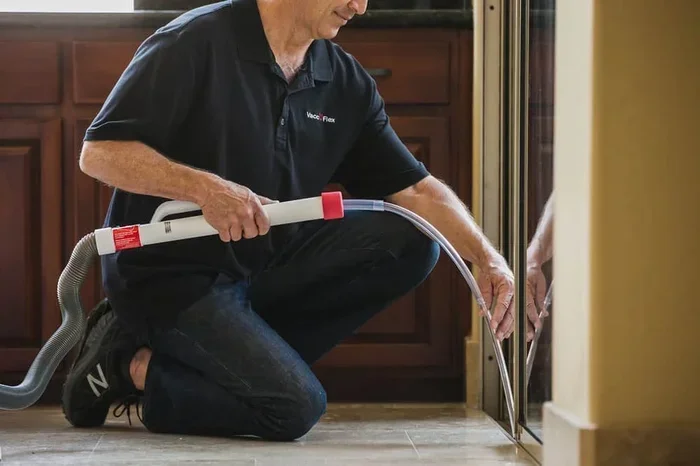
It’s surprisingly easy for items to get sucked into your vacuum’s hose or attachments and become lodged. Socks, small toys, pieces of paper, or even large clumps of pet hair can create a complete blockage. When this happens, the airflow stops, and the motor’s workload increases dramatically, leading to overheating. If your vacuum cleaner smells like burning and you’ve checked the bag and filters, the next step is to inspect the hose and attachments. Remove the hose and try to look through it, or use a broom handle (carefully!) to dislodge any obstructions.
Brush Roll Entanglements
While we discussed jammed brush rolls in relation to belt problems, severe entanglements can also cause motor strain directly. If the brush roll is so packed with hair, string, or carpet fibers that it can barely turn, the motor has to exert much more effort to drive it. This added strain contributes to overheating and the burning smell. Regularly clearing your brush roll of hair and debris isn’t just good for cleaning performance; it’s essential for preventing your vacuum from smelling like burning.
Electrical Sparks and Smells: When to Be Extra Cautious
While most burning smells from a vacuum cleaner are due to motor strain from clogs or belt issues, sometimes the problem can be electrical. An electrical burning smell is typically sharper, more acrid, and might have a metallic undertone compared to the dusty or rubbery smells. If you detect this type of odor, it’s crucial to unplug your vacuum immediately and exercise extreme caution, as electrical issues can pose a fire risk.
Damaged Power Cord or Plug
Over time, power cords can become frayed, pinched, or damaged, especially where they connect to the vacuum or the plug itself. If the internal wires are exposed or shorting out, they can generate sparks and heat, leading to a distinct electrical burning smell. A damaged plug or outlet can also cause arcing, which results in a similar odor. Always inspect your power cord and plug for any visible signs of damage. Never use a vacuum with a damaged cord; it’s a serious safety hazard.
Internal Wiring Problems
Inside the vacuum cleaner, wires connect various components to the motor and power source. If these internal wires become loose, frayed, or get pinched, they can short circuit, overheat, and melt their insulation, producing that alarming electrical burning smell. Diagnosing internal wiring problems typically requires disassembling the vacuum, which is best left to a qualified technician, especially if you’re not experienced with electrical repairs. This is a common reason why a vacuum cleaner smells like burning, and it’s not a DIY fix.
Motor Bearing Failure
The motor has bearings that allow its internal components to spin smoothly and with minimal friction. If these bearings wear out, they can seize or create excessive friction, generating significant heat. This heat can then burn the lubrication, surrounding plastic, or even the motor windings, causing a distinct electrical or metallic burning smell. While some skilled DIYers might attempt to replace motor bearings, it’s generally a complex repair that requires specialized tools and expertise. Often, when motor bearings fail, it’s an indicator that the motor is reaching the end of its life.
Preventing the Burn: Regular Maintenance is Your Best Friend
The good news is that most instances of your vacuum cleaner smelling like burning can be prevented with simple, consistent maintenance. Just like your car needs regular oil changes, your vacuum needs a little TLC to keep running smoothly and safely. A proactive approach will not only save you from that alarming burning smell but also extend the life of your appliance and maintain its cleaning efficiency.
Make Filter Cleaning a Routine
Your filters are the lungs of your vacuum. They trap dust, dirt, and allergens, keeping the air clean and protecting your motor. But when they get clogged, they suffocate your vacuum, forcing the motor to work harder. Check your filters regularly – at least once a month for washable filters, and replace disposable ones according to the manufacturer’s recommendations (typically every 3-6 months). This single step can significantly reduce the chances of your vacuum cleaner smelling like burning.
Empty Bags and Canisters Promptly
This might seem obvious, but it’s often overlooked. A full dust bag or canister severely restricts airflow, leading to motor strain and overheating. Don’t wait until it’s overflowing! Empty bagless canisters after every use or when the dirt reaches the ‘max fill’ line. Replace full dust bags when they are about two-thirds full to ensure optimal airflow and prevent your vacuum from smelling like burning.
Keep the Brush Roll Clear
The brush roll (or beater bar) is vital for picking up embedded dirt and debris from carpets. However, it’s also a magnet for hair, threads, and carpet fibers. These can quickly tangle around the brush roll, slowing it down or even stopping it completely. This puts immense strain on the drive belt and motor. Make it a habit to regularly flip your vacuum over and use scissors or a seam ripper to cut away any tangled hair or fibers from the brush roll. This keeps it spinning freely and prevents that rubbery burning smell.
Regular Inspections
Take a few moments periodically to inspect your vacuum’s key components:
- Hose: Check for any blockages by shining a flashlight through it or using a broomstick to gently push through any potential clogs.
- Belt: If you have an upright vacuum, inspect the drive belt for signs of wear, stretching, or fraying. Replace it if it looks worn.
- Power Cord: Look for any cuts, frayed insulation, or bent prongs on the plug. If the cord is damaged, have it professionally repaired or replaced immediately.
These quick checks can catch problems before they escalate into a burning smell or worse.
When to Call for Backup: Professional Help or a New Beginning?
While many vacuum cleaner burning smell issues can be resolved with DIY troubleshooting and maintenance, there are times when it’s best to call in the experts or even consider replacing your appliance. Knowing when to take these steps can save you time, money, and potential safety risks.
When DIY Isn’t Enough
If you’ve diligently checked for clogs, cleaned your filters, emptied the dustbin, and inspected the belt, but your vacuum cleaner still smells like burning, it’s time to consider professional help. This is especially true if:
- The smell is distinctly electrical or metallic: This often points to deeper motor or wiring issues that require specialized knowledge and tools to diagnose and repair safely.
- The vacuum frequently shuts off: While a thermal cut-off is a safety feature, if it’s activating constantly, it means the motor is consistently overheating, indicating a persistent problem.
- You hear unusual noises: Grinding, squealing, or whining sounds accompanying the burning smell can indicate worn motor bearings or other internal component failures.
- You’re uncomfortable with the repair: If you’re not confident in your ability to safely open up the vacuum or deal with electrical components, don’t risk it.
The Cost-Benefit Analysis
Before rushing to repair, consider the age and cost of your vacuum cleaner. For older, inexpensive models, the cost of professional repair might outweigh the cost of a new, more efficient vacuum. A technician’s diagnostic fee alone might be a significant percentage of the vacuum’s original price. Ask yourself:
- How old is my vacuum?
- How much would a comparable new vacuum cost?
- What’s the estimated repair cost (get a quote if possible)?
- How much longer do I realistically expect this vacuum to last even after repair?
Sometimes, saying goodbye to an old, struggling vacuum cleaner that constantly makes you wonder, “Why does my vacuum cleaner smell like burning?” and investing in a new model with a fresh warranty is the more economical and less stressful option in the long run.
Conclusion
That burning smell from your vacuum cleaner is a clear and unequivocal warning sign. It’s your vacuum’s plea for attention, indicating anything from a simple clog to a more serious electrical fault. The good news is that by understanding the common culprits—overworked motors due to restricted airflow, worn belts, or electrical problems—you can often diagnose and fix the issue yourself with basic tools and a little know-how.
Remember, your immediate action upon detecting the smell should always be to turn off and unplug the unit. Then, systematically check for clogs, clean filters, inspect the belt, and clear the brush roll. Consistent, regular maintenance is your best defense against ever having to ask, “Why does my vacuum cleaner smell like burning?” again. By being proactive and addressing issues promptly, you’ll ensure your vacuum remains a reliable and safe tool for a clean home for years to come.
🎥 Related Video: Why Does My Vacuum Smell Like It’s Burning? | Troubleshooting and Solutions
📺 vacuumera
Why Does My Vacuum Smell Like It’s Burning? ✨✨ Read The Full Article for details Information …
Frequently Asked Questions
Why does my vacuum cleaner smell like burning after I empty the bag?
Even after emptying the bag or canister, a burning smell can persist if other clogs remain, such as in the filters or hose, forcing the motor to work harder. It could also mean the motor has already overheated significantly or there’s a problem with the belt that wasn’t addressed by emptying the dust container.
Can a new vacuum cleaner smell like burning?
It’s less common, but a new vacuum cleaner might emit a faint “new appliance” smell initially as components heat up for the first time. However, a strong or persistent burning smell should still be addressed, as it could indicate a manufacturing defect or an immediate issue like a stuck brush roll from improper assembly or initial use.
How can I prevent my vacuum from smelling like burning in the future?
To prevent a burning smell, practice regular maintenance: empty the dustbin frequently, clean or replace filters as recommended, clear the brush roll of tangled hair and debris, and inspect the hose for blockages. Also, avoid overworking your vacuum by giving it breaks during long cleaning sessions.
Is it safe to continue using a vacuum that smells like burning intermittently?
No, it is not safe to continue using a vacuum that smells like burning, even if the smell is intermittent. A burning smell indicates that components are overheating, which can lead to permanent damage, an electrical short, or even a fire hazard. Always stop use immediately and investigate the cause.
What are the signs that my vacuum motor is about to fail?
Signs a vacuum motor is about to fail include a persistent burning electrical smell, reduced suction power even after clearing clogs, unusual grinding or whining noises, frequent thermal cut-offs (the vacuum shutting off on its own), and visible sparks from the motor housing.
Does vacuuming certain types of debris make it more prone to smelling like burning?
Yes, vacuuming fine powders (like drywall dust or flour) can quickly clog filters and strain the motor. Also, vacuuming liquids or very hot ash can damage the motor and electrical components, leading to a burning smell. Very long hair or string can also easily tangle the brush roll, causing friction and a rubbery burning odor.