Why Does My Vacuum Cleaner Smell
If you’re asking, “Why does my vacuum cleaner smell?” you’re not alone. This common problem often points to simple issues like a full bag, clogged filters, or trapped debris. Understanding these causes and performing regular maintenance can quickly eliminate unpleasant odors and keep your home feeling fresh.
Why Does My Vacuum Cleaner Smell?
There’s a distinct aroma that signals something isn’t right in your home. It’s not a burning dinner, nor is it the faint whiff of an overdue trash day. Instead, it’s that peculiar, often unpleasant scent emanating directly from your vacuum cleaner. You’ve just finished cleaning, hoping for that fresh, clean home smell, but instead, you’re left wondering, “Why does my vacuum cleaner smell?” It’s a common frustration, and one that many homeowners face.
That unmistakable stench can range from dusty and musty to something far worse – like burning rubber, wet dog, or even rotten food. It can completely negate all your hard work and make you dread pulling out your trusty cleaning companion. But don’t despair! Most of the time, the reasons why your vacuum cleaner smells are easily identifiable and, thankfully, quite fixable with a little bit of detective work and some regular maintenance.
Understanding the root cause is the first step toward a fresher, cleaner vacuuming experience. This comprehensive guide will walk you through the most common culprits behind a smelly vacuum cleaner, offering practical solutions and tips to help you banish those odors for good. Get ready to transform your vacuum from a stench-spreading machine into a true cleaning hero once again!
Key Takeaways
- Dirty Bag or Canister: The most frequent cause of a smelly vacuum cleaner is a full or dirty dust bag or canister, which harbors old dust, dander, and other odor-causing particles.
- Clogged Filters: Neglected or dirty filters (pre-motor, post-motor, HEPA) can trap odors, restrict airflow, and even cause your vacuum to overheat, contributing to bad smells.
- Entangled Brush Roll: Hair, pet fur, and other debris wrapped around the brush roll can decompose or create friction, leading to burning or musty odors.
- Moisture and Mold: Vacuuming damp messes or storing the vacuum in a humid environment can lead to mold and mildew growth, resulting in a persistent musty smell.
- Motor Overheating: A burning smell often indicates an issue with the motor, possibly due to blockages, worn belts, or a failing motor component, requiring immediate attention.
- Recent Pick-ups: Strong odors from pet accidents, spilled food, or scented carpet powders can linger within the vacuum’s internal components, permeating your home.
- Regular Maintenance is Key: Consistent emptying, cleaning/replacing filters, clearing the brush roll, and addressing dampness are crucial steps to prevent and eliminate vacuum odors.
Quick Answers to Common Questions
How often should I clean my vacuum filters?
Most washable filters should be rinsed monthly, or more often if you have pets. Non-washable and HEPA filters typically need replacement every 6-12 months, but always check your vacuum’s manual.
Can a burning smell from my vacuum be dangerous?
Yes, a burning smell can indicate serious issues like an overheating motor, a slipping belt, or an electrical problem. If you smell burning, immediately turn off and unplug the vacuum, then investigate the cause. If it’s electrical, seek professional help.
My vacuum smells like “wet dog.” What’s causing it?
A “wet dog” or musty smell usually means there’s moisture inside the vacuum, leading to mold or mildew growth. This often happens if you’ve accidentally vacuumed up a wet mess or if the vacuum is stored in a damp environment.
How do I clean pet hair off the brush roll?
Turn off and unplug the vacuum, then flip it over. Use a pair of scissors to carefully cut through tangled hair and fibers, being careful not to snip the bristles or the belt. Then, pull the debris away by hand.
Can scented carpet powders make my vacuum smell bad?
Yes, while initially pleasant, carpet powders can build up inside your vacuum over time, creating a stale, chemical, or cloying odor. They can also clog filters, leading to reduced performance and other smells.
📑 Table of Contents
- The Obvious Offenders: Bag, Canister, and Filters
- Hidden Horrors: The Brush Roll and Belts
- The Wet and Wild Side: Moisture, Mold, and Mildew
- Internal Woes: Motor and Electrical Issues
- What Your Vacuum Just Picked Up: The Obvious & Not-So-Obvious Stenches
- Keeping Your Vacuum Cleaner Fresh: A Maintenance Checklist
- Conclusion
The Obvious Offenders: Bag, Canister, and Filters
The most straightforward reasons why your vacuum cleaner smells often lie within its primary collection and filtration systems. These are designed to capture dirt and dust, so it’s no surprise they can also capture odors.
A Full or Dirty Dust Bag/Canister
This is, hands down, the most common reason for a smelly vacuum cleaner. Think about it: your vacuum picks up everything from pet dander and human hair to food crumbs, dust mites, and microscopic organic matter. Over time, this collection of debris starts to decompose, especially if it includes any lingering moisture or food particles. The longer it sits, the more potent the smell becomes.
* Bagged Vacuums: If you have a bagged vacuum, a full bag acts like a festering collection of all the nastiness you’ve removed from your floors. The material of the bag itself can become saturated with odors. Even if the bag isn’t completely full, old debris inside can still stink up your cleaning routine.
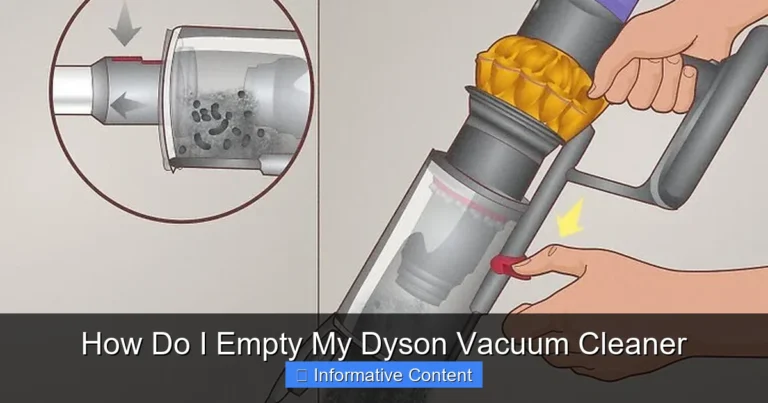
* Bagless Canisters: For bagless models, the clear canister might look empty enough, but a fine layer of dust and grime can adhere to the inside walls and the central cyclonic cone. This buildup, combined with older, more compacted debris, creates a breeding ground for odors.
The solution here is simple: empty or change your vacuum bag or canister regularly. Don’t wait until it’s overflowing. For pet owners or those with allergies, changing the bag or emptying the canister after every few uses (or even every use) is a good habit. Give bagless canisters a good wipe down with a damp cloth and mild soap (ensure it’s completely dry before reassembling) to remove lingering residue.
Clogged or Dirty Filters
Vacuum filters are your machine’s lungs. They trap fine particles and allergens, preventing them from being blown back into your home’s air. But just like our own lungs, if they get too clogged, they can’t do their job effectively, and they can start to smell. When you ask, “Why does my vacuum cleaner smell?” very often, the answer points to its filters.
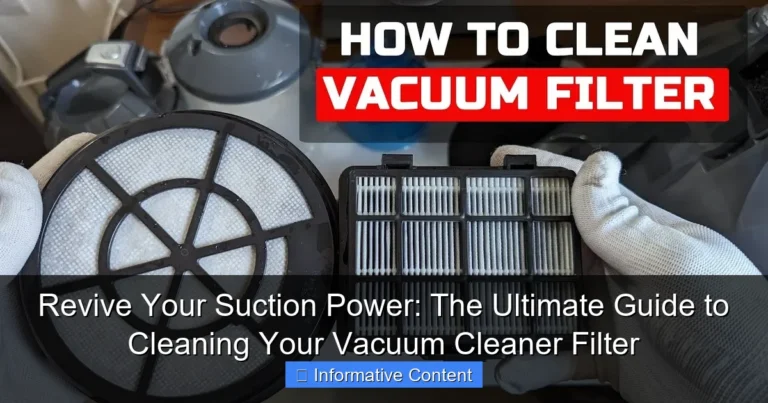
* Pre-Motor Filters: These are usually washable foam or felt filters located before the motor. They catch larger particles, protecting the motor. If these are dirty, they restrict airflow, making the motor work harder and potentially leading to a burning smell. They also trap a lot of the dust and dander that contribute to general musty odors.
* Post-Motor or HEPA Filters: These filters are designed to capture microscopic particles and are often located after the motor, ensuring the air exhausted from the vacuum is clean. HEPA filters are particularly good at trapping allergens, but they can also become saturated with odors over time. If they’re not cleaned or replaced as recommended, they’ll just recirculate bad smells.
Check your vacuum cleaner’s manual for specific instructions on filter maintenance. Most washable filters should be rinsed with water (and again, completely dried) monthly, or more frequently if you vacuum often or have pets. Non-washable filters, especially HEPA filters, need to be replaced periodically – typically every 6 to 12 months. Neglecting this crucial step is a major reason why your vacuum cleaner smells.
Hidden Horrors: The Brush Roll and Belts
Visual guide about Why Does My Vacuum Cleaner Smell
Image source: phcvacuumservice.co.uk
Sometimes, the source of a vacuum odor isn’t immediately obvious. You might have to flip your vacuum over to discover the hidden culprits lurking beneath.
Hair, Pet Fur, and Other Entanglements
The revolving brush roll (also known as the beater bar) is designed to agitate carpets and pick up debris. However, it’s also a magnet for long hair, pet fur, strings, and threads. When these get tightly wrapped around the brush roll, they can cause several problems that lead to odors:
* Decomposition: Hair and fur, especially if they’ve picked up any moisture or food particles, can start to break down and emit a stale or musty smell.
* Friction and Heat: A severely tangled brush roll can slow down or stop spinning. This puts a strain on the motor and can generate excessive friction and heat against the floor, leading to a burning smell, similar to scorched carpet or rubber.
* Reduced Performance: A clogged brush roll can’t pick up dirt effectively, leaving more debris on your floors and potentially within the vacuum itself, exacerbating existing odor issues.
Regularly inspecting and cleaning your brush roll is essential. Use a pair of scissors (be careful not to cut the bristles or the belt) to snip through tangled hair and fibers, then pull them away. Many modern vacuums have brush rolls that are easy to remove for thorough cleaning.
Worn or Damaged Belts
Vacuum cleaner belts connect the motor to the brush roll, making it spin. These belts are usually made of rubber and can wear out over time, stretch, or even break.
* Burning Rubber Smell: A slipping belt, or one that’s about to break, can rub against other components, creating friction and a distinct burning rubber smell. This is a tell-tale sign that your belt needs immediate replacement.
* Overworked Motor: If the belt is struggling, the motor will have to work harder, generating more heat and potentially emitting a burning or electrical odor.
If you detect a burning rubber smell, turn off your vacuum immediately. Inspect the belt for wear, cracking, or damage. Replacing a vacuum belt is usually a straightforward repair, and replacement belts are widely available. Consult your vacuum’s manual for guidance.
The Wet and Wild Side: Moisture, Mold, and Mildew
Vacuum cleaners are designed for dry messes. Introducing moisture into the equation is a surefire way to cultivate some truly foul odors.
Accidental Wet Vacuuming
Ever tried to vacuum up a spilled drink with a dry vacuum? Or perhaps your pet had an accident, and you tried to clean it up with your regular machine? This is one of the quickest ways to introduce moisture and organic matter deep into your vacuum’s internal components, where it can be difficult to remove.
* Mold and Mildew Growth: Once moisture gets inside the bag, canister, filters, or even the hose, it creates the perfect environment for mold and mildew to grow. This results in that unmistakable musty, earthy, or even “wet dog” smell.
* Bacterial Growth: Beyond mold, bacteria can also thrive in damp, dirty conditions, contributing to even more unpleasant odors, especially if the moisture came from pet urine or spilled food.
If you’ve accidentally vacuumed up something wet, it’s crucial to thoroughly clean and dry every component that came into contact with the moisture. This includes emptying the bag/canister, washing filters, and even cleaning the hose and attachments. Allow everything to air dry completely before reassembling. For significant wet messes, consider a wet/dry shop vac designed for such tasks.
Trapped Moisture from Storage
Even if you haven’t vacuumed anything wet, storing your vacuum in a damp basement, garage, or humid environment can lead to moisture infiltration. The machine itself, along with any residual dust and dirt inside, can become a breeding ground for mildew. Always store your vacuum in a dry, well-ventilated area.
Internal Woes: Motor and Electrical Issues
A burning smell that isn’t rubber is a more serious concern and usually points to internal electrical or motor problems. If you smell burning plastic, ozone, or something similar to electrical wiring, switch off your vacuum immediately and unplug it.
Overheating and Electrical Odors
A burning smell, often accompanied by a distinct ozone-like scent or acrid plastic, can indicate a problem with the vacuum’s motor or electrical components.
* Motor Strain: If the vacuum is severely clogged – perhaps due to an overfull bag, blocked filters, or a tangled brush roll – the motor has to work much harder to maintain suction. This increased effort can cause the motor to overheat, leading to a burning smell.
* Worn Motor Bearings: Over time, the bearings within the motor can wear out, causing friction and heat, which manifests as a burning smell.
* Electrical Short: Less commonly, there might be an issue with the internal wiring or an electrical short, which can produce a very strong, potentially dangerous burning odor.
If you suspect an electrical issue, do not attempt to fix it yourself unless you are a qualified technician. Continuing to run a vacuum with an electrical problem can be dangerous and could lead to a fire. It’s best to take it to a professional repair shop or consider replacing the unit.
What Your Vacuum Just Picked Up: The Obvious & Not-So-Obvious Stenches
Sometimes, the answer to “Why does my vacuum cleaner smell?” is simply because of what it recently consumed. Your vacuum is a powerful cleaning tool, but it also absorbs the essence of what it cleans.
Pet Messes and Their Lingering Scent
Pets are wonderful, but accidents happen. If your vacuum picks up pet urine, vomit, or other bodily fluids, even a small amount, the smell can permeate the entire machine. These organic materials are highly odorous and can stick around long after the liquid has dried.
* Deep Cleaning Required: If this happens, you’ll need to meticulously clean every part of the vacuum that came into contact with the mess, from the nozzle and hose to the bag/canister and filters. Use enzymatic pet odor removers on washable parts, ensuring they are thoroughly rinsed and dried.
Spilled Food and Organic Debris
Vacuuming up remnants of spilled food, crumbs, or other organic matter can also lead to foul odors. Think about old cereal, decaying fruit pieces, or a forgotten snack under the sofa. These can decompose inside the vacuum, particularly if there’s any moisture.
* Check for Blockages: Sometimes, larger pieces of food can get stuck in the hose or attachments, decaying and causing a terrible localized smell. Disassemble and check all pathways for blockages.
Scented Carpet Powders
Many people use scented carpet powders to freshen their homes. While they might smell pleasant initially, a buildup of these powders inside your vacuum can create a stale, cloying, or chemical odor over time. The fine particles can also clog filters and restrict airflow, contributing to overheating. If you use these powders, be extra diligent about cleaning your filters and emptying your bag/canister.
Keeping Your Vacuum Cleaner Fresh: A Maintenance Checklist
Now that you know why your vacuum cleaner smells, here’s how to prevent it and maintain a fresh-smelling machine:
- Empty/Change Bag or Canister Regularly: Don’t wait until it’s full. Do it more frequently if you have pets or vacuum up particularly dirty areas.
- Clean or Replace Filters: Follow your manufacturer’s recommendations. Washable filters need thorough drying. Non-washable filters need timely replacement.
- Clean the Brush Roll: At least once a month (more often with long hair or pets), turn the vacuum over and carefully remove tangled hair, strings, and debris from the brush roll.
- Check and Replace Belts: If you notice a burning rubber smell or reduced brush roll performance, inspect and replace the belt if needed.
- Clean the Hose and Attachments: Periodically detach the hose and check for blockages. You can often rinse some hoses (check your manual!) or use a broom handle to dislodge trapped debris. Wash attachments as needed.
- Inspect for Blockages: Regularly check the nozzle, hose, and intake for any obstructions. Even small blockages can reduce suction and strain the motor.
- Avoid Wet Messes: Use a wet/dry vac for liquids. If you accidentally vacuum something damp, immediately clean and thoroughly dry all affected parts.
- Store Properly: Keep your vacuum in a dry, well-ventilated area to prevent mildew growth.
- Deep Clean Periodically: Once or twice a year, give your vacuum a more thorough cleaning, disassembling accessible parts (as per your manual) to wipe down interiors.
Conclusion
A smelly vacuum cleaner is more than just an annoyance; it’s often a clear indicator that your machine needs some attention. By understanding the common reasons why your vacuum cleaner smells – from a full dust bag to clogged filters, tangled brush rolls, or even hidden moisture – you’re well-equipped to tackle the problem head-on. Regular, proactive maintenance is your best defense against unpleasant odors and will ensure your vacuum not only smells fresh but also performs at its peak.
So, the next time you ask yourself, “Why does my vacuum cleaner smell?”, remember these tips. A little bit of care goes a long way in keeping your home clean, fresh, and free from those lingering, unwanted odors. Happy vacuuming!
🎥 Related Video: Does Your Vacuum Have an Odor? Here's how to clean that up! #cleaning #vacuum
📺 Clean That Up
Frequently Asked Questions
What is the most common reason for a smelly vacuum cleaner?
The most common reason a vacuum cleaner smells is usually a full or dirty dust bag or canister. This receptacle collects a mixture of dust, pet dander, food crumbs, and other organic matter which can decompose over time, leading to unpleasant odors.
Why does my vacuum cleaner smell like something is burning?
A burning smell from your vacuum cleaner often indicates an issue with friction or overheating. This could be due to a worn or slipping drive belt causing a burning rubber smell, an obstructed brush roll making the motor work harder, or potentially an electrical problem with the motor itself.
Can a dirty vacuum hose contribute to bad smells?
Absolutely. The vacuum hose can trap debris, pet hair, dust, and even small pieces of food, especially if it’s kinked or damaged. Over time, these trapped particles can decompose or harbor mold, leading to strong, unpleasant odors that are then distributed as air flows through.
How often should I empty my bagless vacuum canister?
For optimal performance and odor prevention, you should aim to empty your bagless vacuum canister after every use, or at least when it reaches the “max fill” line. If you have pets or vacuum frequently, emptying it more often is highly recommended to prevent smells from building up.
Is it safe to wash my vacuum’s filters?
It depends on the filter type. Many pre-motor foam or felt filters are washable and can be rinsed under cool water, but they must be completely air-dried for at least 24 hours before reinsertion. HEPA filters and other specialized filters are often not washable and must be replaced; always check your vacuum cleaner’s manual for specific instructions.
What if I’ve cleaned everything and my vacuum still smells?
If you’ve thoroughly cleaned the bag/canister, filters, brush roll, and hose, and your vacuum still smells, the issue might be deeper. It could indicate a motor problem, electrical issue, or deeply embedded odors in non-removable parts. In such cases, consider taking it to a professional for inspection or replacing the unit.