Understanding the Factors Behind Dyson Vacuum Cleaners
Understanding “how much for a Dyson vacuum cleaner” isn’t about a single price, but rather appreciating the various elements that contribute to their overall development and value. These include the specific model series, the underlying technology, unique features, included accessories, and the vacuum’s intended application, each playing a role in its engineering and availability.
This article explores the comprehensive factors that shape Dyson vacuum cleaners, from their core technology and diverse model types to advanced features and included accessories. We’ll delve into why these elements matter, how they influence the engineering and design process, and what defines the various product series, all without discussing specific market figures.
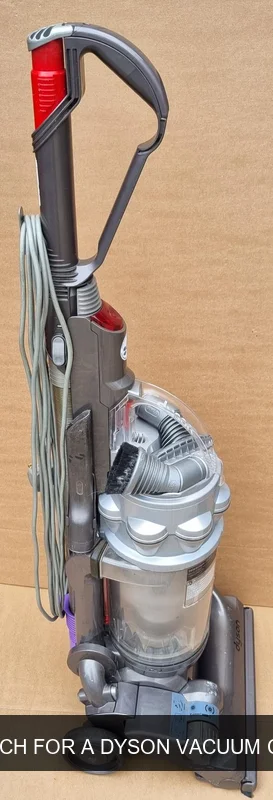
Image source: Sumup
📋 Table of Contents
- 🔹 A Deep Dive into Dyson Vacuum Factors
- 🔹 Why Understanding These Factors Matters
- 🔹 How Dyson Vacuum Development Works: Key Components
- 🔹 Benefits of Understanding Dyson’s Engineering
- 🔹 Common Misconceptions About Dyson Vacuum Innovation
- 🔹 Practical Tips for Navigating Dyson Product Lines
- 🔹 Real-Life Examples of Feature Impact
- 🔹 Frequently Asked Questions About Dyson Vacuum Cleaners
- 🔹 Conclusion: Understanding Dyson’s Engineering Approach
A Deep Dive into Dyson Vacuum Factors
When you hear someone ask, “how much for a Dyson vacuum cleaner?”, it’s really a question about understanding a product ecosystem. Dyson isn’t just one type of vacuum cleaner; it’s a diverse range of machines, each designed with specific purposes, technologies, and user needs in mind. This diversity means there isn’t a single, straightforward answer to that question. Instead, we need to look at the underlying factors that differentiate each model and series.
These factors are quite varied. They stem from years of research and development, innovative engineering, and a constant drive to refine cleaning technology. We’re talking about everything from the fundamental design principles to the very specific tools and features included with a particular model. Each element plays a crucial role in how a Dyson vacuum is conceived, developed, and ultimately presented to consumers.
It’s like asking “how much for a car?” without specifying if you mean a compact city car, a luxury sedan, or a heavy-duty truck. The answer changes dramatically based on the features, engineering, and intended use. The world of Dyson vacuums works much the same way, with a spectrum of offerings tailored for different cleaning challenges and preferences.
What Influences a Dyson Vacuum Cleaner’s Engineering?
Many elements come together to define a Dyson vacuum cleaner. It’s a complex interplay of scientific principles and practical application. Let’s break down some of the most impactful categories:
- Core Technology and Innovation: Dyson is known for its proprietary technologies, like advanced digital motors and cyclonic separation. Developing and integrating these cutting-edge systems requires significant investment in research and engineering.
- Vacuum Type and Design: Are we talking about a lightweight cordless stick vacuum, a powerful upright, a compact canister model, or perhaps a robotic cleaner? Each type demands a unique design, motor configuration, and power management system.
- Model Series and Generations: Dyson frequently updates its product lines, introducing new series (e.g., V-series, Gen5, Ball, Cinetic Big Ball). Newer generations often feature enhanced motors, improved filtration, longer run times, or smarter controls.
- Specific Features and Capabilities: Features like laser detection of microscopic dust, de-tangling brush bars, integrated LCD screens displaying performance, or specialized allergen filtration systems add layers of complexity and utility.
- Included Accessories and Attachments: The range of tools bundled with a vacuum can vary greatly. Some models come with a basic set, while others include a comprehensive suite of specialized brushes, crevice tools, and power heads designed for specific tasks.
- Materials and Manufacturing: The selection of durable, lightweight, and high-performance materials, coupled with precision manufacturing processes, ensures product longevity and effectiveness.
Why Understanding These Factors Matters
Grasping the nuances of Dyson’s product development isn’t just for enthusiasts; it’s genuinely helpful for anyone trying to understand their offerings. When you understand the reasons behind the different models, you can better appreciate the engineering effort and the specific solutions each product aims to provide. It helps you see beyond a simple comparison and recognize the value proposition of different designs.
Knowing about these factors helps clarify why certain models exist and what problems they are designed to solve. For instance, a model engineered for pet owners will feature specific brush bars or accessories tailored to effectively manage pet hair, which might not be present in a model optimized for hard floors. This specialized engineering leads to distinct product profiles.
Furthermore, this knowledge allows you to decipher product descriptions and marketing materials more effectively. Instead of simply seeing a list of features, you can connect those features back to their practical applications and the underlying technological advancements that make them possible.
How Dyson Vacuum Development Works: Key Components
The development of a Dyson vacuum cleaner is a meticulous process, combining scientific research, innovative design, and rigorous testing. Let’s explore how the various factors we’ve discussed are integrated into the final product.
The Role of Core Technology
Dyson’s reputation is built on its core technologies. For example, their digital motors are a marvel of engineering. These motors are compact, powerful, and spin at incredibly high speeds, generating strong suction while being energy-efficient. The evolution of these motors, from earlier versions to the latest hyperdymium motors, reflects continuous investment in performance and longevity.
Similarly, Dyson’s multi-cyclonic technology, which separates dust and dirt from the airflow without clogging, is central to their vacuums’ sustained performance. This system requires precise air path design and meticulous component arrangement to ensure consistent suction without reliance on bags or filters that quickly lose effectiveness.
Impact of Vacuum Type on Engineering
The fundamental type of vacuum dictates much of its design and engineering. Consider the difference:
- Cordless Stick Vacuums: These prioritize lightweight design, maneuverability, and battery life. Engineering challenges include balancing powerful suction with a compact motor, optimizing airflow within a narrow form factor, and developing efficient batteries that deliver adequate run time.
- Upright and Canister Vacuums: These often focus on maximum suction and capacity for larger homes. Their design can accommodate larger motors, dustbins, and more robust cleaning heads, leading to different structural and power delivery requirements.
- Robotic Vacuums: Here, the focus shifts to autonomous navigation, intelligent mapping, and integration with smart home systems, alongside effective cleaning capabilities. This introduces complex software and sensor arrays.
Understanding Model Series and Specific Features
Dyson organizes its products into distinct series, which often represent generations of technology or specific use cases. A “V-series” cordless vacuum, for instance, has evolved over many iterations (V7, V8, V10, V11, V15 Detect, Gen5Detect), with each new number signifying significant improvements in motor power, battery technology, filtration, or added smart features like acoustic dust sensing or laser detection. These advancements are not superficial; they are the result of extensive R&D and engineering refinement.
For example, a model featuring a laser to reveal microscopic dust on hard floors incorporates a specialized optical system and software to process the visual data. A de-tangling digital motorbar brush head involves a complex mechanical design to automatically clear hair from the brush. Each such feature adds a layer of intricate engineering.
Benefits of Understanding Dyson’s Engineering
Having a clear picture of what goes into a Dyson vacuum cleaner offers several benefits:
- Informed Appreciation: You gain a deeper appreciation for the innovation and engineering that distinguishes Dyson products. It’s not just about a brand name; it’s about the tangible technology.
- Deciphering Product Specifications: You’ll be better equipped to understand technical jargon and appreciate how different specifications (e.g., motor speed, filtration stages, run time) translate into real-world cleaning performance.
- Recognizing Value: By understanding the complexity of different features and the investment in R&D, you can recognize the inherent value proposition each model offers, based on its capabilities and technological sophistication.
- Staying Current: It helps you follow the evolution of cleaning technology and understand why newer models often incorporate significant enhancements over their predecessors.
Common Misconceptions About Dyson Vacuum Innovation
When discussing Dyson vacuum cleaners, it’s easy to fall into certain traps of thought. Let’s clarify some common misconceptions:
- Misconception: All Dyson vacuums are essentially the same.
Reality: This is far from true. As explored, there’s a vast range of types (cordless, upright, robot), series, and specialized features. Each product line is developed for specific cleaning challenges and user preferences, making them distinct in design and function.
- Misconception: Newer models only offer minor cosmetic changes.
Reality: Dyson typically invests heavily in research and development for each new generation. Updates often include significant technological leaps, such as more powerful motors, improved battery chemistry, enhanced filtration systems, or entirely new sensing technologies like the laser dust detection or particle counting features. These are substantive engineering changes, not just aesthetic ones.
- Misconception: Accessories are just add-ons and don’t affect engineering.
Reality: Dyson accessories are often precisely engineered tools designed to work seamlessly with the main vacuum body. Specialized brush heads, for instance, might have their own motors or unique bristle patterns to optimize cleaning for different surfaces or tasks, requiring significant design and testing.
Practical Tips for Navigating Dyson Product Lines
Understanding the structure of Dyson’s offerings can help you appreciate their innovative approaches. Here are some practical tips:
- Focus on the Series Name: Dyson uses clear series names (e.g., V-series for cordless sticks, Ball for uprights). Understand what each series generally represents in terms of design philosophy.
- Examine Model Numbers for Generations: Within a series, higher numbers often indicate a newer generation (e.g., V10 preceded V11). These usually bring technological improvements.
- Look for Key Feature Descriptors: Pay attention to terms like “Detect” (implying laser or acoustic sensing), “Absolute” (often indicating a more comprehensive accessory package), or “Animal” (tailored for pet hair). These descriptors highlight specialized engineering.
- Research Core Technologies: Familiarize yourself with Dyson’s digital motors, cyclonic separation, and filtration systems. Understanding these foundational elements helps in grasping the capabilities of various models.
- Consider Your Specific Cleaning Needs: Different Dyson vacuums are engineered for different environments. Thinking about your home’s floor types, presence of pets, or size will guide your understanding of which model’s engineering is most relevant to you.
Real-Life Examples of Feature Impact
Let’s illustrate how specific engineering choices and features create distinct Dyson vacuum cleaner models, affecting their overall development profile.
Imagine a basic cordless stick vacuum designed primarily for quick clean-ups on hard floors. Its engineering might focus on a lightweight motor, a simple filter system, and a standard brush bar. Now, consider a more advanced model, like one from the Gen5 Detect series.
This advanced model incorporates a more powerful Hyperdymium motor, an entirely sealed HEPA filtration system, a Fluffy Optic cleaner head with laser illumination, and an LCD screen that displays real-time particle count. Each of these additions represents significant engineering effort:
- The Hyperdymium motor involves complex metallurgy and digital controls to achieve higher RPMs and suction.
- The sealed HEPA filtration requires precise design of air paths and sealing mechanisms to ensure no particles escape.
- The Fluffy Optic cleaner head integrates a miniature laser diode and specialized lens, which must be perfectly aligned and protected, along with advanced plastics to ensure light is projected correctly and durably.
- The LCD screen and acoustic dust sensing involve integrating sensors, microprocessors, and a user interface, adding software development and electronic component sourcing to the engineering complexity.
These examples show how each specific feature isn’t just an “add-on” but a deep engineering solution, influencing the entire design and manufacturing process of the vacuum cleaner.
Frequently Asked Questions About Dyson Vacuum Cleaners
Here are answers to common questions about the factors that influence Dyson vacuum cleaner development and their offerings.
What factors influence the general availability of Dyson vacuum cleaners?
The availability of different Dyson vacuum cleaners is largely influenced by their specific design and intended use. Factors include the technological advancements integrated, the type of vacuum (cordless, upright, robot), the materials used in construction, and the specialized features included for particular cleaning tasks or environments. Newer models also reflect the latest research and development efforts.
Why do different Dyson vacuum models exhibit varying features and technological advancements?
Dyson designs various models to cater to a wide array of cleaning needs and preferences. This means dedicating engineering resources to develop specific features like specialized brush bars for pet hair, laser illumination for hard floors, or advanced filtration for allergy sufferers. Each variation stems from focused R&D to address a distinct user problem or enhance performance in a particular area.
How does Dyson’s core technology impact the development of their vacuum cleaners?
Dyson’s core technologies, such as their powerful digital motors and multi-cyclonic separation, are fundamental to their vacuum cleaner development. These innovations dictate the performance capabilities, design possibilities, and even the size and weight of the machines. Continuous refinement of these core technologies drives the evolution of new models, enabling stronger suction, better filtration, and more efficient operation.
Are newer Dyson vacuum models inherently different from older ones in terms of features?
Yes, newer Dyson vacuum models typically incorporate significant advancements over older generations. These often include more powerful and efficient motors, longer-lasting batteries, enhanced filtration systems, and new intelligent features like particle sensing or improved user interfaces. Each new model generation reflects ongoing innovation and engineering improvements.
What are the key differences between various Dyson vacuum cleaner types (e.g., cordless vs. upright)?
The key differences lie in their engineering focus and intended applications. Cordless stick vacuums prioritize lightweight design, versatility, and maneuverability, relying on battery power. Upright vacuums often emphasize maximum suction, larger dustbin capacity, and robust cleaning heads for extensive cleaning tasks. Robotic vacuums, on the other hand, focus on autonomous navigation and smart features. Each type presents unique engineering challenges and solutions.
Conclusion: Understanding Dyson’s Engineering Approach
In conclusion, when contemplating “how much for a Dyson vacuum cleaner,” it’s clear that the question invites a deeper exploration into a world of sophisticated engineering and purposeful design. There isn’t a single answer because Dyson vacuums represent a spectrum of technological solutions, each crafted to meet distinct cleaning requirements and user expectations.
From the foundational digital motor technology to the nuanced differences across model series, specialized features, and included accessories, every aspect contributes to the unique identity and capabilities of each Dyson machine. By understanding these underlying factors – the constant innovation, meticulous material selection, and rigorous development process – we gain a more complete picture.
This understanding helps us appreciate the intricate work behind each Dyson vacuum cleaner, recognizing that their diversity is a testament to continuous effort in solving complex cleaning challenges through advanced engineering. It’s about recognizing the breadth of their offerings, not just a singular output.