Navigating Your Options: How to Choose a Robot Vacuum Cleaner
Choosing a robot vacuum cleaner involves assessing your home’s layout, floor types, and specific cleaning needs. Focus on features like navigation intelligence, battery life, dustbin capacity, and special functions like mopping or pet hair management to find a suitable match for your daily cleaning routine.
Figuring out how to choose a robot vacuum cleaner can feel a bit overwhelming with so many options available. This comprehensive guide will walk you through the essential considerations, helping you understand different features and what truly matters for your specific home and lifestyle. We’ll break down everything from navigation to maintenance, ensuring you feel confident in your decision.
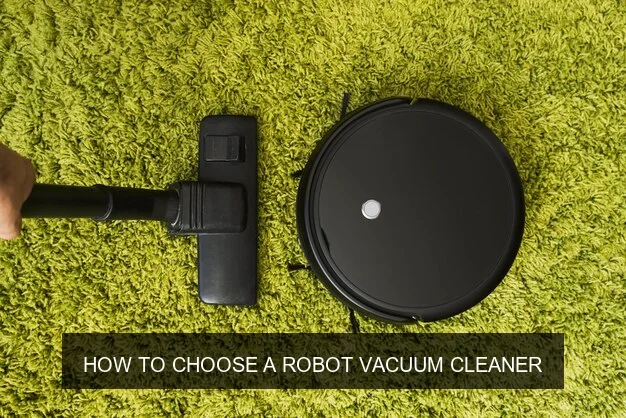
Image source: Freepik
📋 Table of Contents
- 🔹 Introduction: What is a Robot Vacuum Cleaner?
- 🔹 Why Should You Consider a Robot Vacuum Cleaner?
- 🔹 Understanding the Core Factors: How to Choose a Robot Vacuum Cleaner
- 🔸 Navigation and Mapping Capabilities
- 🔸 Suction Power and Brush Types
- 🔸 Battery Life and Charging
- 🔸 Dustbin Capacity and Self-Emptying
- 🔸 Smart Features and Connectivity
- 🔸 Specialized Cleaning Needs
- 🔸 Maintenance Considerations
- 🔹 How Robot Vacuums “Work” (The Brains Behind the Clean)
- 🔹 Benefits of Integrating a Robot Vacuum into Your Home
- 🔹 Common Misconceptions When Choosing a Robot Vacuum
- 🔹 Practical Tips for a Smart Choice
- 🔹 FAQ: Answering Your Robot Vacuum Questions
- 🔹 Making Your Decision: A Helpful Conclusion
Introduction: What is a Robot Vacuum Cleaner?
A robot vacuum cleaner is an autonomous device designed to vacuum floors with minimal human intervention. Imagine a small, disc-shaped gadget that moves around your home, sucking up dust and debris all by itself. These clever machines use sensors and algorithms to navigate rooms, detect obstacles, and clean various floor types, offering a convenient way to maintain cleanliness without having to push a traditional vacuum yourself.
Understanding these devices is the first step in knowing how to choose a robot vacuum cleaner that’s right for you. They’ve come a long way from simply bumping into walls; modern robot vacuums can map your home, avoid specific areas, and even empty their own dustbins.
Why Should You Consider a Robot Vacuum Cleaner?
Many people wonder if a robot vacuum is truly worth it. The main appeal lies in the sheer convenience they offer. Think about it: daily tidying, even when you’re not home, can make a big difference in the overall cleanliness of your living space. This is especially true for busy individuals, families with pets, or anyone looking to reduce their chore list.
Robot vacuums can handle routine maintenance cleaning, keeping dust bunnies and crumbs at bay. They help keep allergens down and prevent dirt from building up, which can extend the life of your flooring. Plus, they can reach under furniture that a traditional vacuum might miss, giving your home a more thorough clean over time. It’s about maintaining a consistently tidy home with less effort from you.
Understanding the Core Factors: How to Choose a Robot Vacuum Cleaner
When you’re ready to figure out how to choose a robot vacuum cleaner, it’s helpful to break down the decision into several key areas. Each aspect plays a role in how effectively a robot vacuum will perform in your unique home environment. Let’s explore these factors in detail.
Navigation and Mapping Capabilities
This is arguably one of the most important aspects. How a robot vacuum moves around your home directly impacts its cleaning efficiency and how much frustration you might experience. Early models often moved in random patterns, which meant they could miss spots or take a long time to clean. Today, things are much smarter.
- Random Navigation: These robots move until they hit an obstacle, then change direction. They might eventually cover most areas, but it’s not efficient. Best for smaller, simpler spaces.
- Smart Navigation (Structured): These use sensors (like infrared or lidar) to build a map of your home. They clean in neat rows, ensuring full coverage and remembering where they’ve been. This is much more efficient.
- Lidar (Laser) Mapping: Considered the most advanced, Lidar creates a precise, detailed map of your home, even in the dark. This allows for features like multi-floor mapping and virtual boundaries.
- Camera-Based Mapping: Uses a camera to ‘see’ and map the environment. It can be good but might struggle in very dark rooms.
A robot with good mapping capabilities can learn your floor plan, allowing you to set “no-go zones” (like around pet bowls) or tell it to clean specific rooms. This precision is a huge plus for larger or more complex homes.
Suction Power and Brush Types
The ability to pick up dirt is fundamental. Suction power is often measured in Pascals (Pa). While a higher Pa generally means stronger suction, it’s not the only thing that matters. The brush system plays a crucial role too.
- Standard Bristle Brushes: Good for general dirt and debris on carpets and hard floors. However, they can sometimes tangle with pet hair.
- Rubber/Silicone Brushes: Excellent for pet hair as they resist tangles. They also tend to work well on both hard floors and carpets.
- Side Brushes: Most robot vacuums have one or two spinning side brushes to sweep debris from edges and corners into the main cleaning path.
For homes with lots of carpet or pets, you’ll want a robot vacuum with strong suction and an effective brush system, perhaps even one designed specifically for pet hair.
Battery Life and Charging
How long a robot vacuum can clean on a single charge is important, especially for larger homes. Battery life varies widely, usually from 60 minutes to over 200 minutes.
- Runtime: Consider the size of your home. A smaller apartment might be fine with a shorter runtime, but a multi-room house will need more endurance.
- Recharge & Resume: Many smart robot vacuums will return to their charging dock when the battery is low, recharge, and then pick up cleaning exactly where they left off. This is a must-have feature for larger homes or multi-story residences.
Don’t just look at the maximum runtime; consider if the vacuum can intelligently manage its power to complete its task.
Dustbin Capacity and Self-Emptying
The dustbin holds all the dirt the robot picks up. Smaller dustbins need to be emptied more frequently, which might defeat some of the convenience.
- Dustbin Size: Measured in milliliters (ml). If you have pets or a large home, a larger dustbin (e.g., 400ml+) will reduce how often you need to empty it.
- Self-Emptying Docks: This is a premium feature where the robot automatically empties its small internal dustbin into a larger bag or container in its charging dock. This means you only need to empty the dock’s large bin every few weeks or even months, greatly enhancing convenience. If you want truly hands-free operation, this is a feature to look for.
Smart Features and Connectivity
Modern robot vacuums are often “smart” devices that can integrate with your home network.
- Wi-Fi Connectivity: Most models connect to your home Wi-Fi, allowing control via a smartphone app.
- Smartphone App Control: Apps allow you to schedule cleanings, view maps, set no-go zones, choose specific rooms to clean, and check the robot’s status.
- Voice Assistant Integration: Many robots can be controlled with voice commands through devices like Amazon Alexa or Google Assistant, adding another layer of convenience.
- Virtual Walls/No-Go Zones: The ability to digitally mark areas where the robot shouldn’t go is very useful. For example, you might want to keep it out of a child’s play area or away from delicate items.
These features turn a simple vacuum into a truly integrated smart home appliance.
Specialized Cleaning Needs
Your home might have specific requirements that dictate certain features.
- Pet Hair: If you have furry friends, look for tangle-free brush rolls (often rubberized), strong suction, and ideally, a larger dustbin or self-emptying feature.
- Hard Floors vs. Carpets: Some robot vacuums excel on hard floors, while others are designed to handle thicker carpets. Many are versatile, but it’s good to check. Some will automatically boost suction when they detect carpet.
- Mopping Function: Many robot vacuums now offer a hybrid vacuum and mop function. They can vacuum and then mop simultaneously or in separate passes. If you have a lot of hard floors, this could be a great feature, but remember they are typically for light mopping, not deep scrubbing.
- Obstacle Avoidance: More advanced robots use AI and sophisticated sensors to identify and avoid small objects like cables, shoes, or pet waste, which can prevent frustrating stuck situations.
Thinking about what your home truly needs is key to knowing how to choose a robot vacuum cleaner effectively.
Maintenance Considerations
Even though robot vacuums are designed for convenience, they still need some care to perform their best.
- Dustbin Emptying: How easy is it to remove and empty the dustbin?
- Brush Cleaning: Brushes, especially bristle ones, can get tangled with hair. How easy are they to remove and clean?
- Filter Replacement: Filters need to be cleaned or replaced regularly. Look for washable filters or easily accessible replacements.
- Sensor Cleaning: Sensors can get dusty and need a quick wipe now and then.
Consider the long-term commitment to maintenance. A robot vacuum that’s easy to clean will be more likely to be used consistently.
How Robot Vacuums “Work” (The Brains Behind the Clean)
Understanding the basic principles of how robot vacuums operate can clarify why certain features are important. At their core, these devices are essentially small, mobile computers with cleaning attachments.
-
Sensing the Environment: Robot vacuums are packed with sensors. These include:
- Infrared (IR) sensors: Detect walls, furniture, and drop-offs (like stairs).
- Lidar (Laser Distance Sensor): Spins to create a 360-degree view, building highly accurate maps.
- Camera sensors: Used for visual navigation and sometimes object recognition.
- Bump sensors: Physical sensors that detect contact with obstacles.
-
Navigation and Mapping: The data from these sensors feeds into the robot’s internal processor. Basic robots use simple algorithms to avoid obstacles. More advanced robots use complex algorithms to:
- Create a virtual map of your home.
- Plan efficient cleaning paths (e.g., in neat rows).
- Remember where they’ve cleaned and where they need to go next.
- Identify their charging dock.
-
Cleaning Mechanism: Once a path is determined, the robot engages its cleaning components:
- Side brushes: Sweep debris from edges and corners into the main path.
- Main brush roll (or rolls): Agitates carpets and sweeps debris from hard floors into the suction inlet.
- Vacuum motor: Creates suction to pull dirt and dust into the dustbin.
-
Power Management: The robot constantly monitors its battery level. When low, it uses its map to navigate back to its charging dock, recharges, and, if enabled, resumes cleaning until the job is done.
This sophisticated interplay of sensors, software, and hardware is what allows a robot vacuum to autonomously clean your home, making the process of how to choose a robot vacuum cleaner revolve around selecting the right “brain” and “muscle” combination for your needs.
Benefits of Integrating a Robot Vacuum into Your Home
Opting for a robot vacuum brings a host of advantages that can significantly improve your daily routine and home environment.
- Time-Saving: This is probably the biggest benefit. A robot vacuum takes over a regular chore, freeing up your time for other activities or simply for relaxation.
- Consistent Cleanliness: Running a robot vacuum daily or every other day means your floors stay consistently cleaner. It prevents dirt and dust from accumulating, which is great for overall hygiene and appearance.
- Reaches Difficult Spots: Their low profile often allows them to clean under beds, sofas, and other furniture that might be hard to reach with a traditional upright vacuum.
- Improved Air Quality: By regularly removing dust, pet dander, and allergens from your floors, robot vacuums can contribute to better indoor air quality. Many models come with high-efficiency filters.
- Convenience and Automation: Schedule it to clean while you’re at work, asleep, or out running errands. With smart features, you can control it from anywhere using your phone or voice commands.
- Motivation for Tidiness: Knowing your robot vacuum will run encourages you to keep floors clear of excessive clutter, leading to a generally tidier home.
Common Misconceptions When Choosing a Robot Vacuum
When you’re trying to figure out how to choose a robot vacuum cleaner, it’s easy to fall for certain myths or misunderstandings. Let’s clear up a few common ones:
- “They completely replace traditional vacuums.” While excellent for maintenance, robot vacuums usually aren’t meant for deep, heavy-duty cleaning or large spills. You’ll likely still need a traditional vacuum for occasional thorough cleanings, stairs, or upholstery.
- “All robot vacuums are the same.” This couldn’t be further from the truth! There’s a vast difference in navigation, suction power, features, and reliability across various models and brands. Researching these differences is a core part of how to choose a robot vacuum cleaner effectively.
- “They’re too loud.” Modern robot vacuums are generally much quieter than traditional upright vacuums. Many can operate at a low hum that won’t disrupt your activities, especially if you schedule them to clean when you’re out.
- “They always get stuck.” While older or simpler models might have issues, advanced robot vacuums with good navigation and obstacle avoidance technology are much better at navigating complex environments. Pre-cleaning your floor of major obstacles helps immensely.
- “They only work on hard floors.” Many robot vacuums are designed to handle both hard floors and carpets, often adjusting their suction power automatically. However, performance on very thick or high-pile carpets can vary.
Practical Tips for a Smart Choice
To help you confidently navigate how to choose a robot vacuum cleaner, here are some actionable tips:
- Assess Your Home’s Layout:
- Size: Small apartment or large house? This impacts battery life and mapping needs.
- Floor Types: Mostly hard floors, low-pile carpets, or thick rugs?
- Clutter Level: Are there many obstacles, wires, or small items on the floor regularly?
- Consider Your Lifestyle:
- Pets: Look for strong suction and tangle-resistant brushes if you have shedding pets.
- Allergies: A good filtration system (like a HEPA-style filter) is important.
- Busy Schedule: Self-emptying and advanced scheduling features will be a huge benefit.
- Prioritize Features That Matter to You: Do you need meticulous room-by-room cleaning (requiring good mapping)? Is hands-free operation (self-emptying) a top priority? Or are you just looking for basic daily tidying?
- Read User Experiences: Look for reviews that discuss real-world performance in homes similar to yours, paying attention to aspects like battery life, navigation consistency, and long-term reliability.
- Understand Maintenance Expectations: Be realistic about the need for occasional filter cleaning, brush de-tangling, and dustbin emptying. Choose a model whose maintenance routine aligns with your willingness to do it.
By taking these steps, you’ll be well-equipped to make an informed choice that truly fits your cleaning goals.
FAQ: Answering Your Robot Vacuum Questions
What is the most important feature in a robot vacuum?
The most important feature for a robot vacuum cleaner is often its navigation and mapping capability. A robot that can efficiently and systematically navigate your home, avoid obstacles, and consistently cover all areas will provide a much more effective and reliable clean than one that moves randomly, regardless of other features.
Can robot vacuums really replace a traditional vacuum?
For most households, robot vacuums are excellent for daily maintenance and light cleaning, but they generally don’t entirely replace a traditional upright or stick vacuum. You’ll still find a standard vacuum useful for deep cleaning carpets, tackling large spills, reaching high places, or cleaning stairs and upholstery.
How often should I run my robot vacuum?
You can run your robot vacuum daily or every other day for optimal results. Running it frequently helps prevent dust, pet hair, and debris from building up, keeping your floors consistently clean and reducing the need for more intensive cleaning sessions.
Are robot vacuums good for pet hair?
Yes, many robot vacuums are designed to be very good at managing pet hair. Look for models with strong suction power, tangle-free rubber brush rolls (which are less prone to hair wrapping), and a larger dustbin capacity or a self-emptying dock to handle the extra volume of pet fur.
What maintenance do robot vacuums require?
Robot vacuums require several routine maintenance tasks. You’ll need to empty the dustbin regularly (or the self-emptying dock’s bag), clean or replace filters, remove tangled hair from the brush rolls, and occasionally wipe down sensors to ensure optimal performance and navigation. The frequency depends on usage and home environment.
Making Your Decision: A Helpful Conclusion
Deciding how to choose a robot vacuum cleaner doesn’t have to be a mystery. By understanding your home’s unique needs and the key features available, you can confidently select a device that truly enhances your daily cleaning routine. Remember to consider navigation, suction, battery life, and smart features that align with your lifestyle.
Ultimately, the best robot vacuum for you isn’t necessarily the most expensive or feature-packed one; it’s the one that effectively meets your specific cleaning challenges and integrates seamlessly into your life, making your home a little bit tidier, day after day, with minimal effort on your part.