Your Complete Guide: How to Use a Vacuum Cleaner Effectively
To use a vacuum cleaner effectively, first, prepare the area by removing small obstacles and checking for loose items. Then, select the correct attachment for the surface, plug in the vacuum, and turn it on. Move the vacuum slowly and deliberately in overlapping passes over the floor, emptying the dustbin or changing the bag when full to maintain optimal suction.
This article walks you through the essential steps for how to use a vacuum cleaner, covering everything from preparing your space to mastering different attachments. You will discover practical tips, common mistakes to avoid, and why proper vacuuming is key to a truly clean and healthy home. Get ready to clean with confidence!
Image source: Pxhere
📋 Table of Contents
- 🔹 Introduction to Vacuuming
- 🔹 Understanding Your Vacuum Cleaner
- 🔹 Step-by-Step Guide: How to Use a Vacuum Cleaner Properly
- 🔹 Why Proper Vacuuming Matters
- 🔹 How Does a Vacuum Cleaner Work?
- 🔹 Benefits of Using Your Vacuum Cleaner Correctly
- 🔹 Common Mistakes to Avoid When Vacuuming
- 🔹 Practical Tips for Effective Vacuuming
- 🔹 Frequently Asked Questions (FAQ)
- 🔹 Conclusion
Introduction to Vacuuming
Keeping our living spaces clean is something most of us strive for, and a vacuum cleaner is often our best ally in that effort. But have you ever wondered if you’re really getting the most out out of your vacuum? It’s more than just pushing a machine around; knowing how to use a vacuum cleaner properly can make a big difference in the cleanliness and air quality of your home.
This guide is here to help you become a vacuuming pro. We’ll walk through everything from the basics of getting started to mastering those tricky spots and making sure your vacuum stays in top shape. You’ll learn simple steps and smart techniques that will not only make your cleaning more effective but also save you time and effort in the long run. Let’s get started on the path to a cleaner home!
Understanding Your Vacuum Cleaner
Before diving into the “how-to,” it’s helpful to know a little about the tool itself. Vacuum cleaners come in many shapes and sizes, but their core function is the same: to suck up dirt and debris using suction. Knowing the type you have can help you understand its capabilities and limitations.
What is a Vacuum Cleaner?
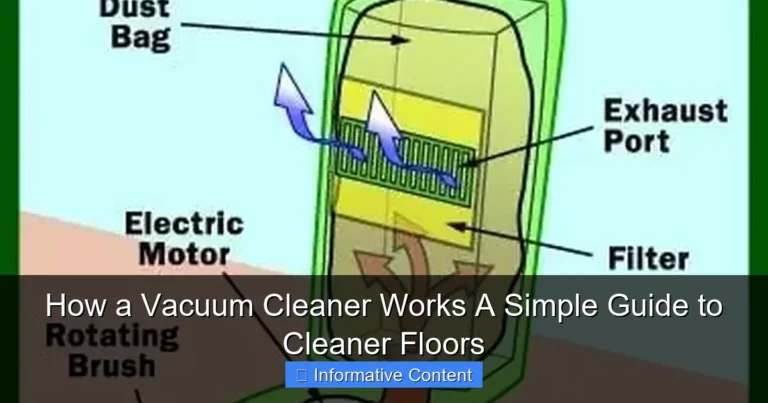
Simply put, a vacuum cleaner is a device that creates a partial vacuum to suck up dust and dirt from surfaces. It usually consists of an air pump, a filter, and a collection chamber or bag. The motor powers a fan that pulls air, along with dirt particles, into the machine. The filter then traps the dirt, while clean air is expelled.
Common Types of Vacuum Cleaners
While the mechanics are similar, vacuums are designed for different uses:
- Upright Vacuums: These are common for carpets, with a wide cleaning path and often a rotating brush roll that agitates carpet fibers.
- Canister Vacuums: With a separate canister unit on wheels and a hose with various attachments, these are versatile for both carpets and hard floors, and great for reaching tight spaces.
- Stick Vacuums: Lightweight and slender, these are excellent for quick clean-ups and smaller homes, often converting into handheld units.
- Handheld Vacuums: Compact and portable, perfect for small messes, car interiors, and upholstery.
No matter the type, the principles of how to use a vacuum cleaner remain largely consistent.
Step-by-Step Guide: How to Use a Vacuum Cleaner Properly
Using a vacuum cleaner effectively isn’t just about turning it on and pushing it around. It involves a few key steps to ensure you get the best clean possible and keep your vacuum working well. Let’s break down how to use a vacuum cleaner, step by step.
Step 1: Prepare Your Cleaning Area
Preparation is half the battle! A quick pre-clean can prevent damage to your vacuum and ensure a deeper clean.
- Clear the Clutter: Pick up toys, shoes, loose papers, cords, and anything else that could get sucked into the vacuum or obstruct its path. Small objects can damage the vacuum’s motor or clog the hose.
- Move Furniture (if possible): For a really thorough clean, try to move smaller furniture pieces like chairs and side tables. This allows you to vacuum areas that usually get missed.
- Do a Quick Pre-Sweep/Dust: If you have a lot of large debris like crumbs or pet hair tufts, a quick sweep or even a dry mop can gather them up. Dusting surfaces before vacuuming is also smart, as dust falls to the floor and can then be vacuumed up.
Step 2: Assemble and Check Your Vacuum
Make sure your vacuum is ready for action. This involves a few quick checks.
- Check the Bag/Canister: Is the dust bag full, or is the dustbin almost at its max line? If so, empty it before you start. A full bag or canister reduces suction power, making your vacuuming less effective.
- Inspect the Filters: Many vacuums have filters that need regular cleaning or replacement. Check your vacuum’s manual for specific instructions. A clogged filter also impacts suction.
- Attach Necessary Tools: If you plan to use an extension wand or specific floor head, attach it now. Ensure all connections are secure.
- Adjust Height Setting (for uprights): Most upright vacuums have a height adjustment for different carpet pile lengths. Set it to the appropriate level – usually, a lower setting for short pile carpet and a higher setting for thick pile. For hard floors, the “hard floor” setting or highest setting is typically best to prevent the brush roll from scratching.
Step 3: Power On and Start Vacuuming
Now you’re ready to get to work! This is where you learn the core of how to use a vacuum cleaner.
- Plug It In: Always plug your vacuum into a working outlet. Try to pick an outlet that minimizes how many times you’ll need to replug.
- Turn It On: Most vacuums have a simple on/off switch. Listen for the motor to start up.
- Use Overlapping Strokes: The most effective way to vacuum is to use slow, overlapping passes. Push the vacuum forward, then pull it back over the same path. Overlap each stroke by about half to ensure you don’t miss any spots.
- Don’t Rush: Moving too fast doesn’t give the vacuum enough time to pick up all the dirt. A slow, steady pace allows the suction and brush roll (if applicable) to do their job thoroughly.
- Work from Farthest to Nearest: Start vacuuming in the corner farthest from the door or exit, and work your way towards it. This prevents you from stepping on freshly vacuumed areas.
Step 4: Master Different Cleaning Surfaces
The way you vacuum might change slightly depending on what you’re cleaning.
Vacuuming Carpets and Rugs
- Use the Brush Roll: For most carpets, engage the brush roll (beater bar). This agitates the carpet fibers, loosening embedded dirt, dust, and pet hair.
- Adjust Height: As mentioned, set the vacuum height appropriately. If it’s too low, it’s hard to push; too high, and it won’t clean effectively.
- Multiple Directions: For a really deep clean, vacuum in one direction (e.g., north-south), then do a second pass in a perpendicular direction (east-west).
Vacuuming Hard Floors (Hardwood, Tile, Laminate)
- Turn Off Brush Roll: If your vacuum has a brush roll, turn it off for hard floors. Spinning bristles can scratch delicate surfaces or scatter debris rather than pick it up. Many upright vacuums have a “hard floor” setting that disengages the brush.
- Use Hard Floor Attachments: Canister and stick vacuums often come with specific hard floor attachments (like a bare floor tool or felt-bottomed head) that are gentler and more effective.
- Light Strokes: Move steadily, making sure to pick up all loose particles.
Step 5: Utilize Attachments Effectively
Vacuum attachments aren’t just for show; they’re essential tools for a comprehensive clean.
| Attachment | Common Use |
|---|---|
| Crevice Tool | Getting into tight corners, along baseboards, between couch cushions, and other narrow spaces. |
| Dusting Brush | Gently cleaning blinds, lampshades, bookshelves, delicate furniture, and window sills without scratching. |
| Upholstery Tool | Ideal for cleaning sofas, chairs, mattresses, and car interiors. Some have lint strips to grab pet hair. |
| Extension Wand | Extends your reach to clean ceilings, high shelves, cobwebs, or behind heavy furniture. |
| Pet Hair Tool (Turbo Brush) | A smaller, air-powered brush ideal for removing stubborn pet hair from upholstery and stairs. |
Don’t be shy about switching attachments. They make a huge difference in cleaning efficiency and thoroughness.
Step 6: Emptying and Maintaining Your Vacuum
Your vacuum works best when it’s clean! This final step is crucial for its longevity and performance.
- Empty Regularly: For bagless vacuums, empty the dustbin after every few uses, or when it reaches the “full” line. For bagged vacuums, replace the bag when it’s about two-thirds full to maintain optimal suction.
- Clean Filters: Check your manual for how often to clean or replace filters. Some are washable, while others need to be replaced periodically. Clean filters are vital for strong suction and preventing allergens from being recirculated.
- Check for Clogs: If suction seems weak, check the hose, brush roll, and attachments for clogs. Clear any blockages carefully.
- Clean Brush Roll: Hair and threads often get wrapped around the brush roll. Use scissors to carefully cut and remove these obstructions. This helps the brush rotate freely and agitate carpet fibers properly.
- Wipe Down the Exterior: A quick wipe with a damp cloth keeps your vacuum looking good and prevents dust from accumulating on its surface.
Why Proper Vacuuming Matters
You might think a quick pass is good enough, but understanding why proper vacuuming is important can motivate you to do it right. It’s not just about appearances.
- Improved Air Quality: Dust, pollen, pet dander, and other allergens settle on floors and carpets. Proper vacuuming removes these, leading to cleaner air and fewer allergy symptoms.
- Extends Carpet Life: Dirt and grit can act like tiny knives, cutting and wearing down carpet fibers over time. Regular and thorough vacuuming removes these abrasive particles, helping your carpets last longer.
- Hygienic Environment: Vacuuming removes food crumbs, dirt, and pet messes that can attract pests or harbor bacteria. A clean floor contributes to an overall healthier home.
- Better Appearance: Naturally, a well-vacuumed floor looks much better. Carpets regain their fluff, and hard floors shine, making your entire home feel more inviting.
So, when you learn how to use a vacuum cleaner effectively, you’re not just cleaning; you’re investing in your home’s health and longevity.
How Does a Vacuum Cleaner Work?
At its core, a vacuum cleaner creates suction using a motor and a fan. Here’s a simplified breakdown of how a vacuum cleaner works:
- Motor and Fan: An electric motor spins a fan at high speed.
- Pressure Difference: This spinning fan creates a low-pressure area inside the vacuum cleaner and a higher-pressure area outside.
- Suction: Air, along with dirt and debris, is pushed from the higher-pressure outside area into the lower-pressure vacuum chamber through the nozzle or hose.
- Filtration: As the dirty air enters, it passes through filters. These filters trap the dust, dirt, and allergens, preventing them from being expelled back into the room.
- Collection: The trapped debris is collected in a dustbag or a bagless canister.
- Clean Air Expulsion: After passing through the filters, the cleaner air is then exhausted back into the room.
Some vacuums also use a brush roll, especially for carpets. This rotating brush agitates carpet fibers, lifting dirt closer to the surface so the suction can pick it up more easily.
Benefits of Using Your Vacuum Cleaner Correctly
Knowing how to use a vacuum cleaner properly brings several noticeable advantages:
- Deeper Clean: You’ll remove more embedded dirt and allergens, leading to a genuinely cleaner space, not just a surface-level improvement.
- Extended Lifespan for Your Vacuum: Proper use, including regular emptying and filter cleaning, prevents clogs and strain on the motor, helping your vacuum last longer.
- Improved Efficiency: When you use the right settings and attachments, you clean faster and more effectively, saving time and effort.
- Fewer Repairs: By avoiding common mistakes like vacuuming up large objects, you reduce the likelihood of costly repairs.
- Healthier Home Environment: Significantly reduce airborne allergens and irritants, contributing to better respiratory health for everyone in your household.
Common Mistakes to Avoid When Vacuuming
Even with good intentions, it’s easy to fall into habits that make vacuuming less effective or even damage your machine. Here are some common pitfalls to avoid when learning how to use a vacuum cleaner:
- Vacuuming Too Fast: As mentioned, rushing doesn’t allow enough time for the suction and brush roll to pick up debris effectively. Take your time!
- Not Emptying the Dustbin/Bag: A full bag or canister drastically reduces suction power, making your vacuum work harder and clean less.
- Ignoring Filters: Clogged filters restrict airflow, causing your vacuum to lose suction and potentially overheat.
- Not Using Attachments: Relying only on the main floor head means missing out on a huge portion of your home that needs cleaning, like corners, upholstery, and stairs.
- Vacuuming Wet Spills: Most household vacuums are designed for dry pick-up only. Vacuuming liquids can severely damage the motor and cause an electrical hazard. (Unless you have a specific wet/dry shop vac).
- Forgetting to Adjust Height: Using the wrong height setting, especially on an upright vacuum, can make cleaning less effective on carpets and potentially scratch hard floors.
- Vacuuming Over Cords or Small Objects: This is a quick way to damage your vacuum, break an object, or create a safety hazard. Always clear the area first.
- Not Cleaning the Brush Roll: Hair and debris wrapped around the brush roll prevent it from spinning freely, reducing its ability to agitate carpet fibers.
Practical Tips for Effective Vacuuming
Now that you know the steps and common mistakes, here are some extra tips to help you master how to use a vacuum cleaner like a pro:
- Work in Sections: Instead of tackling the whole house at once, focus on one room or area at a time. This makes the task less daunting and ensures thoroughness.
- Develop a Pattern: Create a systematic pattern for vacuuming. For example, start along the edges of a room with the crevice tool, then move to the open floor in overlapping rows.
- Vacuum High-Traffic Areas More Often: Hallways, entryways, and living rooms see more foot traffic, so they’ll need more frequent vacuuming than a guest bedroom, for example.
- Clean Under Furniture Regularly: Even if you can’t move heavy furniture every time, try to do it occasionally to prevent dust bunnies from accumulating.
- Spot Clean Between Full Vacuums: For small spills or pet messes, use a handheld vacuum or your main vacuum’s hose and attachments for quick spot cleaning.
- Regular Filter Maintenance: Make a note on your calendar to check and clean or replace filters according to your vacuum’s recommendations. This small task makes a big difference.
- Store Your Vacuum Properly: Keep your vacuum in a dry, clean place. Ensure cords are neatly wrapped to prevent tripping hazards and damage.
Frequently Asked Questions (FAQ)
What is the best way to vacuum floors?
The best way to vacuum floors involves preparing the area, using slow, overlapping strokes, and adjusting your vacuum for the specific surface (e.g., turning off the brush roll for hard floors). Working from the farthest point of the room towards the exit ensures you don’t walk over freshly cleaned areas.
How often should I vacuum my home?
The frequency depends on several factors like foot traffic, pets, and allergies. Generally, high-traffic areas and homes with pets or allergy sufferers benefit from daily or every-other-day vacuuming. Less-used areas might only need vacuuming once a week or bi-weekly. It’s about finding a rhythm that keeps your home comfortably clean.
Can I vacuum up liquids?
No, generally not. Most standard household vacuum cleaners are designed exclusively for dry pick-up. Attempting to vacuum liquids can severely damage the motor, void your warranty, and create a serious electrical shock hazard. Only specialized wet/dry vacuums are designed to safely handle liquids.
What are the basic components of a vacuum cleaner?
The basic components of most vacuum cleaners include a motor, a fan (impeller), a filtration system (bag or bagless canister with filters), a nozzle or cleaning head, and a power source (cord or battery). Many also feature various attachments and an extension hose for versatile cleaning.
How do I know when to empty my vacuum cleaner?
For bagless vacuums, most have a clear dustbin with a “max fill” line; empty it when dirt reaches this line or after every few uses. For bagged vacuums, replace the bag when it feels firm or is about two-thirds full. Don’t wait until it’s completely packed, as this significantly reduces suction and makes the motor work harder.
Conclusion
Learning how to use a vacuum cleaner effectively is a simple skill that yields big rewards for your home’s cleanliness and your vacuum’s lifespan. By taking the time to prepare your space, understand your machine, and employ proper techniques, you can transform a routine chore into an efficient and satisfying process.
Remember, it’s all about thoughtful preparation, careful execution with the right tools, and consistent maintenance. Embrace these tips, and you’ll find that keeping your home tidy becomes a much easier and more effective task. Happy vacuuming!