How Much is a Shark Vacuum Cleaner: Understanding the Factors of Design and Technology
A Shark vacuum cleaner’s “worth” or market position isn’t a single number but varies widely based on its model type, integrated features, and the technology it employs. This includes distinctions like upright, cordless, robot, or handheld designs, as well as innovations like DuoClean brushrolls, anti-allergen seals, and intelligent navigation systems, all contributing to its overall complexity and specific utility for different cleaning needs.
Ever wondered why there’s such a variety in Shark vacuum cleaners and what makes each one distinct? This article dives deep into the engineering, features, and technological innovations that define different Shark models. We’ll explore the factors that shape their design and functionality, helping you understand the unique attributes behind each vacuum without focusing on monetary value.
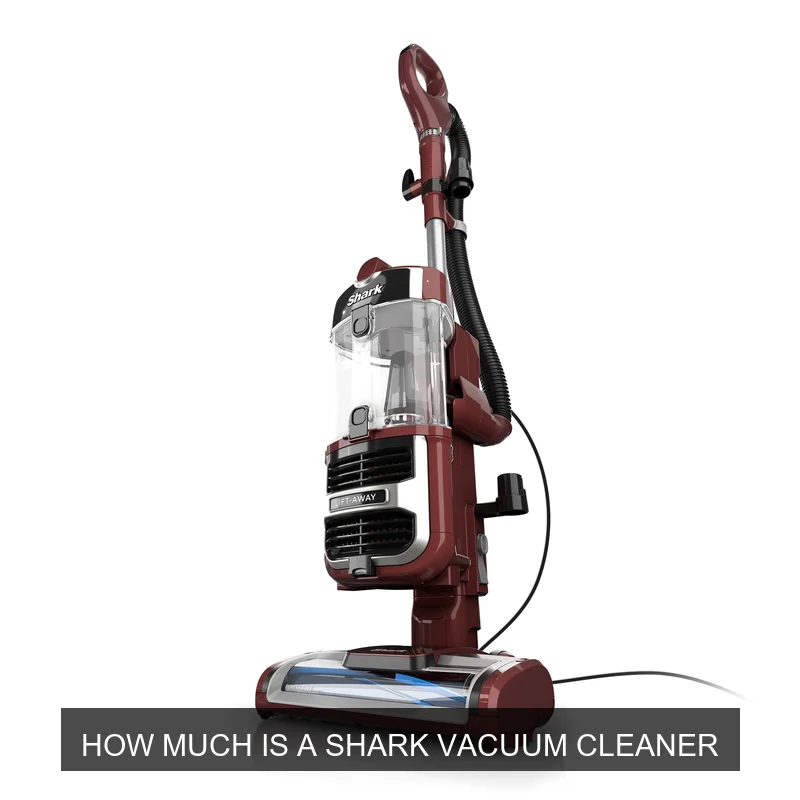
Image source: Walmartimages
📋 Table of Contents
- 🔹 Introduction: Decoding the Shark Vacuum Spectrum
- 🔹 Understanding the “Worth” of a Shark Vacuum Cleaner
- 🔹 The Diverse World of Shark Vacuum Models
- 🔹 Key Features That Influence a Shark Vacuum’s Design
- 🔹 The Engineering and Technology Behind Shark Vacuums
- 🔹 Why Understanding a Shark Vacuum’s Attributes Matters
- 🔹 Common Misconceptions About Vacuum Cleaner Design
- 🔹 Tips for Evaluating a Shark Vacuum’s Design and Engineering
- 🔹 People Also Ask About Shark Vacuum Design
- 🔹 Conclusion: The Evolving Landscape of Shark Vacuum Innovation
Introduction: Decoding the Shark Vacuum Spectrum
You’re probably here because you’re curious about Shark vacuum cleaners and why they come in such a wide array of models and designs. The question “how much is a Shark vacuum cleaner” isn’t just about a simple number; it’s a doorway into understanding the incredible variety of engineering, features, and technology packed into these household appliances. It’s about recognizing that each model represents a unique solution to different cleaning challenges.
Think of it like cars. A compact city car and a heavy-duty truck both get you from point A to point B, but their design, features, and underlying technology are vastly different, making them suitable for entirely different purposes. Shark vacuums are much the same. They all clean, but the way they clean, the environments they excel in, and the innovative features they offer can vary significantly from one model to another.
In this article, we’ll explore the various aspects that contribute to the complexity and unique attributes of Shark vacuum cleaners. We’ll look at the different types, the standout features, and the innovation that defines the brand, all to give you a clearer picture of what makes each Shark vacuum distinct.
Understanding the “Worth” of a Shark Vacuum Cleaner
When someone asks, “how much is a Shark vacuum cleaner,” they’re often trying to gauge its overall value or the level of investment it represents. But this isn’t a straightforward question with a single answer. Instead, it’s about appreciating the engineering effort, the materials used, and the innovative technologies integrated into each model. These elements collectively shape a vacuum’s capabilities and its suitability for specific tasks.
Consider the journey a vacuum takes from concept to your home. It involves extensive research and development, where engineers design and refine every component. There are decisions about motor power, filtration systems, brushroll types, battery technology, and even the ergonomics of the handle. All these choices contribute to the final product’s complexity and its ability to deliver effective cleaning performance. So, when we talk about “how much,” we’re really talking about the sum of these intelligent design and manufacturing choices.
The Diverse World of Shark Vacuum Models
Shark offers a wide range of vacuum cleaner types, each designed with specific purposes and user needs in mind. Understanding these categories is the first step in appreciating the different levels of engineering involved.
- Upright Vacuums: These are often traditional, powerful machines, designed for deep cleaning across various floor types. Their robust design typically includes large dustbins and strong motors. Many offer advanced features like swivel steering and Lift-Away technology, which allows the canister to detach for portable cleaning.
- Cordless Stick Vacuums: Built for convenience and quick clean-ups, these models prioritize lightweight design and maneuverability. The engineering challenge here lies in balancing suction power with battery life and a compact form factor. They often come with versatile attachments for different surfaces.
- Robot Vacuums: These autonomous cleaners represent a significant leap in technology, featuring intelligent navigation, mapping capabilities, and app control. The complexity involves sophisticated sensors, algorithms for path planning, and often self-emptying bases.
- Handheld Vacuums: Compact and portable, handhelds are designed for small messes, upholstery, and car interiors. Their design focuses on portability, powerful suction in a small footprint, and quick charging.
Each of these categories requires unique design principles and component choices, directly influencing the vacuum’s functionality and its overall market positioning. For example, a robot vacuum involves complex software and hardware integration that an upright model might not, while a cordless stick vacuum prioritizes advanced battery management.
Key Features That Influence a Shark Vacuum’s Design
Beyond the basic model type, a Shark vacuum’s distinctiveness often comes from its innovative features. These aren’t just add-ons; they are integrated technologies that enhance performance, usability, and durability. Here are a few examples:
DuoClean Technology
This feature combines two brushrolls in one head – a soft front brushroll to pull in large particles and directly engage floors, and a bristle brushroll to deep clean carpets. The engineering here focuses on optimizing performance across both hard floors and carpets without needing to switch heads, which adds to the mechanical complexity of the nozzle.
Anti-Allergen Complete Seal Technology
Vacuums with this technology, combined with a HEPA filter, are designed to capture 99.9% of dust and allergens inside the vacuum, preventing them from being released back into the air. This requires precise sealing throughout the vacuum’s construction and a high-efficiency filtration system, emphasizing meticulous design and component quality.
Self-Cleaning Brushroll
One common annoyance for vacuum users is hair wrap. Shark’s self-cleaning brushroll is engineered to actively remove hair from the brushroll as it cleans, feeding it directly into the dust cup. This innovative mechanism solves a practical problem and reflects advanced design in the brushroll’s structure and materials.
Lift-Away Feature
Found in many upright models, Lift-Away allows the canister to detach from the main vacuum body, turning an upright into a portable canister vacuum. This modular design offers incredible versatility, allowing users to clean stairs, upholstery, or ceilings with ease. It requires robust locking mechanisms and flexible hose designs that maintain suction.
IQ Navigation and Home Mapping
For robot vacuums, these features involve sophisticated sensors and software algorithms that allow the robot to learn the layout of your home, navigate efficiently, and avoid obstacles. The development of such intelligent systems is a significant technological undertaking, making these robots highly advanced cleaning tools.
These features are not merely marketing terms; they represent significant engineering investments that aim to improve the cleaning experience and solve common household challenges. Each added feature contributes to the vacuum’s sophisticated design and functional capabilities.
The Engineering and Technology Behind Shark Vacuums
The journey of a Shark vacuum cleaner from concept to a functional device is a testament to modern engineering and manufacturing. It involves several critical stages and considerations:
- Research & Development: Engineers spend countless hours designing prototypes, testing new materials, and experimenting with motor efficiency, airflow dynamics, and battery longevity. This phase is crucial for innovation.
- Material Selection: The choice of plastics, metals, and filtration media significantly impacts a vacuum’s durability, weight, and performance. High-quality, robust materials ensure the vacuum can withstand daily use.
- Motor and Suction Technology: The heart of any vacuum is its motor. Shark invests in developing powerful, efficient motors that deliver strong suction while often striving for quieter operation. Advanced airflow paths are designed to maximize cleaning effectiveness.
- Battery Innovation (for cordless models): For stick and robot vacuums, battery technology is paramount. This includes not just the capacity but also the charging speed, overall lifespan, and integrated power management systems.
- Quality Control: Throughout the manufacturing process, strict quality control measures ensure that each component meets specific standards and that the final assembled product performs as intended.
These underlying processes and technologies are what truly define the capabilities and reliability of a Shark vacuum cleaner. The complexity of these systems is a direct reflection of the thought and expertise poured into each design.
Why Understanding a Shark Vacuum’s Attributes Matters
Understanding the design choices and technological attributes of a Shark vacuum cleaner is incredibly important for several reasons:
- Matching Needs to Design: Different homes have different cleaning demands. A small apartment might benefit from a lightweight stick vacuum, while a large house with pets might require a powerful upright with advanced filtration. Knowing the features helps you understand which design is best suited for your specific environment.
- Appreciating Innovation: By learning about features like DuoClean or Anti-Allergen Seal, you gain an appreciation for the innovative solutions engineers have developed to make cleaning more effective and easier.
- Long-Term Utility: A vacuum cleaner isn’t just a purchase; it’s an investment in maintaining your home. Understanding its construction and capabilities helps you anticipate its performance and durability over time, ensuring it remains a useful tool for years to come.
- Informed Decision-Making: Without understanding the underlying factors, all vacuums might seem similar. But by breaking down the design, you can make more informed choices, recognizing why one model might be engineered differently or offer distinct advantages for your particular situation.
It helps us move beyond a superficial understanding to a deeper appreciation of home appliance technology.
Common Misconceptions About Vacuum Cleaner Design
When discussing vacuum cleaners, it’s easy to fall into certain traps of thinking. Let’s clear up some common misconceptions:
Misconception 1: “All Vacuums Clean the Same Way”
Reality: While all vacuums remove dirt, the method and effectiveness vary dramatically. Some excel on hard floors, others on deep pile carpets. Features like different brushrolls, specialized nozzles, or varying suction paths are designed for distinct cleaning challenges. A robot vacuum’s systematic approach is vastly different from a handheld’s targeted spot cleaning.
Misconception 2: “More Features Always Mean Better Performance”
Reality: More features often mean more specialized capabilities, but “better” is subjective. A vacuum with sophisticated smart mapping might be overkill for a single room, while a simpler, powerful upright might be more effective for heavily soiled carpets. The best design is one that perfectly matches your specific needs, not necessarily one with the most bells and whistles.
Misconception 3: “A Vacuum’s Physical Size Dictates its Power”
Reality: Modern engineering allows for powerful motors and efficient airflow systems to be packed into increasingly compact designs. Cordless stick vacuums, for instance, are much smaller than traditional uprights but can still offer impressive suction thanks to advancements in motor and battery technology.
Understanding these points helps clarify that the “worth” of a Shark vacuum isn’t just about its raw specifications, but about how its design and features align with practical, everyday use.
Tips for Evaluating a Shark Vacuum’s Design and Engineering
Since we’re focusing on understanding the inherent design and technological aspects rather than monetary values, here are some tips for evaluating a Shark vacuum cleaner:
- Identify Your Primary Cleaning Needs: Do you have pets? Mostly hard floors or carpets? A large home or a small apartment? Your specific needs should guide your evaluation of the vacuum’s design.
- Research Specific Features: Dive into what features like “DuoClean,” “Anti-Allergen Seal,” or “Lift-Away” actually do. Understand the engineering behind them and how they benefit cleaning.
- Consider Versatility: Some designs are inherently more versatile than others. A 2-in-1 upright with Lift-Away, for example, offers more cleaning options than a single-purpose handheld.
- Look at Power Source and Runtime: For cordless models, evaluate the battery technology, expected runtime, and charging considerations. How does the design balance power with endurance?
- Assess Filtration Systems: If allergies are a concern, investigate the vacuum’s filtration system. Does it include a HEPA filter and a sealed system to trap allergens effectively?
- Examine Ergonomics and Maneuverability: Consider how easily the vacuum is likely to move, turn, and be handled. Features like swivel steering or a lightweight design can significantly impact user experience.
By focusing on these aspects, you can appreciate the thoughtful engineering that goes into each Shark vacuum and determine which design best suits your lifestyle.
| Factor Influencing Design Complexity | How it Impacts the Vacuum’s Engineering |
|---|---|
| Vacuum Type (Upright, Stick, Robot, Handheld) | Dictates the core mechanical structure, power source, and primary use case. Each type has unique engineering challenges (e.g., battery for stick, navigation for robot). |
| Motor Technology | Influences suction power, efficiency, noise level, and longevity. More advanced motors (e.g., brushless) contribute to sophisticated performance. |
| Brushroll System (e.g., DuoClean, Self-Cleaning) | Determines effectiveness on different floor types and resistance to hair tangles. Dual brushrolls or specialized mechanisms add to design complexity. |
| Filtration System (e.g., HEPA, Anti-Allergen Seal) | Involves precise sealing throughout the vacuum and multi-stage filters to trap allergens, impacting internal airflow design and material choices. |
| Smart Features (e.g., IQ Navigation, App Control) | Requires integration of sensors, microprocessors, software, and connectivity modules, adding layers of electronic and programming complexity. |
| Battery Technology (for cordless models) | Crucial for runtime, power output, charging speed, and overall battery lifespan, impacting material costs and power management systems. |
| Modular Design (e.g., Lift-Away) | Allows for multiple configurations, requiring robust interlocking mechanisms, flexible hoses, and carefully designed component separation. |
People Also Ask About Shark Vacuum Design
Here are some common questions people often have about the design and engineering of Shark vacuum cleaners:
What factors influence the design of a Shark vacuum cleaner?
Many factors shape a Shark vacuum’s design, including its intended use (e.g., pet hair, hard floors), desired features (like cordless convenience or allergen filtration), motor power requirements, battery technology for portable models, and ergonomic considerations for user comfort and maneuverability. Engineers balance these elements to create a functional and effective cleaning tool.
Why are there so many different types of Shark vacuums?
Shark develops various vacuum types to address the diverse needs of different households and cleaning scenarios. An upright vacuum is designed for powerful whole-house cleaning, while a stick vacuum prioritizes agility and quick clean-ups. Robot vacuums offer autonomous cleaning, and handhelds target specific, small messes. This specialization ensures there’s a design optimized for almost any cleaning challenge.
How do advanced features impact a vacuum cleaner’s complexity?
Advanced features significantly increase a vacuum cleaner’s complexity by requiring additional components, intricate mechanical designs, and often sophisticated electronic integration. For example, a self-cleaning brushroll involves specialized mechanisms to prevent hair wrap, while smart navigation systems in robot vacuums rely on an array of sensors and complex algorithms. Each innovative feature represents a substantial investment in research and development.
Is a Shark vacuum a significant investment for a household?
Considering the research, development, materials, and technology integrated into Shark vacuums, they represent a notable investment in a household’s cleaning arsenal. They are designed to offer long-term utility, effective performance, and often specialized solutions for common cleaning problems, making them a valuable tool for maintaining a clean home.
What does “how much is a Shark vacuum cleaner” truly mean in terms of engineering?
In terms of engineering, “how much is a Shark vacuum cleaner” translates to understanding the aggregate design choices, technological integrations, and material selections that determine its capabilities. It’s about evaluating the level of innovation, the quality of components, and the functional value delivered by its specialized features and overall construction. It reflects the sum of its expertly crafted parts and intellectual property.
Conclusion: The Evolving Landscape of Shark Vacuum Innovation
As we’ve explored, the question “how much is a Shark vacuum cleaner” goes far beyond a simple number. It really opens up a conversation about the incredible engineering, diverse features, and thoughtful design that go into these cleaning machines. From the powerful motors to the clever brushroll systems and intelligent navigation, each Shark vacuum is a testament to innovation aimed at making home cleaning more effective and easier.
Understanding the different models and their unique attributes helps us appreciate the choices available. Whether it’s the sheer power of an upright, the nimble convenience of a cordless stick, or the autonomous efficiency of a robot, each design serves a specific purpose. By focusing on these underlying factors of design and technology, we can gain a much clearer picture of what makes a Shark vacuum cleaner truly distinct and how it aligns with modern household needs.
Ultimately, a Shark vacuum is an example of continuous product development, constantly evolving to meet the demands of contemporary living. It’s a reflection of how innovation transforms everyday tasks into more streamlined and efficient experiences.