Dyson Vacuum Cleaner How to Clean Filter: The Ultimate Guide
Learning how to clean your Dyson vacuum cleaner filter is a simple yet essential maintenance task that dramatically improves suction power and extends your machine’s life. This comprehensive guide walks you through the straightforward steps for cleaning washable Dyson filters, highlights critical drying procedures, and covers crucial tips to ensure your vacuum performs its best.
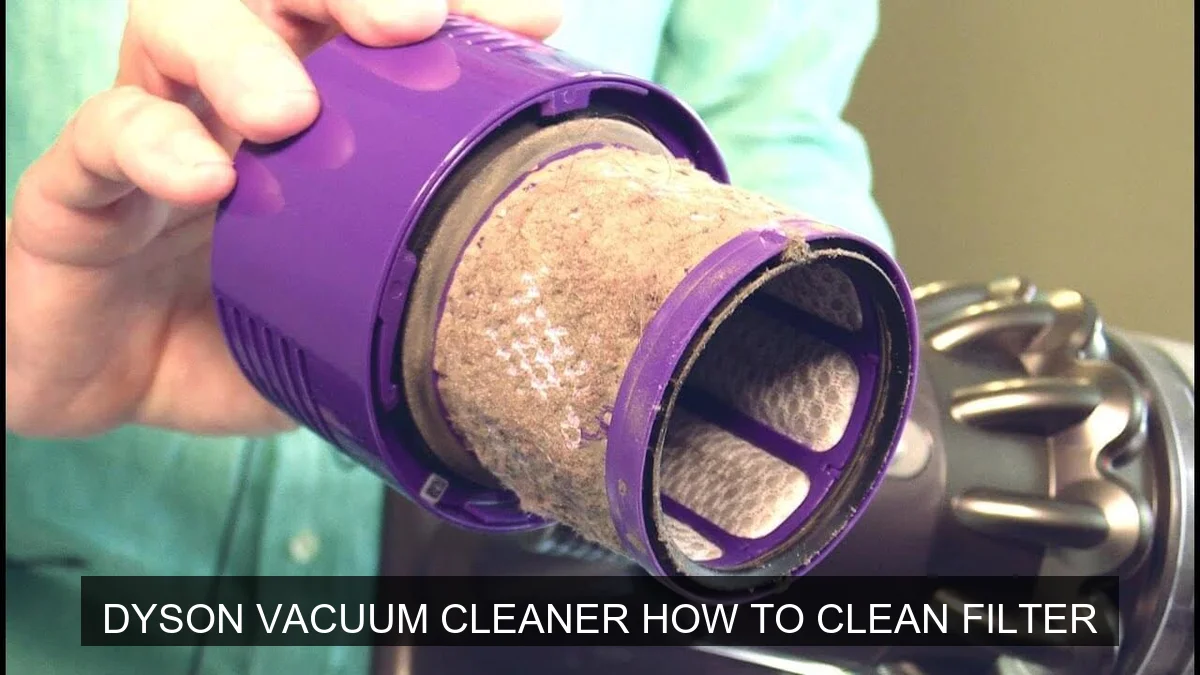
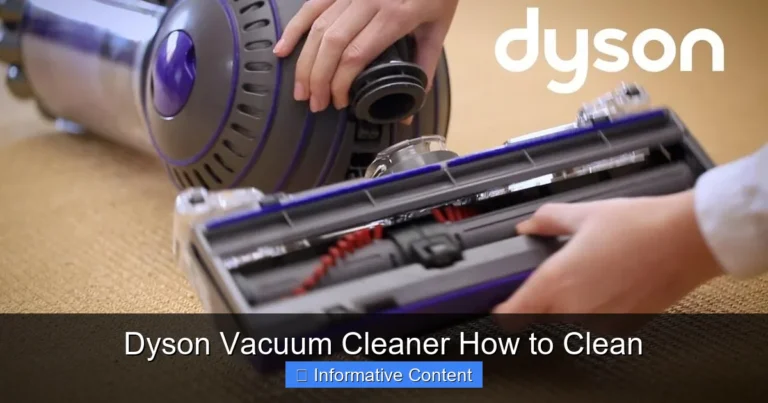
Image source: Cleanerstalk
To clean a washable Dyson vacuum cleaner filter, first, remove it from the vacuum. Rinse it under cold running water, gently squeezing out dirt and water until the water runs clear. Absolutely do not use detergent or hot water. After rinsing, shake off excess water and allow the filter to air dry completely for at least 24 hours in a warm, dry place before reinserting it into your vacuum.
📋 Table of Contents
- 🔹 Introduction to Dyson Filter Cleaning
- 🔹 What Does Cleaning Your Dyson Vacuum Filter Involve?
- 🔹 Why Cleaning Your Dyson Filter Matters for Performance and Longevity
- 🔹 Identifying Your Dyson Filter Type: Washable vs. Non-Washable
- 🔹 Step-by-Step Guide: How to Clean a Washable Dyson Vacuum Cleaner Filter
- 🔹 When Should You Clean Your Dyson Vacuum Cleaner Filter?
- 🔹 Common Mistakes to Avoid When Cleaning Your Dyson Filter
- 🔹 The Unseen Benefits of a Regularly Cleaned Filter
- 🔹 Practical Tips for Ongoing Filter Maintenance
- 🔹 Frequently Asked Questions (FAQ)
- 🔹 Conclusion
Introduction to Dyson Filter Cleaning
Dyson vacuum cleaners are known for their strong suction and innovative technology. But even the best vacuum needs a little TLC to keep working its magic. One of the simplest, yet most impactful, maintenance tasks you can do is to regularly clean the filter. If you’re wondering “dyson vacuum cleaner how to clean filter,” you’ve come to the right place. Keeping your filter clean isn’t just about maintaining suction; it’s about prolonging the life of your machine and ensuring it continues to capture dust and allergens effectively.
Think of your Dyson’s filter as its lungs. Just like your lungs need clean air to function properly, your vacuum’s filter needs to be clear of blockages to allow air to flow freely and maintain powerful suction. A clogged filter can lead to reduced performance, overheating, and even premature wear and tear on the motor. This guide will take you through everything you need to know, making the process straightforward and easy to understand.
What Does Cleaning Your Dyson Vacuum Filter Involve?
Cleaning a Dyson vacuum cleaner filter primarily involves rinsing it with water to remove accumulated dust, dirt, and microscopic particles. Most Dyson models feature washable filters, typically made of pleated material designed to trap fine debris. Over time, these filters become saturated with dust, restricting airflow and causing the vacuum to work harder, which reduces its efficiency.
The cleaning process for these washable filters is specifically designed to be simple and chemical-free. It focuses on using cold water and gentle squeezing to dislodge trapped dirt, followed by an extensive air-drying period. This method ensures the filter’s integrity is maintained and prevents damage that could compromise its filtering capabilities.
Why Cleaning Your Dyson Filter Matters for Performance and Longevity
Understanding why you need to clean your Dyson vacuum cleaner filter is key to appreciating its importance. It’s not just a suggestion; it’s a vital part of your vacuum’s upkeep, offering several significant benefits:
- Maintains Optimal Suction Power: This is arguably the biggest benefit. A clean filter allows air to flow freely through the vacuum, which is essential for strong suction. When the filter is clogged, airflow is restricted, causing a noticeable drop in cleaning performance.
- Extends Vacuum Lifespan: A dirty filter forces your vacuum’s motor to work much harder to compensate for reduced airflow. This increased strain can lead to overheating and premature wear, shortening the overall life of your Dyson machine. Regular cleaning helps reduce this strain.
- Ensures Better Air Quality: Dyson filters are designed to capture microscopic particles, including allergens and pet dander. A clean filter efficiently traps these pollutants, preventing them from being released back into your home’s air during vacuuming. A clogged filter might not filter as effectively.
- Prevents Overheating: Restricted airflow due to a dirty filter can cause the motor to overheat. Many Dyson models have safety features that will automatically shut down the machine if it gets too hot, which can be frustrating during a cleaning session.
- Saves Money: By maintaining your filter, you can extend its life and reduce the need for frequent replacements. More importantly, you avoid costly repairs that might arise from an overworked motor.
So, is dyson vacuum cleaner how to clean filter necessary? Absolutely. It’s a small effort for a significant return in terms of performance, longevity, and even the air quality in your home.
Identifying Your Dyson Filter Type: Washable vs. Non-Washable
Before you start cleaning, it’s really important to know what kind of filter your specific Dyson model has. Most newer Dyson vacuums feature a washable filter, but some older models or specific designs might have non-washable filters. Always check your vacuum’s manual or look for clear markings on the filter itself.
- Washable Filters: These are often found in Dyson’s stick vacuums (like the V-series) and many upright models. They are usually brightly colored (purple, blue, yellow) and might have a “washable” symbol or instructions printed directly on them. These are the filters you’ll be cleaning with water.
- Non-Washable Filters: Some filters, especially those with activated carbon or specific HEPA media that can degrade with water, are not designed to be washed. These filters typically need to be replaced periodically. If your filter isn’t marked as washable, or if your manual doesn’t explicitly state it can be washed, assume it’s non-washable and opt for replacement or very gentle tapping to remove loose dust. Attempting to wash a non-washable filter can damage it and your vacuum.
Step-by-Step Guide: How to Clean a Washable Dyson Vacuum Cleaner Filter
Cleaning a washable Dyson filter is pretty simple once you know the steps. Just follow these instructions carefully for the best results:
Step 1: Prepare Your Vacuum
Safety first! Before doing anything, make sure your Dyson vacuum cleaner is completely switched off and unplugged from the wall socket. This prevents any accidental activation while you’re working with it.
Step 2: Locate and Remove the Filter
Dyson filters are usually easy to find. On stick vacuums (like the V-series), the filter is often located at the very top of the main unit, requiring a simple twist or pull to release. For upright or canister models, it might be in the cyclone assembly or a dedicated filter housing. Refer to your user manual if you’re unsure. Once found, gently twist or pull it out according to your model’s instructions.
Step 3: Rinse the Filter Thoroughly
- Use Cold Water: Take your filter to a sink and hold it under cold running tap water. It’s crucial to only use cold water, as hot water can damage the filter material.
- Rinse Outside First: Start by rinsing the outside of the pleated section of the filter. You’ll see dirty water running off.
- Rinse Inside: Next, turn the filter upside down and fill the open end with water. Place your hand over the open end and shake it vigorously to clean the inside.
- Gently Squeeze and Tap: For pleated filters, gently squeeze the pleated material under the running water. This helps to dislodge trapped dust. You can also lightly tap the filter against the side of the sink to shake out more dirt.
- Repeat Until Clear: Keep rinsing, squeezing, and tapping until the water running off the filter is completely clear. This tells you that all the dirt has been washed away.
Important: Do not use any detergents, soaps, or cleaning agents. These can leave a residue that clogs the filter or damages its materials, making it less effective.
Step 4: Air Dry Completely (This is Critical!)
This step is the most important and often where mistakes are made. Your Dyson filter must be 100% dry before you put it back into the vacuum. Here’s how to do it properly:
- Shake Off Excess Water: After rinsing, give the filter a good few shakes to remove as much excess water as possible.
- Position for Drying: Place the filter in a warm, dry area with good airflow. A windowsill, near a fan, or in an airing cupboard are good options. Do not place it in direct sunlight for extended periods, as this could degrade the material.
- Allow Ample Time: The filter needs at least 24 hours to dry. In humid conditions or if the filter was very dirty, it might take 48 hours or even longer. You might think it looks dry, but moisture can still be trapped deep within the pleats.
- Avoid Heat Sources: Absolutely do not use a tumble dryer, microwave, oven, or direct heat source (like a hairdryer) to speed up the drying process. High heat can melt or damage the filter material, making it useless.
- Check Thoroughly: Before you consider it dry, feel it all over. It should feel completely dry to the touch, light, and almost brittle. Any lingering dampness can lead to mold growth inside your vacuum or damage to the motor.
Step 5: Reinsert the Dry Filter
Once you are absolutely certain the filter is bone-dry, place it back into your Dyson vacuum cleaner. Make sure it clicks securely into place according to your model’s design. Now your Dyson is ready to resume cleaning with full power!
When Should You Clean Your Dyson Vacuum Cleaner Filter?
The frequency of cleaning your Dyson filter depends on a few factors, but a general guideline exists. When should dyson vacuum cleaner how to clean filter be used? Most Dyson models recommend cleaning the filter at least once a month. However, you might need to clean it more often if:
- Frequent Use: If you use your Dyson daily or for extended periods, you’ll accumulate dirt faster.
- Pet Owners: Pet hair and dander can clog filters very quickly. If you have furry friends, consider cleaning your filter every two to three weeks.
- Allergy Sufferers: To maintain optimal air filtration and reduce allergens in your home, more frequent cleaning (e.g., every two weeks) can be beneficial.
- Visible Dirt: If you can see a thick layer of dust and dirt on the filter, it’s definitely time for a clean.
- Reduced Suction: The most obvious sign your filter needs attention is a noticeable drop in your vacuum’s suction power. If it’s not picking up dirt as effectively as it used to, a dirty filter is a likely culprit.
- Unusual Odor: A musty smell coming from your vacuum could indicate a dirty or damp filter.
Many Dyson models also have an indicator light that illuminates when the filter needs cleaning, so always keep an eye on your vacuum’s display.
Common Mistakes to Avoid When Cleaning Your Dyson Filter
While the process of how to clean a Dyson vacuum cleaner filter is simple, there are a few pitfalls that can actually harm your filter or vacuum. Steering clear of these common mistakes will ensure your Dyson stays in top condition:
- Using Hot Water: This is a big no-no. Hot water can damage the delicate filter material, potentially warping it or compromising its ability to filter effectively. Always use cold water.
- Using Soaps or Detergents: Any type of soap, detergent, or cleaning solution can leave a sticky residue on the filter. This residue will attract more dust, clog the filter faster, and can even produce suds when the vacuum is next used, which can damage the motor. Stick to plain cold water.
- Not Drying Completely: This is perhaps the most critical mistake. A damp filter, when put back into the vacuum, can lead to mold and mildew growth, produce unpleasant odors, and, most importantly, cause severe damage to the vacuum’s motor. Moisture and electronics do not mix! Always allow a full 24-48 hours for drying.
- Using Heat to Dry: Microwaves, ovens, hairdryers, or direct sunlight for extended periods can melt, shrink, or otherwise damage the filter’s plastic frame or filtration media. Air drying in a warm, well-ventilated area is the only safe method.
- Ignoring Non-Washable Filters: Attempting to wash a filter that isn’t designed for water can ruin it. Always verify your filter type first. Non-washable filters usually require simple tapping out or replacement.
- Reassembling Too Soon: Putting the filter back while it’s still damp is a recipe for disaster. Be patient and wait until it’s completely dry. If you’re in a hurry, it’s better to clean it when you know you have ample drying time, or consider having a spare, dry filter on hand.
The Unseen Benefits of a Regularly Cleaned Filter
Beyond just improved suction, regularly cleaning your Dyson vacuum cleaner filter offers several less obvious but equally important benefits:
- Optimized Energy Efficiency: When your vacuum’s motor doesn’t have to work as hard against a clogged filter, it operates more efficiently. This can translate to less energy consumption over time, making your cleaning routine a bit more eco-friendly.
- Consistent Performance: You won’t experience those frustrating moments where your vacuum suddenly loses power or struggles to pick up debris. A clean filter ensures a consistent, reliable performance every time you use your Dyson.
- Healthier Home Environment: The advanced filtration in Dyson vacuums is excellent for trapping allergens. By keeping the filter pristine, you’re maximizing its ability to capture pollen, pet dander, and dust mites, contributing to a healthier indoor air quality, especially crucial for allergy and asthma sufferers.
- Reduced Maintenance Costs: While buying a new filter might seem like a small cost, regularly cleaning your existing washable filter extends its life significantly. Moreover, preventing motor strain and damage can save you from much more expensive repairs or even the need to replace your entire vacuum prematurely.
- Quiet Operation: An overworked motor due to a clogged filter can often lead to louder operation. A clean filter allows the motor to run smoothly, potentially resulting in a quieter vacuuming experience.
Practical Tips for Ongoing Filter Maintenance
Knowing how to clean your Dyson vacuum cleaner filter is a great start, but adopting a few practical habits can make maintenance even easier and more effective:
- Set a Reminder: Mark a recurring event on your calendar or phone for filter cleaning. This helps you stick to a regular schedule, perhaps once a month, or more often if you have pets.
- Inspect Regularly: Even between deep cleans, take a quick peek at your filter. If it looks visibly caked with dust, it’s a good indicator that it needs attention sooner rather than later.
- Gentle Handling: When removing, washing, or reinserting the filter, always be gentle. The pleats and plastic frame are designed to be durable but can be damaged by excessive force.
- Know Your Model’s Specifics: While this guide provides general advice, always refer to your specific Dyson model’s user manual. It might have unique instructions for filter removal or cleaning that are crucial for your particular vacuum.
- Keep Your Bin Empty: A full dust bin can also reduce suction and put more strain on your vacuum, indirectly affecting how quickly your filter gets dirty. Empty it frequently.
- Consider a Spare Filter: If you find yourself needing to vacuum frequently and can’t wait 24-48 hours for drying, having a spare, clean, dry filter on hand can be a lifesaver. You can swap them out and clean the dirty one at your convenience.
By integrating these tips into your routine, you’ll ensure your Dyson vacuum remains a high-performing cleaning partner for years to come.
Frequently Asked Questions (FAQ)
Can I put my Dyson filter in the washing machine?
No, you absolutely should not put your Dyson filter in a washing machine. The harsh detergents, hot water, and aggressive tumbling action of a washing machine can severely damage the filter material and its structure, rendering it ineffective or even causing damage to your vacuum.
How long does a Dyson filter take to dry?
A Dyson filter needs at least 24 hours to air dry completely. In humid environments or if the filter was particularly dirty, it can take up to 48 hours or even longer. It must be bone-dry before being reinserted into the vacuum.
What happens if I don’t clean my Dyson filter?
If you don’t clean your Dyson filter regularly, you’ll notice a significant decrease in suction power, your vacuum’s motor will work harder and may overheat, and the machine’s lifespan could be shortened. It can also lead to poorer air quality as the filter’s ability to trap dust and allergens is compromised.
How often should I clean my Dyson filter?
Most Dyson models recommend cleaning the filter once a month. However, if you use your vacuum frequently, have pets, or suffer from allergies, you may need to clean it every two to three weeks to maintain optimal performance.
Do all Dyson vacuums have washable filters?
No, not all Dyson vacuums have washable filters. While many newer models do, some older models or specific designs may have non-washable filters that require replacement or simply tapping out loose dust. Always check your specific model’s user manual or look for “washable” indicators on the filter itself.
Conclusion
Learning how to clean your Dyson vacuum cleaner filter is a simple yet incredibly powerful maintenance task. It’s not just about a quick rinse; it’s about preserving your vacuum’s peak performance, extending its lifespan, and ensuring you maintain a truly clean and healthy home environment. By following the straightforward steps of rinsing with cold water and, most critically, allowing for complete air-drying, you can prevent common issues like reduced suction and motor strain.
Regular filter cleaning, combined with practical maintenance habits, transforms your Dyson from just a vacuum into a consistently powerful and reliable cleaning companion. So, take a few minutes each month to give your filter the attention it needs – your Dyson, and your home, will certainly thank you for it.