How to Operate a Vacuum Cleaner: A Complete Guide
Learning how to operate a vacuum cleaner properly is key to maintaining a truly clean home and extending the life of your appliance. This guide breaks down everything from understanding your vacuum’s parts to executing effective cleaning techniques, ensuring you get the best results every time you vacuum. We’ll cover essential steps, different vacuum types, and practical tips to make your cleaning routine much more efficient.
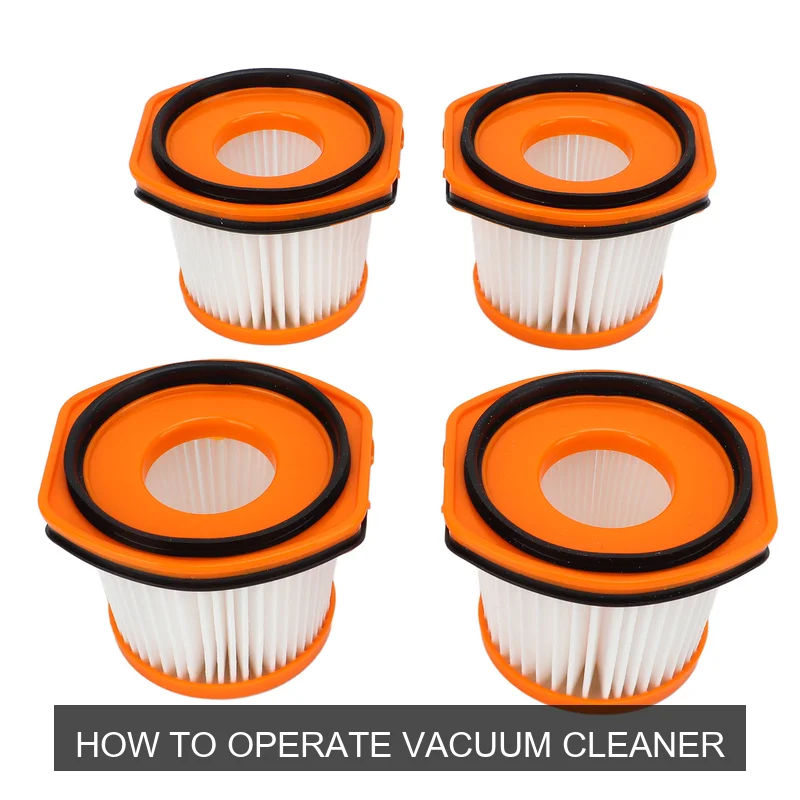
Image source: Walmartimages
📋 Table of Contents
- 🔹 Introduction: Mastering Your Vacuum Cleaner
- 🔹 What is a Vacuum Cleaner and Why Does it Matter?
- 🔹 Understanding Your Vacuum Cleaner: Components and Controls
- 🔹 Step-by-Step Guide: How to Operate Your Vacuum Cleaner Safely and Effectively
- 🔹 Types of Vacuum Cleaners and Their Specific Operation Tips
- 🔹 Benefits of Proper Vacuum Cleaner Operation
- 🔹 Common Mistakes to Avoid When Vacuuming
- 🔹 Maintenance Basics for Optimal Performance
- 🔹 Practical Scenarios: When to Vacuum What
- 🔹 Frequently Asked Questions (FAQ)
- 🔹 Conclusion
Introduction: Mastering Your Vacuum Cleaner
Ever wonder if you’re getting the most out of your vacuum cleaner? Operating a vacuum cleaner might seem straightforward, but there’s actually an art to doing it effectively. Knowing the right way to use your vacuum doesn’t just make your floors cleaner; it also helps your appliance last longer and work more efficiently. This guide is designed to walk you through everything you need to know, from the basics of setup to advanced cleaning tips, so you can confidently tackle any mess.
We’re going to dive deep into how to operate a vacuum cleaner, covering different types, common mistakes to avoid, and essential maintenance. By the end, you’ll be a vacuuming pro, ready to keep your living space spotless with ease.
What is a Vacuum Cleaner and Why Does it Matter?
A vacuum cleaner is an essential household appliance that uses an air pump to create a partial vacuum, sucking up dust and dirt from floors and other surfaces. It typically collects this debris into a dust bag or a cyclonic separator for disposal. Essentially, it’s your go-to tool for removing loose dirt, pet hair, and allergens from your home.
Why is Knowing How to Operate a Vacuum Cleaner Important?
Understanding how to operate a vacuum cleaner correctly is crucial for several reasons:
- Enhanced Cleaning Performance: Proper technique ensures thorough dirt removal, leaving your floors truly clean.
- Appliance Longevity: Correct use prevents unnecessary strain and wear, extending the life of your vacuum.
- Time and Energy Efficiency: Knowing the best methods means you clean faster and with less effort.
- Improved Indoor Air Quality: An effectively operated vacuum captures more dust and allergens, leading to a healthier environment.
- Safety: Following guidelines helps prevent accidents and electrical hazards.
Without knowing the basics, you might just be moving dirt around or even damaging your floors and vacuum, which isn’t what anyone wants!
Understanding Your Vacuum Cleaner: Components and Controls
Before you even plug it in, it helps to know the main parts of your vacuum cleaner. While models vary, most share common elements.
Key Components to Know:
- Power Switch: Turns the vacuum on and off. Sometimes it has different power settings too.
- Power Cord: Supplies electricity. Make sure it’s untangled and fully extended when in use.
- Dust Bin/Bag: Where all the dirt and debris get collected. This needs regular emptying or changing.
- Filters: Trap fine dust and allergens, preventing them from recirculating into the air. They need cleaning or replacing.
- Brush Roll (Beater Bar): A spinning brush, usually found on uprights and power nozzles, that agitates carpet fibers to dislodge dirt. Can often be turned off for hard floors.
- Height Adjustment: A setting that changes the distance between the brush roll and the floor. Crucial for different floor types.
- Hose and Attachments: Flexible hose for reaching tight spots, usually accompanied by tools like a crevice tool, upholstery tool, and dusting brush.
How Does a Vacuum Cleaner Work?
In simple terms, here’s how it generally works:
- An electric motor spins a fan, creating an area of low pressure (a partial vacuum).
- This low pressure sucks in air, along with dirt and debris, through the intake nozzle.
- The air and dirt travel through the hose and into the collection system (bag or bin).
- Filters then capture fine particles, allowing cleaner air to exit the vacuum.
The brush roll, if active, helps by sweeping and beating embedded dirt out of carpets before it’s sucked up.
Step-by-Step Guide: How to Operate Your Vacuum Cleaner Safely and Effectively
Let’s get down to the practical steps for operating your vacuum cleaner like a pro.
Step 1: Prepare Your Area and Vacuum
- Clear the Floor: Before you even plug in, pick up any large objects, toys, or loose cables. These can damage your vacuum or get tangled in the brush roll.
- Check Dust Bin/Bag: Make sure your dust bin isn’t full or that your bag isn’t overflowing. A full container reduces suction power significantly.
- Inspect Filters: Give your filters a quick check. If they look very dirty, clean or replace them according to your vacuum’s manual.
- Untangle Power Cord: Fully extend the power cord to prevent kinks and ensure it reaches your intended cleaning area without needing to unplug and re-plug too often.
Step 2: Plug In and Power On Safely
- Plug In Securely: Insert the plug firmly into a working electrical outlet. Avoid using extension cords unless absolutely necessary, and ensure any extension cord used is rated for the vacuum’s wattage.
- Locate Power Switch: Turn your vacuum on. Some models have a foot switch, while others have a hand switch on the body or handle.
Step 3: Adjust Settings for Your Floor Type
This is a critical step many people miss! Most vacuums have settings for different surfaces.
- For Carpets (High Pile): Set the vacuum to a higher height setting. The brush roll should lightly skim the carpet, not dig in. Ensure the brush roll is engaged to agitate fibers.
- For Carpets (Low Pile): A lower height setting is usually best. The brush roll should still be engaged.
- For Hard Floors (Wood, Tile, Vinyl): Crucially, turn off the brush roll or set the vacuum to a “hard floor” mode. A spinning brush roll can scratch delicate hard floors and also scatter debris instead of collecting it. Set the height to its lowest position without the brush roll touching the floor.
Here’s a simple table to illustrate:
| Floor Type | Height Setting | Brush Roll |
|---|---|---|
| High-Pile Carpet | Higher | On |
| Low-Pile Carpet | Lower | On |
| Hard Floor (Wood, Tile) | Low (but not touching) | Off (or specialized hard floor setting) |
Step 4: Start Vacuuming with Proper Technique
- Slow and Overlapping Strokes: Don’t rush! Move the vacuum slowly back and forth over the area. Overlap each pass by about half the width of the cleaning head to ensure you don’t miss any spots.
- Work in Sections: Tackle one room or one section of a room at a time. Start from the farthest point and work your way towards the exit.
- Consider Traffic Patterns: For carpets, vacuum against the pile first to lift deeply embedded dirt, then with the pile for a smooth, even finish.
- Use Attachments: For edges, corners, stairs, and upholstery, switch to the appropriate attachments. The crevice tool is great for tight spots, and the dusting brush for delicate surfaces.
Step 5: Empty Dust Bin/Change Bag
Once you’ve finished, or if you notice suction decreasing during cleaning, it’s time to deal with the collected dirt.
- Unplug First: Always unplug the vacuum before performing any maintenance.
- Empty Bagless Bins: Unclip the dust bin, carry it over a trash can, and release the bottom flap to empty. Some have a lever.
- Change Bags: If your vacuum uses bags, remove the full bag carefully to avoid dust escaping, and replace it with a new one.
This simple step ensures your vacuum performs optimally every time.
Types of Vacuum Cleaners and Their Specific Operation Tips
While the general principles remain, different vacuum types have unique operating quirks.
Upright Vacuums
These are common for carpets. They usually have a powerful brush roll and adjustable height settings.
- Tip: Great for open carpeted areas. Use attachments for detail work and stairs. Pay attention to height settings.
Canister Vacuums
Canisters have a separate motor unit and a long hose with various nozzles. They’re versatile.
- Tip: Excellent for hard floors, stairs, upholstery, and reaching under furniture. They often have less powerful brush rolls or air-driven ones.
Stick Vacuums (Cordless)
Lightweight and convenient, ideal for quick clean-ups and small spaces.
- Tip: Usually less powerful than corded vacuums. Keep an eye on battery life and empty the small dustbin frequently.
Robot Vacuums
The ultimate in hands-off cleaning, these navigate rooms autonomously.
- Tip: Best for maintaining cleanliness rather than deep cleaning. Clear floors of obstacles before running. Schedule regular cleaning cycles and empty their small bins often.
Handheld Vacuums
Small, portable, and great for spills, car interiors, and quick spot cleaning.
- Tip: Limited battery life and suction, best for small, targeted messes.
Benefits of Proper Vacuum Cleaner Operation
When you operate your vacuum cleaner correctly, you unlock a host of benefits that go beyond just cleaning.
- Deeper Clean: Removing more dirt, dust, and allergens from carpets and hard surfaces.
- Extended Flooring Life: Proper vacuuming prevents abrasive dirt from wearing down carpet fibers and scratching hard floors.
- Healthier Home Environment: Significantly reduces dust mites, pet dander, and other airborne irritants.
- Maintained Vacuum Efficiency: Your vacuum maintains strong suction and performance longer.
- Fewer Repairs: Correct usage reduces strain on the motor, brush roll, and other components, leading to fewer breakdowns.
- Fresher Smell: Eliminates sources of odors trapped in carpets and upholstery.
Common Mistakes to Avoid When Vacuuming
Even seasoned cleaners can fall into bad habits. Here are some pitfalls to steer clear of:
- Not Emptying the Dust Bin/Bag Often Enough: This is a big one! A full bin or bag dramatically reduces suction power and makes your vacuum work harder.
- Vacuuming Too Fast: Rushing over a surface doesn’t give the vacuum enough time to pull up all the dirt. Slow down!
- Ignoring Height Settings: Using the wrong height can either make the vacuum ineffective (too high) or damage the brush roll and floor (too low).
- Forgetting to Turn Off the Brush Roll on Hard Floors: This can scratch floors and just push debris around rather than pick it up.
- Not Using Attachments: Your vacuum comes with tools for a reason! They’re essential for edges, stairs, and furniture.
- Vacuuming Over Large Objects: Loose coins, paper clips, or small toys can damage the vacuum’s motor, hose, or brush roll.
- Neglecting Filters: Clogged filters restrict airflow, reducing suction and potentially overheating the motor.
- Not Checking for Clogs: If suction suddenly drops, check the hose, brush roll, and intake for clogs.
Practical Tip: Think of vacuuming as a “slow dance” with your floors. Take your time, adjust to the surface, and let the machine do its job thoroughly.
Maintenance Basics for Optimal Performance
Operating a vacuum cleaner isn’t just about turning it on and off. Regular, simple maintenance keeps it running like new.
- Empty the Dirt Bin/Change Bag Regularly: After every few uses, or when it’s about 2/3 full.
- Clean or Replace Filters: Follow your manual’s recommendations. Some are washable, others need replacing.
- Check and Clean the Brush Roll: Periodically, unplug the vacuum and flip it over. Use scissors to carefully cut away tangled hair, strings, and fibers from the brush roll.
- Inspect the Hose and Nozzles: Look for clogs or blockages, especially if suction seems weak.
- Wipe Down the Exterior: A quick wipe keeps the vacuum looking good and prevents dust buildup on the casing.
Practical Scenarios: When to Vacuum What
Let’s consider some real-life vacuuming situations.
- Everyday Dust and Debris: For light dirt on hard floors or low-pile carpets, a quick pass with the appropriate height setting and brush roll configuration is usually enough.
- Pet Hair on Carpet: This requires the brush roll engaged and often multiple, slower passes. Consider using a turbo brush attachment for upholstery.
- Hardwood Floors with Fine Dust: Turn the brush roll OFF. Use the lowest height setting or a specialized hard floor tool. A canister or stick vacuum is often ideal here.
- Stairs: Unplug the vacuum from the wall, then use a hose and stair tool or small brush attachment. For safety, avoid dragging a heavy upright vacuum up and down stairs.
- Cobwebs on Ceilings: Use the extension wand and dusting brush attachment. No need to vacuum the floor first if you’re doing ceilings!
Each situation calls for a slightly different approach, showing why understanding your vacuum’s capabilities and your home’s needs is important.
Frequently Asked Questions (FAQ)
What are the basic steps to operate a vacuum cleaner?
The basic steps to operate a vacuum cleaner involve preparing the area, plugging it in safely, adjusting the height and brush roll settings for your floor type, vacuuming slowly in overlapping passes, and then emptying the dustbin or changing the bag when done. Always refer to your vacuum’s specific manual for detailed instructions.
Why is proper vacuum cleaner operation important?
Proper vacuum cleaner operation is important because it ensures thorough cleaning, extends the lifespan of your vacuum cleaner, improves indoor air quality by effectively removing dust and allergens, and prevents damage to both your flooring and the appliance itself. It also makes your cleaning routine more efficient.
How often should I vacuum different surfaces?
Generally, high-traffic areas and homes with pets should be vacuumed 2-3 times a week, or even daily for heavily used spots. Low-traffic areas might only need vacuuming once a week or every two weeks. Hard floors often benefit from daily quick passes to keep dust at bay, while carpets benefit from weekly deep cleans. Adjust based on your household’s activity and dirt levels.
Can I use a vacuum cleaner on wet surfaces?
No, you generally cannot use a standard dry vacuum cleaner on wet surfaces. Doing so can cause electrical shock, damage the motor, and void your warranty. Only specialized wet/dry vacuums are designed to safely pick up liquids. Always check your vacuum’s manual to confirm its capabilities.
What are common safety tips for using a vacuum cleaner?
Common safety tips include: always unplug the vacuum before cleaning it or performing maintenance; avoid vacuuming liquids, large sharp objects, or hot ash; ensure the power cord is not frayed or damaged; don’t yank the cord to unplug it; and keep loose clothing, hair, and jewelry away from moving parts, especially the brush roll.
Conclusion
Operating a vacuum cleaner effectively is a skill that contributes significantly to a cleaner, healthier, and more comfortable home. By understanding the different parts of your vacuum, adjusting settings correctly, using proper techniques, and performing routine maintenance, you can maximize its performance and extend its life. Remember to always clear your path, take your time, and use the right attachments for the job.
With these straightforward tips and a little practice, you’ll master how to operate your vacuum cleaner and achieve fantastic results every time. Happy cleaning!