How to Clean a Dirt Devil Vacuum Cleaner
Keeping your Dirt Devil vacuum clean is a straightforward process that vastly improves its suction and extends its life. This guide will walk you through disassembling, cleaning, and reassembling the key components like the canister, filters, brush roll, and hose, helping you maintain a powerful and efficient cleaning tool. Regular cleaning ensures your vacuum performs its best, making your cleaning tasks easier and more effective.

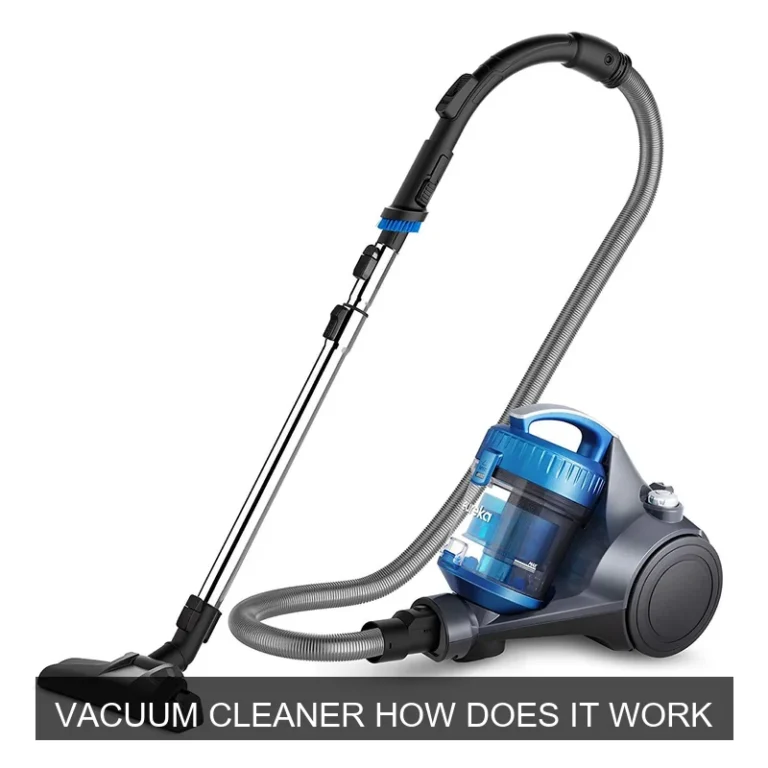
Image source: Bing
📋 Table of Contents
- 🔹 How to Clean a Dirt Devil Vacuum Cleaner
- 🔹 Introduction to Cleaning Your Dirt Devil
- 🔹 What Does it Mean to Clean a Dirt Devil Vacuum Cleaner?
- 🔹 Why Cleaning Your Dirt Devil Vacuum Matters So Much
- 🔹 Before You Start: Safety and Supplies
- 🔹 Step-by-Step Guide: How to Clean Your Dirt Devil Vacuum Cleaner
- 🔹 Common Mistakes to Avoid When Cleaning Your Dirt Devil
- 🔹 Practical Tips for Ongoing Dirt Devil Maintenance
- 🔹 Frequently Asked Questions About Cleaning Dirt Devil Vacuums
- 🔹 Conclusion
How to Clean a Dirt Devil Vacuum Cleaner
To clean a Dirt Devil vacuum cleaner, you typically unplug it first, then empty the dirt canister or replace the bag. Next, remove and clean or replace the filters according to your model’s instructions. Untangle hair and debris from the brush roll, check the hose for clogs, and wipe down the exterior surfaces. Always allow parts to dry completely before reassembling.
Introduction to Cleaning Your Dirt Devil
Hey there! If you’ve got a Dirt Devil vacuum cleaner, you know it’s a trusty helper for keeping your floors tidy. But over time, even the best vacuums start to lose their oomph. That fantastic suction power can dwindle, and you might notice little bits of dirt getting left behind. Often, the culprit isn’t a broken machine, but simply a vacuum that needs a good, thorough cleaning.
Just like any hardworking tool, your Dirt Devil collects all sorts of gunk, hair, and dust deep inside its workings. When these parts get clogged or dirty, the vacuum can’t perform its best. It might even start to smell a little funky! Don’t worry, though. Cleaning your Dirt Devil vacuum cleaner isn’t a complex task, and you absolutely can do it yourself.
This guide is here to walk you through everything you need to know. We’ll cover why cleaning is so important, what tools you’ll need, and a clear, step-by-step process for making your Dirt Devil feel brand new again. By the time you’re done, you’ll have a much more efficient vacuum and a cleaner home. Let’s get started!
What Does it Mean to Clean a Dirt Devil Vacuum Cleaner?
When we talk about how to clean a Dirt Devil vacuum cleaner, we’re not just talking about wiping dust off the outside. It’s a comprehensive process that involves getting into the key areas where dirt and debris accumulate. Think of it as a tune-up for your vacuum. The goal is to remove blockages, clear out trapped dirt, and ensure all components are functioning smoothly.
Specifically, cleaning a Dirt Devil usually involves several steps:
- Emptying the dirt receptacle: This is the most basic step, whether it’s a bagless canister or a traditional bag.
- Washing or dusting filters: Filters trap fine dust and allergens. They can get clogged and restrict airflow.
- Clearing the brush roll: Hair, strings, and carpet fibers often get wrapped around the rotating brush.
- Inspecting and clearing hoses and attachments: Blockages here can severely impact suction.
- Wiping down exterior surfaces: For hygiene and appearance.
Essentially, it’s about restoring your vacuum’s airflow and mechanical function to its optimal state. It makes a big difference!
Why Cleaning Your Dirt Devil Vacuum Matters So Much
You might wonder if cleaning your vacuum is really that big of a deal. The short answer is: yes, it definitely is! Cleaning your Dirt Devil vacuum cleaner regularly isn’t just about making it look nice; it’s crucial for several practical reasons:
- Restores Suction Power: This is probably the biggest benefit. Clogged filters, tangled brush rolls, and blocked hoses dramatically reduce your vacuum’s ability to pick up dirt. A clean vacuum means powerful suction, making your cleaning jobs much quicker and more effective.
- Extends Vacuum Lifespan: When your vacuum is struggling with clogs, its motor has to work harder. This extra strain can lead to overheating and premature wear and tear on internal components. Regular cleaning reduces this stress, helping your Dirt Devil last longer.
- Improves Air Quality: Dirty filters don’t just reduce suction; they also can’t effectively trap fine dust and allergens. Instead, these particles might be released back into your home’s air. Clean filters mean cleaner air, which is especially important for anyone with allergies or asthma.
- Eliminates Odors: Over time, dust, pet hair, food particles, and other debris can get trapped inside your vacuum, leading to unpleasant smells. A thorough cleaning removes these odor sources, leaving your home smelling fresh.
- Saves Time and Effort: A vacuum that works efficiently means you don’t have to go over the same spot multiple times. You’ll finish your cleaning faster and with less effort.
So, you see, taking a little time to clean your Dirt Devil is an investment in both your vacuum’s performance and the cleanliness of your home.
Before You Start: Safety and Supplies
Before you dive into cleaning your Dirt Devil vacuum cleaner, it’s super important to prioritize safety and gather a few basic supplies. Being prepared makes the whole process smoother and safer.
Safety First!
Seriously, this is critical. Always, always, unplug your vacuum cleaner from the wall outlet before you start any cleaning or maintenance. This prevents accidental power-ups that could lead to injury from moving parts, like the brush roll.
What You’ll Need:
You probably have most of these items around the house already:
- Scissors or a seam ripper: Perfect for cutting tangled hair from the brush roll.
- A small brush or comb: Handy for removing stubborn debris from the brush or other crevices.
- Microfiber cloths or old rags: For wiping down surfaces.
- Mild dish soap (optional): For washing specific parts like the dirt canister or washable filters.
- Warm water: If you’re washing components.
- A coin or screwdriver: Some models might require a tool to open brush roll covers.
- A waste bin or bag: For disposing of all that lovely dirt and hair.
- Gloves (optional): If you prefer not to touch the grime directly.
Having these items ready will help you tackle each cleaning step without interruptions.
Step-by-Step Guide: How to Clean Your Dirt Devil Vacuum Cleaner
Now, let’s get into the nitty-gritty of how to clean your Dirt Devil vacuum cleaner. Remember, specific steps might vary slightly depending on your exact Dirt Devil model (stick, upright, handheld), so it’s always a good idea to consult your vacuum’s user manual if you have it. However, the general principles remain the same.
Emptying and Cleaning the Dirt Canister or Bag
This is often the first and most frequent cleaning step.
- Detach the Canister/Bag: For bagless models, locate the release button (often near the handle or base) and carefully remove the dirt canister. If you have a bagged model, open the compartment and remove the full bag.
- Empty Contents: Take the canister or bag to an outdoor trash can to minimize dust release indoors. Open the bottom of the canister and shake out all the dirt and debris. If it’s a bag, simply seal and discard it.
- Rinse Canister (Bagless Only): Most bagless canisters can be rinsed with warm water. Use a little mild dish soap if it’s particularly grimy. Make sure to scrub away any sticky residue or compacted dust.
- Dry Completely: This step is critical. Allow the canister to air dry for at least 24 hours, or until it’s completely dry inside and out. Reassembling a wet canister can lead to mold or mildew growth, which you definitely don’t want.
Cleaning or Replacing the Filters
Filters are your vacuum’s lungs. They need regular care.
- Locate Filters: Dirt Devil vacuums typically have one or more filters. The most common is the main pleated filter, often located within or above the dirt canister. Some models might have a secondary exhaust filter (HEPA or foam) near the motor.
- Remove Filters: Gently pull out or unclip the filters. Tap them against the inside of a trash can to dislodge loose dust. You’ll be surprised how much comes out!
- Clean Filters:
- Washable Filters (usually foam or pleated): If your filter is marked “washable,” rinse it thoroughly under cool, running water until the water runs clear. Gently squeeze out excess water. Do NOT use soap unless specifically instructed by your manual.
- Non-Washable Filters (often paper or HEPA): These cannot be washed. Instead, tap them firmly against a hard surface to dislodge dust, or use a soft brush to gently brush off accumulated debris. If they’re heavily soiled or damaged, they’ll need replacing.
- Dry Completely (Washable Filters Only): Just like the canister, washable filters must be bone dry before putting them back in. This can take 24-48 hours. Air drying is best; avoid using heat sources like a hairdryer, as this can damage the filter material.
- Replace Filters: Once clean and dry (or if replacing old non-washable filters), reinsert them into their proper slots. Make sure they fit snugly.
Clearing and Cleaning the Brush Roll
The brush roll is a magnet for hair and strings. Keeping it clean is vital for picking up dirt.
- Access the Brush Roll: Turn your vacuum cleaner upside down on a flat surface. You’ll see the brush roll underneath the main head. Depending on your model, you might need to unscrew a plate or release latches to access it fully.
- Cut Away Tangled Debris: Use scissors or a seam ripper to carefully cut through any hair, thread, or string wrapped around the brush roll. Be gentle and avoid cutting the bristles or the belt. Pull the loosened debris off the brush roll.
- Remove Any Obstructions: Check for larger objects like paper clips, coins, or small toys that might be stuck in the brush roll area or the air pathway leading to it.
- Check the Belt: While you’re there, quickly check the brush roll belt. It should be taut and intact. If it’s loose, stretched, or broken, it will need to be replaced.
- Clean the Bristles: Use a comb or a stiff brush to remove any embedded dirt from the bristles themselves.
- Reassemble: Once clean, reattach any covers or plates you removed, making sure they are secure.
Checking and Clearing the Hose and Attachments
Hidden clogs in the hose are common culprits for poor suction.
- Detach the Hose: Disconnect the main vacuum hose from both the body of the vacuum and any attachments. Some hoses have simple clips, others twist off.
- Inspect for Clogs: Hold the hose up to a light source. Can you see light all the way through? If not, you have a clog.
- Clear Clogs:
- Gently try to push a broom handle or a long, blunt object through the hose to dislodge the blockage.
- Alternatively, you can try stretching and bending the hose gently to break up the clog.
- For stubborn clogs, you might need to carefully use a pair of pliers to pull out the obstruction if it’s within reach.
- Clean Attachments: Remove any dirt or debris from nozzles, crevice tools, and other attachments. You can often rinse these with water and mild soap, ensuring they are completely dry before reattaching.
- Reattach Hose: Once clear, securely reattach the hose and any attachments.
Wiping Down the Exterior and Wheels
A clean vacuum looks better and prevents dust from spreading.
- Wipe Down Surfaces: Use a damp (not soaking wet) microfiber cloth to wipe down the entire exterior of the vacuum cleaner, including the handle, body, and power cord.
- Clean Wheels: Dirt and hair can get stuck in the wheels, making them stiff. Use a small brush or a toothpick to carefully remove any debris from around the wheels.
- Dry Thoroughly: Make sure all exterior surfaces are dry before plugging the vacuum back in.
By following these steps, you’ve given your Dirt Devil a full, refreshing clean. Now it’s ready to tackle your next cleaning challenge with renewed power!
Common Mistakes to Avoid When Cleaning Your Dirt Devil
While cleaning your Dirt Devil vacuum cleaner is pretty straightforward, there are a few common pitfalls that can hinder your efforts or even damage your machine. Knowing these can help you avoid unnecessary trouble.
- Not Unplugging the Vacuum: This is mistake number one and the most dangerous. Always disconnect power to prevent accidental activation and potential injury.
- Washing Non-Washable Filters: Some filters are designed to be dry-cleaned only. Washing them can destroy the filter material, making them ineffective or even damaging your vacuum’s motor. Always check your manual or the filter itself for “washable” labels.
- Not Drying Parts Completely: Reassembling wet filters or canisters can lead to mildew, mold, and unpleasant odors, or even corrode electrical components if moisture gets into the motor. Patience is key here; ensure everything is bone dry.
- Using Harsh Chemicals: Stick to mild soap and water for washable parts. Harsh cleaning agents can damage plastic components, rubber seals, or filter materials.
- Forcing Parts Back On: If a part isn’t fitting easily, double-check that it’s aligned correctly. Forcing it can break clips, tabs, or the component itself.
- Ignoring the Brush Roll Belt: While cleaning the brush roll, many people forget to check the belt. A worn or loose belt means the brush won’t spin effectively, drastically reducing cleaning performance.
- Overlooking the Hose: Often, reduced suction is due to a hidden clog in the hose. Don’t skip inspecting and clearing it.
Avoiding these common mistakes will ensure your cleaning process is effective and safe for both you and your Dirt Devil.
Practical Tips for Ongoing Dirt Devil Maintenance
Cleaning your Dirt Devil vacuum cleaner thoroughly a few times a year is great, but regular, smaller maintenance steps can keep it performing at its best day-to-day. Here are some practical tips:
- Empty the Canister After Each Use: Don’t wait for it to be completely full. A mostly empty canister maintains better suction and prevents dirt from compacting.
- Quick Brush Roll Check: After every few uses (especially if you have pets or long hair), flip your vacuum over and quickly check the brush roll for tangles. A quick snip with scissors prevents major buildups.
- Tap Out Filters Regularly: Even if your filters are washable, tapping them out into a trash can after 3-5 uses can significantly extend the time between full washes or replacements.
- Store Properly: Store your vacuum in a clean, dry place. Avoid storing it in dusty garages or damp basements, as this can affect its internal components and filters.
- Listen to Your Vacuum: Pay attention to changes in sound. A struggling motor, a different whine, or unusual noises can be early indicators of a clog or a problem that needs attention.
- Read Your Manual: Your Dirt Devil’s user manual is a treasure trove of specific cleaning instructions, recommended filter types, and troubleshooting tips unique to your model. Keep it handy!
- Consider a Filter Schedule: Make a note on your calendar for when to wash or replace filters. This ensures you don’t forget this crucial step.
By incorporating these simple habits, you’ll find that your Dirt Devil vacuum cleaner remains a reliable and powerful cleaning companion for much longer.
Frequently Asked Questions About Cleaning Dirt Devil Vacuums
How often should I clean my Dirt Devil vacuum?
How often you clean your Dirt Devil vacuum depends on how frequently you use it and what you’re vacuuming. Generally:
- Empty the dirt canister/bag: After every use, or when it reaches the “max fill” line.
- Check brush roll: Every 2-4 uses, especially if you have pets or long hair.
- Clean/tap filters: Every 4-6 uses for washable filters; every 2-3 uses for non-washable ones (by tapping).
- Thorough deep clean (all components): Every 1-3 months, or more often if you use your vacuum daily, have multiple pets, or clean large, heavily soiled areas.
Can I wash my Dirt Devil vacuum filter with water?
It depends on the specific filter type in your Dirt Devil model. Many Dirt Devil filters are indeed washable, typically those made of foam or certain pleated synthetic materials. However, some filters (like most HEPA filters or paper-based ones) are not washable and should only be tapped clean or replaced. Always check your vacuum’s user manual or look for a “washable” label directly on the filter itself before rinsing it with water.
What if my Dirt Devil vacuum smells bad after cleaning?
If your Dirt Devil vacuum still smells bad after cleaning, it likely means moisture or odor-causing debris is still present. Ensure all washed components (canister, filters) are completely dry before reassembly, as dampness can lead to mildew. Check the hose and brush roll again for any hidden, decaying organic matter. Sometimes, a tiny bit of pet hair or spilled liquid can dry and leave a persistent smell. You can also try sprinkling a small amount of baking soda into the empty, dry dirt canister before vacuuming, which can help absorb odors.
How do I know when to replace parts instead of just cleaning them?
You should consider replacing parts when:
- Filters: If a washable filter is damaged, torn, or still discolored/odorous after thorough cleaning, or if a non-washable filter is heavily soiled and no longer taps clean effectively.
- Brush Roll: If the bristles are severely worn down, bent, or missing, affecting its ability to agitate carpet.
- Hose: If the hose has cracks, tears, or holes, which will cause a loss of suction.
- Belt: If the brush roll belt is stretched, frayed, or broken.
Refer to your vacuum’s manual for recommended replacement schedules or indicators of wear.
Conclusion
There you have it! Cleaning your Dirt Devil vacuum cleaner might seem like a chore, but it’s truly a simple and rewarding process. By regularly emptying the canister, washing or maintaining the filters, clearing the brush roll, and checking the hose, you’re not just cleaning your vacuum; you’re investing in its long-term performance and the overall cleanliness of your home.
Remember, a well-maintained vacuum translates to better suction, cleaner air, and a longer lifespan for your trusty Dirt Devil. You’ll avoid frustrating clogs and enjoy a more efficient cleaning experience every time you power it on. So, take these tips, roll up your sleeves, and give your Dirt Devil the care it deserves. Your floors (and your vacuum) will thank you for it!