How Much Is a Vacuum Cleaner? Understanding the Factors Behind Its Cost
The cost of a vacuum cleaner isn’t a single, fixed number; it’s a broad range influenced by many different elements. This article dives into the various factors—from type and features to technology and brand—that contribute to how much a vacuum cleaner might represent in terms of investment, helping you understand the complex landscape of its valuation.
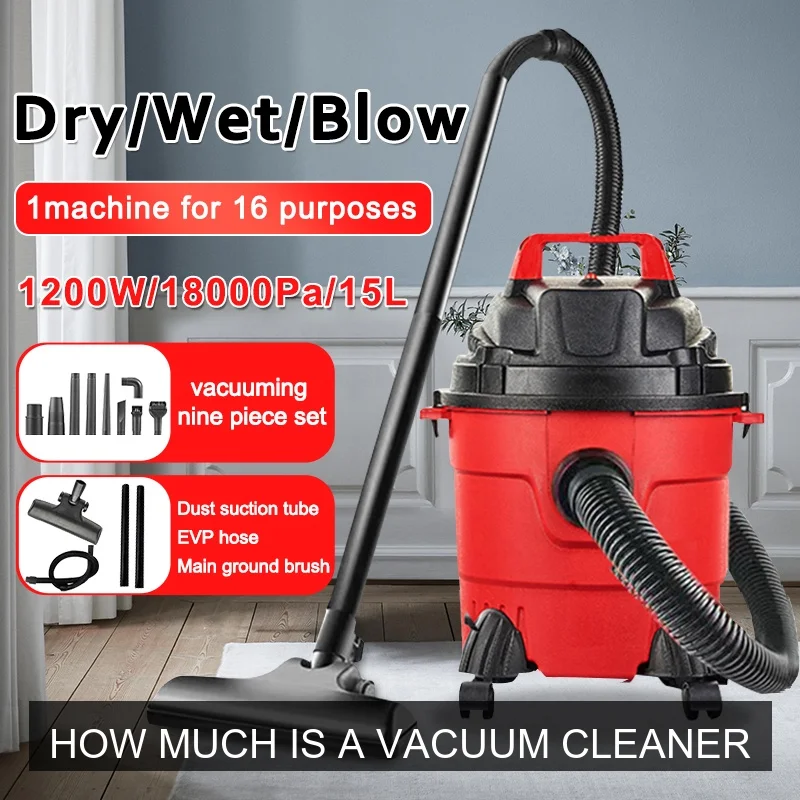
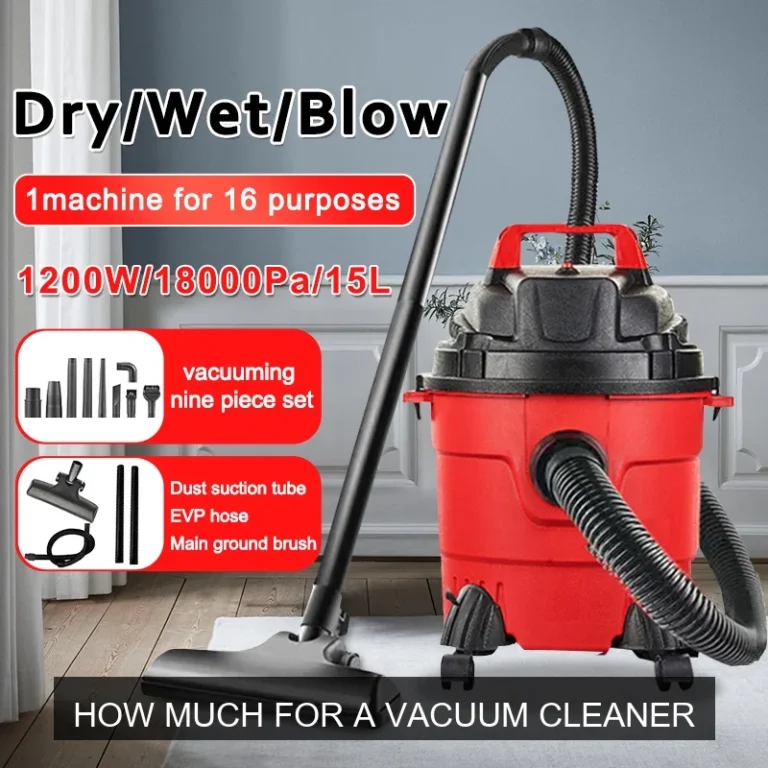
Image source: Shopee
📋 Table of Contents
- 🔹 Understanding the Factors Influencing Vacuum Cleaner Cost
- 🔹 Types of Vacuum Cleaners and Their Cost Implications
- 🔹 Key Features That Add to the Cost
- 🔹 Technology and Innovation: A Cost Driver
- 🔹 Brand Reputation, Research & Development, and Materials
- 🔹 Why Understanding Vacuum Cleaner Cost Variation Matters
- 🔹 How Different Aspects Contribute to a Vacuum Cleaner’s Overall Cost
- 🔹 Benefits of Understanding the Vacuum Cleaner Cost Landscape
- 🔹 Common Misconceptions About Vacuum Cleaner Costs
- 🔹 Practical Tips for Understanding Vacuum Cleaner Costs
- 🔹 Real-Life Scenarios: How Needs Influence Perceived Cost
- 🔹 Frequently Asked Questions About Vacuum Cleaner Costs
- 🔹 Conclusion
When you ask, “how much is a vacuum cleaner?” the simple answer is that it varies significantly. A vacuum cleaner’s cost isn’t a fixed figure but rather a spectrum, determined by its type, advanced features, underlying technology, the quality of its materials, and the brand’s reputation. Understanding these contributing factors is key to appreciating why certain models carry a higher value than others.
What Exactly Determines How Much Is a Vacuum Cleaner?
The price tag on a vacuum cleaner reflects a blend of engineering, design, materials, and innovation. It’s not just about how well it picks up dirt; it’s about how it achieves that, for how long, and with what level of convenience. From basic models designed for quick clean-ups to sophisticated systems built for extensive allergen removal, each feature and design choice adds to the complexity and, consequently, the cost of manufacturing and development. So, when you see varying costs, you’re observing the culmination of many different decisions made during its creation.
Understanding the Factors Influencing Vacuum Cleaner Cost
Thinking about “how much is a vacuum cleaner” requires looking beyond just the initial figure. Many variables come into play, making it a nuanced topic. It’s like asking how much a car costs; the answer depends on whether you’re looking at a compact city car or a luxury SUV. For vacuum cleaners, these variables range from the fundamental design to the most cutting-edge smart features.
Types of Vacuum Cleaners and Their Cost Implications
The very first factor influencing a vacuum cleaner’s cost is its fundamental type. Different designs are suited for different tasks and user preferences, and these differences directly translate into varying manufacturing complexities and material requirements.
- Upright Vacuums: These are often considered traditional and can range widely in cost. Simpler models might be less expensive, while those with powerful motors, advanced filtration, and specialized brush rolls can command a higher value due to more complex internal components.
- Canister Vacuums: Generally, canister vacuums involve two main components—a canister unit and a cleaning head connected by a hose. Their intricate design, often featuring powerful motors and a wider array of attachments for versatile cleaning, usually places them in a mid to higher cost bracket.
- Stick Vacuums: Known for their lightweight and cordless convenience, stick vacuums’ costs are heavily influenced by their battery technology (lithium-ion usually costs more), motor efficiency, and suction power, making them a diverse category.
- Robot Vacuums: These automated devices often represent a higher initial investment due to the sophisticated technology involved. They incorporate advanced sensors, mapping capabilities, navigation systems, and sometimes app integration, all of which contribute significantly to their valuation.
- Handheld Vacuums: Typically designed for quick, small clean-ups, handheld models are often at the lower end of the cost spectrum. However, features like strong suction, long-lasting batteries, and specialized nozzles can increase their relative cost.
Key Features That Add to the Cost
Beyond the basic type, specific features integrated into a vacuum cleaner play a crucial role in determining its cost. Think of these as upgrades that enhance performance, convenience, or specialized capabilities.
- Suction Power and Motor Efficiency: A more powerful, durable, and energy-efficient motor (like a brushless motor) generally means a higher manufacturing cost. Advanced motor technology is a significant engineering investment.
- Filtration Systems: Vacuums with multi-stage or HEPA filtration systems, designed to trap tiny allergens and particles, involve more advanced filter materials and sealing mechanisms. These specialized components add to the overall cost.
- Attachments and Accessories: The inclusion of multiple specialized tools (like pet hair attachments, crevice tools, upholstery brushes) means additional manufacturing and material costs for each item.
- Bagless vs. Bagged Systems: Bagless systems, while offering convenience, often require more complex internal cyclonic separation technology to maintain airflow and filter debris, potentially influencing cost compared to simpler bagged designs.
- Smart Features and Connectivity: Features like Wi-Fi connectivity, app control, scheduling capabilities (especially in robot vacuums), and integration with smart home systems represent significant software and hardware development costs.
- Battery Technology: For cordless models, the type and capacity of the battery are critical. Lithium-ion batteries, known for longer run times and lifespan, typically add more to the cost than older battery technologies.
Technology and Innovation: A Cost Driver
Modern vacuum cleaners are far more than just motors and hoses. The integration of advanced technology and continuous innovation are major factors in their cost. Companies invest heavily in research and development to bring new capabilities to market.
- Advanced Sensors: In robot vacuums, sensors for cliff detection, obstacle avoidance, and dirt sensing require sophisticated components and programming.
- Mapping and Navigation: High-end robot vacuums use Lidar or camera-based navigation systems to map your home, clean efficiently, and avoid repeating areas. This complex technology is a significant cost contributor.
- Brushless Motors: These motors are more efficient, quieter, and last longer than traditional brushed motors, but their manufacturing process is more complex and adds to the overall cost.
- Self-Emptying Bins: Some robot vacuums feature a base station that automatically empties the dustbin. This adds a whole new level of engineering and componentry.
Brand Reputation, Research & Development, and Materials
The company behind the vacuum cleaner also plays a role in how much it might represent as an investment.
- Research & Development: Brands that continually innovate and introduce new technologies invest substantial resources in R&D, which is reflected in the cost of their products. This ensures improved performance, durability, and user experience.
- Material Quality: The choice of materials—from durable plastics to high-grade metals—impacts both the longevity and the feel of a vacuum. Higher quality, more robust materials naturally lead to increased manufacturing costs.
- Build Quality and Durability: A vacuum cleaner built with precision engineering and high-quality components is designed to last longer and perform more reliably. This superior build quality typically involves more rigorous testing and better assembly processes, contributing to a higher cost.
- Brand Legacy and Support: Established brands often have a reputation for reliability, customer service, and readily available spare parts. This perceived value, built over years, can influence the overall cost structure.
Why Understanding Vacuum Cleaner Cost Variation Matters
Knowing why vacuum cleaner costs vary isn’t just academic; it’s a practical skill. It helps you appreciate the engineering effort, the resources involved, and the specific problems a particular design aims to solve. This understanding empowers you to evaluate different models based on their construction and features, rather than just their perceived “price.” It helps set realistic expectations about what certain levels of performance or convenience typically involve in terms of investment.
How Different Aspects Contribute to a Vacuum Cleaner’s Overall Cost
Let’s break down how various elements translate into the total cost of a vacuum cleaner. It’s a cumulative process where each choice adds to the complexity and value.
Consider this simplified table:
| Cost Component | How it Impacts Cost |
|---|---|
| Motor Type & Power | More powerful, efficient (e.g., brushless) motors require advanced materials and manufacturing, increasing cost. |
| Filtration System | HEPA filters and multi-stage systems use specialized materials and require tighter sealing, adding complexity and cost. |
| Materials & Build | Durable, high-quality plastics or metals, along with robust assembly, contribute to higher production costs. |
| Included Attachments | Each additional specialized tool (e.g., motorized pet brush) is an extra manufacturing cost. |
| Battery (Cordless) | High-capacity, long-lasting lithium-ion batteries are significantly more expensive than basic alternatives. |
| Smart Technology | Sensors, processors, Wi-Fi modules, and software development for robot vacuums or smart features are major cost drivers. |
- Manufacturing Processes: Precision engineering and advanced assembly lines for complex parts like cyclonic separation systems or robotic components mean higher operational costs.
- Quality Control: Extensive testing to ensure durability and performance adds to the overall production overhead. Products designed for a longer lifespan often undergo more rigorous quality checks.
- Supply Chain: Sourcing high-quality components from various specialized suppliers can influence the overall cost structure.
Benefits of Understanding the Vacuum Cleaner Cost Landscape
Grasping the nuances of “how much is a vacuum cleaner” offers several advantages, even if you’re not planning to make a purchase right away. It’s all about becoming a more informed observer of technology and consumer goods.
- Informed Appreciation: You’ll appreciate the engineering and design choices that go into different vacuum cleaners. You’ll see beyond just the function and understand the value proposition.
- Setting Realistic Expectations: This understanding helps you recognize that certain advanced capabilities or levels of durability inherently involve a higher investment. You won’t expect a basic model to perform like a top-tier, feature-rich machine.
- Identifying Core Value: By knowing what drives cost, you can better identify the core features that contribute most to a vacuum cleaner’s effectiveness for different scenarios, rather than being swayed by superficial elements.
- Understanding Innovation: It provides insight into the cost of innovation itself. When new technologies emerge, their initial higher cost often reflects the significant investment in research and development.
Common Misconceptions About Vacuum Cleaner Costs
It’s easy to fall into certain traps of thinking when considering “how much is a vacuum cleaner.” Let’s clear up some common misunderstandings.
- “More expensive always means better quality.” This isn’t always true. While higher cost often correlates with better materials and advanced features, sometimes a significant portion of the cost might come from features you don’t actually need or from premium branding. A more expensive vacuum might have features like Wi-Fi connectivity or advanced pet hair tools that don’t directly improve its fundamental cleaning power for your specific needs.
- “All vacuums are basically the same price.” This is far from the truth. As discussed, the range is vast. From simple handheld models to highly sophisticated robotic systems, the difference in underlying technology and components dictates a wide span of costs.
- “Maintenance costs aren’t part of the overall picture.” While not part of the initial cost, filters, bags, and occasional parts replacement are ongoing expenses. Vacuums with reusable or washable filters might have a different long-term cost profile than those requiring frequent disposable filter replacements. Understanding this full lifecycle can offer a clearer picture of its overall value.
- “Only motor power matters for cleaning effectiveness.” While important, suction power isn’t the only factor. Brush design, airflow efficiency, filtration, and nozzle design all play crucial roles in how effectively a vacuum cleans, regardless of the raw motor power. A higher-cost model often optimizes these elements together.
Practical Tips for Understanding Vacuum Cleaner Costs
To truly understand “how much is a vacuum cleaner” in a meaningful way, you can approach it by considering a few practical tips:
- Focus on Core Needs: Think about the type of flooring you have, the size of the area to be cleaned, and specific challenges like pet hair or allergies. These needs will dictate which features are truly valuable to you.
- Evaluate Features vs. Cost: If a vacuum cleaner seems to carry a higher cost, identify the specific features that contribute to that. Are these features essential for your cleaning tasks, or are they “nice-to-haves” that you might not fully utilize?
- Consider Durability and Materials: Examine the visible components. Are they made from robust materials that feel durable? Well-constructed parts often indicate a longer potential lifespan, which influences its overall value over time.
- Research Technology: If a model highlights advanced technology (like robotic navigation or smart features), try to understand how that technology works and its direct benefits. This helps justify the added cost for specific innovations.
- Look at the “Ecosystem” (Informational Only): Some vacuum cleaners are part of a larger system that might include accessories, specialized maintenance items, or even app support. Understanding these surrounding elements can provide context for the overall cost.
Real-Life Scenarios: How Needs Influence Perceived Cost
The concept of “how much is a vacuum cleaner” becomes clearer when we look at how different user needs align with the features that drive cost. It’s not about what’s “expensive” or “cheap,” but what offers appropriate value for a specific situation.
- Scenario 1: Small Apartment, Hardwood Floors, No Pets: For someone in this situation, a basic, lightweight stick or handheld vacuum with moderate suction might be perfectly adequate. The features that drive up costs (like heavy-duty carpet brushes, advanced pet hair tools, or very large dustbins) wouldn’t offer much additional value. The perceived “right cost” for this person would reflect these simpler requirements.
- Scenario 2: Large Home, Mix of Carpets and Hardwood, Multiple Pets, Allergy Sufferers: This user has complex needs. They would likely benefit from a vacuum cleaner with strong suction, specialized brush rolls for different floor types, advanced HEPA filtration for allergens, and robust pet hair removal tools. A larger dustbin or bag capacity would also be useful. The engineering and features required to meet these demands naturally place such a vacuum in a higher cost category. The perceived value here is in its comprehensive cleaning power and air quality improvement.
- Scenario 3: Busy Professional, Wants Daily Maintenance, Minimal Effort: This person might value a robot vacuum with smart mapping and scheduling capabilities. The convenience of automated daily cleaning, even if it doesn’t replace occasional deep cleaning, is a significant benefit. The investment in advanced sensors, navigation, and smart features contributes to a higher cost, but for this individual, the time saved and consistent cleanliness represent strong value.
These scenarios highlight that the “right” cost isn’t universal. It depends on matching the features and capabilities—which influence cost—to specific cleaning demands and lifestyle preferences.
Frequently Asked Questions About Vacuum Cleaner Costs
What factors influence a vacuum cleaner’s cost?
A vacuum cleaner’s cost is influenced by its type (upright, canister, stick, robot, handheld), motor power, filtration system (e.g., HEPA), included attachments, battery technology (for cordless models), smart features like Wi-Fi or navigation, the quality of materials used, and the brand’s reputation for innovation and durability.
Why do vacuum cleaner costs vary so widely?
Costs vary widely because of the vast differences in technology, materials, and features integrated into each model. A basic vacuum cleaner has simpler components, while a high-end model incorporates advanced engineering, sophisticated sensors, powerful motors, and durable materials, all of which significantly increase manufacturing and development expenses.
How do different vacuum cleaner types impact their cost?
Each type typically falls into different cost brackets due to design complexity. Robot vacuums, with their advanced AI and navigation, tend to be among the most costly. Canister and high-end upright vacuums, with powerful motors and versatile tools, often sit in a mid-to-higher range. Stick and handheld vacuums can vary, with premium cordless models costing more due to battery technology, while basic versions are generally more affordable.
Is a higher-cost vacuum cleaner always better?
Not necessarily. While higher-cost vacuum cleaners often incorporate more advanced technology, superior materials, and additional features, “better” is subjective. A less costly vacuum might be perfectly adequate for simple cleaning tasks, while an expensive model might include features you don’t need, adding to its cost without providing extra value for your specific situation. The best vacuum aligns with your specific cleaning needs and environment.
What are the hidden costs associated with vacuum cleaners?
Beyond the initial cost, potential hidden costs can include replacement bags (for bagged models), filters that need regular changing, and eventual costs for replacement parts (like belts, brush rolls, or batteries) or professional servicing over the appliance’s lifespan. These ongoing expenses are part of the overall long-term investment in a vacuum cleaner.
Conclusion
The question of “how much is a vacuum cleaner” doesn’t have a single, straightforward answer because the value is multifaceted. It’s a complex equation involving its type, the technology it employs, the quality of its construction, and the specific features it offers. By understanding these various contributing factors, you gain a clearer picture of why vacuum cleaners exist across such a broad spectrum of costs. This knowledge empowers you to look beyond a simple figure and appreciate the intricate engineering and design choices that define each model’s inherent value.