How a Vacuum Cleaner Works: A Comprehensive Guide
A vacuum cleaner works by creating a powerful difference in air pressure. Inside the vacuum, a motor spins a fan at high speed, pushing air out of an exhaust port. This action creates a partial vacuum, or lower pressure, inside the cleaner compared to the surrounding room. Atmospheric pressure then pushes dust, dirt, and debris into the vacuum’s nozzle, through a hose, and into a collection bin, while filters capture the particles, allowing clean air to exit.
Ever wondered what really happens inside that noisy machine as it cleans your floors? This article breaks down the fascinating science and engineering behind how a vacuum cleaner works, explaining the simple yet effective principles that allow it to suck up dirt and debris. We’ll explore each key component, trace the journey of dust from your carpet to the collection bin, and share why understanding these mechanics can help you use your vacuum more effectively.
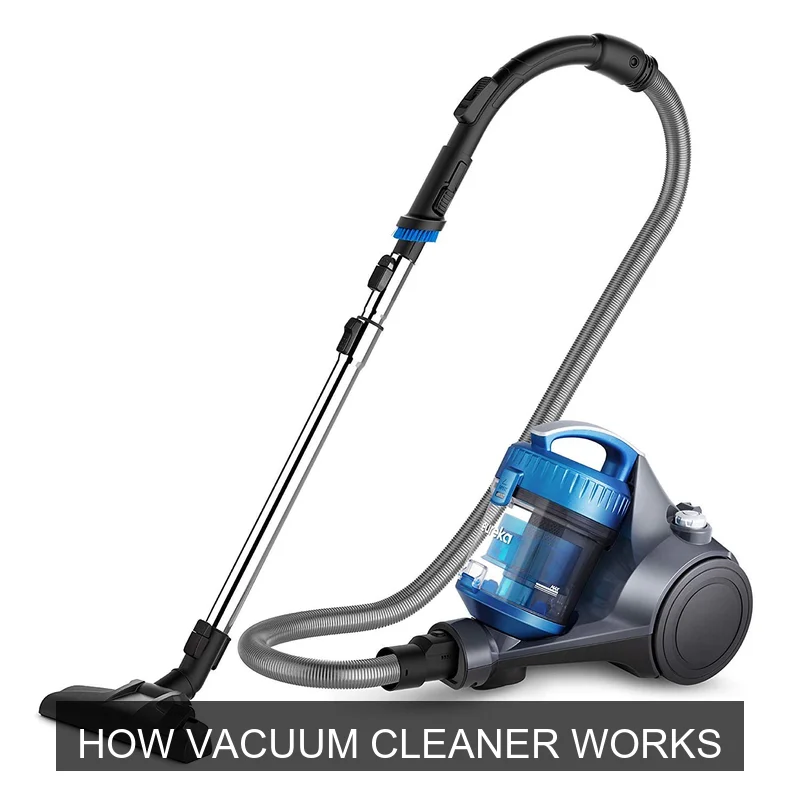
Image source: Adiyprojects
📋 Table of Contents
- 🔹 Introduction: Unraveling the Mystery
- 🔹 What Exactly is a Vacuum Cleaner?
- 🔹 The Fundamental Principle: Suction Power
- 🔹 Anatomy of a Vacuum Cleaner: Key Components
- 🔹 The Step-by-Step Process: How a Vacuum Cleaner Works
- 🔹 Why Understanding Vacuum Cleaner Mechanics Matters
- 🔹 Types of Vacuum Cleaners and Their Adaptations
- 🔹 Common Misconceptions About Vacuum Cleaners
- 🔹 Maximizing Efficiency: Tips for Effective Vacuuming
- 🔹 Real-World Examples of Vacuum Cleaner Applications
- 🔹 Troubleshooting Basics: When Your Vacuum Isn’t Working Right
- 🔹 Frequently Asked Questions (FAQ)
- 🔹 Conclusion: The Everyday Magic of Suction
Introduction: Unraveling the Mystery
You probably use a vacuum cleaner regularly, but have you ever stopped to think about how it actually works? It seems like a simple machine, just sucking things up, right? Well, there’s a bit more going on under the hood than you might expect. Understanding the principles behind “how a vacuum cleaner works” isn’t just for engineers; it can help you appreciate your appliance more and even improve how you use it.
In this guide, we’re going to take a deep dive into the world of vacuum cleaners. We’ll explore the fundamental physics that make them tick, break down their essential parts, and walk through the step-by-step process of how they turn dirty air into clean air and collected debris. By the end, you’ll have a clear, comprehensive understanding of this everyday marvel.
What Exactly is a Vacuum Cleaner?
At its core, a vacuum cleaner is an appliance designed to remove dirt, dust, and debris from surfaces like carpets, rugs, and hard floors. It does this by generating a partial vacuum, which creates a suction force that pulls particles into the machine for collection. Think of it as a specialized air pump that moves air and traps solids.
The term “vacuum” in its name refers to the creation of an area with significantly reduced air pressure. This pressure difference is key to its operation. Without this fundamental concept, the machine wouldn’t be able to lift even the lightest dust bunny.
The Fundamental Principle: Suction Power
The magic behind how a vacuum cleaner works boils down to a concept called a pressure differential. It’s really quite simple when you think about it:
- Air always wants to move from an area of higher pressure to an area of lower pressure.
- A vacuum cleaner intentionally creates an area of lower pressure inside itself.
- The surrounding room’s air, which is at higher atmospheric pressure, then rushes into the vacuum to equalize this difference.
- As this air rushes in, it carries dirt, dust, and whatever else is in its path along for the ride.
This constant rush of air is what we perceive as “suction.” It’s not the vacuum cleaner actively pulling things in so much as the outside air pushing things into the vacuum cleaner’s low-pressure zone.
Anatomy of a Vacuum Cleaner: Key Components
While models vary, most vacuum cleaners share a few core components that make the suction process possible. Let’s look at them:
The Motor and Fan
This is the heart of the vacuum cleaner. An electric motor powers a fan, which is usually a centrifugal fan. As the fan blades spin rapidly, they push air out through an exhaust port. This expulsion of air is what creates the lower pressure inside the vacuum cleaner’s housing.
- The motor provides the rotational energy.
- The fan (or impeller) is directly connected to the motor and is responsible for moving the air.
The Inlet Port/Nozzle
This is the part of the vacuum cleaner that touches the surface you’re cleaning. It’s the entry point for dirt and air. Many nozzles also have a rotating brush roll, especially in upright and stick vacuums. This brush roll helps to agitate carpet fibers, dislodging stubborn dirt and sweeping it up into the airflow.
The Filter System
Once air and debris enter the vacuum, they can’t just be blown out the other side. That would defeat the purpose! The filter system is crucial for trapping the dust and allergens. Vacuums typically use multiple layers of filtration, often including:
- A pre-motor filter to protect the motor.
- A main filter (like a bag or cyclonic separation system).
- A post-motor or exhaust filter (often a HEPA filter) to ensure clean air is released back into the room.
Different types of filters capture different sizes of particles, preventing them from recirculating into your home.
The Dirt Collection Receptacle
This is where all the captured dirt and debris end up. It can take a few forms:
- Disposable bags: These are common in many traditional vacuums. Dirt collects inside the bag, which is then removed and thrown away.
- Bagless canisters/dust cups: These use cyclonic separation (which we’ll touch on later) to spin dirt out of the airflow and into a clear, reusable container.
- Water filtration: Some specialized vacuums use a water bath to trap dirt particles.
Here’s a simple table summarizing these core parts and their roles:
| Component | Primary Function | Analogy |
|---|---|---|
| Motor & Fan | Creates low-pressure zone (suction) by expelling air. | The lungs and diaphragm of the machine. |
| Inlet Nozzle | The point of contact and entry for dirt and air. | The mouth that takes in air and debris. |
| Filter System | Separates dirt particles from the airflow. | The respiratory system that cleans the air. |
| Dirt Receptacle | Stores collected dirt and debris. | The stomach that holds the captured waste. |
The Step-by-Step Process: How a Vacuum Cleaner Works
Now that we know the parts, let’s put it all together and see the entire cleaning process unfold step by step.
Step 1: Powering On and Motor Activation
When you flip the switch or press the button, electricity flows to the vacuum cleaner’s motor. This motor immediately springs to life, beginning its rapid rotation. It’s like turning on any other electrical appliance, getting the core engine ready to work.
Step 2: Creating the Pressure Difference
The spinning motor drives the fan (impeller). This fan acts like a mini-turbine, rapidly pushing air molecules out of the vacuum cleaner’s sealed internal chamber and expelling them through the exhaust port. As air is pushed out, the number of air molecules inside the chamber decreases, leading to a significant drop in air pressure. This is the crucial step where the “vacuum” is created.
Step 3: Suctioning Dirt and Debris
Because the air pressure inside the vacuum’s chamber is now much lower than the air pressure outside (atmospheric pressure), the higher-pressure air from the room rushes in to fill that void. This incoming rush of air flows through the vacuum’s nozzle, drawing loose dirt, dust, pet hair, and small particles along with it. If the vacuum has a brush roll, it helps to kick up and loosen deeply embedded dirt, making it easier for the airflow to carry it away.
Step 4: Filtration and Air Exhaust
The air, now laden with dirt, travels through a hose or internal ducts towards the collection system. Before the air can be expelled back into the room, it must pass through one or more filters. These filters act as barriers, physically trapping the solid particles while allowing the cleaner air to pass through. Advanced filters, like HEPA filters, can capture incredibly tiny particles, including allergens and microscopic dust.
Step 5: Dirt Collection
After the air passes through the filters, the captured dirt is deposited into the designated collection receptacle – either a vacuum bag or a bagless dust cup. The filtered, cleaner air is then exhausted back into the room, completing the cycle. The dirt remains safely contained until you’re ready to empty it.
It’s fascinating how a simple principle of air pressure differential, combined with clever engineering, allows a machine to so effectively clean our living spaces. The continuous flow of air from high pressure to low pressure is what makes it all possible!
Why Understanding Vacuum Cleaner Mechanics Matters
Knowing how a vacuum cleaner works isn’t just a fun fact; it has practical implications. When you understand the basic mechanics, you can:
- Troubleshoot minor issues: If your vacuum loses suction, you might realize it’s a clogged filter or a full bag, not a broken motor.
- Improve cleaning efficiency: You’ll know that maintaining clear filters and emptying the dirt receptacle are vital for optimal performance.
- Appreciate the technology: It helps you see beyond just a noisy box and recognize the clever science involved.
- Make informed decisions: While we’re not talking about buying, understanding concepts like airflow versus suction can help you appreciate what different designs achieve.
Types of Vacuum Cleaners and Their Adaptations
While the core principle of creating suction remains the same, how a vacuum cleaner works can vary slightly depending on its design. Let’s look at some common types:
Upright Vacuums
These are often characterized by their all-in-one design, where the motor, collection bin, and cleaning head are integrated into a single unit that you push. The motor and fan are usually located near the cleaning head, maximizing direct suction. They often include a powerful brush roll directly beneath the unit to agitate carpets.
Canister Vacuums
Canister vacuums separate the motor and collection bin (the “canister”) from the cleaning head, which is attached via a flexible hose. The motor and fan are in the canister, pulling air through the long hose and nozzle. This design offers flexibility and maneuverability, allowing you to reach tight spaces and use various attachments more easily.
Handheld Vacuums
These compact, portable vacuums use smaller motors and fans, generating less overall suction than their larger counterparts. However, their small size means the nozzle is often closer to the motor, making them efficient for quick clean-ups and small spills. They operate on the same pressure differential principle, just on a smaller scale.
Robot Vacuums
Robot vacuums also rely on a motor and fan to create suction, but they often incorporate smaller brush rolls and less powerful motors due to battery limitations and size constraints. Their intelligence lies in their navigation and automated cleaning patterns, rather than raw suction power. They work by systematically traversing a room, sweeping debris into the path of their suction intake.
Common Misconceptions About Vacuum Cleaners
Even with their widespread use, there are a few common misunderstandings about how vacuum cleaners work:
- “A vacuum pulls dirt”: As we discussed, it’s more accurate to say that the surrounding air pushes dirt into the vacuum’s low-pressure area. It’s a subtle but important distinction in physics.
- “More watts means more suction”: Not always. While wattage indicates power consumption, efficient motor design, proper fan dynamics, and a sealed system contribute just as much, if not more, to effective suction.
- “Filters never need cleaning/replacing”: Filters are essential. Clogged filters severely restrict airflow, reducing suction power dramatically and forcing the motor to work harder. They absolutely need regular maintenance.
- “All vacuums clean the same way”: While the core suction principle is universal, the methods of agitation (brush rolls), filtration (bags, cyclonic, water), and debris separation can vary greatly, impacting performance on different surfaces and types of dirt.
Maximizing Efficiency: Tips for Effective Vacuuming
Understanding how a vacuum cleaner works can empower you to get the best out of your cleaning sessions. Here are some tips:
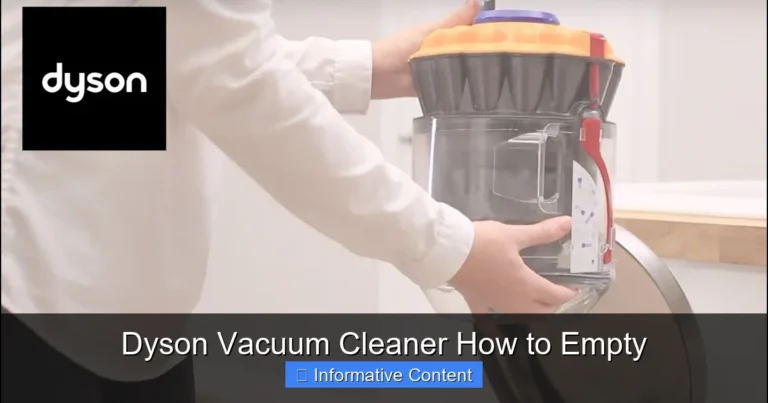
- Empty the dirt receptacle regularly: A full bag or dust cup restricts airflow, diminishing suction power. Don’t wait until it’s overflowing.
- Clean or replace filters: Clogged filters are the enemy of good suction. Refer to your vacuum’s instructions for how often to clean or replace them. This is perhaps the single most impactful maintenance task.
- Check for blockages: Hoses and nozzles can easily get clogged with larger debris, pet hair, or socks. Periodically check for obstructions if suction seems weak.
- Use the right attachments: Different nozzles and brushes are designed for specific tasks and surfaces. Using the crevice tool for tight spots or a brush attachment for upholstery ensures optimal dirt pick-up.
- Adjust height settings: For vacuums with adjustable heads, setting the correct height for your carpet pile or hard floor ensures maximum airflow and brush roll effectiveness.
Real-World Examples of Vacuum Cleaner Applications
Let’s look at how the principle of how a vacuum cleaner works applies to various cleaning scenarios:
- Everyday Carpet Cleaning: When you push an upright vacuum across your living room carpet, the brush roll agitates the fibers, lifting trapped dust and pet dander. The powerful suction then draws these particles up into the machine.
- Dusting Hard-to-Reach Places: Using a canister vacuum with a long hose and a dusting brush attachment, you can easily create suction near dusty bookshelves or ceiling corners. The air rushing in picks up the settled dust and carries it away, preventing it from just being swirled around the room.
- Quick Spills: Imagine dropping some dry cereal on the kitchen floor. A handheld vacuum is perfect for this. Its small nozzle creates a localized low-pressure zone, quickly sucking up the cereal pieces before they get scattered further.
- Pet Hair on Upholstery: A specialized pet attachment with mini-brushes, powered by the vacuum’s airflow, works to loosen and gather pet hair. The vacuum’s main suction then whisks the hair into the collection bin, leaving your couch much cleaner.
Troubleshooting Basics: When Your Vacuum Isn’t Working Right
If your vacuum seems to be losing its mojo, a basic understanding of how a vacuum cleaner works can help you diagnose simple problems:
- No Suction? Check the obvious: Is the bag full? Is the dustbin overflowing? These are the most common culprits. Empty them!
- Weak Suction? Look at the filters: If the filters are caked with dust, air can’t pass through easily, reducing suction. Clean or replace them according to your model’s instructions.
- Strange Noises or Burning Smell? Unplug immediately: This could indicate a major blockage in the motor or a brush roll that’s seized up. Turn it off, unplug, and carefully check the brush roll and hose for obstructions.
- Brush Roll Not Spinning? On models with brush rolls, check if there’s tangled hair or string preventing it from rotating. Also, ensure any belt driving the brush roll isn’t broken or dislodged.
Often, these simple checks, guided by how the machine is supposed to function, can restore your vacuum to full power.
Frequently Asked Questions (FAQ)
What makes a vacuum cleaner powerful?
A vacuum cleaner’s power isn’t solely about its motor wattage. True power comes from a combination of strong airflow (how much air moves) and good static pressure (how strong the suction force is). An efficient motor, a well-designed fan, and a sealed system without leaks contribute most to effective cleaning power.
Can a vacuum cleaner work in space?
No, a typical vacuum cleaner wouldn’t work in the vacuum of space. The fundamental principle of how a vacuum cleaner works relies on creating a pressure differential between the inside of the machine and the outside environment. In space, there’s already a near-perfect vacuum outside, so there’s no higher-pressure air to rush into the cleaner and carry away dirt.
How often should I clean my vacuum cleaner’s filter?
The frequency depends on your vacuum model and how often you use it. Generally, bagless vacuum filters should be cleaned monthly, and bagged vacuum filters less frequently, or replaced as needed. If you have pets, allergies, or vacuum frequently, more regular cleaning is recommended. Always check your specific vacuum’s manual for guidance.
What’s the difference between suction and airflow?
Suction, or static pressure, measures how much lifting force the vacuum can generate, often expressed in inches of water lift. It tells you how well it can pick up heavy objects or dirt embedded deep in carpets. Airflow, measured in cubic feet per minute (CFM), indicates how much air the vacuum moves. High airflow is great for picking up light, fluffy debris quickly. A good vacuum typically needs a balance of both for effective cleaning.
Conclusion: The Everyday Magic of Suction
So, how does a vacuum cleaner work? It’s all about creating a clever imbalance in air pressure. By using a motor and a fan to expel air, a vacuum cleaner manufactures a low-pressure zone that the higher-pressure air of your room eagerly rushes to fill, bringing all the dirt and dust along for the ride. This process, coupled with effective filtration and dirt collection, gives us the powerful cleaning tool we rely on.
From the hum of its motor to the clean floors it leaves behind, the vacuum cleaner is a testament to simple physics applied in a remarkably effective way. Understanding its core mechanisms not only satisfies our curiosity but also helps us to maintain these essential appliances and use them to their full potential for a cleaner, healthier home.