How to Vacuum Small Spaces Effectively
Vacuuming small spaces doesn’t have to be frustrating. With the right tools and techniques, you can clean tight corners, under furniture, and cluttered nooks efficiently. This guide reveals proven strategies to maximize suction and reach in compact areas.
Cleaning small spaces might seem like a minor chore, but it’s often the most overlooked part of home maintenance. Think about it: the gap between your sofa cushions, the narrow strip behind the toilet, or the dusty ledge above your kitchen cabinets. These tight, hard-to-reach areas accumulate dirt, allergens, and pet hair faster than you’d expect. And yet, they’re frequently ignored—either because they’re difficult to access or because standard vacuum cleaners aren’t designed for such precision work.
The truth is, vacuuming small spaces effectively isn’t just about cleanliness—it’s about health and efficiency. Dust mites, mold spores, and allergens love to hide in these overlooked zones. According to the Environmental Protection Agency (EPA), indoor air can be two to five times more polluted than outdoor air, and much of that pollution settles in small, neglected areas. Vacuuming these spots regularly can significantly improve indoor air quality and reduce allergy symptoms.
But here’s the good news: with the right tools, techniques, and mindset, cleaning tight spaces can be quick, effective, and even satisfying. Whether you’re tackling the space under your bed, the crevices in your car interior, or the nooks behind your appliances, this guide will show you exactly how to do it. We’ll cover everything from choosing the best vacuum for small spaces to mastering cleaning techniques that save time and effort. By the end, you’ll be equipped to conquer even the trickiest corners of your home.
Key Takeaways
- Use the right attachments: Crevice tools, dusting brushes, and mini turbo brushes are essential for accessing tight spots and delicate surfaces.
- Declutter first: Remove loose items before vacuuming to improve airflow and suction efficiency in confined areas.
- Adjust suction power: High suction can scatter lightweight debris; use lower settings for fine dust and delicate items.
- Work top to bottom: Clean higher surfaces like shelves first, then vacuum the floor to catch falling dust.
- Maintain your vacuum: Clean filters and empty dust bins regularly to ensure peak performance in small spaces.
- Use a handheld or stick vacuum: These compact models offer better maneuverability and precision in tight areas.
- Vacuum slowly and methodically: Rushing reduces effectiveness; slow passes ensure deeper cleaning in confined zones.
Quick Answers to Common Questions
What’s the best vacuum for cleaning under furniture?
A stick vacuum or canister vacuum with a low-profile head is ideal for cleaning under furniture. Models with swivel steering and adjustable height make it easier to reach tight spaces.
How often should I vacuum small spaces?
Vacuum small spaces at least once a week, or more often if you have pets or allergies. High-traffic areas may need cleaning twice a week.
Can I use a regular vacuum for tight corners?
Yes, but only with the right attachments. Use a crevice tool or flexible hose extension to access narrow gaps that the main nozzle can’t reach.
Do I need a HEPA filter for small spaces?
Yes, especially if you have allergies or pets. HEPA filters capture 99.97% of particles, including dust mites and pet dander, improving indoor air quality.
How do I clean behind appliances safely?
Unplug the appliance first, then use a long crevice tool or flexible hose to vacuum the space. Avoid pulling on cords or hoses to prevent damage.
📑 Table of Contents
Why Small Spaces Need Special Attention
When it comes to cleaning, small spaces are often the first to be skipped. They’re out of sight, out of mind—until dust bunnies start rolling out from under the couch or you sneeze every time you sit down. But these compact areas are actually high-risk zones for dirt buildup. Because they’re less exposed to air circulation, dust settles and compacts more easily. Plus, pet hair, crumbs, and debris get trapped in tight gaps where brooms and mops can’t reach.
Did you know that the average home collects over 40 pounds of dust per year? Much of that settles in small, hidden areas. For example, the space between your mattress and bed frame can harbor dust mites, dead skin cells, and even mold if moisture is present. Similarly, the narrow gap behind your refrigerator can become a magnet for food particles and grease, creating a breeding ground for bacteria.
Vacuuming these areas isn’t just about aesthetics—it’s about creating a healthier living environment. Allergens like pollen, pet dander, and mold spores thrive in dark, undisturbed spaces. Regular vacuuming with a HEPA filter can remove up to 99.97% of particles as small as 0.3 microns, significantly reducing allergy triggers. In fact, the American Lung Association recommends vacuuming at least twice a week, especially in high-traffic or pet-occupied homes.
Moreover, cleaning small spaces can extend the life of your furniture and appliances. Dust buildup behind electronics can cause overheating, while debris under appliances can reduce efficiency. By vacuuming these areas, you’re not only cleaning—you’re maintaining.
Choosing the Right Vacuum for Small Spaces
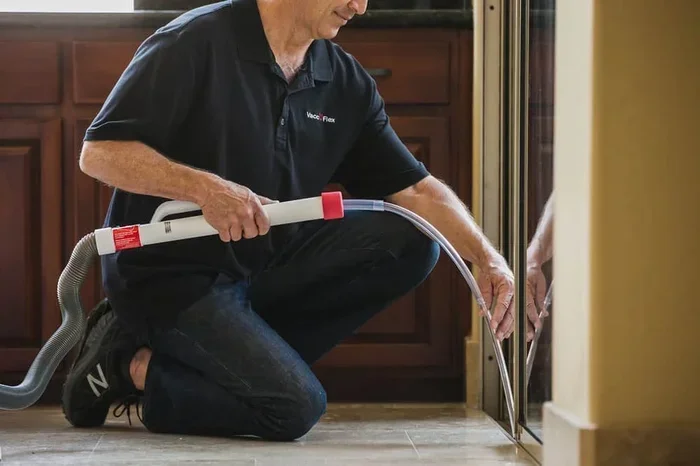
Visual guide about vacuum cleaning tight spaces
Image source: i.pinimg.com
Not all vacuums are created equal, especially when it comes to small spaces. A bulky upright vacuum might be great for open floors, but it’s nearly useless for cleaning under furniture or along baseboards. That’s why selecting the right tool is the first step to effective cleaning.
Handheld Vacuums: Precision in Your Palm
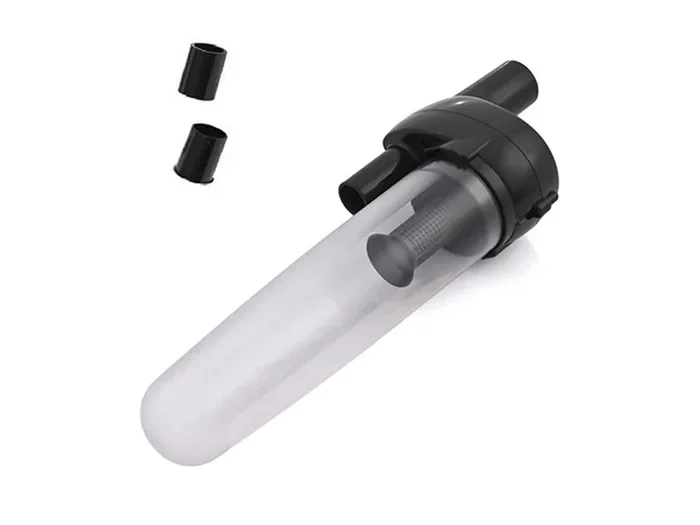
Handheld vacuums are the Swiss Army knives of cleaning. Lightweight, portable, and often cordless, they’re perfect for spot cleaning and tight spots. Models like the Dyson V8 or Shark Wandvac offer strong suction in a compact design. They’re ideal for cleaning car interiors, stair treads, and the space between couch cushions.
One major advantage of handheld vacuums is their maneuverability. You can easily reach into corners, under appliances, and even clean vertical surfaces like blinds or window frames. Many come with interchangeable attachments, such as crevice tools and dusting brushes, which enhance their versatility.
However, handheld vacuums typically have smaller dust bins and shorter battery life. If you’re cleaning a large number of small spaces, you may need to empty the bin frequently or recharge mid-task.
Stick Vacuums: Lightweight and Agile
Stick vacuums strike a balance between power and portability. They’re longer than handhelds but lighter than uprights, making them great for quick cleanups and tight areas. Many modern stick vacuums, like the Tineco Pure One or LG CordZero, are cordless and feature swivel heads that glide easily under furniture.
These vacuums often come with multiple attachments and adjustable suction settings, allowing you to tailor performance to the task. For example, you can use a soft brush attachment for delicate surfaces like lampshades or a crevice tool for baseboard edges.
Stick vacuums are especially useful in homes with limited storage space. They can stand upright or hang on walls, making them easy to store in closets or behind doors.
Canister Vacuums: Power with Flexibility
Canister vacuums consist of a separate canister unit connected to a wand and nozzle by a hose. This design offers excellent reach and control, making them ideal for cleaning under low furniture, along stairs, and in corners.
The hose and wand allow you to vacuum at different angles and distances, which is perfect for tight spaces. Many canister models come with a variety of nozzles, including upholstery tools and mini turbo brushes, which are excellent for pet hair and deep crevices.
While canister vacuums are powerful and versatile, they can be heavier and less convenient to store than handheld or stick models. They’re best suited for homes with multiple small spaces that require frequent attention.
Robot Vacuums: Set It and Forget It
Robot vacuums like the Roomba or Roborock are excellent for maintaining cleanliness in small, hard-to-reach areas. They can navigate under beds, sofas, and cabinets with ease, cleaning daily without human intervention.
Many robot vacuums now feature advanced mapping and obstacle detection, allowing them to clean efficiently even in cluttered spaces. Some models even include mopping functions, adding an extra layer of cleaning.
However, robot vacuums may struggle with very tight gaps or areas blocked by cords or small objects. They’re best used as a supplement to manual vacuuming, not a replacement.
Essential Attachments for Tight Spots
Even the best vacuum won’t perform well in small spaces without the right attachments. These tools are designed to maximize suction and reach in areas where standard nozzles fall short.
Crevice Tool: The Gap Conqueror
The crevice tool is a long, narrow nozzle that’s perfect for cleaning tight spaces like between couch cushions, along baseboards, and behind radiators. Its slim design allows it to reach deep into narrow gaps where dust and debris accumulate.
For example, use the crevice tool to clean the space between your mattress and headboard, where dust mites love to hide. Or slide it behind your toilet to remove hair and grime that builds up over time.
Tip: Use short, back-and-forth motions to dislodge stubborn dirt. Don’t rush—slow, deliberate passes are more effective.
Dusting Brush: Gentle Yet Effective
The dusting brush features soft bristles that gently lift dust from delicate surfaces like lampshades, blinds, and picture frames. It’s ideal for areas where suction alone might scatter debris.
Use the dusting brush to clean the top of your refrigerator, the edges of shelves, or the intricate carvings on wooden furniture. The bristles help agitate dust without scratching surfaces.
Did you know that dust can contain up to 45 different chemicals, including flame retardants and plasticizers? Regular dusting with a brush attachment helps reduce your exposure to these potentially harmful substances.
Mini Turbo Brush: Pet Hair’s Worst Enemy
If you have pets, the mini turbo brush is a must-have. This attachment uses rotating bristles to agitate and lift embedded pet hair from upholstery, stairs, and car seats.
Unlike standard brushes, the turbo brush doesn’t rely solely on suction—it physically dislodges hair, making it much more effective. Use it on pet beds, car interiors, or any fabric-covered surface where hair tends to cling.
Flexible Hose Extensions: Reach the Unreachable
Some vacuums come with flexible hose extensions that allow you to clean vertical surfaces or reach into awkward angles. These are especially useful for cleaning ceiling corners, behind wall-mounted TVs, or inside cabinets.
For example, use a flexible extension to vacuum the top of your kitchen cabinets, where grease and dust accumulate over time. Or clean the narrow space between your wall and a built-in bookshelf.
Step-by-Step Techniques for Maximum Efficiency
Having the right tools is only half the battle. To vacuum small spaces effectively, you need a systematic approach that ensures thorough cleaning without wasted effort.
Declutter Before You Clean
Start by removing any loose items from the area you’re cleaning. This includes pillows, toys, shoes, or decorative objects. Clutter blocks airflow and reduces suction, making your vacuum less effective.
For example, before vacuuming under your bed, remove any storage bins or shoes. This gives the vacuum better access and prevents debris from being pushed around instead of picked up.
Work from Top to Bottom
Always clean higher surfaces first, then work your way down. This prevents dust from falling onto already-cleaned areas.
Start by dusting shelves, blinds, and picture frames with a dusting brush. Then vacuum the floor, baseboards, and under furniture. This method ensures that any dislodged dust is captured during the final vacuuming pass.
Use Slow, Overlapping Passes
Rushing through small spaces reduces cleaning effectiveness. Instead, move the vacuum slowly and overlap each pass by about 50%. This ensures that no area is missed and that dirt is fully extracted.
Think of it like mowing a lawn: if you go too fast, you’ll leave strips of uncut grass. The same principle applies to vacuuming.
Adjust Suction for the Surface
Not all surfaces require the same suction power. High suction can scatter lightweight debris like paper scraps or pet food, while low suction may not lift embedded dirt.
Most modern vacuums have adjustable suction settings. Use high suction for carpets and low suction for delicate surfaces like curtains or electronics.
For example, when cleaning a bookshelf, use low suction with a dusting brush to avoid knocking over books. When vacuuming under a couch, switch to high suction to remove deep-seated dirt.
Clean in Sections
Divide small spaces into manageable sections and clean one at a time. This prevents you from feeling overwhelmed and ensures thorough coverage.
For instance, when cleaning under a bed, divide the space into quadrants: front-left, front-right, back-left, back-right. Vacuum each section completely before moving to the next.
Maintaining Your Vacuum for Peak Performance
A well-maintained vacuum is essential for effective cleaning, especially in small spaces where performance demands are high.
Empty the Dust Bin Regularly
A full dust bin reduces suction power and can cause debris to be blown back into the air. Empty the bin after every use, or when it’s about two-thirds full.
For bagged vacuums, replace the bag when it’s 75% full. Overfilling can clog the system and reduce efficiency.
Clean or Replace Filters
Filters trap dust and allergens, but they can become clogged over time. Most vacuums have washable or replaceable filters.
Wash foam or mesh filters every 1–2 months with mild soap and water. Allow them to dry completely before reinstalling. Replace HEPA filters every 6–12 months, depending on usage.
Did you know that a clogged filter can reduce suction by up to 50%? Regular maintenance ensures your vacuum performs at its best.
Check for Blockages
Hoses, brushes, and inlets can become blocked with hair, string, or large debris. Inspect these areas regularly and remove any obstructions.
Use a coat hanger or pipe cleaner to clear clogs in hoses. For brush rolls, cut away tangled hair with scissors.
Store Attachments Properly
Keep attachments organized and accessible. Use a storage bag, hook, or labeled container to prevent loss and damage.
Storing attachments properly also makes it easier to switch tools quickly during cleaning.
Common Mistakes to Avoid
Even with the best tools and techniques, it’s easy to make mistakes that reduce cleaning effectiveness.
Using the Wrong Attachment
Using a large floor nozzle to clean a narrow gap is like using a sledgehammer to crack a nut. Always match the attachment to the space.
For example, use a crevice tool for tight gaps and a dusting brush for delicate surfaces.
Vacuuming Over Wet or Sticky Debris
Vacuuming wet or sticky substances can damage your machine and create a mess. Always clean spills with a cloth or paper towel first.
If debris is stuck, use a damp cloth to loosen it before vacuuming.
Ignoring Maintenance
A neglected vacuum loses suction and spreads dust instead of capturing it. Regular cleaning and filter changes are essential.
Set a monthly reminder to check and clean your vacuum.
Skipping Small Spaces Altogether
Don’t let convenience override cleanliness. Small spaces may seem insignificant, but they contribute to overall indoor air quality.
Make vacuuming tight spots part of your regular cleaning routine.
Conclusion
Vacuuming small spaces effectively is more than just a chore—it’s a vital part of maintaining a clean, healthy, and efficient home. By choosing the right vacuum, using the proper attachments, and following smart techniques, you can conquer even the most challenging corners with ease.
Remember, consistency is key. Regular cleaning prevents buildup and makes each session quicker and more effective. Whether you’re using a handheld vacuum for quick touch-ups or a robot vacuum for daily maintenance, the goal is the same: to create a space that’s not only clean but also comfortable and safe.
So the next time you spot a dust bunny under the couch or a crumb-filled crevice behind the fridge, don’t ignore it. Grab your vacuum, choose the right tool, and get to work. Your home—and your health—will thank you.
Frequently Asked Questions
What’s the best way to clean between couch cushions?
Use a crevice tool to reach deep into the gaps. Remove cushions first if possible, then vacuum both the cushions and the base. Finish with a handheld vacuum for spot cleaning.
Can I vacuum electronics like TVs or computers?
Yes, but use a dusting brush on low suction. Avoid direct contact with vents or screens, and never vacuum while the device is on or warm.
How do I clean narrow baseboard edges?
Use a crevice tool or a soft dusting brush. Move slowly along the edge, using short back-and-forth motions to lift dust without scratching the paint.
Is it safe to vacuum pet hair from small spaces?
Yes, especially with a mini turbo brush. These tools agitate and lift embedded hair, making it easier to remove from tight areas like under furniture or in car seats.
What should I do if my vacuum loses suction in tight spaces?
Check for blockages in the hose, brush roll, or inlet. Empty the dust bin and clean or replace the filter. Ensure the attachment is properly connected.
Can robot vacuums clean under low furniture?
Yes, most robot vacuums are designed to fit under beds, sofas, and cabinets. Choose a model with a low profile and strong suction for best results.