How to Repair Your Vacuum Cleaner: A Comprehensive Guide
Learning how to repair your vacuum cleaner can save you time and money, extending the life of your essential cleaning tool. This guide will walk you through common vacuum problems and provide clear, step-by-step instructions for troubleshooting and fixing them yourself, ensuring your appliance gets back to peak performance.
Image source: Pexels
📋 Table of Contents
- 🔹 Introduction: Taking on Vacuum Cleaner Repairs
- 🔹 Understanding Common Vacuum Cleaner Problems
- 🔹 Essential Safety First: Before You Start
- 🔹 Troubleshooting Guide: Step-by-Step Diagnostics
- 🔸 No Suction or Weak Suction
- 🔸 Brush Roll Not Spinning
- 🔸 Vacuum Not Turning On (No Power)
- 🔸 Strange Noises or Burning Smell
- 🔹 Detailed Repair Steps for Common Issues
- 🔸 Clearing Clogs
- 🔸 Freeing a Jammed Brush Roll
- 🔸 Replacing a Drive Belt
- 🔸 Checking Filters and Bags/Canisters
- 🔹 Why DIY Vacuum Repair Matters
- 🔹 Common Mistakes to Avoid During Repair
- 🔹 Practical Tips for Successful Vacuum Cleaner Repair
- 🔹 Maintaining Your Vacuum to Prevent Future Problems
- 🔹 Frequently Asked Questions About Vacuum Cleaner Repair
- 🔹 Conclusion: Empowering Your Home Appliance Skills
A vacuum cleaner can often be repaired by identifying the specific issue, such as a clogged hose, a jammed brush roll, a full bag/canister, or a broken belt. Most common problems involve simple troubleshooting and cleaning tasks, allowing you to restore suction and function with basic tools and a bit of patience.
Introduction: Taking on Vacuum Cleaner Repairs
There’s nothing quite as frustrating as when your trusty vacuum cleaner suddenly stops working. Instead of tossing it aside or rushing to buy a new one, consider taking a moment to understand how to repair a vacuum cleaner yourself. Many common issues are surprisingly simple to fix with just a few basic tools and a little know-how. This guide aims to empower you to tackle these repairs confidently, saving you money and extending the lifespan of your appliance.
We’ll walk you through the typical problems vacuums face, explain how to diagnose them, and give you clear steps to get your cleaning buddy back in action. Think of this as your friendly, practical guide to becoming your own vacuum repair expert.
Understanding Common Vacuum Cleaner Problems
Before we dive into how to repair a vacuum cleaner, it helps to know what usually goes wrong. Most vacuum issues fall into a few categories. Recognizing the symptom is often the first step to finding the fix.
- No or Weak Suction: This is probably the most frequent complaint. It means your vacuum isn’t picking up dirt like it should.
- Brush Roll Not Spinning: The rotating brush on the bottom of your vacuum is crucial for agitating carpets. If it’s stuck, it won’t clean effectively.
- Vacuum Won’t Turn On: A pretty obvious problem! The machine is dead, showing no signs of life.
- Strange Noises or Burning Smell: These can be worrying signs, often indicating something is jammed or a component is overheating.
- Vacuum Shuts Off Intermittently: Your vacuum works for a bit, then stops, perhaps after making noise or getting hot.
Understanding these general problem areas helps narrow down where to look for the specific issue. We’ll explore each in detail.
Essential Safety First: Before You Start
Working with any electrical appliance requires caution. Safety is absolutely paramount when learning how to repair a vacuum cleaner. Always keep these points in mind:
- Unplug It: This is the golden rule! Always, always unplug your vacuum from the wall socket before you do anything. This prevents electrical shock and accidental activation.
- Let It Cool Down: If your vacuum was recently running and started making strange noises or emitting a smell, give it time to cool down before handling any internal parts.
- Wear Gloves: Dirt, dust, and sharp objects can hide inside. Protective gloves can prevent cuts and keep your hands clean.
- Work in a Well-Lit Area: Good lighting helps you see small components and potential clogs clearly.
- Have the Right Tools: A few basic tools are usually all you need, like screwdrivers, scissors, and perhaps needle-nose pliers. Don’t force anything if it doesn’t move easily.
Following these steps will make your repair experience much safer and more effective.
Troubleshooting Guide: Step-by-Step Diagnostics
Now, let’s get into the detective work. Learning how to repair a vacuum cleaner often starts with good troubleshooting. Here’s how to figure out what’s wrong based on common symptoms.
No Suction or Weak Suction
This is a big one. If your vacuum isn’t picking up, it’s usually due to an airflow problem. Here’s a checklist:
- Check the Dust Bag/Canister: Is it full? A full bag or canister severely restricts airflow. Empty it or replace the bag.
- Inspect Filters: Vacuums have filters that catch fine dust. If these are clogged, airflow drops. Check your manual for filter locations (often near the dust bin or motor) and clean or replace them as needed.
- Look for Clogs:
- Hose: Detach the hose and try to look through it. Use a broom handle or a long, blunt object to gently push through any blockages.
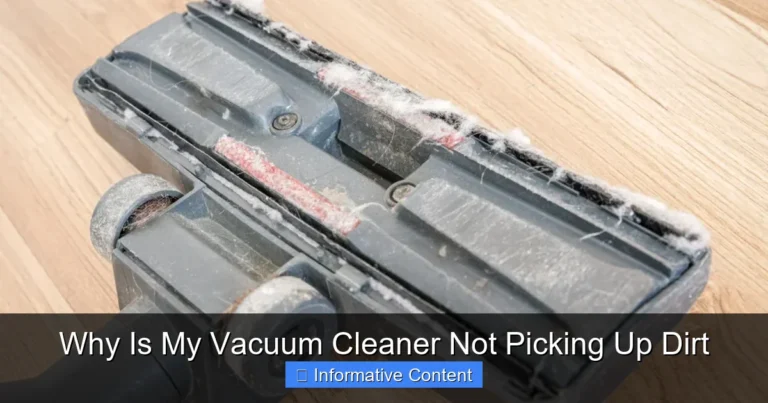
- Brush Roll Area: Turn the vacuum over. The opening where the brush roll sucks up debris can get blocked.
- Main Intake: The opening from the vacuum head to the hose can also clog.
- Check for Gaps/Cracks: Sometimes a loose hose connection or a crack in the housing can cause air leaks, reducing suction.
Brush Roll Not Spinning
If your brush roll isn’t doing its job, cleaning carpets becomes much harder. Here’s what to look for:
- Turn Off and Unplug: Always do this first!
- Inspect for Obstructions: Turn the vacuum over. Hair, string, and carpet fibers frequently get tangled around the brush roll, preventing it from turning. Use scissors or a seam ripper to carefully cut away any tangled debris.
- Check the Drive Belt: The brush roll is usually powered by a belt connected to the motor.
- Remove the bottom plate (often held by screws or clips).
- Look for a broken, stretched, or dislodged belt. If it’s broken, it needs replacing. If it’s just dislodged, try to put it back in place.
- Brush Roll Itself: Sometimes the brush roll mechanism can be stiff or broken. Try spinning it by hand. If it’s hard to turn even after cleaning, the brush roll bearings might be faulty.
Vacuum Not Turning On (No Power)
This is usually an electrical issue, often simpler than you think.
- Check the Outlet: Plug another appliance into the same outlet to ensure it’s working. If not, check your circuit breaker.
- Inspect the Power Cord: Look for any visible damage to the cord, like cuts, fraying, or pinches, especially near the plug or where it enters the vacuum. A damaged cord is a safety hazard and needs professional repair or replacement.
- Thermal Cut-Off: Many vacuums have a thermal cut-off switch that activates if the motor overheats (often due to a clog or full bag). Unplug the vacuum, empty it, clear any clogs, and let it cool for at least 30 minutes before trying again.
- Internal Wiring/Switch: If none of the above work, it could be an internal wiring issue or a faulty power switch. These are more complex and might require professional help or parts replacement if you’re comfortable with electrical work.
Strange Noises or Burning Smell
These symptoms are red flags that something is definitely wrong.
- Burning Smell:
- Overheated Motor: Often caused by a severe clog, full bag, or a worn-out drive belt slipping. Follow the steps for “no suction” or “brush roll not spinning” to address clogs and belt issues. Let the vacuum cool down completely.
- Brush Roll Jam: If the brush roll is severely jammed and the motor is still trying to spin it, the belt can rub, creating a burning smell. Clear the jam immediately.
- Loud Noises (Grinding, Whirring):
- Object in Fan/Motor: A small hard object might have bypassed filters and reached the motor’s fan, causing a grinding noise. This often means disassembly is needed and can be complex.
- Worn Bearings: The motor or brush roll bearings might be failing, creating a loud whirring or grinding sound.
- Loose Parts: Check if any screws or plastic components have come loose inside.
Always unplug the vacuum immediately if you notice a burning smell or extremely loud, unusual noises.
Detailed Repair Steps for Common Issues
Once you’ve diagnosed the problem, here’s how to repair a vacuum cleaner by tackling some specific fixes.
Clearing Clogs
Clogs are often the easiest to fix.
- Unplug the vacuum.
- Empty the dust bag or canister.
- Check the Hose: Disconnect the hose from both ends. Straighten it out and look inside. If you see an obstruction, use a broom handle or a long, flexible but sturdy object (like a plumbing snake) to push the clog through. Avoid using sharp objects that could puncture the hose.
- Check the Intake Opening: Turn the vacuum head over. Use your fingers or pliers to pull out any hair, string, or debris caught in the opening leading to the brush roll and hose.
- Check the Wand/Attachments: If you use extensions or attachments, check them for blockages too.
- Check the Exhaust Vent: Less common, but sometimes dust can build up around the motor exhaust. Ensure it’s clear for proper airflow.
Freeing a Jammed Brush Roll
A simple yet effective repair.
- Unplug the vacuum and turn it over.
- Access the Brush Roll: You might need to remove a bottom plate, which is usually held by a few screws (often Phillips head). Keep track of these screws!
- Remove Obstructions: Carefully use scissors or a seam ripper to cut away all tangled hair, thread, or string from the brush roll. Pull out any larger debris. Take your time to get everything off.
- Check for Free Movement: Once clean, try to spin the brush roll by hand. It should turn freely.
- Inspect the Belt: While you’re in there, ensure the drive belt is still properly seated around the motor shaft and the brush roll.
- Reassemble: Replace the bottom plate and secure the screws.
Replacing a Drive Belt
Belts can wear out, stretch, or break. Replacing one is a common repair.
- Unplug the vacuum and turn it over.
- Remove the Bottom Plate: Unscrew or unclip the bottom cover to expose the brush roll and belt.
- Remove the Old Belt:
- If the belt is broken, simply remove the pieces.
- If it’s still intact but stretched, gently roll it off the brush roll and then off the motor shaft.
- Position the New Belt:
- First, loop the new belt around the motor shaft.
- Then, slide the brush roll into position, making sure the belt is also looped around the brush roll.
- You’ll likely need to stretch the belt a bit to get it over the brush roll. It should feel snug.
- Ensure Proper Seating: Once the brush roll is back in its mounts, check that the belt is centered on both the motor shaft and the brush roll. Spin the brush roll by hand to make sure the belt moves smoothly.
- Reassemble: Replace the bottom plate and secure it with screws.
Important: Make sure you get the correct replacement belt for your specific vacuum model.
Checking Filters and Bags/Canisters
This isn’t a “repair” in the traditional sense, but it fixes weak suction effectively.
- Unplug the vacuum.
- Empty Dust Bag/Canister: If your vacuum uses a bag, replace it when it’s about two-thirds full. If it’s bagless, empty the canister after each use or when the “full” indicator shows.
- Clean/Replace Filters:
- Pre-Motor Filters: Often foam or felt, located near the dust bin. These can usually be rinsed under cool water and air-dried completely (for at least 24 hours) before reinserting.
- HEPA/Post-Motor Filters: Often pleated paper, located near the motor exhaust. Many of these are not washable and need to be replaced periodically (check your manual for frequency).
- Check for proper seating: Make sure all filters and the dust bin/bag are correctly seated and sealed after cleaning or replacement.
Why DIY Vacuum Repair Matters
Knowing how to repair a vacuum cleaner yourself offers several great benefits:
- Saves Money: Professional repairs can be costly, and often a new vacuum seems like the easier option. Doing it yourself can save you significantly.
- Extends Appliance Lifespan: Many vacuums are discarded for minor, easily fixable issues. Repairing them keeps them out of landfills and gets more use out of your investment.
- Reduces Waste: It’s a more environmentally friendly approach than constantly buying new appliances.
- Empowerment: There’s a real sense of accomplishment that comes from fixing something with your own hands. You gain valuable skills for other household repairs too.
- Quick Fixes: Instead of waiting for a repair shop or a new delivery, you can often get your vacuum back up and running in minutes.
Common Mistakes to Avoid During Repair
Even with good intentions, it’s easy to make small errors. Here are some pitfalls to steer clear of when learning how to repair a vacuum cleaner:
- Forgetting to Unplug: This is the most crucial mistake. Always unplug!
- Using the Wrong Tools: Trying to force screws or pry open parts with inappropriate tools can strip screw heads or break plastic components.
- Ignoring the Manual: Your vacuum’s manual has specific diagrams, parts lists, and instructions for your model. It’s a valuable resource.
- Over-tightening Screws: This can crack plastic housings. Tighten just enough until snug.
- Not Checking All Possible Causes: Sometimes there’s more than one issue, or the obvious problem isn’t the root cause. Go through the full troubleshooting list.
- Rushing the Repair: Take your time. Lay out parts, take photos if you need to remember how things fit together, and don’t force anything.
- Using the Wrong Replacement Parts: Belts, filters, and other components are often model-specific. Using a generic or incorrect part can cause further damage or not work at all.
Practical Tips for Successful Vacuum Cleaner Repair
To make your repair process even smoother, keep these tips in mind:
- Take Photos: Before disassembling anything, snap a few pictures with your phone. These can be lifesavers when it comes time to put everything back together.
- Organize Screws and Parts: Use a small bowl, an egg carton, or even tape screws to a piece of paper and label them. This prevents lost parts and helps remember their location.
- Clean as You Go: While you have the vacuum open, take the opportunity to clean out dust, hair, and debris from areas you wouldn’t normally reach.
- Be Gentle: Plastic components can be brittle. Avoid excessive force when prying or tightening.
- Consult Online Resources: Many vacuum models have repair videos or diagrams available online if you get stuck.
- Test Thoroughly: After any repair, test the vacuum in a clean area first, listening for unusual noises and checking for proper function before tackling a big mess.
Maintaining Your Vacuum to Prevent Future Problems
The best repair is often preventing the problem in the first place! Regular maintenance significantly reduces the likelihood of needing to know how to repair a vacuum cleaner for major issues.
- Empty/Replace Dust Bag/Canister Regularly: Don’t wait until it’s overflowing.
- Clean or Replace Filters: Follow your manual’s recommendations, usually every 3-6 months for washable filters or as needed for replacements.
- Clear the Brush Roll: After every few uses, turn the vacuum over and use scissors to snip away tangled hair and threads.
- Check Hoses for Clogs: Periodically disconnect and check the hose for blockages, especially if you notice a drop in suction.
- Inspect the Belt: Every year or so, take a look at the drive belt for signs of wear, stretching, or fraying. Replace it if it looks worn.
- Avoid Vacuuming Large Objects: Things like socks, large paper clips, or coins can easily cause clogs or damage internal components.
Frequently Asked Questions About Vacuum Cleaner Repair
What tools do I need to repair a vacuum cleaner?
For most common vacuum cleaner repairs, you’ll typically need a set of screwdrivers (Phillips and flathead), a pair of scissors or a seam ripper for cutting tangled hair, and perhaps needle-nose pliers. A sturdy, blunt object like a broom handle can help clear hose clogs. Always ensure you have a safe, well-lit workspace.
Is it worth repairing an old vacuum cleaner?
It often is, especially for common issues like clogs, jammed brush rolls, or a broken drive belt. These repairs are usually inexpensive and can significantly extend the life of your vacuum. For very old models or if the motor is failing, it might be more practical to consider replacing it, but minor repairs are almost always worth the effort.
How can I tell if my vacuum cleaner motor is bad?
A bad motor often presents with specific symptoms. These include a complete lack of power (even after checking the outlet and cord), a strong burning smell without a clog or brush roll jam, excessive noise like grinding or squealing, or intermittent operation that doesn’t resolve with cooling. Motor replacement is generally more complex and might require professional assistance.
Can I use universal parts for my vacuum?
While some very basic items like certain types of belts or filters might have universal compatibility, it’s generally best to use parts specifically designed for your vacuum cleaner’s make and model. Using incorrect parts can lead to poor performance, further damage, or even safety hazards. Always check your vacuum’s manual or the manufacturer’s website for specific part numbers.
When should I call a professional?
You should consider calling a professional if you’ve gone through all the troubleshooting steps and still can’t identify or fix the problem. Complex electrical issues, motor failures, or anything that requires specialized tools or knowledge beyond basic repairs are good reasons to seek expert help. If the repair cost approaches the price of a new vacuum, a professional can also advise on whether it’s economically viable.
Conclusion: Empowering Your Home Appliance Skills
Learning how to repair a vacuum cleaner might seem daunting at first, but as you’ve seen, many common problems have straightforward solutions. By understanding the typical issues, following safety precautions, and systematically troubleshooting, you can often bring your vacuum back to life without needing professional help. This not only saves you money but also gives you a great sense of accomplishment.
Regular maintenance is your best friend in keeping your vacuum running smoothly, preventing many of these issues before they even start. So, the next time your vacuum acts up, don’t despair! Arm yourself with this knowledge and a few basic tools, and you’ll likely find that you have all the skills you need to get your home sparkling clean once again.