How Does a Wet Vacuum Cleaner Work?
A wet vacuum cleaner operates by using a powerful motor to create suction, pulling liquids and accompanying debris into a specialized collection tank. Its unique design safely separates liquids from the electrical components, making it ideal for managing spills, extracting water from soaked areas, and deep cleaning various surfaces without causing damage.
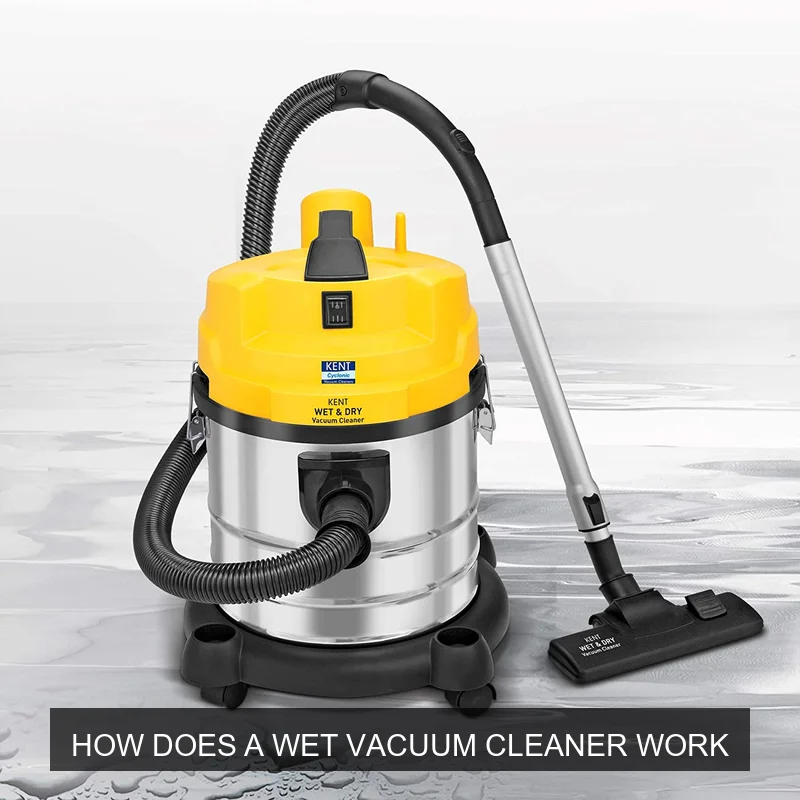
Image source: Cloudfront
📋 Table of Contents
- 🔹 Understanding the Wet Vacuum Cleaner
- 🔹 What is a Wet Vacuum Cleaner?
- 🔹 Key Components and Their Roles
- 🔹 The Step-by-Step Process of Suction and Collection
- 🔹 Wet vs. Dry Vacuum: A Critical Distinction
- 🔹 Why a Wet Vacuum Cleaner is Essential
- 🔹 Practical Benefits of Using a Wet Vacuum
- 🔹 Common Mistakes and Misconceptions
- 🔹 Tips for Effective Wet Vacuum Use
- 🔹 Real-Life Cleaning Scenarios
- 🔹 Frequently Asked Questions (FAQ)
- 🔹 Conclusion
Understanding the Wet Vacuum Cleaner
Ever faced a major spill – maybe a burst pipe, an overflowing sink, or a really messy pet accident? A regular dry vacuum cleaner just won’t cut it. In fact, using one for liquids can be dangerous and damage the appliance. That’s where the wet vacuum cleaner comes in, a specialized tool built for handling moisture and grime.
If you’ve ever wondered about the engineering behind these powerful machines and exactly how does a wet vacuum cleaner work, you’re in the right place. This guide will walk you through its unique design, key components, and the step-by-step process that allows it to tackle liquid messes so effectively.
What is a Wet Vacuum Cleaner?
A wet vacuum cleaner, often called a wet/dry vac or shop vac, is a versatile cleaning appliance designed to pick up both dry debris and liquids. Unlike a standard household vacuum, which is only meant for dry dirt and dust, a wet vacuum is built with a different internal structure to safely collect water and other fluids.
Its primary purpose is to remove standing water, clean up spills, or even extract shampoo solutions from carpets during a deep cleaning process. Think of it as a heavy-duty cleaner for situations where moisture is involved.
Key Components and Their Roles
To understand how a wet vacuum cleaner works, it helps to know its main parts. Each component plays a crucial role in its ability to handle liquids safely and efficiently.
- Motor Head: This is the brain of the operation. It houses the motor and fan assembly, which generate the powerful suction. Crucially, the motor in a wet vacuum is designed to be protected from moisture.
- Collection Tank (Canister): This is where all the sucked-up liquid and debris end up. It’s typically made from durable plastic or metal and has a large capacity.
- Hose: A flexible hose connects the cleaning attachment to the collection tank. It’s usually wider and more robust than a typical vacuum hose to accommodate liquids and larger debris.
- Filters: While different from dry vacuum filters, wet vacuums still use filters. Some use foam filters to protect the motor from water droplets, while others might have specialized cartridges for wet applications.
- Inlet Port: This is where the hose connects to the collection tank, allowing the air and collected material to enter.
- Float Mechanism: This is a critical safety feature. When the collection tank reaches its maximum liquid capacity, a float rises and blocks the air intake, preventing the motor from overfilling and potentially getting damaged.
- Drain Port (Optional): Many wet vacuums have a drain plug at the bottom of the tank, making it easier to empty collected liquids without having to lift the entire heavy tank.
The Step-by-Step Process of Suction and Collection
The operational principle of a wet vacuum cleaner is quite clever. Let’s break down the typical steps involved when you turn one on to tackle a watery mess:
- Power On and Suction Generation: When you switch on the wet vacuum, the electric motor inside the motor head begins to spin a fan at a very high speed. This spinning fan creates a low-pressure area (a vacuum) inside the collection tank.
- Air and Liquid Intake: The lower pressure inside the tank pulls air, along with any liquids, dirt, or debris on the floor, through the cleaning attachment and up the hose. It’s like a powerful straw.
- Collection and Separation: As the air and liquid mixture enters the collection tank, gravity does its work. The heavier liquids and solid particles drop to the bottom of the tank. The air, now largely free of major liquid droplets, continues upwards.
- Filter Protection: Before the air reaches the motor, it passes through a specialized filter, typically a foam sleeve. This filter catches any remaining fine water droplets or mist, preventing them from reaching the motor and causing electrical damage.
- Air Exhaust: The filtered air, now clean and dry, is then expelled out through the exhaust port of the vacuum.
- Automatic Shut-Off (Safety): As the liquid level in the collection tank rises, a float mechanism (often a ball) lifts with it. When the tank is full, this float plugs the air intake to the motor. You’ll hear the motor’s pitch change, or the suction will stop entirely. This is a crucial safety feature that tells you it’s time to empty the tank and protects the motor from liquid ingress.
This systematic process ensures that liquids are safely contained and separated from the electrical components, allowing for efficient and secure cleaning.
Wet vs. Dry Vacuum: A Critical Distinction
Understanding the difference between a wet vacuum and a dry vacuum is really important. They might look similar, but their internal mechanisms are built for entirely different tasks.
| Feature | Wet Vacuum Cleaner | Dry Vacuum Cleaner |
|---|---|---|
| Primary Function | Picks up liquids, wet debris, and can also handle dry materials. | Picks up dry dust, dirt, and small debris only. |
| Liquid Handling | Specifically designed with sealed motors and float systems to safely collect liquids. | Cannot pick up liquids; doing so can cause electric shock or severe damage to the motor. |
| Filtration System | Uses foam filters or specialized cartridges for wet use; sometimes no bag is used for wet collection. | Uses paper bags, HEPA filters, or cloth filters that would be ruined by water. |
| Collection Tank | Large, durable, often plastic or metal tank designed for liquid containment. | Dust bag or small dustbin, not designed for liquid volume. |
| Safety Features | Includes a float mechanism to prevent overfilling and motor damage from water. | No specific liquid safety features; relies on dry filtration. |
The key takeaway here is this: never use a dry vacuum cleaner for liquids. It’s a fundamental safety rule and vital for preserving your equipment.
Why a Wet Vacuum Cleaner is Essential
Beyond just cleaning up spills, understanding why a wet vacuum cleaner works the way it does highlights its importance in many scenarios. It’s not just a convenience; it’s often the safest and most effective tool for specific cleaning challenges.
- Safety First: For large liquid spills, trying to mop or use towels can be inefficient and spread the mess. A wet vacuum quickly contains and removes the liquid, reducing slip hazards and preventing water damage from spreading.
- Preventing Water Damage: When water gets into carpets, upholstery, or even hard floors, it can quickly lead to mold, mildew, and structural damage. A wet vacuum’s powerful suction extracts significant amounts of water, helping to mitigate these risks.
- Deep Cleaning Capabilities: Many wet vacuums can also be used as carpet cleaners when paired with appropriate solutions, scrubbing and then extracting the dirty water for a truly deep clean.
- Versatility: They are incredibly versatile, capable of cleaning garages, workshops, basements, cars, and even outdoor areas where dry vacuums would be impractical.
Practical Benefits of Using a Wet Vacuum
Knowing how does a wet vacuum cleaner work really helps us appreciate its practical advantages. These machines offer distinct benefits that make them indispensable for certain tasks.
- Superior Spill Cleanup: They can handle large volumes of liquid much faster and more thoroughly than mops or towels. Think of spilled drinks, pet accidents, or even minor plumbing leaks.
- Effective Water Extraction: After flooding or deep carpet cleaning, a wet vacuum excels at pulling out excess water, significantly speeding up drying times and reducing the risk of mold and mildew.
- Handles Tougher Debris: Because of their wider hoses and powerful motors, wet vacuums can often pick up not just liquids, but also larger, heavier debris that would clog a regular vacuum.
- Deep Carpet and Upholstery Cleaning: Many wet vacuums can be used with cleaning solutions to wash and then extract dirt from carpets, offering a much deeper clean than surface vacuuming.
- Adaptable to Various Surfaces: From concrete and tile to carpets and wood, wet vacuums can clean a multitude of surfaces effectively.
Common Mistakes and Misconceptions
Even with a good grasp of how a wet vacuum cleaner works, some common pitfalls can arise. Avoiding these will ensure your wet vac operates safely and lasts longer.
- Using Dry Filters for Wet Pickup: This is a big one! Always remove paper cartridge filters or replace them with foam filters when switching from dry to wet pickup. Dry filters will quickly become saturated, block airflow, and can be destroyed by water.
- Overfilling the Tank: Ignoring the float mechanism and trying to overfill the tank can lead to liquid entering the motor, causing severe damage and potential electrical hazards. Always empty when the suction changes or stops.
- Leaving Dirty Water in the Tank: Storing the wet vacuum with dirty water in the tank can lead to foul odors, mold growth, and can even damage the tank material over time.
- Not Cleaning After Use: Just like any cleaning tool, the wet vacuum itself needs cleaning. Neglecting to rinse the hose, tank, and filters after wet use can lead to blockages and odors.
- Using Harsh Chemicals: Be careful with the types of chemicals you put into or vacuum up with your wet vac. Always check the manufacturer’s guidelines for compatible cleaning solutions. Some harsh chemicals can degrade the plastic components.
Tips for Effective Wet Vacuum Use
To get the most out of your wet vacuum cleaner and ensure its longevity, follow these practical tips:
- Read the Manual: Seriously, this is the first step. Every model can have slight variations in filter requirements or special features.
- Always Use the Correct Filter: For wet pickup, either remove dry filters or use a specialized foam filter. For dry pickup, use a cartridge or bag filter. Switching is key!
- Empty the Tank Promptly: As soon as the float activates or you’re done, empty the dirty water. Don’t let it sit.
- Clean After Every Wet Use: Rinse the tank, hose, and attachments with clean water. Let them air dry completely to prevent mold, mildew, and odors.
- Check for Blockages: If suction seems weak, always check the hose and attachments for clogs, especially when picking up larger debris.
- Secure Connections: Make sure the hose and any attachments are firmly connected to maintain maximum suction.
- Mind the Power Cord: Keep the power cord out of the liquid you’re vacuuming and ensure it’s in good condition.
Real-Life Cleaning Scenarios
Let’s look at some practical examples of where understanding how a wet vacuum cleaner works really comes in handy:
- Basement Flood: Imagine your basement floods due to heavy rain. A wet vacuum can quickly remove inches of standing water, preventing further damage and speeding up the drying process significantly. You just keep emptying the tank as it fills.
- Carpet Spill: Your child knocks over a large glass of juice on the living room carpet. Instead of trying to blot with towels, a wet vacuum can suck up the liquid directly, often preventing the stain from setting in and extracting the sugary residue.
- Car Interior Cleaning: You’ve had a messy road trip, and the car’s upholstery needs a serious clean. Using a wet vac with a carpet cleaning attachment, you can spray a cleaning solution, scrub, and then immediately extract the dirty water, leaving your car seats much fresher.
- Workshop Cleanup: After a plumbing project, you might have some water, wood chips, and other debris on the garage floor. A wet vacuum handles both the liquids and the solids effortlessly, making cleanup a breeze.
- Clogged Sink Overflow: If a sink overflows, leaving a puddle on your kitchen floor, a wet vacuum can quickly and hygienically remove the water, preventing it from seeping into cabinets or under flooring.
Frequently Asked Questions (FAQ)
What is a wet vacuum cleaner?
A wet vacuum cleaner is a specialized cleaning device designed to collect both dry debris and, more importantly, liquids. It features a robust motor, a large collection tank, and specific filtration to safely separate and store water without damaging the electrical components.
How is a wet vacuum different from a dry vacuum?
The main difference lies in their ability to handle liquids. A wet vacuum has a sealed motor, a float shut-off mechanism, and filters designed for moisture, allowing it to safely suck up water. A dry vacuum, conversely, is only for dry dust and dirt; using it on liquids can cause electric shock or severe damage to the motor and internal components.
Can you use a wet vacuum for dry spills?
Yes, absolutely! Most wet vacuum cleaners are designed to function as “wet/dry” vacuums. However, it’s crucial to switch to the correct filter type (usually a cartridge or bag filter) for dry pickup, as a foam wet filter isn’t effective for fine dust and could allow particles to reach the motor.
What are the main components of a wet vacuum?
The core components include a motor head (containing the motor and fan), a large collection tank for liquids and debris, a flexible hose, specialized filters (like foam filters for wet use), and a float mechanism that prevents overfilling by shutting off suction when the tank is full.
How do you maintain a wet vacuum cleaner?
Proper maintenance involves regularly emptying and thoroughly rinsing the collection tank, hose, and attachments with clean water after each wet use. Ensure all parts are completely dry before storage to prevent mold and odors. Also, remember to clean or replace filters as needed, using the correct filter type for your specific cleaning task.
Conclusion
By now, you should have a clear understanding of how a wet vacuum cleaner works. It’s a clever combination of powerful suction, specialized filtration, and crucial safety features like the float mechanism, all designed to make quick and safe work of liquid messes.
This versatile tool is much more than just a powerful vacuum; it’s an essential helper for everything from routine deep cleaning to emergency spill management. Knowing its inner workings helps you appreciate its value, use it effectively, and maintain it properly for years of reliable service. Remember, for any liquid-based cleaning challenge, the wet vacuum cleaner is truly your best friend.