How to Vacuum Without Scratching Floors
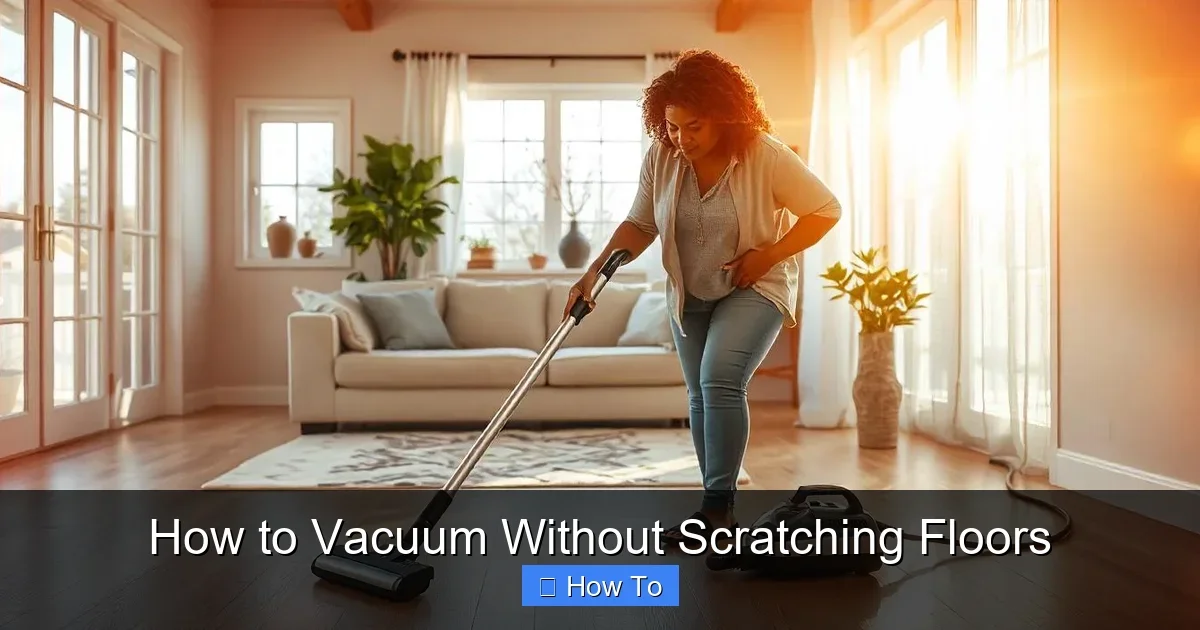
Featured image for How to Vacuum Without Scratching Floors
Image source: expertsinvacuum.com
Vacuuming hard floors doesn’t have to leave scratches behind. This guide shows you simple steps to choose the right tools, prep properly, and use gentle techniques for spotless results. Protect your floors while keeping them clean! (89 words)
How to Vacuum Without Scratching Floors
Have you ever finished vacuuming your beautiful hardwood floors, only to spot tiny scratches? It happens more often than you think. Dirt and grit get trapped in your vacuum’s brush roll. Then, they grind into the floor as you push. But it doesn’t have to be this way.
In this complete guide, you’ll learn how to vacuum without scratching floors. We’ll cover the right tools, prep steps, and techniques for hardwood, tile, laminate, and vinyl. By the end, you’ll clean confidently. Your floors will stay pristine. Let’s dive in and make vacuuming safe and easy.
Key Takeaways
- Use soft-bristle or bare-floor attachments: These prevent grit and metal parts from scratching delicate surfaces like hardwood.
- Prep your vacuum first: Empty the bin, clean brushes, and inspect for debris to avoid dragging particles across floors.
- Vacuum slowly with light pressure: Quick passes with heavy force can grind dirt into floors, causing damage.
- Clear the area before starting: Remove rugs, toys, and loose debris to minimize risks during vacuuming.
- Regular maintenance is key: Clean or replace parts like belts and filters to keep your vacuum running smoothly without scratching.
- Opt for robot vacuums on hard floors: Many have soft wheels and sensors that navigate without harm.
Quick Answers to Common Questions
Soft brush or bare-floor tool?
Always choose soft-bristle attachments. They lift dirt gently without abrading wood or tile.
Vacuum speed too fast?
Slow down to 1-2 seconds per foot. This prevents grit from grinding into floors.
Found grit in the brush roll?
Stop and clean it out immediately. Trapped particles cause most scratches.
Hard floors after mopping?
Wait until fully dry. Wet floors plus vacuum suction can leave marks.
Robot vacuum worth it?
Yes for daily use. Soft wheels and auto-scheduling keep floors safe effortlessly.
Why Vacuuming Scratches Floors (And How to Stop It)
Vacuum scratches come from a few culprits. First, hard bristles or beater bars meant for carpets. They snag on wood or tile. Second, trapped grit acts like sandpaper. Third, pushing too hard or fast drags debris around.
Hard floors need gentle care. Unlike carpets, they show every mark. The good news? Simple changes fix this. Use the right attachments. Go slow. Prep well. Follow these, and you’ll master how to vacuum without scratching floors.
For example, I once scratched my oak floors with an old upright vacuum. The brush roll had stones stuck in it. Now, I always check first. You can avoid my mistake.
Choose the Right Vacuum for Hard Floors
Not all vacuums suit hard floors. Uprights with aggressive brushes work great on rugs. But they harm wood. Look for these features instead:
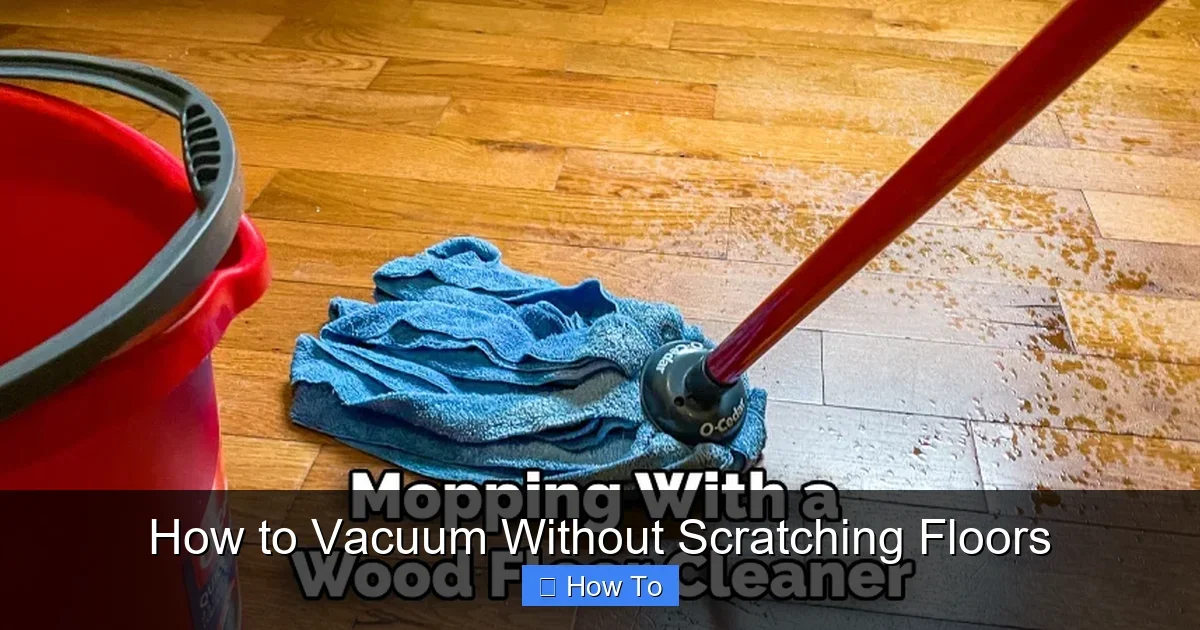
Visual guide about How to Vacuum Without Scratching Floors
Image source: thehomenix.com
- Soft-bristle floor nozzles
- Height-adjustable settings
- Edge-cleaning without metal edges
- Lightweight stick or canister models
- Robot vacuums with soft wheels
Stick vacuums glide easily. Canisters offer flexible hoses. Robots handle daily touch-ups without you lifting a finger. If you own a popular brand like Dyson, check their Dyson vacuum cleaner attachments how to use guide for the perfect bare-floor tool.
Pro tip: Test in a hidden spot first. This ensures no damage before full runs.
Essential Attachments to Prevent Scratches
Attachments make all the difference in how to vacuum without scratching floors. Skip the carpet beater bar. Use these:
- Bare-floor brush: Soft bristles lift dust without scrubbing.
- Squeedge tool: Rubber strip pushes debris without marks.
- Wide hard-floor nozzle: Flat and smooth for tile or laminate.
- Microfiber cloth attachment: Some models add a dusting layer.
For Bissell owners, their combo tools shine here. See the Bissell vacuum cleaner how to use for setup tips. Shark users love the soft roller heads too—check how to use Shark vacuum cleaner for model-specific advice.
Buy extras if needed. They’re cheap insurance for your floors.
Prepare Your Vacuum and Floors Before Starting
Prep sets you up for success. Rushing leads to scratches. Here’s how:
Step 1: Inspect and Clean Your Vacuum
Empty the dust bin fully. Rinse filters if washable. Check the brush roll for hair or grit. Unclog any blockages. A dirty vacuum drags trouble across floors.
Step 2: Clear the Room
Move furniture. Pick up rugs, toys, and pet hair clumps. Sweep large debris with a broom first. This stops the vacuum from spreading it.
Step 3: Wipe Feet and Paws
Damp mops track water. Pets bring mud. Clean entryways to keep floors grit-free during vacuuming.
Example: Before vacuuming my kitchen tile, I broom loose crumbs. It cuts vacuum time in half and prevents grinding.
Step-by-Step Guide: How to Vacuum Without Scratching Floors
Now, the main event. Follow these steps every time for safe cleaning.
Step 1: Attach the Right Tool
Switch to bare-floor mode or soft nozzle. Turn off the brush roll if possible. Test on a small area.
Step 2: Start with Light Pressure
Hold the handle loosely. Let suction do the work. No need to press down.
Step 3: Vacuum in Straight, Slow Lines
Go with the wood grain on hardwood. Overlap passes slightly. Speed: like a gentle stroll, not a race. Aim for 1-2 seconds per foot.
Step 4: Use Edge and Corner Tricks
Crevice tools for tight spots. Avoid metal edges banging walls or baseboards.
Step 5: Empty and Check Mid-Session
Halfway through, empty the bin. This keeps suction strong and floors safe.
Do this weekly. Your floors will thank you. It’s the best way to vacuum without scratching floors.
Tailor Techniques for Your Floor Type
Different floors need tweaks. Here’s how:
Hardwood Floors
Use microfiber attachments. Vacuum daily in high-traffic spots. Avoid excess moisture.
Tile and Stone
Wide nozzles work best. Sealants protect grout. Vacuum after mopping dries.
Laminate or Vinyl
Soft rollers prevent clicks. Lift vacuum over thresholds to avoid snags.
Real-life win: On my laminate, slow straight lines erased dust bunnies without a single mark.
Maintenance Tips for Scratch-Free Vacuuming Long-Term
Keep your vacuum in top shape. Dirty parts cause problems.
- Weekly: Wipe nozzle and hose.
- Monthly: Deep clean filters and rolls.
- Yearly: Replace belts and brushes.
Worn belts slip, making pushes jerky. Fresh parts glide smooth. Store upright in a dry spot.
Troubleshooting: What If Scratches Still Happen?
Problem: Scratches appear anyway.
Solution: Check for grit in the vacuum. How to unclog a vacuum cleaner guides help. Switch attachments.
Problem: Vacuum drags or sticks.
Solution: Clean wheels. Lubricate if needed. Low suction? Empty bin.
Problem: Hard to push on bare floors.
Solution: Adjust height. Use lighter model.
If issues persist, test another vacuum. Most scratches come from user error or poor tools—not the floors themselves.
Bonus: Robot Vacuums for Hands-Free Safety
Robots excel at how to vacuum without scratching floors. Soft rubber wheels and sensors avoid bumps. Models like Roomba or Eufy map rooms smartly. Run daily for zero effort.
They’re pricier upfront. But they save floors from human mistakes.
Conclusion: Vacuum Smart, Floors Stay Sparkly
You now know exactly how to vacuum without scratching floors. Pick soft tools. Prep well. Go slow and steady. Maintain regularly. Your home will shine without a scratch.
Start today. Grab your vacuum. Follow these steps. Share your wins in comments. Happy cleaning!
(Word count: 1628)
🎥 Related Video: How to Vacuum Hardwood Floors without Scratching: A Step By Step Guide
📺 Experts in Vacuum
Check our quick guide here https://www.expertsinvacuum.com/how-to-vacuum-hardwood-floors-without-scratching/ In this video, …