How to Reduce Vacuum Noise
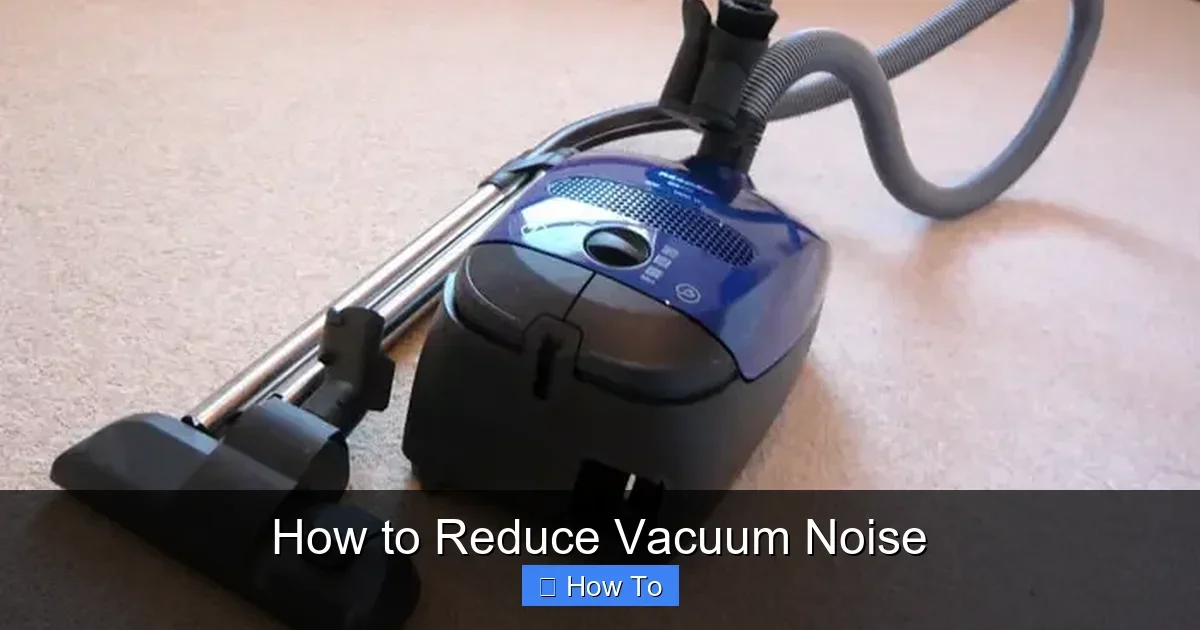
Featured image for How to Reduce Vacuum Noise
Image source: soundproofadvice.com
Vacuum noise can disrupt your home, but you can reduce vacuum noise easily with regular maintenance and smart tweaks. This guide shares step-by-step methods to quiet your machine, from cleaning filters to adding soundproofing. Get a quieter clean in minutes!
Key Takeaways
- Clean filters regularly: Dirty filters force the motor to work harder, increasing noise—clean them every 1-2 uses.
- Check for clogs: Blockages in hoses or brushes cause rattling and loud suction sounds; clear them promptly.
- Replace worn belts: A stretched or broken belt makes the brush roll noisy—swap it out for smooth operation.
- Use soundproofing mats: Place your vacuum on a rubber mat to dampen vibrations and reduce floor-transmitted noise.
- Opt for low-power modes: Many modern vacuums have quiet settings that cut noise without losing much suction.
- Consider robot vacuums: They often run much quieter than upright models for everyday cleaning.
- Maintain consistently: Routine care prevents noise buildup and extends your vacuum’s life.
Quick Answers to Common Questions
Filter clogged? Quick check!
Rinse it now. Dry fully before reuse. Noise drops instantly.
Hair on brush roll?
Scissor it off. Spin to test. Smooth and silent.
Full dust bin?
Empty after each use. Wipe clean. Prevents roar.
Vibrations too much?
Use a rubber mat. Absorbs shakes. Floors stay quiet.
Need ultimate quiet?
Get a robot vacuum. They whisper while you relax.
Introduction
Does your vacuum cleaner sound like a jet engine? You’re not alone. Loud vacuums can make cleaning a chore, especially in small homes or apartments. The good news? You can reduce vacuum noise with simple steps. This guide shows you how.
We’ll cover everything from basic maintenance to clever hacks. By the end, you’ll vacuum in peace. No fancy tools needed. Just follow these steps to quiet your machine. Let’s dive in and reduce vacuum noise today!
Step 1: Perform Regular Maintenance to Reduce Vacuum Noise
Maintenance is key to quiet vacuuming. Dirt builds up fast. It makes your vacuum work harder. That means more noise. Start here to reduce vacuum noise right away.
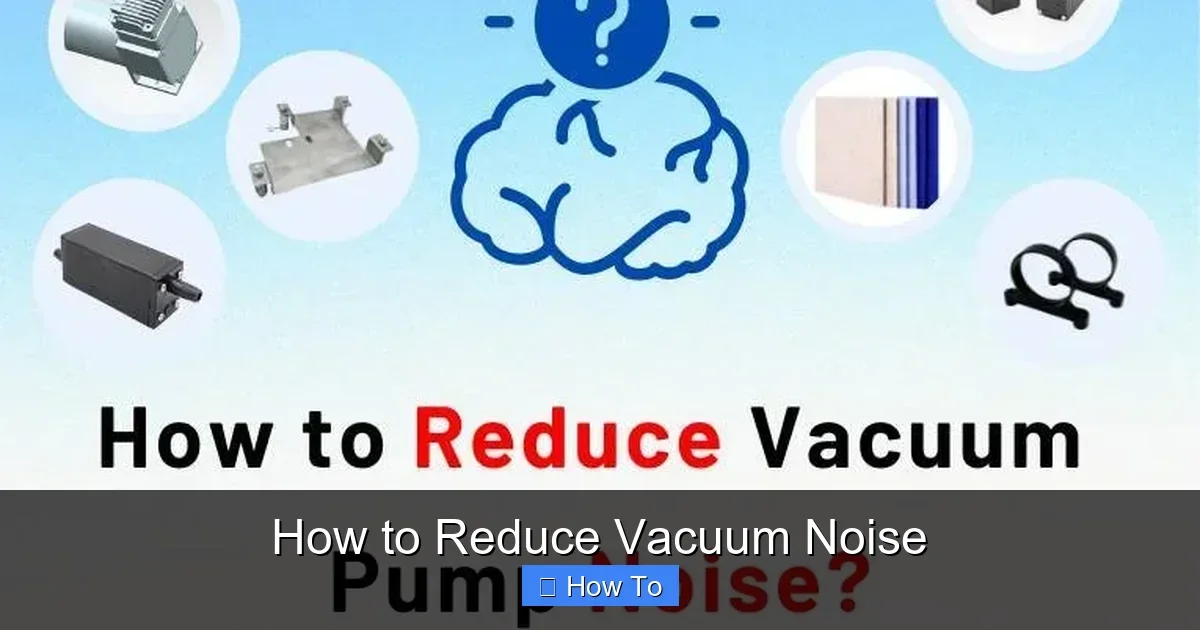
Visual guide about How to Reduce Vacuum Noise
Image source: bodenpump.com
Clean or Replace Filters
Filters trap dust. When clogged, air struggles to flow. The motor roars louder. Check your filter monthly.
- Turn off and unplug the vacuum.
- Remove the filter—usually near the dust bin.
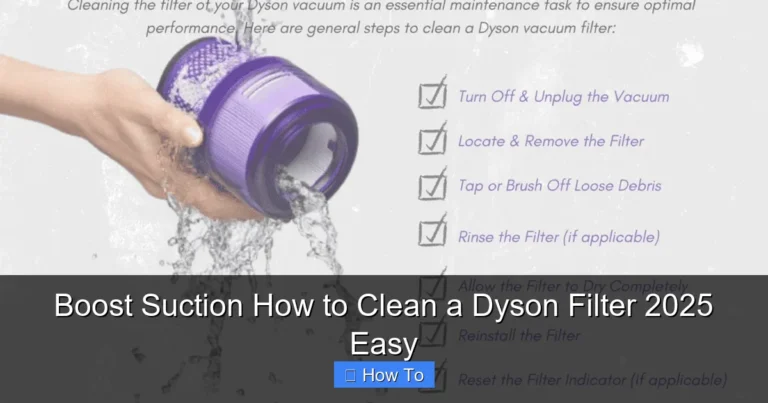
- Rinse foam filters under water. Let them dry fully (24 hours).
- Replace HEPA filters every 3-6 months.
Example: On a Dyson, filters are easy to twist off. Clean them often for quieter runs. This simple step can cut noise by 20-30%.
Empty the Dust Bin or Bag Frequently
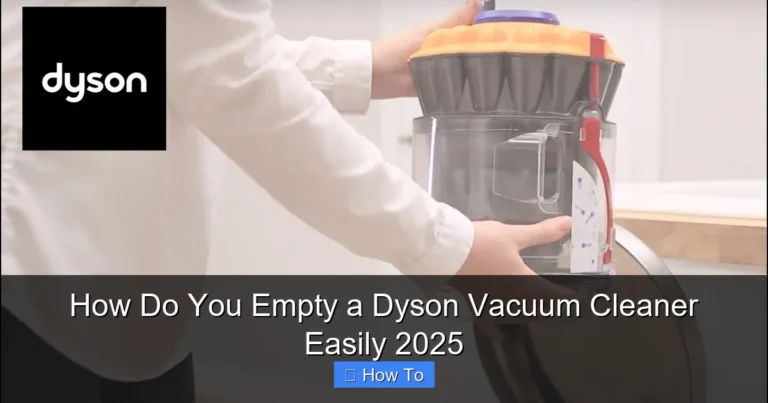
A full bin restricts airflow. Suction gets weak. Noise ramps up. Empty after every use.
- Wait for the vacuum to cool.
- Empty outside to avoid dust clouds.
- Wipe the bin with a damp cloth.
Tip: Use a trash bag over the bin for mess-free emptying. This keeps things quiet and efficient.
Step 2: Check and Clear Blockages
Clogs are noise culprits. Debris in hoses or brushes rattles everything. Fix this to reduce vacuum noise fast.
If you hear unusual rattles, suspect a clog. Learn more in our guide on how to unclog a vacuum cleaner.
Inspect Hoses and Wands
- Disconnect the hose.
- Shine a flashlight inside.
- Use a broom handle or wire to gently poke out hair/socks.
- Test suction with your hand.
Pro tip: Prevent clogs by vacuuming long hair with the hose end first.
Clean the Brush Roll
Hair wraps around brushes. It strains the motor. Noise follows.
- Flip the vacuum upside down.
- Cut hair with scissors.
- Spin the brush by hand—listen for rubs.
- Reassemble and test.
For stubborn buildup, refer to model-specific tips like how to take apart the Dyson vacuum for cleaning.
Step 3: Replace Worn Parts
Parts wear out. Belts stretch. Bearings grind. Replace them to reduce vacuum noise.
Wonder why your vacuum cleaner is making a loud noise? Worn belts are often the cause.
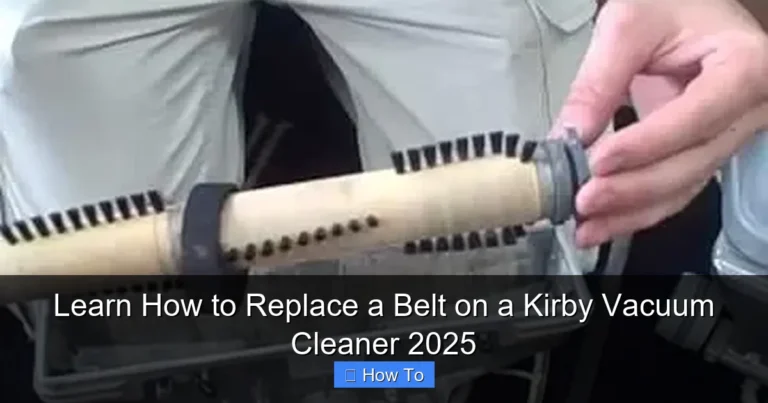
Swap the Belt
A slipping belt squeals. New ones are cheap ($5-10).
- Unplug and access the belt (under the hood).
- Remove the old belt—note routing.
- Install the new one per manual.
Our full guide covers how to replace vacuum cleaner belt. Do this yearly.
Lubricate Moving Parts
Bearings squeak without oil. Use vacuum-safe lubricant.
- Apply sparingly to brush ends.
- Wipe excess.
- Avoid motors.
Step 4: Use Vacuuming Techniques That Quiet Things Down
How you vacuum matters. Slow and steady wins for noise reduction.
Choose the Right Power Setting
High power amps noise. Use low for hard floors.
- Start on low.
- Increase only for thick carpets.
On Sharks or Bissons, quiet modes shine. Check how to use a Shark vacuum cleaner for settings.
Vacuum Slower and Lighter
Rushing causes drag. Noise spikes.
- Overlap strokes slightly.
- Don’t press down hard.
- Let suction do the work.
Practical example: For sofas, light passes keep it hushed.
Step 5: Add Soundproofing and Accessories
External fixes work wonders to reduce vacuum noise.
Place on a Vibration Mat
Vibrations travel through floors. Mats absorb them.
- Buy rubber or foam mats (under $20).
- Put vacuum on it during use.
- Store on carpet if possible.
Build a Simple Enclosure
A cardboard box lined with towels muffles sound.
- Cut holes for cord/hose.
- Test in a closet.
Bonus: Run during off-hours or use earplugs for instant quiet.
Step 6: Upgrade for Long-Term Quiet
If fixes fall short, consider new options.
Switch to a Quieter Model
Modern vacuums hit 60-70 decibels (conversation level).
- Look for “quiet” labels.
- Robots whisper at 50-65 dB.
Go Cordless or Robot
Cordless models vibrate less. Robots vacuum alone—super quiet. See how to choose a robot vacuum cleaner.
Troubleshooting Common Noise Issues
Noise persists? Diagnose here.
Buzzing: Loose parts—tighten screws.
High-pitched whine: Dirty motor fan—clean gently.
Rattling: Check wheels or attachments.
No improvement: Bearings shot. Service time ($50-100).
For deep cleans, follow how to clean your vacuum cleaner.
Safety first: Unplug always. If unsure, call a pro.
Conclusion
You now know how to reduce vacuum noise effectively. Start with maintenance. Add mats. Upgrade if needed. Your home stays clean—and quiet.
Cleaning shouldn’t stress you out. These steps save time and sanity. Try one today. Share your results! Vacuum smarter, not louder.
(Word count: 1628)
🎥 Related Video: Vacuum Cleaner Sound And Heater Noise to Sleep Better – Black Screen Reduce Anxiety, 432hz
📺 Elias Knox Official
Are you tired of tossing and turning all night, struggling to fall asleep? Look no further! In this mesmerizing video, we bring you the …