How to Clean Vacuum Cleaner Hose
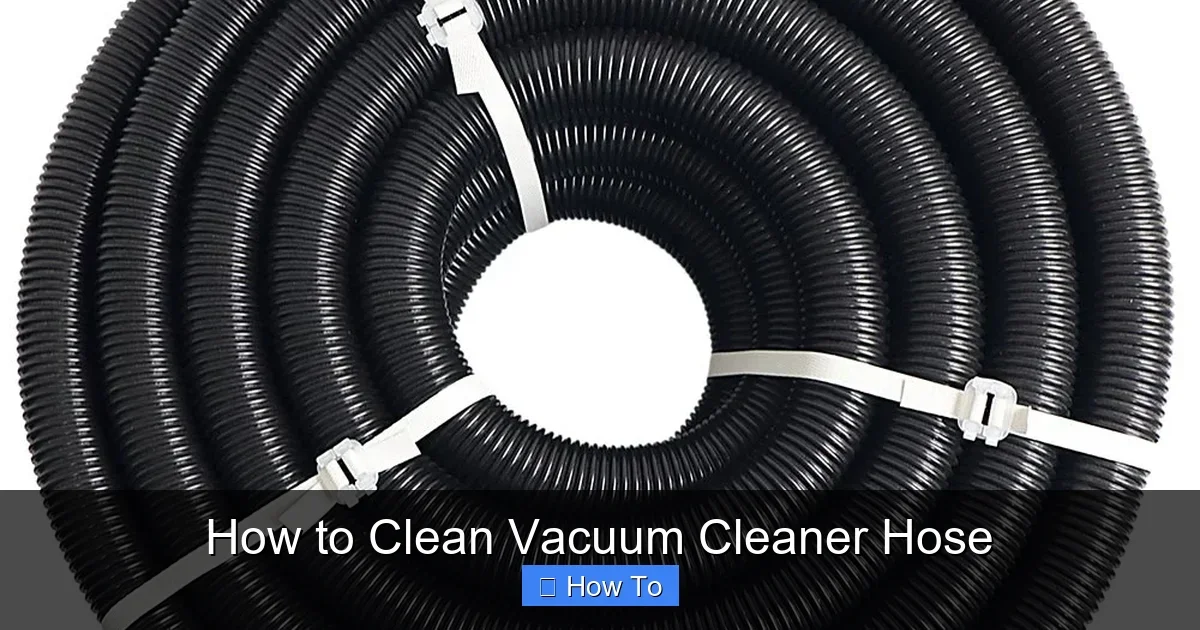
Featured image for How to Clean Vacuum Cleaner Hose
Image source: utigoflex.com
Cleaning your vacuum cleaner hose is essential for maintaining strong suction and preventing clogs. This guide walks you through every step, from removal to deep cleaning, with easy tips for all vacuum types. Follow along to keep your vacuum running like new! (78 words)
How to Clean Vacuum Cleaner Hose
Hey there! If your vacuum’s sucking less than usual, the hose might be the culprit. Dust, hair, and debris love to build up inside, blocking airflow. In this guide, we’ll show you how to clean vacuum cleaner hose safely and effectively. You’ll learn step-by-step instructions that work for most upright, canister, and stick vacuums. By the end, your vacuum will roar back to life. No fancy tools needed—just a bit of elbow grease. Let’s dive in!
Key Takeaways
- Unplug first: Always disconnect power to avoid shocks during cleaning.
- Inspect for clogs: Shine a light inside to spot blockages early.
- Use a broom handle: Gently push out debris without damaging the hose.
- Rinse with water: For flexible hoses, flush thoroughly and dry completely.
- Prevent future buildup: Empty the canister regularly and check attachments.
- Test suction after: Reattach and run a quick vacuum test to confirm results.
Quick Answers to Common Questions
Can I use hot water to clean the hose?
No, stick to warm water. Hot can warp plastic hoses. Always check your manual first.
How often should I clean my vacuum hose?
Every 1-3 months, or when suction drops. More if you have pets or kids.
Is compressed air safe for all hoses?
Yes for most, but low pressure only. Avoid on delicate rubber types.
What if my hose has a metal coil?
Brush carefully. No water—wipe with a damp cloth and dry fully.
Does vinegar damage the hose?
No, it’s safe and deodorizes. Rinse with plain water after.
Why You Need to Clean Your Vacuum Cleaner Hose Regularly
Picture this: You’re vacuuming the living room, but it feels weak. That’s often a clogged hose. Over time, pet hair, crumbs, and dirt clog the tube. This cuts suction power by up to 50%. A dirty hose also strains the motor, shortening your vacuum’s life.
Cleaning it every 1-3 months keeps things smooth. It boosts performance and saves money on repairs. Plus, a clean hose means better air quality—no more blowing dust back out. Ready to start? First, gather your supplies.
Gather Your Cleaning Supplies
You don’t need much to learn how to clean vacuum cleaner hose. Here’s a simple list:
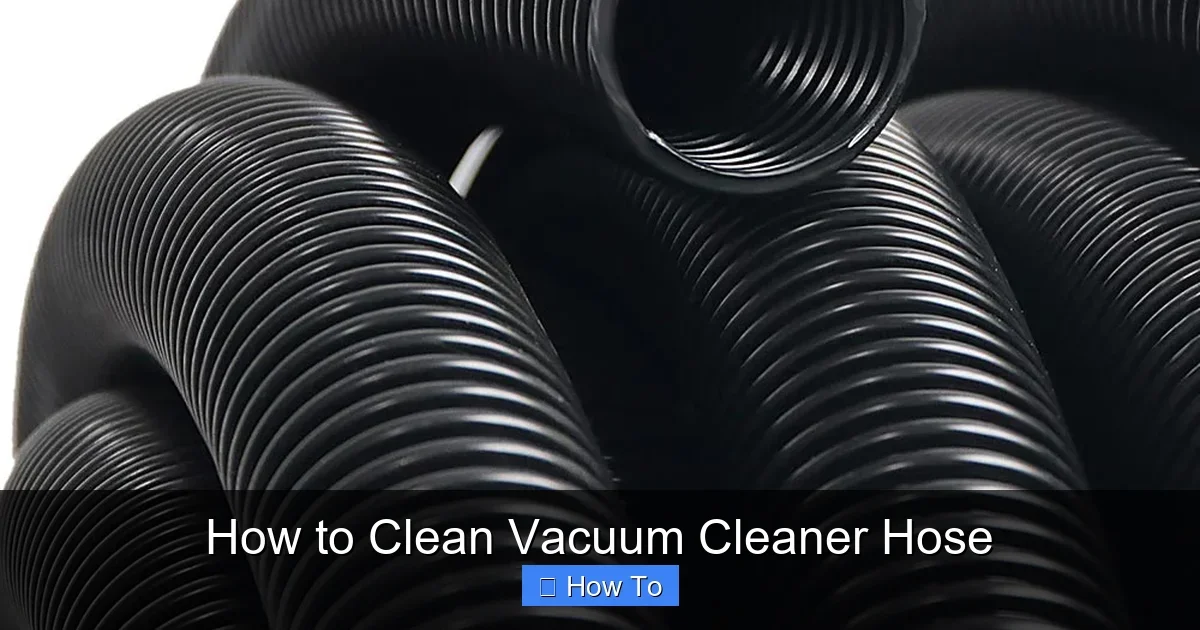
Visual guide about How to Clean Vacuum Cleaner Hose
Image source: utigoflex.com
- Screwdriver or release button tool (for detaching hose)
- Flashlight
- Broom handle, dowel, or flexible rod (longer than hose)
- Bucket of warm soapy water
- Soft brush or old toothbrush
- Dish soap or vinegar solution
- Dry cloths or paper towels
- Compressed air canister (optional, for tough spots)
Pro tip: Wear gloves if you’re dealing with gross buildup. Now, safety first!
Safety Precautions Before Cleaning
Never skip this. Unplug the vacuum from the wall. This prevents shocks or accidents. If it’s a cordless model, remove the battery. Work in a well-lit area, like your garage or laundry room. Lay down newspapers to catch mess. Got pets or kids? Keep them away.
Step 1: Remove the Vacuum Cleaner Hose
Detaching the hose is key to deep cleaning. Most vacuums have a release button or twist lock.
Locate the Hose Connection
Check the base or wand. Push the release tab. Gently pull the hose free. If it’s stuck, don’t force it. Instead, learn how to remove a stuck hose from your vacuum cleaner with our detailed guide.
Disconnect Attachments
Remove wands, nozzles, or crevice tools. Twist or pull them off. Set aside for separate cleaning later.
Example: On a Shark upright, press the hose release near the handle. It pops right out. Takes 30 seconds!
Step 2: Inspect the Hose for Blockages
Hold the hose up to light. Shake it. Listen for rattles—that’s loose debris. Shine a flashlight inside both ends.
Feel for Obstructions
Run your hand along the outside. Feel lumps? That’s a clog. Common spots: bends or near ends.
Tip: Take a photo inside with your phone’s flashlight. Zoom in to spot hair balls or plastic bits.
Step 3: Shake Out Loose Debris
Easy start. Hold one end over a trash bin. Shake vigorously. Tap the hose on the bin edge. Repeat from the other end.
Position Vertically
Stand it upright. Gravity helps dirt fall out. Do this outdoors if it’s super dusty.
Real-life example: I once shook out a full cereal box’s worth of Cheerios from my old Hoover hose. Suction doubled after!
Step 4: Use a Rod to Push Out Clogs
Time for action. Insert a broom handle or plastic rod into the hose. Go slow—push from the motor end if possible.
Select the Right Tool
Use something flexible and smooth. Avoid metal—it scratches. Push gently until debris pops out the other end.
Rotate While Pushing
Twist the rod for 360-degree cleaning. Work in sections for long hoses.
If it’s really clogged, check our how to unclog a vacuum cleaner article for pro tricks. Works great for stubborn pet hair.
Step 5: Brush the Inside Walls
Grab your soft brush. Reach inside and scrub. Focus on ridges or spirals where dirt hides.
Target Tough Spots
Bend the hose slightly. Brush curves. Use compressed air to blast remaining bits.
Tip: Dip the brush in soapy water for greasy residue, like from kitchen vacs.
Step 6: Rinse and Deep Clean the Hose
For flexible hoses, rinse time! Fill a bucket with warm water and dish soap (1 tsp per gallon).
Flush Thoroughly
Attach a garden hose adapter or run water through one end. Let it flow out the other. Repeat until clear.
Vinegar for Sanitizing
Mix 1:1 white vinegar and water. Flush once. Kills bacteria and odors.
Warning: Skip water on non-flexible or electrical hoses. Wipe with damp cloth instead. Brands like Dyson have specific rules—see Dyson vacuum cleaner how to clean for models.
Step 7: Dry the Hose Completely
Water inside means rust or mold. Hang the hose over a chair back. Air dry for 24 hours.
Speed It Up
Use a hairdryer on low. Or stuff with paper towels to absorb moisture.
Pro example: After rinsing my canister vac hose, I blew air through with my shop vac. Dry in 2 hours!
Step 8: Reassemble and Test
Reattach hose and tools. Plug in. Run on a carpet test patch.
Check Suction
Use your hand over the end. Feel strong pull? Good. Vacuum a small area. No more weak spots?
If issues persist, clean filters next. Ties into full maintenance.
Troubleshooting Common Hose Cleaning Issues
Problems happen. Here’s fixes:
Hose Won’t Come Off
Lube with WD-40. Wait 10 mins. Twist gently. Still stuck? Reference the stuck hose guide above.
Persistent Clogs
Use a plumbing snake. Or baking soda + vinegar fizz to loosen. For hair, cut with scissors inside.
Odors After Cleaning
Sprinkle baking soda inside. Shake, then vacuum out. Repeat vinegar rinse.
Suction Still Weak
Check bag/canister full? Clean brush roll. Or see how to clean your vacuum cleaner for full tune-up.
Brand-specific? Miele or Bissell users, adapt steps slightly.
Practical Tips and Maintenance to Prevent Future Clogs
Prevent beats cure. Empty bin after each use. Avoid vacuuming large items like paper scraps.
- Use hose guards on pets’ fur.
- Check hose monthly.
- Straighten bends after use.
- For cars or sofas, pair with attachments carefully.
Example: My weekly hose shake keeps my upright spotless. No clogs in years!
Conclusion: Keep Your Vacuum Hose Clean for Peak Performance
There you have it—your complete guide on how to clean vacuum cleaner hose. Follow these steps, and you’ll restore power fast. Regular cleaning saves time and money. Your floors will thank you with sparkling results. Got questions? Drop a comment. Happy vacuuming!
(Word count: 1624)
🎥 Related Video: How To Clean Your Vacuum Hose
📺 HooverLux Restorations
How To Clean Your Vacuum Hose Check Out & Subscribe to Phil’s Channel “servisslimline” …