How to Change a Vacuum Cleaner Filter
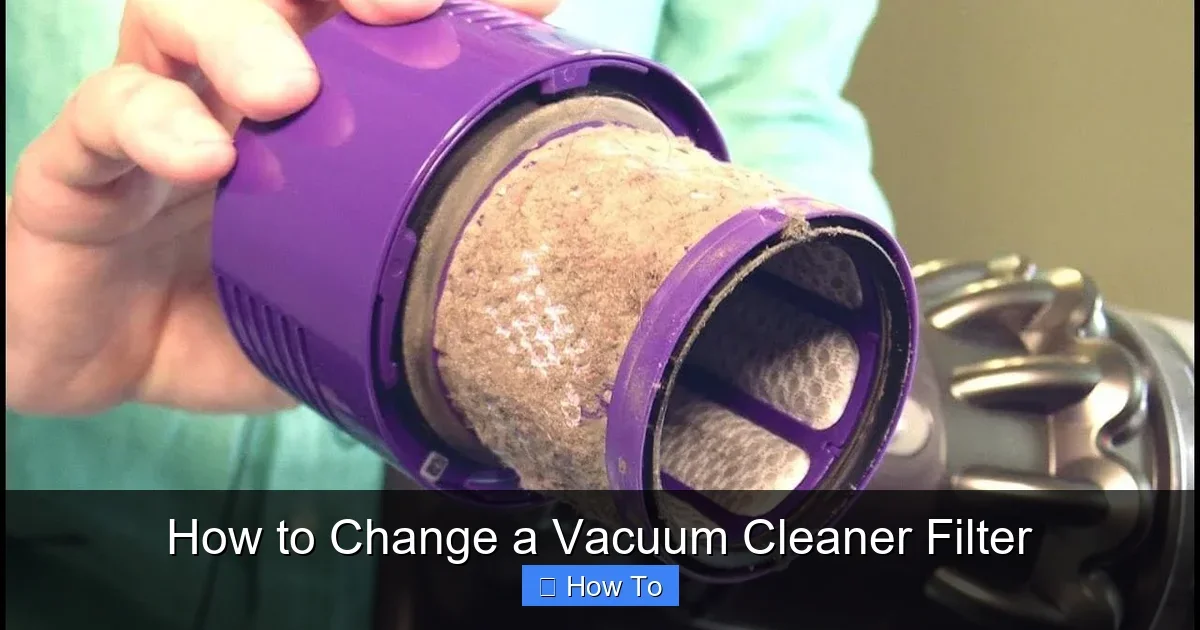
Featured image for How to Change a Vacuum Cleaner Filter
Image source: cleanerstalk.com
Changing a vacuum cleaner filter is simple and keeps your machine running like new. This guide walks you through every step, from identifying your filter type to safe disposal. Follow along to save money and maintain peak performance.
How to Change a Vacuum Cleaner Filter
Hey there, vacuum warrior! If your trusty vacuum cleaner is losing suction or pushing out dusty air, it’s time to change a vacuum cleaner filter. Filters trap dirt, allergens, and tiny particles, but they get clogged over time. A dirty filter hurts performance and can even damage your motor.
In this guide, you’ll learn everything to change a vacuum cleaner filter like a pro. We’ll cover tools needed, filter types, step-by-step instructions for uprights, canisters, and sticks, plus tips and troubleshooting. By the end, your vacuum will suck up dirt better than ever. No more weak cleaning sessions!
Why bother? Fresh filters boost airflow by up to 50%, cut allergens, and extend your vacuum’s life. Most changes take under 10 minutes. Ready? Let’s dive in.
Key Takeaways
- Unplug first: Always disconnect power to avoid shocks during filter changes.
- Know your type: Identify if it’s foam, HEPA, or exhaust before buying replacements.
- Clean reusable filters: Rinse foam types under water for longer life.
- Check manual: Brand-specific steps ensure no damage to your vacuum.
- Replace every 3-6 months: Regular swaps maintain suction and air purity.
- Dispose properly: Seal old filters in bags to trap dust.
- Test after: Run vacuum to confirm strong suction post-change.
Quick Answers to Common Questions
How often to change a vacuum cleaner filter?
Every 3-6 months, depending on use. Heavy pet homes? Monthly.
Can I wash HEPA filters?
No, most are disposable. Check label—foam yes, HEPA no.
What if my filter is stuck?
Gently twist or use screwdriver. Never force—call support.
Does filter type affect allergies?
Yes! HEPA seals 99.97% particles. Great for asthmatics.
Buy OEM or generic?
OEM fits perfect. Generics save cash—read reviews first.
Gather Your Tools and Materials
Before you change a vacuum cleaner filter, prep these basics. It keeps things smooth and safe.
What You’ll Need
- Replacement filter (match your model—check manual or online).
- Screwdriver (Phillips or flathead, if clips are tight).
- Microfiber cloth or soft brush for dusting.
- Trash bag for old filter.
- Gloves (optional, for grimy filters).
- Large towel to catch spills.
Pro tip: Buy OEM filters for best fit. Generics work too, but check reviews. Cost? $5-20 per filter. Stock up!
Unplug your vacuum first. Safety rules. Lay it on the towel in a garage or laundry room. Dust flies everywhere during a filter change.
Identify Your Vacuum Filter Type
Not all filters are the same. Knowing yours makes changing a vacuum cleaner filter easy. Most vacuums have 1-3 filters: pre-motor, post-motor (exhaust), and foam.
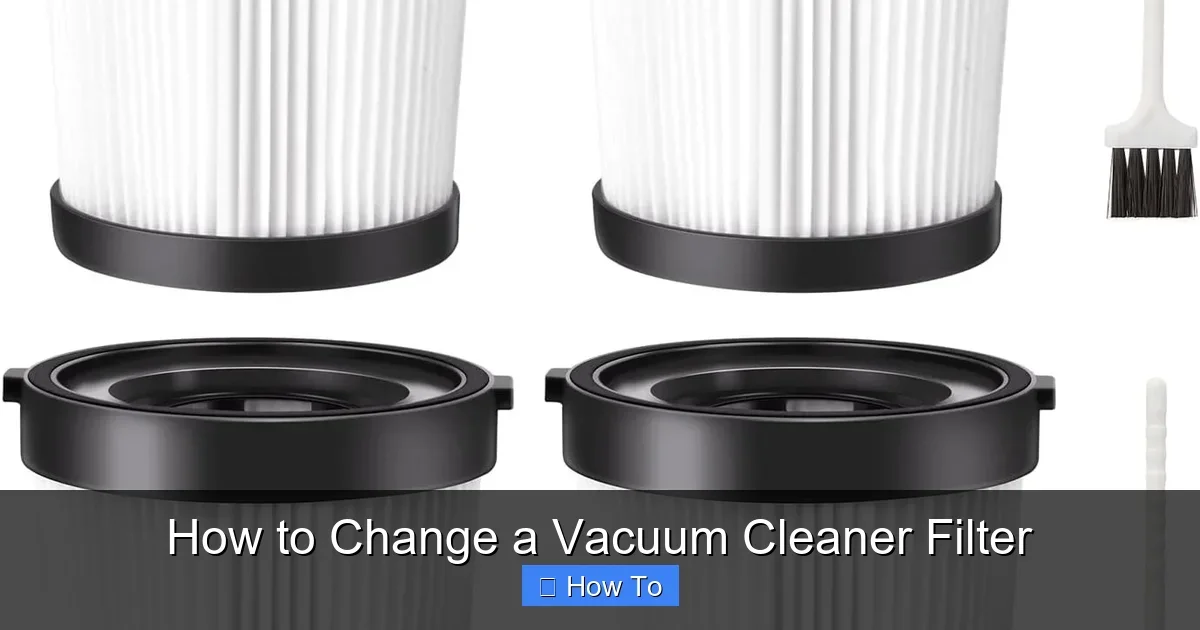
Visual guide about How to Change a Vacuum Cleaner Filter
Image source: m.media-amazon.com
Common Types
- Foam or sponge: Washable, traps large debris. Rinse and dry.
- HEPA: Seals in 99.97% of allergens. Usually disposable.
- Pleated or bag-like: High-capacity, often in canisters.
- Exhaust filter: Near motor exhaust, prevents blowback.
Check your manual or peek inside. Look for labels like “HEPA” or “washable.” Brands differ—Sharks have easy-lift panels, Dysons snap in/out. If stuck, search “[your brand] vacuum filter location.”
Example: On a Bissell upright, the filter hides under the dust cup. Kirby models need belt access first—see our guide on replacing a vacuum cleaner belt for related tips.
Step-by-Step Guide to Changing the Filter
Here’s the heart of how to change a vacuum cleaner filter. We’ll break it by vacuum type. Times vary: 5 mins for sticks, 15 for canisters.
For Upright Vacuums
- Flip upside down. Release dirt cup latch (usually red button).
- Empty cup into trash bag. Wipe inside.
- Locate filter compartment—often below cup or behind door.
- Press tabs or twist to remove old filter. Note orientation.
- If foam, rinse under cool water. Squeeze gently—no soap. Air dry 24 hours.
- Insert new/washed filter. Snap shut.
- Reattach cup. Plug in, test on carpet.
Watch for clips—force breaks plastic. Example: Hoover uprights have pull-tabs.
For Canister or Bagless Vacuums
- Open top lid or hose compartment.
- Remove dirt bin. Tap out debris outdoors.
- Find filter bay (near fan or exhaust).
- Gently pull filter. Some slide out.
- Inspect for tears—replace if damaged.
- Install new one. Push until click.
- Seal bin, close lid. Run hose test.
Tip: Canisters like Miele have dual filters. Clean both during a vacuum cleaner filter change.
For Stick or Handheld Vacuums
- Press release to open chamber.
- Shake out dust. Use brush for crevices.
- Filter often in one piece—lift straight up.
- Wash if reusable (most are foam).
- Dry fully—wet filters ruin motors!
- Slide new filter in. Reassemble.
Sticks like Shark Wand vacs shine post-filter swap. Suction jumps!
For Robot Vacuums
Robots need gentle hands. Flip bot. Remove bin. Filter’s inside—pop out, replace. Dry dock after. Check our robot vacuum chooser for model specs.
Brand bonus: For Dysons, filters twist 90 degrees. Sharks lift hood. Always consult manual for your vacuum cleaner filter change.
Practical Tips and Maintenance Best Practices
Mastering how to change a vacuum cleaner filter goes beyond steps. These tips keep you ahead.
- Schedule it: Every 3 months for heavy use, 6 for light. Mark calendar.
- Multi-filter check: Swap all at once—pre and post-motor.
- Avoid taping: Let filters breathe; tape clogs faster.
- Store smart: Keep extras in ziplock, away from moisture.
- Combine chores: While open, wipe hose. See how to unclog a vacuum cleaner if suction dips.
Example: I changed my upright’s filter and found a sock blockage. Double win! Regular vacuum cleaner filter changes prevent 80% of issues.
Bonus: Vacuum sofas weekly—filters last longer. Pair with full cleans like in our how to clean your vacuum cleaner guide.
Troubleshooting Common Problems
Issues pop up when you change a vacuum cleaner filter. Here’s fixes.
No Suction After Change
Check alignment—filters must seal. Re-seat. Test hose for clogs.
Filter Won’t Fit
Wrong size? Verify model number. Trim generics if needed (rare).
Dusty Exhaust Air
Miss exhaust filter? Double-check. HEPA tears mean full replace.
Motor Smells Burnt
Wet filter! Unplug, dry 48 hours. If persists, service time.
Pro hack: Run empty post-change 30 seconds. Confirms flow. Still weak? Belt may need swap—link above.
Conclusion
Congrats! You now know exactly how to change a vacuum cleaner filter. It’s quick, cheap, and game-changing. Your home stays cleaner, allergies ease, and your vacuum thanks you with mighty suction.
Do it monthly for best results. Share your wins below. Happy vacuuming!
(Word count: 1672)
🎥 Related Video: Don’t Forget to Change Your Shop Vac Air Filter | Wet/Dry Vac Maintenance |#diy #craftsman #filters
📺 DIY for Home and Life