How Much Vacuum Does a Vacuum Cleaner Pull
Understanding “how much vacuum does a vacuum cleaner pull” isn’t as simple as checking motor watts. This guide demystifies key metrics like kPa (static pressure), Air Watts (actual cleaning power), and CFM (airflow), which provide a clearer picture of a vacuum’s suction capabilities. You’ll learn what these terms mean, why they matter, and how factors like design, filters, and maintenance significantly impact the real-world performance of your vacuum cleaner, helping you choose the right model and keep it running efficiently.
How Much Vacuum Does a Vacuum Cleaner Pull
Ever wondered what makes one vacuum cleaner suck harder than another? It’s not always about the size of the motor or the shiny marketing claims. The question “how much vacuum does a vacuum cleaner pull” is more complex than you might think, involving a blend of science, engineering, and practical application. If you’ve ever felt like your vacuum isn’t living up to its promise, or if you’re trying to choose the perfect new cleaner, understanding these concepts is absolutely essential.
In this comprehensive guide, we’re going to dive deep into the world of vacuum cleaner suction. We’ll demystify the different ways suction is measured, explore the factors that truly affect how much vacuum a cleaner pulls, and give you practical tips to ensure your vacuum is always performing at its peak. By the end, you’ll be an expert on vacuum power, ready to make informed decisions and keep your home spotlessly clean.
Key Takeaways
- Understanding Suction Metrics is Crucial: “How much vacuum does a vacuum cleaner pull” isn’t just about motor wattage. Key metrics include Kilopascals (kPa) for static pressure, Air Watts for combined suction and airflow (true cleaning power), and Cubic Feet per Minute (CFM) for raw airflow.
- Air Watts Offer the Best Overall Performance Indicator: While kPa indicates deep suction potential and CFM indicates quick debris pickup, Air Watts provide the most comprehensive measure of a vacuum cleaner’s ability to pick up dirt and debris under real-world conditions.
- Many Factors Influence Real-World Suction: The actual suction you experience depends on more than just reported specifications. Vacuum design (upright, canister), filter cleanliness, hose length, attachments, and even the surface being cleaned all significantly impact how much vacuum a cleaner pulls.
- Maintenance is Key to Optimal Suction: Regularly emptying the dirt bin, cleaning or replacing filters, and checking for clogs in the hose and brush roll are critical steps to ensure your vacuum cleaner maintains its advertised suction power.
- Choose Based on Cleaning Needs: For deep carpet cleaning or heavy debris, prioritize kPa. For general all-around cleaning effectiveness, look for higher Air Watts. For quick surface debris removal, a good CFM rating is beneficial.
- Troubleshooting Low Suction is Usually Simple: Most instances of reduced suction can be resolved by checking for common culprits like full bins, clogged filters, or obstructions in the hose or brush head, often saving you from needing professional repairs.
Quick Answers to Common Questions
What’s the most important number for vacuum suction?
For most household cleaning, look for the “Air Watts” specification. This metric combines both suction and airflow, giving you the best indicator of a vacuum cleaner’s actual cleaning power under real-world conditions.
Does higher motor wattage mean stronger suction?
Not necessarily. While a more powerful motor contributes, efficient design, filter systems, and airflow paths play a much larger role. Focus on Air Watts, kPa, and CFM rather than just motor wattage to understand how much vacuum a cleaner pulls effectively.
How often should I clean my vacuum filters?
It depends on usage and filter type. Generally, check and clean/rinse reusable filters monthly or after every 4-6 uses. Replace disposable filters every 3-6 months. Regular filter maintenance is crucial for maintaining optimal suction.
Can a full dirt bin really reduce suction?
Absolutely. A full dirt bin or bag significantly restricts airflow through the vacuum system, immediately reducing the pressure difference it can create. This directly translates to a noticeable drop in how much vacuum your cleaner pulls.
What’s the best way to clear a vacuum hose clog?
First, unplug the vacuum. Disconnect the hose and use a strong light to look through it. A broom handle or a long, blunt object can be used to gently push the obstruction through. Never use sharp tools that could puncture the hose.
Understanding Vacuum Cleaner Suction: More Than Just Watts
When we talk about “how much vacuum does a vacuum cleaner pull,” we’re essentially discussing its ability to create a pressure difference that lifts dirt and debris. But how is that measured? And why do manufacturers use different terms? Let’s break down the key metrics.
What is “Vacuum” in Cleaning?
At its core, a vacuum cleaner creates a partial vacuum inside its system. The motor drives a fan (impeller) that rapidly moves air out of the vacuum’s collection area. This lowers the air pressure inside the cleaner relative to the air pressure outside. Because air naturally wants to move from high pressure to low pressure, it rushes into the nozzle, carrying dirt, dust, and debris along with it. The stronger this pressure difference, the more “vacuum” the cleaner pulls, and generally, the better its cleaning performance.
Key Metrics for Measuring Suction
You’ll encounter several terms when looking at vacuum cleaner specifications. Each tells a different part of the story about “how much vacuum does a vacuum cleaner pull.”
Kilopascals (kPa): The Static Pressure
Kilopascals, or kPa, measure the *static pressure* a vacuum cleaner can generate. Think of it as the maximum potential “pull” when there’s no airflow. If you block the vacuum’s hose completely, the kPa reading would be at its highest. This metric is particularly good for understanding a vacuum’s ability to lift heavy or deeply embedded dirt, like sand from a thick carpet pile. A higher kPa rating means the vacuum can create a stronger pressure difference against resistance. Typical home vacuums might range from 15 kPa to 25 kPa or even higher for powerful models.
Air Watts: The Real Cleaning Power
This is arguably the most useful metric for understanding how much vacuum a cleaner pulls in real-world cleaning scenarios. Air Watts combine both suction (pressure) and airflow (volume of air moved per minute). It’s a calculation that tells you how much power is actually being converted into cleaning work. A vacuum might have high kPa (strong static suction) but low airflow, making it great for pulling dirt from deep within fibers but slow at picking up light, scattered debris. Conversely, a vacuum with high airflow but low kPa might quickly move surface dirt but struggle with embedded grime. Air Watts give you a balanced view, indicating the vacuum’s effective cleaning power. A good household vacuum typically has between 100-250 Air Watts, with premium models going significantly higher.
Cubic Feet per Minute (CFM) / Liters per Second (L/s): The Airflow
CFM (Cubic Feet per Minute) or L/s (Liters per Second) measures the *volume of air* the vacuum moves. This is the “air speed” of your vacuum. A higher CFM means the vacuum can move a lot of air quickly. This is crucial for picking up larger, lighter debris like pet hair, cereal, or leaves, as well as for general surface cleaning. Vacuums with high CFM can clear a wider area faster. However, a high CFM alone doesn’t guarantee deep cleaning if the suction (kPa) is weak. These metrics complement each other.
Water Lift (Inches of Water): A Traditional Measure
Water lift, often expressed in “inches of water” (or mmH2O), is another way to measure static suction, similar to kPa. It quantifies how high a column of water the vacuum could lift if you sealed its hose over a container of water. This is a very direct way to measure static pressure and is commonly used for shop vacuums or industrial cleaners where raw lifting power is paramount. A higher number indicates stronger static suction. While less common for household vacuums, it gives you a clear idea of the potential “pull.”
Why Different Metrics Matter
Understanding these different measurements helps you gauge how much vacuum a vacuum cleaner pulls for *specific tasks*.
- For deep cleaning carpets: You want a good balance, but strong kPa and Air Watts are particularly important.
- For picking up pet hair or light debris on hard floors: High CFM and good Air Watts will be beneficial.
- For all-around versatility: A high Air Watt rating is usually your best bet, as it balances both suction and airflow.
Factors That Influence How Much Vacuum Your Cleaner Pulls in Reality
The specifications on the box are a great starting point, but they don’t always tell the whole story of how much vacuum a vacuum cleaner pulls in your home. Many factors come into play, influencing actual performance.
Vacuum Cleaner Design
The type of vacuum makes a difference.
- Upright Vacuums: Often have good agitation (brush rolls) and direct airflow paths, but can sometimes lose suction efficiency through long bags or filters.
- Canister Vacuums: Generally offer powerful motors and more versatile attachments. Suction can be very strong at the nozzle but might diminish slightly over longer hoses.
- Stick Vacuums: Designed for convenience and quick clean-ups. They often prioritize airflow over deep suction, meaning how much vacuum they pull might be less than larger models, but they are highly portable.
- Robot Vacuums: Focus on consistent, albeit lower, suction over time, with less direct “pull” compared to manual vacuums.
Motor Power vs. Actual Suction
It’s a common misconception that higher motor wattage (e.g., 1200W vs. 800W) directly equals stronger suction. While motor power is a component, it’s not the sole determinant of how much vacuum a cleaner pulls. A powerful motor can be inefficiently designed, losing energy to heat or creating turbulence rather than effective suction and airflow. Air Watts are a much better indicator of usable power for cleaning.
Filtration System
A vacuum cleaner’s filtration system impacts suction. HEPA filters, while excellent for trapping allergens, create more resistance to airflow than standard filters. This resistance can slightly reduce how much vacuum a cleaner pulls, especially if the filter is dirty. Cyclonic technology, which separates dirt before it reaches the filter, helps maintain consistent suction by keeping the main filters cleaner for longer.
Hose and Attachment Design
Every bend, every narrow point, and every additional length in a hose or attachment creates drag and reduces airflow. A wide, smooth hose will allow more airflow than a narrow, ribbed one. Using the wrong attachment (e.g., a large carpet head on a small handheld vacuum) can also dramatically reduce the effective suction at the cleaning surface.
Maintenance and Clogs
This is one of the biggest real-world factors. A clogged hose, a full dirt bin, or a dirty filter will drastically reduce how much vacuum your cleaner pulls. The motor might still be running at full power, but the path for air and dirt is blocked, starving the system of effective airflow and pressure difference.
Surface Type
The surface you’re cleaning also affects effective suction. A vacuum cleaner will generally pull more vacuum on a sealed hard floor than on a deep-pile carpet. On carpet, much of the suction is absorbed by the fibers, requiring more power to achieve the same cleaning effect. This is why brush rolls and agitation are so important for carpets – they help dislodge dirt, making it easier for the vacuum to pull it in.
How to Compare Vacuum Cleaner Suction When Buying
Now that you understand the metrics and influencing factors, how do you use this knowledge when shopping?
Look for Air Watts First
If a manufacturer lists Air Watts, this should be your primary metric for overall cleaning performance. It’s the most balanced indicator of how much vacuum a cleaner pulls effectively. Aim for at least 100 Air Watts for basic cleaning, and 200+ for powerful, deep cleaning on various surfaces.
Consider kPa for Deep Cleaning
If you have thick carpets, pets, or frequently deal with embedded dirt (like sand or mud), a higher kPa rating is beneficial. It indicates the vacuum’s ability to create strong static suction to dislodge and lift stubborn debris.
Don’t Forget Airflow (CFM)
For large areas, quick clean-ups, or picking up light, bulky debris (like pet hair or cereal), a good CFM rating ensures the vacuum can move a high volume of air quickly. This speeds up the cleaning process and prevents lighter items from being left behind.
Read Reviews and Specifications Carefully
Always check reputable reviews that test vacuums in real-world conditions. Many manufacturers focus on motor wattage, which, as we’ve discussed, isn’t the whole story. Look for brands that are transparent about their kPa, Air Watts, and CFM figures.
Maximizing How Much Vacuum Your Cleaner Pulls for Peak Performance
Even the most powerful vacuum cleaner will underperform if not maintained correctly. Here’s how to ensure your vacuum always pulls its maximum potential vacuum.
Empty the Dirt Bin Regularly
This is perhaps the simplest yet most effective tip. A full dust bin or bag severely restricts airflow and reduces suction. As dirt accumulates, it creates a barrier, making it harder for the vacuum to pull air through. Empty bagless bins after every use or when the “full” indicator shows, and replace bags before they’re completely full.
Clean or Replace Filters
Filters are crucial for trapping dust and allergens, but they also get dirty. Clogged filters dramatically reduce how much vacuum a vacuum cleaner pulls.
- Rinsable Filters: Wash them according to the manufacturer’s instructions (usually with cold water) and allow them to air dry completely before reinserting.
- Disposable Filters: Replace them as recommended by the manufacturer, typically every 3-6 months, depending on usage.
- HEPA Filters: These may be rinsable or require replacement. Always check your specific model’s guidelines.
Check for and Clear Clogs
A blockage in the hose, wand, or nozzle can cripple suction.
- Hose: Disconnect the hose and carefully look through it. Use a broom handle or a long, blunt object to gently push through any obstructions. Never use sharp objects that could puncture the hose.
- Wand/Attachments: Inspect these for blockages, especially if they have narrow openings.
- Brush Roll Area: Hair and debris can wrap around the brush roll, impeding its rotation and blocking the suction path. Turn off and unplug the vacuum, then cut away any tangled hair or fibers.
Use the Right Attachments
Using the correct attachment for the surface or task at hand can significantly improve effective suction. For example, a crevice tool concentrates the suction for tight spots, while an upholstery tool is designed to lift dirt from fabrics without damaging them. A bare floor tool might have less “pull” than a carpet head but creates a better seal on hard surfaces, making it more effective.
Ensure a Tight Seal
Any leaks in the vacuum system—around the dirt bin, filters, or hose connections—will allow air to escape or enter without going through the cleaning path. This reduces the pressure difference and, consequently, how much vacuum your cleaner pulls. Make sure all components are securely fitted and latched.
Adjust Height Settings
For upright vacuums, ensure the brush roll height is appropriate for your carpet pile. If it’s too high, the vacuum won’t create a good seal, reducing suction. If it’s too low, it can make the vacuum difficult to push and potentially damage the carpet or vacuum.
Troubleshooting: When Your Vacuum Cleaner Isn’t Pulling Enough Vacuum
Even with regular maintenance, sometimes your vacuum just doesn’t feel like it’s pulling its weight. Don’t panic! Most low suction issues are easily fixable.
Symptoms of Low Suction
You might notice:
- It takes multiple passes to pick up dirt.
- The vacuum leaves behind debris.
- It sounds different – perhaps higher pitched or straining.
- The suction simply feels weaker when you put your hand to the nozzle.
Step-by-Step Troubleshooting
Follow these steps methodically to diagnose and fix the problem:
Check the Dust Bin and Filters
First and foremost, check if the dust bin is full or the bag needs replacing. For bagless vacuums, empty the bin. For bagged models, replace the bag even if it’s not completely packed, as fine dust can clog the bag’s pores. Next, inspect your filters. If they’re visibly dirty, clean or replace them according to the manufacturer’s instructions. Remember to let washable filters dry completely.
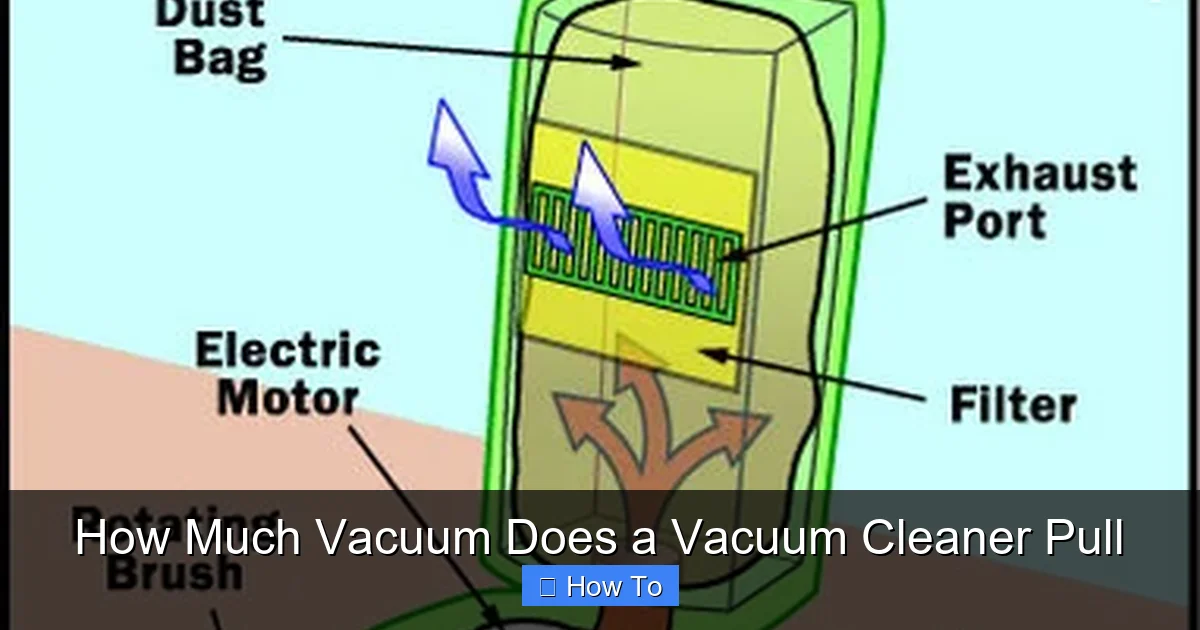
Visual guide about How Much Vacuum Does a Vacuum Cleaner Pull
Image source: thermodynamicsofvacuumcleaner.weebly.com
Inspect the Hose and Attachments for Obstructions
Disconnect the hose from the vacuum and carefully look for any blockages. Use a light source to see through it, or gently push a broom handle through from one end to the other. Check all attachments, wands, and connecting pipes for anything caught inside. Often, a sock, a piece of paper, or a clump of hair can cause a significant blockage.
Examine the Brush Roll
Turn off and unplug your vacuum. Flip the power head over and inspect the brush roll. Hair, thread, and carpet fibers frequently get wrapped around it, preventing it from spinning freely and obstructing the suction path. Use scissors to carefully cut away any tangled debris. Also, check if the belt driving the brush roll is intact and properly seated.
Look for Leaks in the System
Run your hand along all seams, connections, and around the dust bin/filter areas while the vacuum is running (be careful!). If you feel air escaping, it indicates a leak. Ensure all latches are secure and that the dust bin, filters, and hose connections are seated properly. A cracked hose or a faulty gasket can also cause leaks, diminishing how much vacuum your cleaner pulls.
Consider Professional Service
If you’ve gone through all these steps and your vacuum is still not pulling enough vacuum, there might be an internal issue with the motor or fan. In such cases, it’s best to consult the manufacturer’s customer service or take it to a professional vacuum repair shop. Attempting complex internal repairs yourself could void your warranty or cause further damage.
Conclusion
The question “how much vacuum does a vacuum cleaner pull” isn’t a simple one-number answer. It’s a nuanced interplay of static pressure (kPa), airflow (CFM), and combined cleaning power (Air Watts), all influenced by design, maintenance, and how you use the machine. By understanding these metrics and the factors at play, you can not only choose a vacuum cleaner that truly meets your needs but also ensure it operates at its peak performance for years to come. Regular maintenance isn’t just about prolonging your vacuum’s life; it’s about consistently experiencing the full suction power you paid for. Happy vacuuming!
🎥 Related Video: Pulling a #vacuum #refrigeratorrepair #training
📺 Fred’s Appliance Academy