How Much Suction Power Is Good for Robot Vacuum Cleaner
Choosing the right robot vacuum requires understanding suction power. This comprehensive guide reveals how much suction power is good for robot vacuum cleaner, tailored to your home’s unique needs. From hard floors to deep carpets and pet hair, discover optimal Pascal (Pa) ratings and learn how other features like brush systems and navigation contribute to overall cleaning effectiveness. By the end, you’ll know exactly how to pick the perfect cleaner for a truly spotless home, ensuring a smart investment in cleanliness.
Welcome to the ultimate guide on finding the perfect cleaning companion for your home! If you’re pondering the question, “how much suction power is good for robot vacuum cleaner,” you’re not alone. It’s one of the most common and important considerations when investing in one of these clever gadgets. After all, a robot vacuum is only as good as its ability to pick up dirt, dust, and debris, right?
Choosing the right robot vacuum isn’t just about picking the one with the biggest number on the box. It’s about understanding what those numbers mean and how they apply to your specific living situation. In this comprehensive guide, we’ll dive deep into the world of robot vacuum suction power. We’ll break down the metrics, discuss the factors that influence your suction needs, and provide clear recommendations so you can confidently answer the question: how much suction power is good for robot vacuum cleaner for your home. You’ll learn how to match suction power to your floor types, pet situation, and cleaning habits, ensuring you get the most bang for your buck and a truly spotless home.
Key Takeaways
- Understand Pascal (Pa) Ratings: Suction power in robot vacuums is primarily measured in Pascals (Pa). Higher Pa ratings generally mean stronger suction, but the ideal level depends on your specific cleaning needs and floor types.
- Match Suction to Floor Type: Hard floors typically require less suction (1500-2500 Pa) compared to low-pile carpets (2500-3500 Pa). For medium-to-high pile carpets and homes with pets, aim for 3500 Pa or more to ensure effective debris and hair removal.
- Consider More Than Just Pa: While raw suction power is important, a robot vacuum’s overall cleaning performance is significantly influenced by its brush system, navigation capabilities, and intelligent features. A good brush system can often compensate for slightly lower suction on certain surfaces.
- Pet Hair Demands Higher Power: If you have pets, prioritizing higher suction power (3500+ Pa) is crucial for tackling embedded fur and dander, especially on carpets.
- Maintenance Boosts Performance: Regularly cleaning brushes, emptying the dustbin, and changing filters are essential for maintaining optimal suction power and extending the lifespan of your robot vacuum.
- Don’t Overpay for Unnecessary Power: Buying a robot vacuum with excessively high suction power that you don’t need might result in a higher cost without a significant improvement in cleaning for your specific environment. Assess your home’s requirements before making a decision.
- Look for Smart Features: Features like intelligent mapping, multi-level cleaning, and carpet boost technology can greatly enhance cleaning efficiency, allowing the robot vacuum to optimize its suction power and cleaning path for different areas of your home.
Quick Answers to Common Questions
What’s the bare minimum Pa I need for hard floors?
For hard floors (wood, tile), a robot vacuum with around 1500 Pa is typically sufficient to pick up everyday dust, crumbs, and light debris. Anything less might struggle with slightly larger particles.
Do I always need the highest suction power available?
No, not necessarily. While more suction sounds better, an excessively high Pa rating might be overkill and unnecessary for homes with only hard floors or light cleaning needs, potentially leading to a higher cost without significant benefit. Focus on matching suction to your specific situation to determine how much suction power is good for robot vacuum cleaner for you.
How does a robot vacuum know when to increase suction?
Many modern robot vacuums feature “carpet boost” technology. They use sensors to detect when they transition from a hard floor to a carpet, automatically increasing their suction power to clean the carpet more effectively, then reducing it again on hard surfaces to save battery.
Can too much suction power be bad?
For robot vacuums, “too much” suction power isn’t generally harmful to your floors, but it can lead to faster battery drain and potentially more noise. It’s more about finding the optimal balance for efficiency and effective cleaning.
Should I consider a robot vacuum with a self-emptying base if I have pets?
Absolutely! If you have pets, a robot vacuum with a self-emptying base can be a game-changer. Pet hair fills dustbins quickly, and a self-emptying feature means less frequent manual emptying and consistent, powerful cleaning without interruptions, making the question of how much suction power is good for robot vacuum cleaner easier to manage as the bin won’t clog so quickly.
Understanding Robot Vacuum Suction Power Metrics
Before we can determine how much suction power is good for robot vacuum cleaner, let’s clarify what suction power actually means in the context of these devices. The most common measurement you’ll encounter is Pascals (Pa).
What is Pascal (Pa)?
Pascal (Pa) is a unit of pressure, and in robot vacuums, it quantifies the vacuum’s ability to lift debris from a surface. A higher Pascal number generally indicates stronger suction. Think of it as the force the vacuum can exert to pull dirt upwards. For most robot vacuums on the market today, you’ll see ratings ranging anywhere from 1500 Pa all the way up to 8000 Pa or even more for high-end models.
Other Metrics (And Why Pa is Key for Robot Vacuums)
You might have heard of other suction metrics like Air Watts (AW) or Cubic Feet per Minute (CFM) for traditional upright vacuums. While these are relevant for larger, more powerful machines, they are rarely used to describe robot vacuum cleaners. This is largely because robot vacuums operate on different principles and have smaller motors. When you’re comparing robot vacuums, focus primarily on the Pa rating as it’s the industry standard for these devices and gives you the clearest picture of their suction capability.
Factors Influencing How Much Suction Power is Good for Robot Vacuum Cleaner
The “good” amount of suction power is not a one-size-fits-all answer. It highly depends on your unique home environment and cleaning requirements. Here are the key factors to consider:
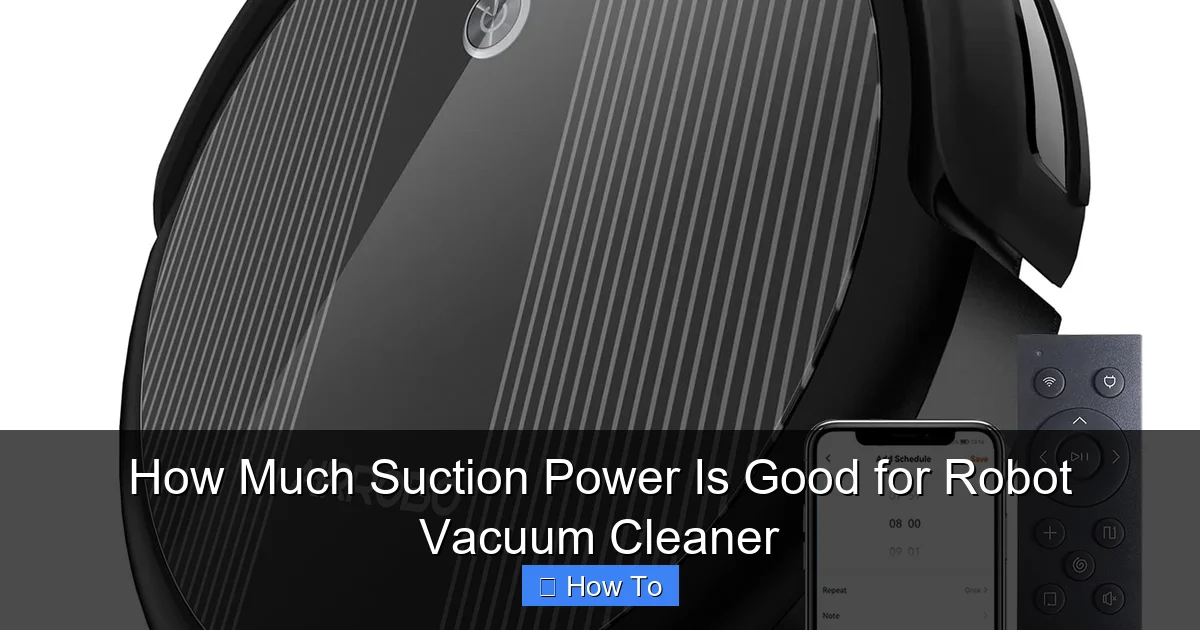
Visual guide about How Much Suction Power Is Good for Robot Vacuum Cleaner
Image source: m.media-amazon.com
Floor Type
This is perhaps the most critical factor. Different surfaces require different levels of suction to be cleaned effectively.
- Hard Floors (Hardwood, Tile, Laminate, Vinyl): These surfaces are generally the easiest to clean. Debris sits on top and doesn’t get embedded. A moderate amount of suction power, typically in the range of 1500 Pa to 2500 Pa, is often sufficient to pick up dust, crumbs, and light dirt.
- Low-Pile Carpets and Rugs: For short-pile carpets, where dirt can get slightly nestled into the fibers, you’ll need a bit more oomph. We’re talking in the range of 2500 Pa to 3500 Pa. This extra power helps agitate the carpet fibers and lift embedded dirt.
- Medium to High-Pile Carpets and Thick Rugs: These are the most challenging surfaces for any vacuum, robot or otherwise. Dirt and debris can become deeply embedded, requiring significant suction and agitation to dislodge. For these floor types, you should look for robot vacuums with 3500 Pa or higher.
Pet Hair Presence
If you share your home with furry friends, the question of how much suction power is good for robot vacuum cleaner becomes even more critical. Pet hair, especially from shedding animals, can be notoriously difficult to pick up.
- Light Shedders: For homes with one or two pets that don’t shed excessively, a robot vacuum with 2500-3500 Pa might suffice, especially if combined with an effective brush system.
- Heavy Shedders or Multiple Pets: If your home is frequently covered in pet hair, particularly on carpets, you absolutely need a robot vacuum with high suction power – 3500 Pa or more is highly recommended. The stronger suction helps pull hair from carpet fibers and prevents tangling in the brushes.
Type and Amount of Debris
What kind of messes do you typically clean up?
- Everyday Dust and Light Debris: If your home mostly accumulates everyday dust bunnies, crumbs, and light dirt, moderate suction (1500-2500 Pa) will usually do the trick.
- Larger Debris (e.g., Cereal, Litter): For homes with kids or specific areas prone to larger spills (like kitchen cereal or cat litter tracking), a higher suction power (2500 Pa+) can be beneficial to ensure everything gets picked up without multiple passes.
Frequency of Cleaning
How often do you plan to run your robot vacuum?
- Daily Cleaning: If you run your robot vacuum daily, even moderate suction power can keep your floors consistently clean by preventing debris buildup.
- Less Frequent Cleaning (2-3 times a week): If you run it less often, you might want to opt for higher suction to tackle the accumulated dirt more effectively in fewer passes.
Room Size and Layout
While not directly related to suction power, the size and layout of your home can influence the *efficiency* of your robot vacuum. A larger home with many rooms might benefit from a robot vacuum that can cover more ground efficiently, using its suction power wisely. However, the core question of how much suction power is good for robot vacuum cleaner still comes back to the floor types and debris within those rooms.
Recommended Suction Power Levels: How Much Suction Power Is Good for Robot Vacuum Cleaner?
Based on the factors above, here are general guidelines for choosing the right suction power:
For Hard Floors Only (Wood, Tile, Laminate)
- 1500 Pa – 2500 Pa: This range is perfectly adequate for maintaining clean hard floors, picking up dust, crumbs, and light debris. You don’t need to break the bank for higher power if hard floors are your only concern.
For Mixed Hard Floors and Low-Pile Carpets/Rugs
- 2500 Pa – 3500 Pa: This is a great all-around range for most average homes. It handles hard floors with ease and offers enough power to effectively clean low to medium-pile carpets and rugs, ensuring a thorough clean across different surfaces.
For Homes with Pets, Medium to High-Pile Carpets, or Heavily Soiled Areas
- 3500 Pa and Above: This is where you want to be if you have shedding pets, plush carpets, or frequently deal with significant amounts of dirt and debris. Robot vacuums in this category are designed to tackle tougher cleaning challenges, pulling deeply embedded dirt and pet hair from various surfaces. For truly deep cleaning on high-pile carpets, some premium models offer 5000 Pa, 6000 Pa, or even higher, providing industrial-strength suction.
Beyond Raw Suction Power: Other Important Features
While raw suction power is vital, it’s just one piece of the puzzle. The overall cleaning effectiveness of a robot vacuum depends on several other features that work in conjunction with suction. Don’t let the question of how much suction power is good for robot vacuum cleaner overshadow these equally important aspects.
Brush System Design
A robot vacuum’s brush system plays a massive role in its cleaning ability, often as much as, if not more than, the raw suction power, especially on carpets. Look for:
- Main Roller Brush: A good main brush (often a combo brush with bristles and rubber fins) can agitate carpet fibers to loosen dirt before suction takes over. Dual rubber brushes are excellent for pet hair as they resist tangles.
- Side Brushes: These sweep debris from edges and corners into the main cleaning path.
Navigation and Mapping Technology
An intelligent robot vacuum that knows where it is and where it needs to go will clean more efficiently than one that bumps aimlessly. Better navigation means it covers all areas and avoids missing spots, making the most of its suction power.
- LIDAR (Laser) or vSLAM (Camera) Mapping: These technologies allow the robot to create accurate maps of your home, plan efficient cleaning routes, and remember where it’s already cleaned.
- Zone Cleaning and No-Go Zones: The ability to specify particular areas to clean or avoid helps direct the robot’s efforts where they’re most needed.
Battery Life and Charging
A robot vacuum needs enough battery life to complete its cleaning cycle without frequent recharges, especially in larger homes. Look for:
- “Recharge and Resume” Feature: For larger homes, the robot should be able to return to its dock to recharge and then resume cleaning exactly where it left off.
- Runtime: Match the robot’s typical runtime to the size of your home.
Dustbin Size
A larger dustbin means less frequent emptying, which is particularly useful if you have pets or a lot of debris. Some high-end models even feature self-emptying docks that can hold weeks or even months of dirt.
Smart Features and App Control
Modern robot vacuums come with a host of smart features that enhance convenience and cleaning effectiveness:
- App Control: Allows you to schedule cleanings, monitor progress, set cleaning modes, and manage maps from your smartphone.
- Voice Assistant Integration: Compatibility with Amazon Alexa or Google Assistant for hands-free control.
- Carpet Boost: Many robots automatically increase suction power when they detect carpet, ensuring optimal cleaning on different surfaces without manual intervention. This feature is particularly helpful in addressing the question of how much suction power is good for robot vacuum cleaner in mixed-floor homes.
Maintenance Requirements
Easy-to-clean brushes, washable filters, and accessible dustbins make the robot vacuum experience much more enjoyable. Regular maintenance is crucial for sustaining the robot’s suction power over time.
Testing Robot Vacuum Suction Power in Real-World Scenarios
You’ve considered how much suction power is good for robot vacuum cleaner based on specs, but how do you know if it’s truly effective in your home? Here are some simple tests:
- The Cereal Test: Scatter some dry cereal or rice on both hard floors and carpet. A good robot vacuum should pick up most of it in one or two passes.
- The Sand Test: For a real challenge, sprinkle a small amount of fine sand or baking soda on a low-pile carpet. If the vacuum leaves a visible residue, its suction and brush system might not be up to par.
- The Pet Hair Test: If you have pets, check the dustbin after a cleaning cycle. Is it full of hair? Are your carpets visibly cleaner? Pay attention to how well it extracts hair from upholstery if it’s designed to clean area rugs.
Troubleshooting Common Suction Power Issues
Even if you’ve chosen a robot vacuum with excellent suction power, you might sometimes notice a drop in performance. Here’s how to troubleshoot common issues:
Clogged Filter
This is the most frequent culprit. A dirty or clogged HEPA filter restricts airflow, significantly reducing suction power.
Solution: Regularly clean or replace your robot vacuum’s filter according to the manufacturer’s recommendations. Many filters are washable, but always check your manual.
Tangled Brushes
Hair, string, and other debris can get wrapped around the main roller brush or side brushes, hindering their ability to agitate and sweep, which then impacts how much suction power is good for robot vacuum cleaner for actual pick-up.
Solution: Remove and clean the main brush and side brushes regularly. Many robot vacuums come with a small cleaning tool to help cut away tangled hair.
Full Dustbin
If the dustbin is full, there’s no more room for new debris, and the airflow can become restricted, decreasing effective suction.
Solution: Empty the dustbin after every cleaning cycle, or when prompted by the robot’s app.
Obstructed Suction Inlet/Air Ducts
Larger pieces of debris can sometimes get stuck in the suction pathway leading from the brushes to the dustbin, causing a blockage.
Solution: Carefully inspect the area around the main brush and the vacuum’s air ducts for any obstructions. You may need to use tweezers or a small tool to dislodge them.
Low Battery
Some robot vacuums might perform less efficiently, including having reduced suction, when their battery is critically low.
Solution: Ensure your robot vacuum is fully charged before sending it out to clean. If it has a “recharge and resume” feature, let it do its job.
Conclusion
So, how much suction power is good for robot vacuum cleaner? The ultimate answer truly lies in your unique household needs. It’s not about chasing the highest Pascal number, but rather finding the right balance that suits your floor types, pet situation, and cleaning habits. For hard floors, 1500-2500 Pa is usually enough. For mixed surfaces and low-pile carpets, aim for 2500-3500 Pa. And for homes with pets or thick carpets, 3500 Pa and above will give you the cleaning power you need.
Remember, a robot vacuum’s true effectiveness is a combination of strong suction, an efficient brush system, intelligent navigation, and consistent maintenance. By considering all these factors, you can confidently select a robot vacuum that not only meets your expectations but transforms your home into a consistently clean and comfortable sanctuary. Happy cleaning!
🎥 Related Video: What You Should Know about Robot Vacuum! Higher Suction Power ≠ Better Cleaning
📺 gizmochina
We’ve done quite a few reviews for robot vacuums. Then we get questions about suction power from our viewers all the time, and …