How Much Is a Robotic Vacuum Cleaner
Curious about the cost of a robotic vacuum cleaner? Prices vary widely, from under $150 to over $1,000, depending on features like navigation, suction, and smart capabilities. This guide will help you understand what influences the price, explore different price points, and learn how to find the best value for your specific cleaning needs. Make an informed decision and bring smart cleaning into your home.
How Much Is a Robotic Vacuum Cleaner?
Thinking about making the leap to a smarter, easier way to keep your floors clean? A robotic vacuum cleaner can be a game-changer for many homes. These handy gadgets promise to take the chore of vacuuming off your plate, giving you more time for what you love. But as you start looking, you might notice something: the prices are all over the map! From models that cost less than a nice dinner out to those that rival a new appliance, there’s a huge range.
So, how much is a robotic vacuum cleaner, really? And what makes one cost so much more than another? This comprehensive guide will walk you through everything you need to know. We’ll explore the different price points, break down the features that impact cost, and give you practical tips to help you find the perfect robotic vacuum cleaner that fits your budget and your home’s needs. By the end, you’ll be able to confidently decide which robotic vacuum cleaner is right for you.
Key Takeaways
- Price Range Varies Greatly: Robotic vacuum cleaners can cost anywhere from under $150 for basic models to over $1,000 for high-end, feature-rich devices with advanced technology.
- Key Factors Drive Cost: Navigation technology (LiDAR vs. random bounce), suction power, battery life, smart features (app control, mapping), and the inclusion of mopping or self-emptying functions significantly impact the final price.
- Budget Models Offer Essentials: Affordable robotic vacuum cleaners often provide basic cleaning, simple navigation, and essential features suitable for smaller spaces or those new to robot vacuums.
- Mid-Range Balances Value and Features: Most consumers find a good balance in the $250-$600 range, where models offer improved navigation, stronger suction, and smart features without premium price tags.
- High-End Provides Premium Experience: Top-tier robotic vacuum cleaners boast advanced mapping, powerful suction, sophisticated object avoidance, self-emptying docks, and integrated mopping, ideal for large or complex homes.
- Consider Long-Term Costs: Beyond the initial purchase, factor in the cost of replacement parts like filters, brushes, and batteries, which are necessary for maintaining your robotic vacuum cleaner’s performance over time.
- Research and Compare: To find the best value, define your cleaning needs, read reviews, compare specific models, and look for sales or refurbished options before making a purchase.
Quick Answers to Common Questions
What is the absolute cheapest robotic vacuum cleaner?
You can find basic robotic vacuum cleaners for under $100, especially during sales events. These typically offer random navigation and minimal features, suitable for very small spaces or light dust on hard floors.
Does a robotic vacuum cleaner replace a traditional vacuum?
Generally, no. While a robotic vacuum cleaner is excellent for daily maintenance and light cleaning, a traditional upright or canister vacuum is usually needed for deep cleaning carpets, stairs, or tackling large messes.
How often do I need to empty a robotic vacuum cleaner?
For models without a self-emptying dock, you’ll likely need to empty the dustbin after every one to three cleaning cycles, depending on the size of your home and how dirty your floors are.
Are robotic vacuum cleaners good for pet hair?
Yes, many mid-range and high-end robotic vacuum cleaners are specifically designed with stronger suction, tangle-free brushes, and enhanced filters to effectively pick up pet hair and dander.
Is a self-emptying robotic vacuum cleaner worth the extra cost?
For many people, the convenience of a self-emptying dock is well worth the added cost. It significantly reduces how often you need to interact with the robot, allowing for weeks or even months of hands-free cleaning, especially beneficial for busy households or those with pets.
Step 1: Understand the Wide Price Range of Robotic Vacuum Cleaners
Before diving into specific features, it’s helpful to get a general idea of the market. Robotic vacuum cleaners don’t come with a single price tag. Instead, they fall into several broad categories. Knowing these categories will help you set expectations for what you can get at different budgets.
What to Expect in General
In short, you can expect to pay anywhere from about $100 to well over $1,000 for a robotic vacuum cleaner. This huge variation isn’t just arbitrary; it reflects the technology, features, and brand reputation packed into each device. Think of it like buying a car: you have basic models, mid-range family sedans, and luxury vehicles, each with different capabilities and costs.
Step 2: Explore the Key Factors Influencing the Cost
Why do some robotic vacuum cleaners cost so much more than others? It all comes down to the features and technology they offer. Understanding these will help you see where your money is going and decide which features are essential for your home.
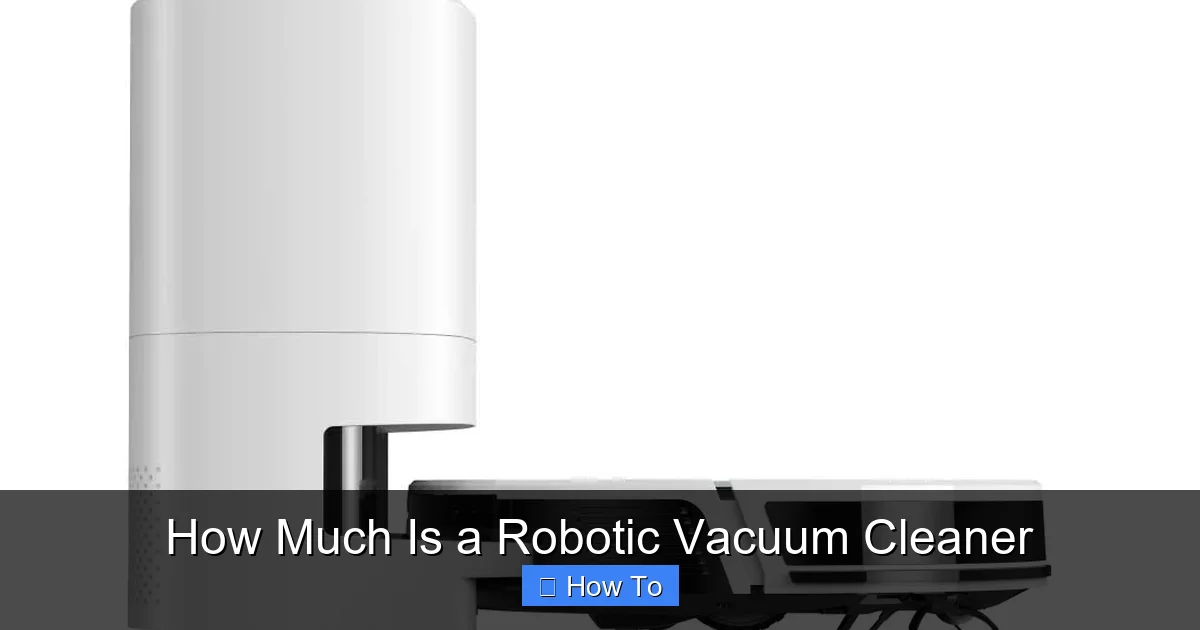
Visual guide about How Much Is a Robotic Vacuum Cleaner
Image source: grandviewresearch.com
Navigation Technology
This is one of the biggest price drivers. How a robotic vacuum cleaner moves around your home directly impacts its efficiency and intelligence.
- Random Navigation (Bumper Sensors): Entry-level models often use this. They bounce around your room until they hit an obstacle, then change direction. They’ll eventually cover most areas, but it’s not very systematic. This keeps the cost of the robotic vacuum cleaner lower.
- Basic Mapping (Infrared/Optical Sensors): Slightly more advanced models might use basic sensors to create a simple map as they go. This helps them avoid repeatedly cleaning the same spot and might allow them to return to their charging dock.
- LiDAR (Laser Detection and Ranging): Found in mid-range to high-end robotic vacuum cleaners, LiDAR creates a precise, detailed map of your home. This allows for systematic cleaning paths, multi-floor mapping, and “no-go zones” (areas you don’t want the robot to enter). This sophisticated mapping capability significantly increases the price of a robotic vacuum cleaner.
- vSLAM (Visual Simultaneous Localization and Mapping): Some high-end models use cameras combined with visual processing to map your home and identify objects. This can offer excellent navigation and object avoidance.
Suction Power
Expressed in Pascals (Pa), suction power tells you how effectively the robotic vacuum cleaner picks up dirt, dust, and pet hair. More powerful suction means a higher price.
- Lower Suction (around 1000-2000 Pa): Good for hard floors and light debris. Often found in budget models.
- Medium Suction (2000-3000 Pa): Handles hard floors well and can tackle low-pile carpets. Common in mid-range robotic vacuum cleaners.
- High Suction (3000+ Pa): Essential for homes with pets, high-pile carpets, or a lot of heavy debris. These powerful robotic vacuum cleaners are usually found at the higher end of the price spectrum.
Battery Life and Charging
A longer battery life means the robotic vacuum cleaner can clean larger areas without needing to recharge. Better batteries and smart charging capabilities add to the cost.
- Basic Models: May run for 60-90 minutes and take several hours to recharge.
- Advanced Models: Can run for 120-180 minutes or more. Many also feature “recharge and resume,” where they return to the dock, charge just enough to finish the job, and then continue cleaning.
Smart Features and Connectivity
Modern robotic vacuum cleaners are often connected devices, offering convenience through smart features.
- App Control: Most mid-range and high-end models can be controlled via a smartphone app, allowing you to schedule cleanings, start/stop the robot, and view cleaning maps from anywhere.
- Voice Assistant Integration: Compatibility with Amazon Alexa or Google Assistant for hands-free control.
- Customizable Cleaning: Features like zone cleaning, virtual walls, and targeted spot cleaning are typically found on models with advanced mapping.
- Object Avoidance: High-end robotic vacuum cleaners can often identify and avoid small objects like pet waste or cables, preventing messes and getting stuck.
Dustbin Size and Self-Emptying
The size of the dustbin determines how often you need to manually empty the robot. Self-emptying docks are a premium feature.
- Standard Dustbin: Requires emptying after each or every few cleanings, depending on your home’s dirt level.
- Self-Emptying Dock: A significant convenience feature. The robotic vacuum cleaner automatically empties its dustbin into a larger bag or bin in its charging dock, sometimes holding weeks or even months of debris. This feature adds a substantial amount to the overall cost of a robotic vacuum cleaner.
Mopping Functionality
Some robotic vacuum cleaners are dual-purpose, offering both vacuuming and mopping capabilities.
- Basic Wet Wiping: A simple water tank and cloth pad for light mopping, often just dampening the floor.
- Advanced Mopping Systems: These might include vibrating pads, pressure-activated mopping, or even separate water tanks for clean and dirty water. Some high-end models can automatically lift their mop pads when detecting carpets. A truly effective mopping robotic vacuum cleaner will be more expensive.
Brand Reputation and Warranty
Well-known brands like iRobot (Roomba), Roborock, Eufy, and Ecovacs often command higher prices due to their proven reliability, customer support, and research & development. A good warranty can also add value, even if it slightly increases the initial price of the robotic vacuum cleaner.
Specialized Features
Beyond the main points, some robotic vacuum cleaners offer unique extras:
- Brushless Design: Better for pet hair to prevent tangles.
- Floor Type Detection: Automatically adjusts suction power based on whether it’s on carpet or hard floor.
- Pet-Specific Features: Enhanced filters, tangle-free brushes, and extra suction for pet owners.
Step 3: What to Expect at Different Price Points
Now that you know what drives the cost, let’s look at what kind of robotic vacuum cleaner you can expect in different budget brackets.
Budget-Friendly Models (Under $250)
If you’re looking for an entry-level robotic vacuum cleaner, this is your starting point. You’ll find basic models perfect for small apartments or specific rooms.
- Navigation: Mostly random bounce or basic infrared sensors. Expect it to bump into things and take longer to clean.
- Suction: Sufficient for hard floors and low-pile rugs, picking up dust and crumbs. May struggle with pet hair or deeper carpets.
- Features: Simple scheduling, perhaps a remote control or very basic app. Dustbins will need frequent emptying.
- Best For: First-time buyers, small spaces, light cleaning, or those wanting to test the waters of robotic cleaning without a big investment.
- Examples: Some Eufy RoboVac models, basic Roomba 600 series, certain iLife or Shark models.
Mid-Range Performers ($250 – $600)
This is where most people find a great balance of features and value. Mid-range robotic vacuum cleaners offer significant upgrades without breaking the bank.
- Navigation: Often includes basic mapping (gyroscopic) or even early versions of LiDAR. More systematic cleaning paths, virtual walls through the app, and room-specific cleaning become available.
- Suction: Stronger suction power, handling pet hair and medium-pile carpets more effectively.
- Features: Robust app control, smart mapping, longer battery life, and often “recharge and resume” functionality. Some might even offer basic mopping or slightly larger dustbins.
- Best For: Medium to larger homes, homes with pets, or those who want more intelligent cleaning and convenience features.
- Examples: Many Roborock Q series, some Roomba i series, higher-end Eufy or Ecovacs Deebot models. This is often the sweet spot for a well-rounded robotic vacuum cleaner.
High-End & Premium Options ($600+)
These are the top-of-the-line robotic vacuum cleaners, packed with the latest technology and convenience features. Expect superior performance and a truly hands-free experience.
- Navigation: Advanced LiDAR or vSLAM mapping for incredibly precise, multi-floor maps, intelligent object avoidance, and detailed zone cleaning.
- Suction: Extremely powerful, designed to tackle any floor type, deep carpets, and heavy pet hair with ease.
- Features: Self-emptying docks are common, advanced mopping systems (with auto-lift or scrubbing), extensive app control with highly customizable cleaning routines, and superior battery life. Some can even identify specific types of dirt or objects.
- Best For: Large homes, complex layouts, multiple floor types, pet owners who want maximum convenience, and anyone seeking the most advanced robotic cleaning experience.
- Examples: Top-tier Roomba s and j series, Roborock S series, high-end Ecovacs Deebot X and T series. These represent the pinnacle of robotic vacuum cleaner technology.
Step 4: Tips for Finding the Best Value
Getting the right robotic vacuum cleaner for your home isn’t just about spending the most money. It’s about finding the best fit for your specific needs and budget.
Define Your Needs
Before you even look at models, think about what you truly need. What are your priorities?
- Home Size & Layout: Small apartment versus large multi-story house?
- Floor Types: Mostly hard floors, low-pile carpet, high-pile rugs, or a mix?
- Pets: Do you have pets that shed a lot?
- Specific Problems: Do you need to avoid pet accidents? Are you prone to leaving cables on the floor?
- Convenience Level: Do you want to empty the bin manually, or is a self-emptying dock a must-have?
- Budget: Be realistic about how much you can comfortably spend on a robotic vacuum cleaner.
Research Brands and Models
Once you have your needs defined, start looking at brands known for specific strengths. Read reviews from trusted sources and everyday users. Look for consistency in feedback regarding performance, reliability, and customer service for any robotic vacuum cleaner you consider.
Look for Sales and Deals
Robotic vacuum cleaners, especially the more expensive models, frequently go on sale. Major shopping holidays (Black Friday, Prime Day, Cyber Monday) are excellent times to find discounts. Sign up for newsletters from retailers or direct from manufacturers to get alerts on price drops.
Consider Refurbished Units
Many manufacturers and reputable retailers sell refurbished robotic vacuum cleaners at a significant discount. These units are often returned items that have been inspected, repaired (if necessary), and certified to work like new. Just make sure they come with a warranty.
Read Reviews and Watch Videos
Customer reviews can give you real-world insights into how a robotic vacuum cleaner performs. YouTube videos often show robots in action, which can be very helpful for understanding navigation, noise levels, and how they handle different obstacles.
Step 5: Beyond the Initial Price: Long-Term Costs
The initial purchase price of a robotic vacuum cleaner isn’t the only cost to consider. Like any appliance, it has ongoing maintenance needs.
Replacement Parts
Over time, certain parts of your robotic vacuum cleaner will wear out and need replacing to maintain optimal performance.
- Filters: HEPA filters need regular replacement (every 1-3 months, depending on use) to maintain air quality and suction.
- Brushes: Side brushes and main brushes wear down, especially if you have pets or a lot of carpet. They typically need replacing every 6-12 months.
- Batteries: Rechargeable batteries have a lifespan. After a few years, you might notice shorter run times, indicating it’s time for a new battery. This can be a significant cost, especially for older models.
Factor these recurring costs into your overall budget for owning a robotic vacuum cleaner.
Maintenance Supplies
If your robotic vacuum cleaner has mopping capabilities, you’ll need to purchase specific cleaning solutions (if recommended by the manufacturer) and replace mop pads. This is usually a minor expense but still part of the ongoing cost.
Conclusion
Choosing the right robotic vacuum cleaner involves more than just picking the cheapest or most expensive option. It’s about understanding the technology, evaluating your home’s unique cleaning challenges, and aligning those with your budget. From basic models that offer simple daily tidying to advanced robots with sophisticated mapping and self-emptying features, there’s a robotic vacuum cleaner out there for almost every need and price point.
By considering navigation, suction power, battery life, smart features, and whether you need mopping or self-emptying, you can narrow down your choices. Remember to look for sales, read reviews, and factor in long-term maintenance costs. Armed with this knowledge, you are now well-equipped to make an informed decision and invest in a robotic vacuum cleaner that will make your life cleaner and easier for years to come.
🎥 Related Video: Robot Vacuum vs. Gross Surprise!
📺 eufy Tutorials
Can the robot handle the challenge? Watch as the robot vacuum encounters a fake messy obstacle and tests its smart navigation …