How Much Does a Vacuum Cleaner Cost
Understanding how much does a vacuum cleaner cost involves looking at a wide range of factors, from the type and brand to specific features and build quality. Prices can vary significantly, starting from under $100 for basic models to over $1000 for high-end, feature-rich vacuums. This guide helps you navigate the options, assess your needs, and make an informed decision to find the best vacuum cleaner for your home and budget.
How Much Does a Vacuum Cleaner Cost?
Vacuum cleaners are essential tools for keeping our homes clean and healthy. But when you start looking to buy one, you might quickly realize that the question “how much does a vacuum cleaner cost?” doesn’t have a simple answer. The market is flooded with options, ranging from super affordable basic models to high-tech, luxury cleaning machines. The prices can swing wildly, often leaving shoppers confused.
This comprehensive guide is designed to clear up that confusion. We’ll walk you through all the factors that influence vacuum cleaner costs. You’ll learn about different types of vacuums, the impact of brands and features, and how to assess your own needs to find a vacuum that fits your budget perfectly. By the end, you’ll be well-equipped to make an informed decision, ensuring you get the best value for your money and a vacuum cleaner that truly meets your expectations.
Key Takeaways
- Wide Price Range: Vacuum cleaner costs vary drastically, from basic models under $100 to premium options exceeding $1000, depending on technology and features.
- Key Influencing Factors: The price of a vacuum cleaner is primarily determined by its type (upright, stick, robot, etc.), brand reputation, included features (like HEPA filtration or smart technology), and overall build quality.
- Assess Your Specific Needs: Before shopping, consider your home size, floor types, presence of pets or allergies, and how frequently you’ll use the vacuum. These factors will guide you toward the most appropriate — and cost-effective — choice.
- Different Types, Different Costs: Each vacuum cleaner type has its own general price spectrum. For example, handheld vacuums are usually the least expensive, while advanced robot vacuums or high-end canisters tend to be at the higher end.
- Don’t Forget Hidden Costs: Beyond the initial purchase price, remember to budget for ongoing expenses like replacement bags, filters, and occasionally accessories, which contribute to the overall cost of ownership.
- Value Over Upfront Cost: Sometimes, investing more upfront in a durable, feature-rich vacuum cleaner can save you money and hassle in the long run through better performance, fewer replacements, and reduced maintenance.
- Smart Shopping is Key: To get the best value, always compare models, read customer reviews, look for sales and promotions, and understand the warranty terms before making a purchase.
Quick Answers to Common Questions
Budgeting for a vacuum?
Start by considering your home size, floor types, and whether you have pets or allergies. This helps narrow down the necessary features and provides a realistic budget range, guiding you on how much does a vacuum cleaner cost for your specific situation.
Corded vs. Cordless cost difference?
Cordless vacuums generally have a higher upfront cost due to battery technology and engineering. While they offer unmatched convenience, their price can be significantly more than a comparable corded model, especially for longer battery life and powerful suction.
Why are robot vacuums expensive?
Robot vacuums are often pricier because they incorporate advanced technology like smart navigation, mapping sensors, Wi-Fi connectivity, app control, and sometimes self-emptying docks. These intelligent features require significant R&D and specialized components, impacting the overall vacuum cleaner cost.
Are refurbished vacuums a good deal?
Yes, refurbished vacuums can offer substantial savings. If purchased from a reputable seller, they are usually professionally inspected and repaired, often coming with a warranty. This can be an excellent way to get a higher-end model at a lower vacuum cleaner cost.
What’s the best time to buy a vacuum?
Major holiday sales events (like Black Friday, Prime Day, or Cyber Monday) are often the best times to find significant discounts on vacuum cleaners. Also, look for end-of-year clearances or when new models are released, as older versions might see price drops.
Step 1: Understanding the Vacuum Cleaner Price Spectrum
The first step to understanding how much a vacuum cleaner costs is to recognize the general price ranges available. These categories aren’t strict, but they offer a good starting point for your budget.
Budget-Friendly Vacuums (Under $150)
In this category, you’ll find basic models designed for quick cleanups and smaller spaces. These vacuums usually offer straightforward functionality without many bells and whistles. They might have less powerful motors, fewer attachments, and a more basic build quality. While they get the job done for light messes, they might not be ideal for homes with pets, deep carpets, or allergy sufferers.
- Who it’s for: Students, small apartments, secondary vacuums, light cleaning needs.
- Examples: Basic uprights, small stick vacuums, handheld vacuums.
Mid-Range Vacuums ($150 – $500)
This is where most consumers find a good balance between cost and performance. Mid-range vacuums offer better suction, improved durability, and a wider array of features. You’ll often find better filtration systems (like HEPA filters), specialized attachments for pet hair or different floor types, and more robust construction. Many popular brands offer excellent options in this price bracket, delivering solid performance for average-sized homes.
- Who it’s for: Most households, pet owners, mixed flooring, regular cleaning.
- Examples: Popular uprights, canister vacuums, cordless stick vacuums with decent battery life, entry-level robot vacuums.
Premium & Luxury Vacuums ($500+)
At the top end of the spectrum, you’ll encounter vacuums built with advanced technology, superior materials, and exceptional performance. These machines are designed for maximum efficiency, durability, and specialized cleaning tasks. They often come with powerful motors, sophisticated filtration, intelligent features (like smart mapping for robot vacuums), extensive warranties, and a sleek design. While the initial vacuum cleaner cost is higher, they often offer unparalleled cleaning power and longevity.
- Who it’s for: Large homes, allergy sufferers, luxury seekers, those who prioritize advanced tech and durability.
- Examples: High-end Dyson and Miele models, advanced robot vacuums (e.g., Roomba j-series, Roborock), specialized wet/dry vacuums.
Step 2: Identifying Key Factors Influencing Vacuum Cleaner Cost
Beyond the general price ranges, several specific elements heavily influence how much a vacuum cleaner costs. Understanding these factors will help you see why one model might be significantly more expensive than another.
Type of Vacuum Cleaner
The design and function of a vacuum cleaner play a huge role in its price tag.
- Upright Vacuums: Generally mid-range. Good for carpeting, powerful suction. Prices can range from $70 for basic models to $400+ for feature-rich ones.
- Canister Vacuums: Often versatile, good for hard floors and stairs. Typically mid to high range, from $150 to $700+, especially for high-end brands.
- Stick Vacuums: Known for convenience and cordless operation. Prices vary wildly based on battery life, suction power, and attachments, from $100 to $600+.
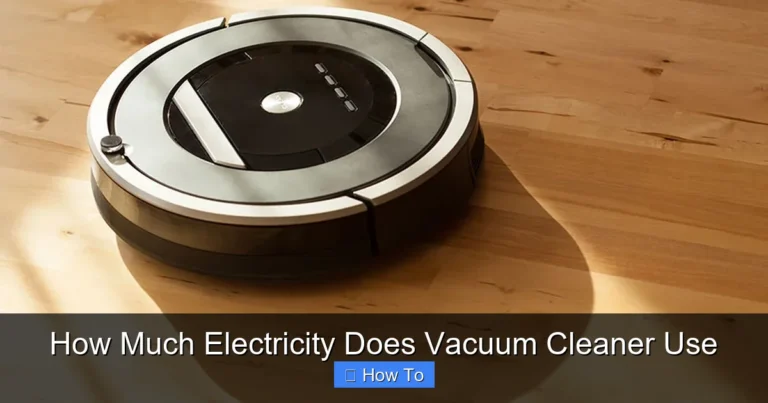
- Robot Vacuums: High-tech and autonomous. Entry-level models start around $150-$250, but advanced models with mapping, app control, and self-emptying features can easily exceed $500-$1000.
- Handheld Vacuums: Compact for quick cleanups. Usually the most affordable, from $30 to $150, depending on battery and suction.
- Wet/Dry Vacuums: Specialized for liquid and dry messes. Often used in garages or workshops. Prices typically range from $70 to $300+.
Brand Reputation and Technology
Just like with cars or electronics, brand reputation matters. Well-established brands like Dyson, Miele, Shark, and Roomba invest heavily in research and development. This leads to patented technologies, stronger motors, better airflow, and more efficient filtration systems. These innovations come at a cost, which is reflected in the final vacuum cleaner cost.
- Proprietary Technology: Features like Dyson’s cyclonic suction or Miele’s sealed filtration system are unique and contribute to higher prices.
- Motor Quality: More powerful and durable motors found in premium vacuums ensure consistent suction and a longer lifespan.
- Smart Features: Wi-Fi connectivity, app control, intelligent mapping, and integration with smart home systems all add to the price.
Features and Attachments
The more features and specialized tools a vacuum has, the higher its cost tends to be. Think about what truly matters for your cleaning routine.
- HEPA Filtration: Essential for allergy sufferers, but often adds to the cost due to specialized filters and sealed systems.
- Pet Hair Tools: Specialized brush rolls and attachments designed to tackle stubborn pet hair.
- LED Headlights: Help illuminate dust and debris on floors.
- Adjustable Suction: Allows for optimized cleaning on different surfaces.
- Bagged vs. Bagless: Bagless vacuums save money on bags but require filter cleaning. Bagged systems offer better containment for allergens but have ongoing bag costs.
- Corded vs. Cordless: Cordless vacuums offer freedom of movement but are often more expensive due to battery technology. Battery life significantly impacts the cordless vacuum cleaner cost.
Build Quality and Materials
A vacuum cleaner’s durability is often linked to the quality of its materials and construction. High-end vacuums use more robust plastics, metal components, and precision engineering, leading to a longer product lifespan and a higher initial cost. A sturdy build means fewer repairs and replacements over time, which can ultimately influence how much does a vacuum cleaner cost you in the long run.
- Durability: Better materials and construction mean the vacuum can withstand more wear and tear.
- Warranty: Longer warranties often indicate a manufacturer’s confidence in their product’s build quality, and these premium guarantees are often associated with higher-priced items.
Step 3: Assessing Your Cleaning Needs to Set a Realistic Budget
Before you even look at specific models, take a moment to consider your own home and lifestyle. Your specific cleaning needs are crucial in determining how much you should spend on a vacuum cleaner.
Consider Your Home Size and Layout
A small apartment will have vastly different cleaning requirements than a large, multi-story house. For smaller spaces, a lightweight stick or handheld vacuum might suffice, keeping your vacuum cleaner cost low. Larger homes might benefit from a more powerful upright or canister model, or even a robot vacuum for daily maintenance, which naturally increases the overall price.
- Small Homes/Apartments: Stick, handheld, or compact uprights ($50 – $250).
- Medium to Large Homes: Powerful uprights, canisters, advanced robot vacuums ($200 – $800+).
Evaluate Floor Types
Do you have mostly hardwood, plush carpets, or a mix of both? Some vacuums excel on hard surfaces, while others are designed for deep carpet cleaning. Multi-surface vacuums often come with adjustable brush rolls and suction settings, which can add to the cost.
- Hard Floors Only: Less aggressive brush rolls, good suction (can be cheaper, e.g., $100 – $300).
- Mostly Carpets: Powerful brush rolls, strong suction (often mid to high range, e.g., $150 – $500+).
- Mixed Floors: Versatile models with adjustable settings (typically mid to high range, e.g., $200 – $700+).
Factor in Pets and Allergies
If you have pets that shed, you’ll need a vacuum specifically designed to handle pet hair without clogging or losing suction. For allergy sufferers, a vacuum with a sealed HEPA filtration system is essential to trap fine dust and allergens. These specialized features directly impact how much does a vacuum cleaner cost.
- Pet Owners: Look for models with specialized pet tools and strong suction (adds $50-$200 to typical prices).
- Allergy Sufferers: Prioritize HEPA filtration and sealed systems (often found in mid to high-end models, $200-$800+).
Frequency of Use
Will you be using your vacuum daily for quick clean-ups, or weekly for deep cleaning? A heavy-duty, durable model might be a worthwhile investment if you vacuum frequently, even if the upfront vacuum cleaner cost is higher. For occasional use, a less expensive model might be perfectly adequate.
- Daily Use: Invest in durability and performance (higher cost, $300 – $1000+).
- Weekly/Occasional Use: Mid-range or even budget models can suffice ($100 – $400).
Step 4: Smart Shopping Strategies for the Best Value
Once you have a clear idea of your needs and a rough budget, it’s time to shop smart. Finding the right balance between how much a vacuum cleaner costs and its value is crucial.
Compare Models and Read Reviews
Don’t just jump at the first vacuum you see. Spend time comparing different models within your desired price range. Look beyond the price tag to features, specifications, and what other customers say. Customer reviews and expert ratings can provide invaluable insights into a vacuum’s real-world performance and durability.
Look for Sales and Promotions
Vacuum cleaners are frequently on sale. Keep an eye out for holiday sales (Black Friday, Prime Day, Memorial Day), end-of-season clearances, or special manufacturer promotions. Signing up for email alerts from your favorite brands or retailers can also notify you when prices drop. Timing your purchase can significantly reduce your vacuum cleaner cost.
Consider Refurbished or Older Models
Many manufacturers and reputable retailers sell refurbished vacuums that have been professionally inspected, repaired, and certified. These can offer significant savings, often coming with a warranty. Similarly, an older model that’s been replaced by a newer version might still be an excellent performer at a reduced price.
- Tip: Always buy refurbished from a trusted source with a clear return policy and warranty.
Understand the Warranty
A good warranty is a testament to a manufacturer’s confidence in their product and protects your investment. High-end vacuums often come with longer warranties (3-7 years or more), while budget models might only offer one year. Factor the warranty into your decision, as it can save you significant repair costs down the line, affecting the overall cost of owning a vacuum cleaner.
Step 5: Decoding the Long-Term and “Hidden” Costs
The initial vacuum cleaner cost isn’t the only expense. There are ongoing costs of ownership that can add up over time.
Replacement Bags and Filters
If you opt for a bagged vacuum, you’ll need to purchase replacement bags regularly. Similarly, all vacuums require filter maintenance or replacement. HEPA filters, in particular, can be more expensive to replace. Factor these recurring costs into your budget.
Accessory Wear and Tear
Over time, parts like brush rolls, belts, and specialized attachments can wear out or break. While not frequent, replacing these can add to your total cost of ownership. Some brands make replacement parts easily available and affordable, while others might be harder to find or more expensive.
Electricity Consumption
While relatively minor for household vacuums, very powerful models used frequently will consume more electricity. This is a small, ongoing cost that typically won’t break the bank but exists nonetheless.
Professional Servicing (Optional)
For very high-end or specialized vacuums, you might consider professional servicing or annual check-ups to maintain optimal performance and extend their lifespan. This is usually an optional expense but can contribute to how much does a vacuum cleaner cost over its lifetime.
Troubleshooting Common Vacuum Cost Questions
It’s common to have specific questions when trying to figure out how much a vacuum cleaner costs. Here are answers to some frequent queries.
Why do some vacuum cleaners cost so much?
High-end vacuum cleaners often cost more due to several factors: advanced research and development, proprietary technologies (like unique filtration or motor designs), superior build materials (durable plastics, metal components), extensive testing, and inclusion of numerous specialized features and attachments. Brands like Miele and Dyson, for instance, are known for their engineering prowess and often justify their price with exceptional performance, durability, and customer service.
Can I get a good vacuum for under $100?
Yes, you can find functional vacuum cleaners for under $100, especially handheld or basic stick and upright models. These are often suitable for small apartments, dorm rooms, or as a secondary vacuum for quick spot cleans. However, they typically offer less suction power, fewer features, and may not last as long or handle heavy-duty tasks (like pet hair on deep carpets) as effectively as more expensive models. It depends heavily on your specific cleaning needs.
Is spending more on a vacuum cleaner always worth it?
Not always, but often. Spending more can be a worthwhile investment if you have specific needs such as pets, allergies, a large home, or a mix of challenging floor types. Higher-priced vacuums often deliver superior performance, better filtration, greater durability, and a longer lifespan, potentially saving you money on replacements and repairs in the long run. However, if your needs are basic (e.g., a small apartment with hard floors), a mid-range or even budget-friendly option might provide sufficient value without overspending. The key is to match the vacuum cleaner cost to your unique requirements.
Conclusion
Understanding “how much does a vacuum cleaner cost” isn’t just about looking at a price tag. It’s about evaluating your specific needs, recognizing the factors that influence pricing, and making an informed decision that balances initial outlay with long-term value.
From budget-friendly options for light cleaning to premium, feature-rich machines designed for demanding environments, there’s a vacuum cleaner for every home and every budget. By following the steps in this guide – assessing your needs, understanding key features, and shopping smartly – you can confidently choose a vacuum cleaner that not only fits your financial constraints but also delivers outstanding cleaning performance for years to come. Remember, the best vacuum isn’t always the most expensive, but rather the one that best suits your home and lifestyle.