How Long Should Vacuum Cleaner Last
The typical lifespan of a vacuum cleaner ranges from 5 to 8 years, but this can vary significantly based on several factors. High-quality brands, regular maintenance, and proper usage can extend your vacuum’s life well beyond this average, potentially reaching 10-15 years. Conversely, neglect or heavy use can shorten its working years.
How Long Should Vacuum Cleaner Last
Ah, the trusty vacuum cleaner! It’s one of those household heroes we often take for granted, quietly humming along, sucking up dust bunnies and pet hair, keeping our homes spick and span. But like any appliance, it has a finite life. Have you ever paused to wonder, “how long should vacuum cleaner last?” It’s a question many of us ponder, especially when faced with a hefty repair bill or eyeing a shiny new model.
Investing in a good vacuum cleaner is a significant decision. You want a reliable workhorse that will stand the test of time, not a disposable gadget. Understanding the typical lifespan of these machines, what factors contribute to their longevity, and how you can maximize their years of service can save you money, frustration, and keep your home cleaner for longer. Let’s dive deep into the world of vacuum cleaner lifespans and uncover the secrets to making yours last.
Key Takeaways
- Average Lifespan: Most vacuum cleaners last between 5 and 8 years, though some high-end models can exceed 10-15 years with proper care.
- Key Influencing Factors: Brand quality, vacuum type (upright, canister, stick, robot), usage frequency, and maintenance habits are critical determinants of longevity.
- Maintenance is Paramount: Regular cleaning of filters, brush rolls, and emptying dustbins significantly extends a vacuum’s lifespan and maintains performance.
- Usage Matters: Using the right settings for different surfaces and avoiding vacuuming overly large or wet debris protects internal components.
- When to Replace: Look for signs like persistent loss of suction, frequent breakdowns, costly repairs, or safety issues as indicators it’s time for a new unit.
- Warranty Value: Understand your vacuum’s warranty; it often covers manufacturing defects for a set period, providing peace of mind.
Quick Answers to Common Questions
How often should I clean my vacuum’s filters?
Most manufacturers recommend cleaning washable filters every 1-3 months and replacing non-washable HEPA filters every 6-12 months, depending on usage. Always check your specific vacuum cleaner’s manual for precise guidelines.
Can vacuuming pet hair shorten my vacuum’s life?
Yes, excessive pet hair can put extra strain on the vacuum. It can clog brush rolls, filters, and hoses more frequently, forcing the motor to work harder. Regular maintenance is crucial when dealing with pet hair to prevent premature wear.
Is it worth repairing an old vacuum cleaner?
It depends on the repair cost versus the cost of a new vacuum, and the age of the unit. If the repair cost is more than 50% of a new, comparable model, or if the vacuum is very old and prone to other issues, replacement is often more economical. For newer, high-quality models, repairs can be a good investment.
Do cordless vacuums last as long as corded ones?
Generally, no. Cordless vacuums typically have a shorter lifespan (3-5 years) compared to corded models (5-8+ years). This is mainly due to the degradation of their rechargeable batteries over time, which are often costly to replace and are a common point of failure.
What’s the best way to store a vacuum cleaner to prolong its life?
Store your vacuum cleaner in a dry, cool environment, away from extreme temperatures and humidity. Ensure it’s in a spot where it won’t be easily knocked over or damaged. Proper storage protects its electronics and plastic components.
📑 Table of Contents
The Core Question: How Long Should Vacuum Cleaner Last?
Let’s get right to the heart of the matter: how long should vacuum cleaner last? Generally speaking, you can expect a good quality vacuum cleaner to last anywhere from 5 to 8 years. This is a common industry average that most manufacturers and consumer reports cite. However, this is just a guideline, and it’s heavily influenced by various elements we’ll discuss.
Industry Averages and Expectations
For many households, 5 to 8 years is a reasonable expectation. If you treat your vacuum well, perform regular maintenance, and don’t push it beyond its limits, it’s quite achievable. Some top-tier brands, known for their robust build and quality components, often boast lifespans stretching to 10, 15, or even 20 years with diligent care. Think of it like a car – a well-maintained luxury car will likely outlast a budget model if both are cared for equally.
On the flip side, some entry-level or budget vacuums might only last 2-4 years, especially if they see frequent use or are not maintained properly. This isn’t necessarily a bad thing if you prefer to replace your appliances more often or have very light cleaning needs. The key is to manage your expectations based on the vacuum’s initial quality and your commitment to its upkeep.
What Truly Affects These Numbers?
The “average” is merely a starting point. Your personal experience with how long your vacuum cleaner lasts will be a unique journey. It’s a blend of the vacuum’s inherent quality, how it’s used, and the level of care it receives. Understanding these factors is crucial for predicting and influencing your vacuum’s lifespan.
Factors That Dictate Vacuum Cleaner Lifespan
If you’re wondering “how long should vacuum cleaner last,” it’s essential to look at the whole picture. Several crucial factors play a significant role in determining how many years your trusty cleaning companion will serve you. These aren’t just minor details; they can dramatically shift your vacuum’s longevity.
Visual guide about How Long Should Vacuum Cleaner Last
Image source: img.thrfun.com
Type of Vacuum Cleaner
Not all vacuums are created equal, and their design dictates their typical lifespan.
- Upright Vacuums: These traditional workhorses often last 5-8 years. Their robust motors and simple design make them quite durable, especially high-end models.
- Canister Vacuums: Known for their versatility and powerful suction, canister vacuums can also last 5-8 years, with premium models potentially reaching 10+ years. Their separate motor and hose design can sometimes lead to different wear patterns.
- Stick Vacuums: These lightweight, cordless wonders are incredibly convenient but typically have shorter lifespans, often 3-5 years. Their smaller motors, batteries (which degrade over time), and more compact components are designed for quick cleanups, not heavy-duty, prolonged use.
- Robotic Vacuums: The newer kids on the block, robot vacuums, usually last 2-5 years. Their complex electronics, sensors, and rechargeable batteries are more prone to issues, and battery degradation is a primary factor in their limited lifespan.
- Handheld Vacuums: Similar to stick vacuums, these are designed for small jobs and typically last 2-4 years, again largely due to battery life.
Brand and Build Quality
This is perhaps the most significant factor. A vacuum cleaner from a reputable brand known for its durability and quality components will almost always outlast a cheaper, generic model. Higher-end vacuums often use better motors, seals, plastic, and filtration systems that are designed to withstand years of regular use. They also typically have better warranties, indicating the manufacturer’s confidence in their product.
For example, a premium Miele or Sebo vacuum often comes with a 5 to 7-year warranty and is expected to last 15-20 years, while a budget brand might only offer a 1-year warranty and have an expected lifespan of 3-5 years. When considering how long should vacuum cleaner last, the initial investment often correlates directly with longevity.
Usage Frequency and Intensity
How often and how hard you use your vacuum directly impacts its lifespan. A vacuum used daily in a large home with multiple pets and children will experience significantly more wear and tear than one used once a week in a small, low-traffic apartment.
- Light Use: Occasional cleaning, small spaces – your vacuum will likely exceed the average lifespan.
- Moderate Use: Weekly cleaning in an average-sized home – you’ll probably hit the average 5-8 years.
- Heavy Use: Daily cleaning, large homes, pet hair, workshops – your vacuum will work harder, and its lifespan might be closer to the lower end of the average, or even less, unless it’s a commercial-grade model.
It’s like driving a car; the more miles you put on it, the faster components wear out. The same applies to how long your vacuum cleaner will last.
Maintenance Habits
This is where you, the owner, have the most control. Neglecting maintenance is a surefire way to shorten your vacuum’s life. Regular cleaning, filter changes, and inspections can prevent minor issues from becoming major problems. Think of it as preventative medicine for your appliance. We’ll delve into specific tips shortly, but suffice it to say, a well-maintained vacuum runs cooler, more efficiently, and lasts much longer.
Environment and Storage
Where you keep your vacuum also matters. Storing it in a dry, temperate place protects its electronic components and plastic parts from extreme temperatures and humidity. Leaving it in a dusty garage or damp basement can degrade its performance and accelerate wear. Protecting it from accidental bumps and falls also plays a role in how long your vacuum cleaner lasts.
Extending Your Vacuum Cleaner’s Life: Practical Tips
You’ve invested in a vacuum, and now you want it to last as long as possible. Good news! There’s a lot you can do to influence how long should vacuum cleaner last. These practical tips are easy to follow and will make a huge difference.
Regular Cleaning and Maintenance
This is the single most important factor within your control.
- Empty the Dustbin/Change Bag Regularly: A full dustbin or bag restricts airflow, making the motor work harder, which can lead to overheating and premature failure. Aim to empty bagless vacuums after every use, and change bags when they are two-thirds full.
- Clean or Replace Filters: Clogged filters choke the vacuum’s airflow and significantly reduce suction power, forcing the motor to strain. Check your manual for specific filter cleaning/replacement schedules. Some are washable, others need replacing every 6-12 months. This is critical for how long your vacuum cleaner lasts.
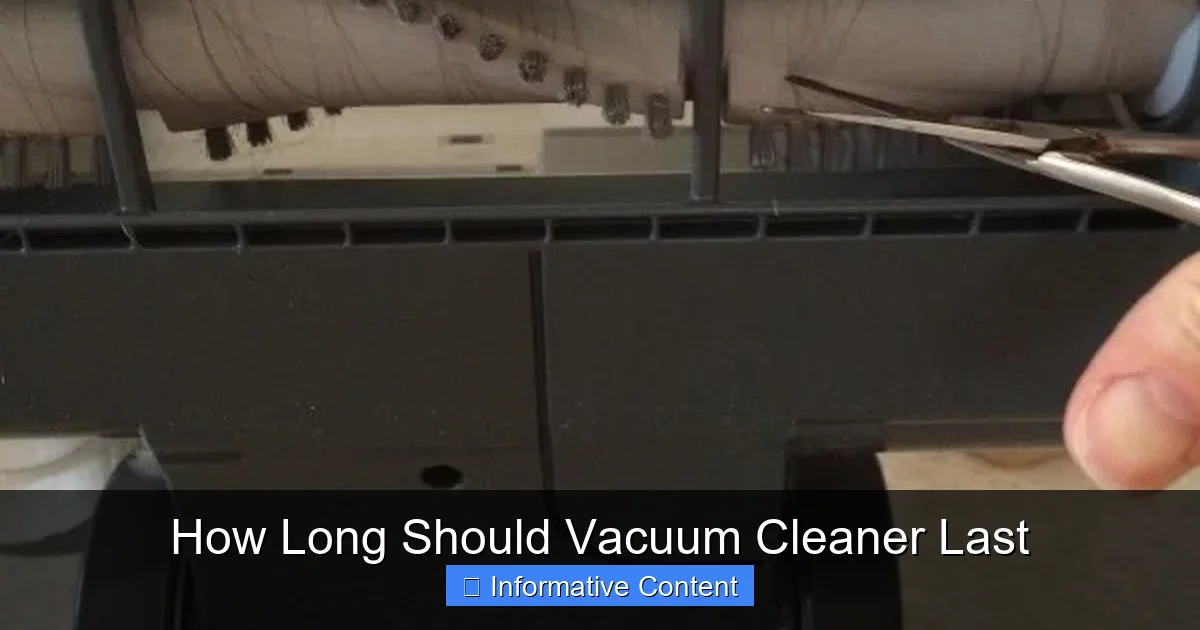
- Clear the Brush Roll: Hair, strings, and debris love to wrap around the brush roll (beater bar). This prevents it from spinning effectively, reduces cleaning power, and can put stress on the motor and belt. Use scissors or a seam ripper to carefully cut and remove tangles regularly.
- Check Hoses and Attachments: Periodically inspect the hose and attachments for blockages. A simple blockage can drastically reduce suction and strain the motor.
- Inspect the Belt: For upright and canister vacuums with a rotating brush, the belt can stretch or break. Check it occasionally and replace it if it feels loose or shows signs of wear.
Proper Usage Techniques
How you use your vacuum can prevent unnecessary strain.
- Don’t Vacuum Liquids: Unless you have a wet/dry shop vac, never vacuum liquids. This can short-circuit the motor and pose a safety hazard.
- Avoid Large Debris: Try to pick up large items like coins, small toys, or paper clips by hand before vacuuming. These can clog the hose, damage the brush roll, or even break internal components.
- Use the Right Settings: Many vacuums have height adjustments for different carpet types or a brush roll on/off switch for hard floors. Using the correct setting prevents excessive wear on the brush roll and motor, and protects your floors.
- Don’t Overfill: As mentioned, a full bag/bin stresses the motor. But also, don’t try to vacuum up too much fine dust (like drywall dust or fireplace ash) that can clog filters too quickly and be too fine for your vacuum’s filtration.
Smart Storage Solutions
Protecting your vacuum when not in use is simple.
- Store in a Dry, Cool Place: Avoid extreme temperatures or humidity, which can damage electronics and plastic.
- Keep it Clean: A quick wipe-down of the exterior after use prevents dust buildup in crevices and keeps it looking new.
- Prevent Falls: Store your vacuum where it won’t be knocked over, especially stick and handheld models, which are more fragile.
When to Seek Professional Help
Sometimes, despite your best efforts, a problem arises. If you hear unusual noises, smell burning, or experience a significant loss of power, it might be time to take it to a professional vacuum repair shop. Often, a relatively inexpensive repair (like a motor replacement or unclogging a deep blockage) can extend its life significantly, making the answer to “how long should vacuum cleaner last” much longer.
When is it Time for a New Vacuum?
Even with meticulous care, every vacuum cleaner reaches the end of its journey. Recognizing these signs can help you make an informed decision about whether to repair or replace, which directly ties into the question of how long should vacuum cleaner last.
Diminished Performance
The most obvious sign is when your vacuum simply isn’t cleaning as effectively as it used to. You might notice:
- Loss of Suction: Even after cleaning filters and clearing blockages, if your vacuum struggles to pick up debris, its motor might be weakening, or internal seals could be failing.
- Leaving Dirt Behind: If you find yourself having to go over the same spot repeatedly, or if you still see visible dirt after vacuuming, its cleaning power is no longer adequate.
- Overheating: If the vacuum gets excessively hot during operation, even after maintenance, it could indicate a failing motor or a severe internal airflow obstruction.
Frequent Breakdowns and Repair Costs
A few small repairs over its lifetime are normal. However, if your vacuum is constantly breaking down, requiring expensive parts or frequent trips to the repair shop, the costs can quickly add up. Ask yourself:
- Is the repair cost more than half the price of a new, comparable vacuum? If so, it’s often more economical to replace.
- Are parts hard to find? For older models, parts might become obsolete or very expensive.
- Is it a recurring issue? If the same problem keeps happening, it might be a design flaw or a symptom of broader wear.
Safety Concerns
Never ignore potential safety hazards. If you notice any of these, it’s definitely time for a new vacuum:
- Fraying or Damaged Cords: Exposed wires are a serious electrical shock and fire risk.
- Burning Smell: This often indicates an overheating motor or electrical issue. Unplug immediately.
- Sparks: Any sparking, especially from the motor area, is a significant red flag.
Technological Advancements
Sometimes, your vacuum might still work, but newer models offer features that are significantly better for your needs. For example, if you’ve developed allergies, a vacuum with advanced HEPA filtration might be a worthwhile upgrade, even if your old one technically still runs. Or perhaps you’re tired of cords and want the convenience of a powerful cordless stick vac. While not a sign of failure, it’s a valid reason to consider how long should vacuum cleaner last in terms of meeting your current needs.
Understanding Vacuum Cleaner Warranties
When you’re thinking about how long should vacuum cleaner last, the manufacturer’s warranty is an important piece of the puzzle. It’s not just a piece of paper; it’s a promise of quality and a safety net for your investment.
Standard Warranty Periods
Warranty lengths vary greatly depending on the brand and price point. Budget vacuums often come with a 1-year limited warranty. Mid-range models might offer 2-5 years. Premium, high-end vacuums frequently boast impressive warranties of 5-7 years, and sometimes even longer for specific parts like the motor. This warranty length is often a good indicator of how long the manufacturer expects their vacuum cleaner to last under normal use.
What’s Typically Covered (and Not Covered)
Most warranties cover manufacturing defects in materials and workmanship. This means if a part breaks due to a flaw in how it was made or assembled, the manufacturer will repair or replace it. However, warranties typically do NOT cover:
- Normal wear and tear (e.g., worn-out belts, clogged filters, scuffed exteriors).
- Damage from misuse, neglect, or accidents (e.g., vacuuming liquids, dropping the unit).
- Repairs done by unauthorized service centers.
- Consumable parts like bags, filters, and brushes.
Always read your warranty documentation carefully to understand the terms and conditions.
The Value of a Good Warranty
A longer, comprehensive warranty reflects the manufacturer’s confidence in their product’s durability. It provides peace of mind, knowing that if a major component fails prematurely due to a defect, you’re covered. This can significantly impact the overall cost of ownership and extend the practical lifespan of your vacuum cleaner without out-of-pocket repair expenses.
Conclusion
So, how long should vacuum cleaner last? The answer isn’t a simple number, but rather a range influenced by a symphony of factors. While 5 to 8 years is a common average, your vacuum’s journey from store shelf to retirement depends heavily on its initial quality, how often you use it, and, most importantly, the love and care you give it.
By investing in a reputable brand, understanding its proper use, and diligently performing routine maintenance, you can significantly extend the life of your vacuum cleaner. Think of it as a partnership: you provide the care, and it provides years of spotless floors. A little effort goes a long way in ensuring your household hero keeps humming along, making your decision to replace it a matter of choice, not necessity.
Frequently Asked Questions
How many years should a good vacuum cleaner last?
A good quality vacuum cleaner, especially from a reputable brand, should last between 5 to 8 years on average. With excellent maintenance and light to moderate use, many premium models can even exceed 10 or 15 years.
What are the top signs my vacuum cleaner is dying?
Key signs include a significant and persistent loss of suction, unusual loud noises or burning smells, frequent breakdowns requiring repairs, visible damage to the cord or housing, and the vacuum overheating constantly despite proper cleaning.
Does how often I use my vacuum affect its lifespan?
Absolutely. A vacuum used daily for heavy-duty cleaning in a large home will generally wear out faster than one used once a week in a small apartment. Increased usage puts more stress on the motor, belts, and moving parts, leading to quicker degradation.
Are expensive vacuums worth it for their longevity?
Often, yes. Expensive vacuums from reputable brands typically use higher quality materials and components, leading to greater durability and longer lifespans. Their robust construction and better engineering mean they can withstand more use and often come with longer warranties, making them a worthwhile long-term investment.
Can regular maintenance really extend my vacuum’s life significantly?
Yes, regular maintenance is perhaps the most impactful factor within your control for extending your vacuum’s life. Consistently emptying dustbins, cleaning/changing filters, clearing brush rolls, and checking for blockages prevents motor strain, overheating, and keeps all parts working efficiently, drastically prolonging its useful years.
What’s the typical lifespan of a robot vacuum cleaner?
Robot vacuum cleaners generally have a shorter lifespan compared to traditional upright or canister models, typically lasting 2 to 5 years. This is largely due to the limited lifespan of their rechargeable batteries and the complexity of their electronic components and sensors, which can be prone to issues over time.