How Long Should a Vacuum Cleaner Last
The lifespan of a vacuum cleaner varies significantly, typically ranging from 2 to 10 years depending on its type, brand quality, and how well it’s maintained. Regular care, proper usage, and timely attention to minor issues are crucial for maximizing its longevity and ensuring it cleans effectively for years to come.
How Long Should a Vacuum Cleaner Last
Ah, the trusty vacuum cleaner! It’s the unsung hero of a clean home, tirelessly battling dust bunnies, pet hair, and crumbs. But like all household appliances, it has a lifespan. Have you ever found yourself wondering, “how long should a vacuum cleaner last?” It’s a fantastic question, and one that doesn’t always have a simple, one-size-fits-all answer.
Just like cars or even our favorite pair of shoes, the longevity of a vacuum cleaner can vary wildly. Some seem to chug along for decades with barely a hiccup, becoming cherished family heirlooms (or at least, highly reliable workhorses). Others, sadly, might call it quits much sooner than we’d hoped, leaving us to contemplate a new purchase far too soon. Understanding what influences a vacuum’s lifespan, and more importantly, how you can play a part in extending it, can save you money, frustration, and keep your floors sparkling for longer. So, let’s dive deep into the world of vacuum cleaner longevity!
Key Takeaways
- Average Lifespan Varies: While most vacuums last 5-8 years, stick and robot vacuums may last 2-5 years, and high-end models often exceed 10 years with proper care.
- Quality Matters: Higher quality brands and robust construction generally lead to a longer vacuum cleaner lifespan.
- Maintenance is Key: Regular cleaning of filters, emptying dustbins, untangling brush rolls, and checking for clogs significantly extends how long a vacuum cleaner lasts.
- Usage Habits Impact Longevity: Frequent, heavy-duty use or rough handling can shorten a vacuum’s life, while careful, appropriate use preserves it.
- Repair vs. Replace Decision: Consider the cost of repair relative to a new unit, the vacuum’s age, and the availability of parts before deciding.
- Battery Care for Cordless: For stick, handheld, and robot vacuums, proper battery charging and maintenance are vital for their overall longevity.
- Environmental Responsibility: Repairing a vacuum cleaner when feasible is often a more environmentally friendly choice than immediate replacement.
Quick Answers to Common Questions
What is the average lifespan of a vacuum cleaner?
The average lifespan of a vacuum cleaner is generally between 5 to 8 years, though this can vary significantly by type and brand, ranging from 2 years for some robot vacuums to over 10 years for durable uprights.
Does regular maintenance really extend a vacuum’s life?
Absolutely! Regular maintenance, such as cleaning filters, emptying dustbins, and untangling brush rolls, is the single most effective way to extend your vacuum cleaner’s lifespan and maintain its suction power.
How often should I clean my vacuum’s filters?
It depends on your vacuum type and usage. Washable filters should be cleaned monthly or bi-monthly, while non-washable HEPA filters typically need replacement every 6-12 months. Always check your user manual for specific recommendations.
Is it worth repairing an old vacuum cleaner?
It depends on the repair cost relative to a new vacuum (e.g., is it less than 50% of the cost of a new comparable model?), the vacuum’s age, and the availability of parts. For minor issues on a relatively new or high-quality unit, repair is often worthwhile.
How long do robot vacuums typically last?
Robot vacuums generally have a shorter lifespan due to their complex electronics and reliance on rechargeable batteries, typically lasting 2 to 5 years. Battery degradation is a common factor in their ultimate longevity.
📑 Table of Contents
Average Lifespan by Vacuum Type: What to Expect from Different Models
When asking “how long should a vacuum cleaner last,” the type of vacuum you own is often the first big clue. Different designs are built for different purposes and, consequently, have varying average lifespans.
Upright Vacuums
These traditional powerhouses are often designed for durability, especially for carpet cleaning. A good quality upright vacuum cleaner can typically last anywhere from 5 to 8 years. High-end models from reputable brands, with consistent maintenance, might even stretch that to 10 years or more. They tend to have robust motors and simpler mechanics compared to some other types.
Canister Vacuums
Canister vacuums, known for their versatility on both carpets and hard floors, often have an impressive lifespan. Because their motor is housed in a separate canister unit (not in the brush head), it tends to be less exposed to direct impacts and vibrations. You can generally expect a quality canister vacuum to last between 7 to 10 years, with some top-tier models exceeding that with proper care.
Stick Vacuums (Corded and Cordless)
Stick vacuums are designed for quick clean-ups and convenience. Their lighter build and often smaller motors, especially for cordless versions, mean they typically don’t last as long as their heavier counterparts. You can generally expect a stick vacuum to last about 3 to 5 years. Cordless models, in particular, are limited by their battery life, which often starts to degrade after a few years of regular charging cycles.
Robot Vacuums
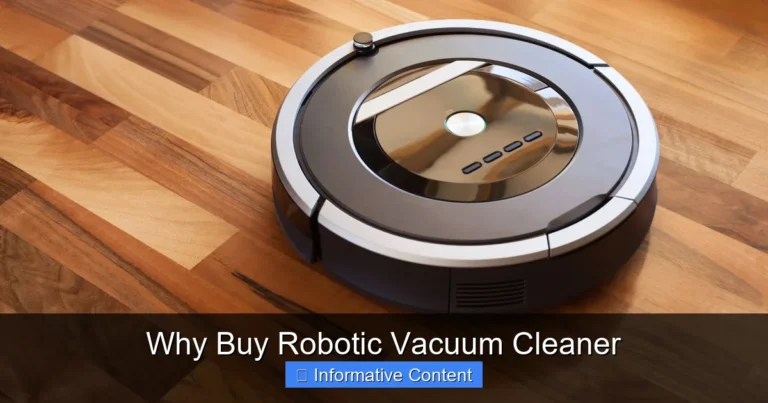
The rise of robot vacuums has brought incredible convenience, but also a new set of longevity considerations. These tech-laden devices have more complex components, including numerous sensors, software, and a rechargeable battery. On average, a robot vacuum cleaner will last around 2 to 5 years. Battery degradation is a major factor here, as is the wear and tear on their smaller brushes and wheels.
Handheld Vacuums
Perfect for small spills and car interiors, handheld vacuums are the smallest of the bunch. They usually feature compact motors and batteries. Their lifespan is typically shorter, ranging from 2 to 4 years. Like stick vacuums, battery performance is a key determinant of their ultimate longevity.
Factors Influencing Vacuum Lifespan: What Makes a Difference
Beyond the vacuum type, several critical factors play a huge role in determining how long your vacuum cleaner will last. Understanding these can help you make a more informed purchase and practice better care.

Visual guide about How Long Should a Vacuum Cleaner Last
Image source: rootsmulticlean.com
Quality of Construction and Brand Reputation
It often rings true: you get what you pay for. A vacuum cleaner from a reputable brand, built with high-quality materials and components, is inherently more likely to last longer than a budget model made with cheaper plastics and less durable motors. Premium brands often invest more in engineering, testing, and better internal parts, which translates to greater durability and a longer lifespan. For instance, a vacuum from a brand known for its robust construction, even if it costs a bit more upfront, might save you money in the long run by delaying the need for a replacement.
Frequency and Intensity of Use
Think of it like a car’s mileage. A vacuum cleaner used daily in a large, busy household with pets and kids will experience significantly more wear and tear than one used once a week in a small, tidy apartment. The more frequently you use your vacuum, and the tougher the jobs it tackles (e.g., heavy pet hair, construction dust), the faster its components will wear out. This is a critical factor when considering how long should a vacuum cleaner last for your specific needs.
Type of Debris and Surfaces Cleaned
What your vacuum sucks up also matters. Fine dust, sand, or pet hair can be more taxing on filters and motors than larger, lighter debris. Cleaning primarily thick, high-pile carpets often puts more strain on brush rolls and motors than gliding across smooth hard floors. If your vacuum is regularly exposed to abrasive materials or constantly battling deeply embedded dirt, its lifespan may be shortened.
Maintenance Habits
This is arguably the most significant factor you can control. A vacuum cleaner that receives regular, diligent maintenance will almost always outlast one that is neglected. We’re talking about emptying dustbins, cleaning filters, untangling brush rolls, and checking for clogs. Think of it like regular oil changes for your car; consistent care prevents minor issues from snowballing into major, costly repairs or premature failure. Proper maintenance directly answers the question of how long should a vacuum cleaner last.
User Habits and General Care
Are you gentle with your vacuum, or do you treat it like a bumper car? Yanking the cord, dragging it roughly over obstacles, letting it fall down stairs, or attempting to vacuum up items it wasn’t designed for (like liquids or large pieces of debris) can all cause damage that significantly shortens its life. A little care in handling goes a long way.
Extending Your Vacuum Cleaner’s Lifespan: Practical Maintenance Tips
Now that you know what impacts how long a vacuum cleaner lasts, let’s talk about what you can do to make yours last as long as possible. Good maintenance is not just about cleaning; it’s about preserving your investment.
Regular Cleaning and Emptying
- Empty the Dustbin/Change Bags: This seems obvious, but it’s crucial. A full dustbin or bag restricts airflow, forcing the motor to work harder, which can lead to overheating and premature wear. Aim to empty the dustbin after every use or when it’s two-thirds full. Change bags when they are full, typically indicated by a line on the bag or a performance drop.
- Wipe Down the Exterior: A quick wipe-down with a damp cloth keeps dust and grime from building up in vents and around buttons.
Filter Maintenance
- Clean Washable Filters: Many modern vacuums have washable foam or pleated filters. Rinse these under cold water until the water runs clear. Make sure they are completely dry (24-48 hours) before putting them back in to prevent mold and motor damage.
- Replace HEPA Filters: HEPA filters are designed to trap tiny particles and are usually not washable. Consult your vacuum’s manual for recommended replacement schedules (typically every 6-12 months, depending on use). A clogged HEPA filter drastically reduces suction and strains the motor.
Brush Roll Care
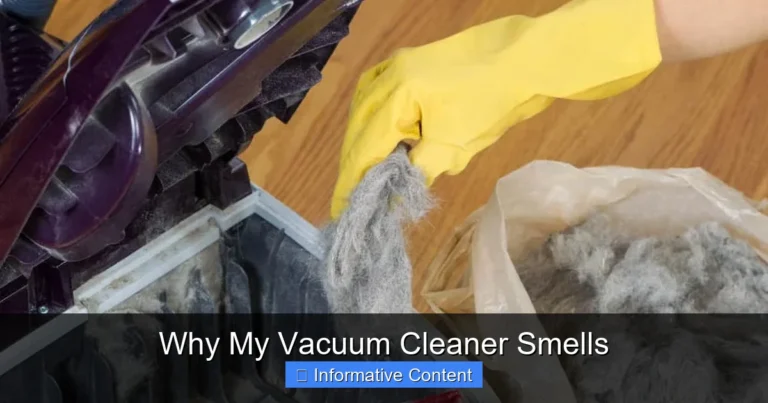
- Untangle Hair and Threads: The brush roll (or beater bar) is a magnet for hair, threads, and carpet fibers. These can wrap tightly around the brush, preventing it from spinning effectively and putting stress on the motor and belt. Use scissors or a seam ripper to carefully cut and remove tangled debris regularly.
- Check for Damage: Inspect the bristles for wear or damage. If they’re flattened or missing, it might be time for a replacement brush roll to maintain effective cleaning.
Hose and Attachment Inspection
- Check for Clogs: Reduced suction is often due to a clog in the hose or attachments. Disconnect the hose and carefully check for blockages. A broom handle or a long, flexible brush can help dislodge stubborn clogs.
- Inspect for Cracks or Holes: Any breach in the hose or attachments can lead to significant suction loss. Repair small cracks with electrical tape or replace damaged parts.
Cord Care (for Corded Vacuums)
- Don’t Yank the Cord: Always pull the plug from the wall, not the cord itself. Yanking can damage the internal wiring or the connection to the vacuum.
- Wrap Properly: Neatly wrap the cord after use to prevent tangles and damage. Avoid running the vacuum over its own cord repeatedly.
Battery Care (for Cordless and Robot Vacuums)
- Follow Charging Instructions: Always use the manufacturer-recommended charger and follow charging guidelines. Overcharging or constantly depleting the battery to zero can shorten its lifespan.
- Store Appropriately: If storing your cordless vacuum for an extended period, ensure the battery is partially charged (around 50%) rather than fully charged or completely drained.
Timely Professional Servicing
For high-end vacuums or if you notice a persistent issue (e.g., strange noises, burning smell, significant loss of suction despite self-maintenance), consider professional servicing. A skilled technician can often diagnose and fix issues before they become terminal, significantly extending how long a vacuum cleaner lasts.
When to Repair vs. Replace: Making the Smart Choice
Despite your best efforts, there comes a time when every vacuum cleaner faces a critical decision point: repair or replace? It’s not always an easy choice, but considering these factors can help you make an informed decision.
Cost of Repair vs. New Unit
A good rule of thumb is the “50% rule.” If the cost of repairing your vacuum is 50% or more of the cost of a brand-new, comparable model, it’s often more economical to replace it. For example, if a new vacuum costs $300 and the repair is $180, replacing might be the smarter financial move. However, if the repair is only $50, it’s usually worth fixing.
Age of the Vacuum
An older vacuum (e.g., 8+ years) with a major component failure might be better replaced, even if the repair cost is below the 50% threshold. The older it is, the more likely other components are nearing the end of their life, leading to a cascade of future repairs. A newer vacuum (e.g., 2-3 years old) experiencing an issue often warrants a repair, especially if it’s a known defect or a single part failure.
Availability of Parts
For older or less common models, finding replacement parts can be difficult or impossible. If parts are obsolete or require extensive searching, replacement becomes the more practical option. Good brands generally support their models with parts for many years, which can be a factor when initially deciding how long a vacuum cleaner should last you.
Performance Decline
If your vacuum has consistently lost suction, developed strange noises, or simply isn’t cleaning effectively despite all your maintenance efforts, it might be a sign that its core components are failing. Sometimes, even with repairs, an old motor or worn-out internal system just can’t deliver the original performance.
Warranty Status
Always check if your vacuum is still under warranty. If it is, and the issue is covered, then repairing it is a no-brainer. Warranties can significantly extend the usable life of your vacuum without additional cost.
Environmental Impact
From an environmental perspective, repairing an appliance rather than discarding it is almost always the greener choice. It reduces electronic waste (e-waste) and conserves the resources needed to manufacture a new unit. If the repair is reasonable, consider the environmental benefit alongside the financial one.
Conclusion: The Lifespan of Your Trusty Cleaner
So, how long should a vacuum cleaner last? As we’ve explored, there’s no single answer, but rather a spectrum influenced by its type, initial quality, how often it’s used, and most importantly, the care it receives. While average lifespans range from 2 years for some robot vacuums to over 10 years for durable uprights and canisters, your personal efforts in maintenance are truly what make the biggest difference.
By regularly cleaning filters, emptying bins, untangling brush rolls, and generally treating your vacuum with a little TLC, you can significantly extend its working life. Not only will this save you money in the long run, but it also ensures your home stays cleaner and healthier. When the time does come for that tough repair-or-replace decision, weigh the costs, age, and environmental impact thoughtfully.
Invest a little time in maintaining your vacuum, and it will repay you with years of faithful service, keeping your floors spotless and your air fresh. Happy vacuuming!
Frequently Asked Questions
How does vacuum cleaner quality affect its lifespan?
Higher quality vacuum cleaners, often from reputable brands, are built with more durable materials and better-engineered components. This superior construction generally allows them to withstand more wear and tear, leading to a significantly longer lifespan compared to cheaper, lower-quality models.
Can vacuuming pet hair shorten my vacuum’s life?
Yes, vacuuming a lot of pet hair can put extra strain on your vacuum. It can clog filters, wrap around brush rolls, and make the motor work harder, all of which can contribute to faster wear and potentially shorten the vacuum cleaner’s lifespan if not regularly cleaned and maintained.
What are the signs that my vacuum cleaner is dying?
Common signs that your vacuum cleaner might be nearing the end of its life include a noticeable loss of suction power, strange or unusually loud noises, burning smells, frequent overheating, or difficulty picking up debris that it used to handle easily.
Should I unplug my corded vacuum after every use?
Yes, it’s good practice to unplug your corded vacuum after every use. This not only prevents accidental power draws but also allows you to properly wrap the cord, preventing damage from tangles or being left stretched, which can extend the life of the cord and plug connections.
How does vacuum cleaner storage affect its longevity?
Proper storage is important. Storing your vacuum in a clean, dry place protects it from dust accumulation and moisture damage. For cordless models, storing them at appropriate battery levels (as recommended by the manufacturer) can also help preserve battery health over time.
Does using my vacuum on different floor types reduce its lifespan?
Using your vacuum on a variety of floor types (e.g., carpets, hardwood, tile) is generally fine, especially if your model is designed for multi-surface cleaning. However, if your vacuum is constantly struggling with one type of surface (e.g., a lightweight stick vacuum on thick shag carpet), it can put extra strain on the motor and brush roll, potentially reducing its lifespan over time.