How Is Suction Measured in a Vacuum Cleaner
Understanding how suction is measured in a vacuum cleaner is key to choosing the right model. While raw suction force (like Water Lift) indicates lifting power, airflow (CFM) measures cleaning speed for lighter debris. The most comprehensive metric, Air Watts, combines both power and airflow, offering the best overall indicator of a vacuum’s actual cleaning ability under working conditions.
Have you ever stood in the vacuum cleaner aisle, bewildered by technical jargon and conflicting claims, wondering what “200 Air Watts” or “90 inches of water lift” actually means for your crumb-covered carpet? You’re not alone. Many of us simply want to know if a vacuum cleaner will *really* suck up the dirt, but deciphering the performance metrics can feel like trying to solve a complex puzzle. It’s a common misconception that all “suction” is created equal, or that a high wattage motor automatically translates to superior cleaning power.
The truth is, understanding how suction is measured in a vacuum cleaner involves looking at several different, yet interconnected, metrics. These measurements help to paint a more complete picture of a vacuum’s ability to pick up various types of debris from different surfaces. From fine dust to embedded pet hair, each aspect of a vacuum’s performance contributes to its overall effectiveness, and specific measurements help us quantify these contributions. Once you grasp these fundamental concepts, you’ll be empowered to make smarter purchasing decisions and even get more out of your current cleaning companion.
So, let’s pull back the curtain and demystify the science behind your vacuum cleaner’s power. We’ll explore the key metrics used to quantify suction, explain what each one means in practical terms, and provide tips on how to apply this knowledge to keep your home sparkling clean. By the end of this article, you’ll not only understand how suction is measured in a vacuum cleaner but also what to look for when evaluating your next cleaning machine.
Key Takeaways
- No Single “Suction” Metric: Vacuum cleaner suction is measured by several key metrics, including Air Watts, Water Lift (sealed suction), and CFM (Cubic Feet per Minute), as no single number tells the whole story.
- Air Watts is Comprehensive: Air Watts is generally considered the most useful metric for consumers, as it quantifies the actual power a vacuum uses to pick up debris, combining both airflow and suction power.
- Water Lift Measures Lifting Power: Water Lift indicates the maximum static suction or the vacuum’s ability to lift heavy objects or pull deeply embedded dirt, but it doesn’t account for airflow.
- CFM Measures Airflow/Cleaning Speed: CFM (Cubic Feet per Minute) quantifies the volume of air moved per minute, which is crucial for picking up light, fluffy debris quickly over a wide area.
- Amps/Horsepower are Not Suction Metrics: While a vacuum’s motor draws a certain number of amps or has a specific horsepower, these figures indicate electrical input, not the actual cleaning performance or suction output.
- ASTM F558 Standardizes Measurement: Reputable manufacturers often adhere to the ASTM F558 standard for measuring Air Watts, ensuring a consistent and reliable way to compare vacuum cleaner performance.
- Real-World Performance Matters: Beyond raw numbers, factors like brush roll design, nozzle efficiency, filtration system, and bag/canister fullness significantly impact a vacuum cleaner’s effective cleaning power in your home.
Quick Answers to Common Questions
What is the most comprehensive measurement of vacuum cleaner suction?
Air Watts is generally considered the most comprehensive measurement as it combines both airflow and suction power, indicating the effective cleaning power of the vacuum.
What does Water Lift measure?
Water Lift measures the maximum static suction or the vacuum’s ability to lift heavy objects or pull deeply embedded dirt when the nozzle is sealed.
What does CFM stand for and what does it measure?
CFM stands for Cubic Feet per Minute, and it measures the volume of air a vacuum cleaner can move, indicating its ability to quickly pick up light debris.
Do Amps or Horsepower directly measure suction?
No, Amps and Horsepower measure the electrical input or motor output, respectively, not the actual cleaning performance or suction output of the vacuum.
How does a full vacuum bag affect suction?
A full vacuum bag restricts airflow, causing a significant drop in the vacuum’s effective suction power.
📑 Table of Contents
Beyond the Buzz: Understanding Suction vs. Airflow
When we talk about a vacuum cleaner’s “suction,” we’re often simplifying two distinct but equally important forces: the actual vacuum pressure (the “pull”) and the volume of air moving through the system (the “flow”). Both are vital for effective cleaning, but they tackle different types of dirt and require different measurement techniques.
Static Pressure (Water Lift / Sealed Suction)
Imagine trying to lift a bowling ball with a straw. You’d need a lot of static suction, or vacuum pressure, to create enough force to defy gravity. In vacuum cleaners, this raw lifting power is often measured as “Water Lift” or “Sealed Suction.” It tells you how strong the vacuum’s pulling power is when the nozzle is completely blocked or sealed. A higher water lift means the vacuum has more potential to pull deeply embedded dirt from carpets or lift heavier debris.
Airflow (CFM – Cubic Feet per Minute)
Now, imagine trying to clear a floor covered in dandelion fluff. You wouldn’t need a super strong pull, but you’d need a lot of air moving quickly to gather all that light, airy debris. This is where airflow, measured in Cubic Feet per Minute (CFM), comes into play. CFM indicates the volume of air that a vacuum cleaner can move through its system in one minute. High CFM is excellent for picking up light debris from hard floors or surface dirt from carpets quickly. It dictates how fast a vacuum can “sweep” an area.
While both static pressure and airflow are crucial, it’s their combined action that truly defines a vacuum’s cleaning prowess. A vacuum with high static pressure but low airflow might be good at pulling deep dirt but slow at cleaning a wide area. Conversely, high airflow with low static pressure might struggle with heavy debris or deeply embedded grime. This brings us to the most comprehensive metric.
The Gold Standard: Air Watts Explained
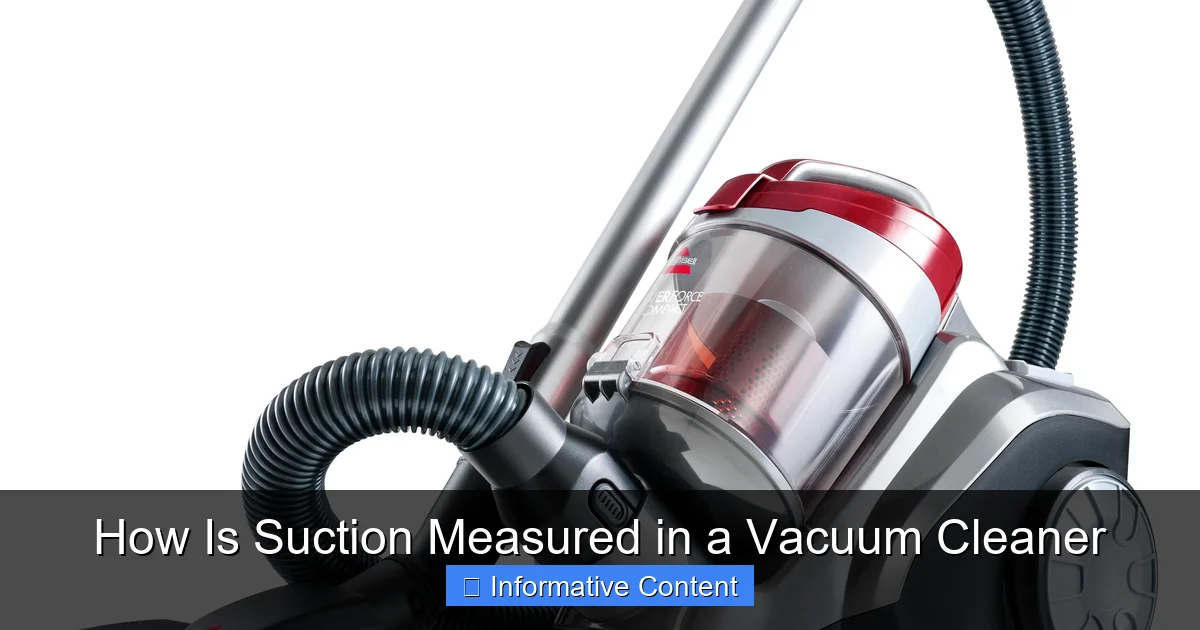
Visual guide about How Is Suction Measured in a Vacuum Cleaner
Image source: images-na.ssl-images-amazon.com
If you’re looking for a single number that best represents a vacuum cleaner’s overall cleaning power, “Air Watts” is your go-to metric. It’s the most common and arguably the most useful measurement for assessing how suction is measured in a vacuum cleaner, as it takes into account both the vacuum’s airflow and its suction pressure.
What are Air Watts? (Power x Airflow)
Air Watts are a derived unit of power that quantifies the effective cleaning power of a vacuum cleaner. It’s a calculation that considers both the airflow (CFM) and the suction pressure (water lift) the vacuum produces at the nozzle. Essentially, Air Watts tell you how much power the vacuum is *actually using* to move air and pick up dirt, rather than just how much electrical power it consumes. The formula generally looks something like this:
Air Watts = (CFM * Water Lift) / 8.5 (or similar constant, depending on units and precise definition)
This means a vacuum needs both good airflow and good suction pressure to achieve a high Air Watt rating. A high Air Watt number typically indicates superior cleaning performance across a range of cleaning tasks.
Why Air Watts Matter
Unlike mere motor wattage (measured in Amps or Watts of electrical consumption), Air Watts directly relate to the vacuum’s performance on the floor. A vacuum could have a very powerful motor, but if its design is inefficient, much of that power could be lost as heat or noise, resulting in lower Air Watts and less effective cleaning. Air Watts cuts through the marketing hype of motor size and gives you a more realistic figure for what the machine can *do*. When you see a vacuum cleaner claiming “X Air Watts,” you’re looking at a measurement of its ability to pick up debris, combining the strength of its pull with the volume of air it moves. This is why Air Watts is often considered the most important figure when asking how suction is measured in a vacuum cleaner for practical purposes.
How Air Watts are Measured (ASTM F558 Standard)
To ensure consistency and comparability, the measurement of Air Watts (and other vacuum performance metrics) is often conducted according to specific industry standards. The most widely recognized standard in North America is ASTM F558. This standard outlines precise procedures for testing vacuum cleaners, including how to measure airflow, sealed suction, and calculate Air Watts under controlled conditions.
When a manufacturer states their vacuum meets ASTM F558 standards, it means their Air Watt claims are based on a standardized test, making it easier for consumers to compare different models accurately. Without such standards, different manufacturers could use their own testing methods, leading to misleading comparisons. This standard is crucial in providing a reliable answer to how suction is measured in a vacuum cleaner effectively.
Diving Deeper: Other Key Measurement Metrics
While Air Watts offer a comprehensive view, understanding the individual components of suction and airflow—Water Lift and CFM—provides deeper insight into a vacuum’s specific strengths.
Water Lift (Inches of Water)
Water Lift, often expressed in “inches of water” (or mm/cm of water), directly measures the static pressure difference a vacuum can create. To measure this, a vacuum’s hose is typically connected to a manometer—a U-shaped tube filled with water. When the vacuum is turned on and the hose opening is sealed, the vacuum’s pull draws water up one side of the tube and down the other. The difference in water levels, measured in inches, indicates the maximum static suction the vacuum can generate.
A high water lift rating means the vacuum has strong pulling power. This is particularly beneficial for:
- Deep carpet cleaning: Extracting deeply embedded dirt and allergens.
- Wet/dry vacs: Lifting heavy liquids.
- Grooming attachments: Pulling pet hair directly from pets (though gentler suction is preferred here).
- Upholstery and car interiors: Getting stubborn dirt out of fabric.
However, remember that water lift is measured in a *sealed* system. In real-world cleaning, the nozzle is rarely completely sealed, so actual working suction will be lower.
CFM (Cubic Feet per Minute)
CFM, or Cubic Feet per Minute, quantifies the volume of air a vacuum can move. This is typically measured by connecting the vacuum to a specialized airflow meter that records how many cubic feet of air pass through it in sixty seconds.
A high CFM is crucial for:
- Surface cleaning: Quickly picking up light debris like dust, crumbs, and pet hair from hard floors and low-pile carpets.
- Wide area coverage: Efficiently cleaning larger spaces by moving a large volume of air.
- Maintaining suction with attachments: Ensuring sufficient airflow even when using brushes or tools that might slightly restrict the opening.
Vacuums designed for hard floors or those that prioritize speed often boast high CFM numbers. A vacuum can have high CFM but low water lift, meaning it can move a lot of air but might not have the strength to lift heavy objects or deeply embedded dirt.
Amps and Horsepower – Why They *Don’t* Directly Measure Suction
You’ll often see “Amps” or “Horsepower” listed on vacuum cleaner specifications. While these figures tell you about the motor’s electrical input, they do *not* directly measure the vacuum’s suction power or cleaning performance.
* Amps (Amperage): This indicates how much electrical current the motor draws from the wall outlet. A higher amperage simply means the motor *uses* more electricity; it doesn’t automatically mean it converts that electricity into more effective suction. An inefficient motor might draw many amps but produce low Air Watts, converting much of the electrical energy into wasted heat or noise instead of useful suction.
* Horsepower (HP): Similar to amperage, horsepower measures the mechanical power output of the motor itself. Again, a high horsepower motor doesn’t guarantee superior cleaning. The design of the fan (impeller), the internal airflow pathways, and the seal of the system all play crucial roles in how efficiently that motor power is converted into actual suction and airflow at the nozzle.
Focusing solely on Amps or Horsepower when evaluating how suction is measured in a vacuum cleaner can be misleading. Always prioritize Air Watts, CFM, and Water Lift for a true understanding of cleaning capability.
The Science of Suction: How Vacuum Cleaners Create It
Understanding the metrics helps us compare vacuums, but how exactly does a vacuum cleaner create this mysterious “suction” in the first place? It’s a clever application of physics.
The Motor and Fan
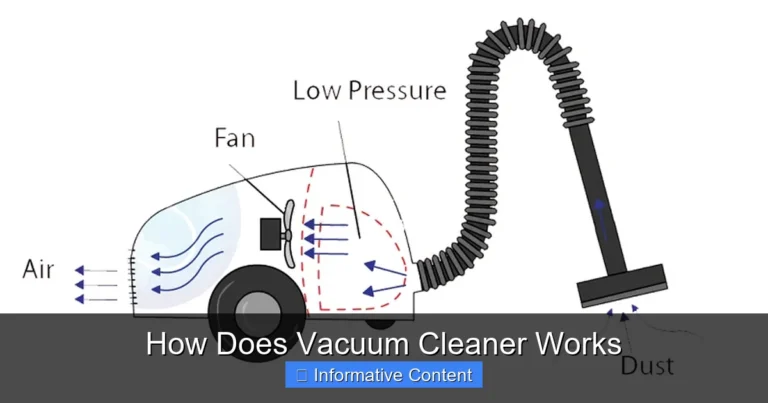
At the heart of every vacuum cleaner is an electric motor connected to a fan, or impeller. When the motor spins the fan at very high speeds, the fan blades push air towards the exhaust port of the vacuum. This expulsion of air creates a partial vacuum, or an area of lower air pressure, within the vacuum cleaner’s housing.
The Sealed System
Because air naturally moves from areas of high pressure to areas of low pressure, the higher atmospheric pressure outside the vacuum cleaner then pushes air (along with dust, dirt, and debris) into the vacuum cleaner’s intake nozzle. This continuous flow of air into the lower-pressure area is what we perceive as “suction.” The effectiveness of this process depends heavily on how well the vacuum’s system is sealed. Any leaks in the hose, canister, or around the filters can reduce the pressure differential, leading to a loss of suction.
Why These Measurements Matter to YOU (The Consumer)
Knowing how suction is measured in a vacuum cleaner isn’t just for engineers; it’s vital for making informed decisions that directly impact your cleaning experience.
Matching Suction to Cleaning Needs (Hard Floors, Carpet, Pet Hair)
Different cleaning tasks benefit from different combinations of suction and airflow:
- Hard Floors: For bare floors, high CFM is often more important than high water lift. You want to move a lot of air quickly to pick up dust, crumbs, and pet hair without needing extreme pulling power. A good hard floor vacuum will have strong airflow and perhaps a soft brush roll.
- Low-Pile Carpets/Rugs: A balance of good CFM and decent Air Watts is ideal here. Enough airflow to pick up surface dirt, and enough Air Watts to loosen and lift slightly embedded grime.
- High-Pile Carpets/Pet Hair: This is where higher Air Watts and significant Water Lift become critical. You need the power to pull embedded dirt, pet dander, and long hair from deep within the carpet fibers. A powerful brush roll is also essential here, working in conjunction with strong suction.
- Pet Hair: Whether on hard floors or carpets, pet hair benefits from both strong airflow (to collect it quickly) and good suction (to lift it, especially from upholstery or carpet). Look for models with specialized pet attachments and strong Air Watts.
Understanding Nozzle Design and Agitation
The best suction metrics in the world won’t matter if your vacuum’s nozzle and brush roll aren’t designed effectively.
- Brush Rolls (Agitation): For carpets, a spinning brush roll (or beater bar) is crucial. It agitates the carpet fibers, loosening dirt and hair, allowing the vacuum’s suction to pull them away more easily. Without effective agitation, even a high-suction vacuum might struggle with deeply embedded dirt.
- Nozzle Design: The shape and seal of the nozzle against the floor significantly impact effective suction. A poorly designed nozzle that allows air to escape around the edges will drastically reduce the working suction, regardless of the motor’s power.
Bag/Filter Impact on Suction
It’s important to remember that the listed suction measurements are for a clean, empty vacuum. In real-world use, bags fill up, and filters get clogged with dirt and dust. This directly impedes airflow and can significantly reduce a vacuum’s effective suction power over time.
- Bags: As a vacuum bag fills, the pores in the bag material become blocked, restricting airflow. This leads to a noticeable drop in suction. Regularly changing bags is key.
- Filters: Clogged HEPA or foam filters also restrict airflow. Many modern vacuums have washable filters, but they still need regular cleaning or replacement to maintain optimal suction and filtration efficiency.
This is a critical factor when considering how suction is measured in a vacuum cleaner and how those measurements translate to ongoing performance.
Practical Tips for Maximizing Your Vacuum’s Suction
Even if you’ve invested in a high-Air Watt vacuum, proper care and usage can significantly impact its performance.
Regular Maintenance
This is the simplest yet most overlooked aspect of maintaining suction.
- Change or empty bags/canisters frequently: Don’t wait until they’re overflowing. A full bag or canister severely restricts airflow.
- Clean/replace filters: Rinse washable filters regularly (allow them to air dry completely) and replace disposable ones according to manufacturer recommendations.
- Clear brush roll: Remove tangled hair, strings, and debris from the brush roll to ensure it spins freely and effectively agitates carpets.
Proper Attachment Use
Using the right attachment for the job can make a huge difference. Crevice tools concentrate suction into a small area, making them powerful for tight spots. Upholstery tools often have felt strips to gather lint and hair while maintaining good surface contact. Be mindful of attachments that might overly restrict airflow if not used correctly.
Checking for Blockages
A sudden drop in suction often points to a blockage.
- Check the hose: Disconnect the hose and carefully look or push a broom handle through to dislodge any clogs.
- Inspect the nozzle/wand: Ensure nothing is stuck in the intake or extensions.
- Examine internal pathways: Some vacuums have access points to clear clogs in the main body.
Regularly performing these checks will help you maintain your vacuum’s optimal suction power, ensuring it lives up to the measurements stated on the box.
In conclusion, understanding how suction is measured in a vacuum cleaner goes beyond simple numbers. It’s about appreciating the interplay of static pressure, airflow, and ultimately, effective cleaning power as represented by Air Watts. By focusing on these key metrics, maintaining your machine, and using it correctly, you can ensure your vacuum cleaner performs at its best, tackling dirt and debris with impressive efficiency. So next time you’re faced with a stubborn mess, you’ll know exactly what kind of “suck” you need to get the job done right!
Frequently Asked Questions
What’s the difference between “suction power” and “airflow”?
Suction power (often measured as Water Lift) refers to the maximum static pulling force a vacuum can generate, ideal for lifting heavy or deeply embedded dirt. Airflow (measured as CFM) refers to the volume of air the vacuum can move, which is crucial for quickly picking up light debris over a wide area. Both are essential for effective cleaning.
Why are Air Watts a better indicator of performance than motor wattage (Amps)?
Motor wattage (Amps) only tells you how much electricity the motor consumes, not how efficiently that power is converted into cleaning force. Air Watts, on the other hand, measure the actual useful power delivered at the nozzle by combining both airflow and suction, providing a more direct indicator of a vacuum’s real-world cleaning effectiveness.
What is a good Air Watt rating to look for in a vacuum cleaner?
A good Air Watt rating typically ranges from 100-220 AW for canister or upright vacuums, with higher numbers indicating more powerful cleaning. For specialized tasks like deep carpet cleaning or pet hair removal, looking for vacuums above 150-180 Air Watts is often recommended, though effectiveness also depends on nozzle design and filtration.
How often should I clean or replace my vacuum’s filters to maintain suction?
The frequency depends on your vacuum model and usage. For most vacuums, washable filters should be rinsed monthly (and fully dried before reinserting), while disposable filters should be replaced every 6-12 months. Regular filter maintenance is crucial to prevent airflow restrictions and maintain optimal suction power.
Can a vacuum cleaner lose suction over time?
Yes, a vacuum cleaner can absolutely lose suction over time due to several factors. These include a full or clogged dust bag/canister, dirty or blocked filters, clogs in the hose or attachments, wear and tear on motor components, or cracks/leaks in the sealed system. Regular maintenance is key to preventing this.
Does the type of floor I clean affect which suction metrics are most important?
Absolutely. For hard floors, high CFM (airflow) is often more important for quickly gathering light debris. For deep pile carpets or pet hair, higher Air Watts and Water Lift (suction power) become crucial for extracting embedded dirt and tangled hair. A versatile vacuum will have a good balance of both, often with adjustable settings.