How Does Wet Vacuum Cleaner Work
A wet vacuum cleaner operates on the principle of powerful suction, similar to a dry vacuum, but with specialized components to safely collect liquids. It uses a strong motor to create a vacuum, drawing in wet debris and dirty water into a dedicated collection tank, rather than a dust bag. Unique filters and float mechanisms prevent motor damage, making it an indispensable tool for managing spills and deep cleaning tasks effectively.
How Does Wet Vacuum Cleaner Work?
Have you ever faced a massive spill, a leaky pipe, or a flooded basement and wished you had a magical tool to make the mess disappear instantly? Or perhaps you’ve longed for a way to truly deep clean your carpets, getting rid of embedded dirt and grime that a regular vacuum just can’t touch? If so, you’re probably already familiar with the power and versatility of a wet vacuum cleaner. These unsung heroes of heavy-duty cleaning are far more than just souped-up versions of your everyday upright. They are specialized machines designed to tackle the toughest, wettest messes with incredible efficiency.
But what exactly makes a wet vacuum cleaner tick? How do these remarkable devices manage to suck up gallons of liquid, mud, and slurry without short-circuiting or getting clogged? It’s a fascinating blend of clever engineering, basic physics, and specialized components that allow them to perform tasks a standard dry vacuum could only dream of. Understanding “how does wet vacuum cleaner work” reveals the innovative design behind its ability to handle both the grimiest liquids and stubborn dry debris, making it an indispensable tool for homes, workshops, and professional cleaning environments alike.
Let’s pull back the curtain and explore the inner workings of this powerful cleaning companion. We will dive into the core principles, the unique parts that set it apart, and how you can harness its full potential for a cleaner, drier space. Get ready to discover the magic behind the suction and separation that define the robust functionality of a wet vacuum cleaner.
Key Takeaways
- Powerful Suction: Wet vacuum cleaners utilize a high-powered motor and impeller to create strong airflow and a vacuum, effectively lifting both dry debris and liquids from surfaces.
- Liquid Collection System: Unlike dry vacuums, they feature a robust, sealed collection tank designed specifically to hold dirty water and wet debris, preventing leaks and contamination.
- Specialized Filtration: Wet vacs employ different filtration methods, often using foam filters or no filter at all (for purely wet tasks), to protect the motor from moisture and debris without clogging.
- Safety Mechanisms: Most wet vacuum cleaners include a float mechanism that rises when the collection tank is full, automatically shutting off suction to prevent overfilling and motor damage.
- Versatile Applications: These machines are incredibly versatile, used for cleaning up spills, deep cleaning carpets, clearing clogged sinks, and even detailing vehicles, thanks to their ability to handle both wet and dry messes.
- Maintenance is Key: Regular cleaning of the collection tank, hoses, and filters after each wet use is crucial to prevent mold, mildew, and unpleasant odors, ensuring the machine’s longevity and performance.
Quick Answers to Common Questions
How does a wet vacuum cleaner generate suction?
A wet vacuum cleaner generates suction through a powerful electric motor that spins an impeller (a fan). This rapidly pushes air out of the vacuum’s chamber, creating a low-pressure zone, or partial vacuum, that draws air and debris into the machine.
What is the primary difference between a wet and a dry vacuum?
The primary difference is their ability to handle liquids. A wet vacuum cleaner has a sealed collection tank for dirty water and a float mechanism to prevent motor damage, while a dry vacuum uses a bag or small container and is not designed for liquids.
How does a wet vac prevent water from reaching the motor?
Most wet vacs use a float mechanism. As the collection tank fills with liquid, a buoyant float rises. When it reaches a critical level, it blocks the air intake to the motor, causing suction to stop and preventing water from entering the motor.
Can I use a wet vacuum cleaner for dry messes too?
Yes, most wet vacuum cleaners are “wet/dry” models and can be used for dry messes. However, you often need to change the filter (e.g., from a foam sleeve for wet to a paper cartridge for dry) before switching tasks.
Why is immediate cleaning of a wet vac important after use?
Immediate cleaning of the collection tank, hose, and filter after wet use is important to prevent the growth of mold, mildew, and bacteria, which can cause unpleasant odors and damage the machine over time.
📑 Table of Contents
The Core Principle: Suction and Separation
At its heart, a wet vacuum cleaner operates on the same fundamental principle as any other vacuum cleaner: creating a powerful vacuum to draw in air and debris. However, its method of handling that debris – especially when it’s liquid – is where it truly differentiates itself. The entire process relies on a powerful motor driving a fan, known as an impeller, to create a pressure difference that sucks in everything in its path.
The Powerful Motor and Impeller
Every wet vacuum cleaner is equipped with a robust electric motor. This motor is the true powerhouse, responsible for spinning the impeller at extremely high speeds. The impeller is essentially a fan with specially designed blades. As these blades spin, they rapidly push air out of an enclosed chamber, creating a low-pressure zone, or a partial vacuum, inside the vacuum cleaner’s housing. Think of it like a mini-tornado pulling air inwards.
Airflow Dynamics
When this low-pressure zone is created, the higher atmospheric pressure outside the vacuum cleaner – specifically, at the cleaning nozzle – pushes air and whatever debris is in its way towards the vacuum’s intake. This includes everything from dust bunnies to spilled coffee, shattered glass, and even standing water. The constant flow of air, driven by the pressure differential, carries the mess from the floor, through the hose, and into the vacuum cleaner’s body. The key difference here is how that airflow is then managed to separate liquids from solids and contain them safely.
Handling Liquids: More Than Just Dry Dust
Visual guide about How Does Wet Vacuum Cleaner Work
Image source: techasur.com
This is where the distinction between a dry vacuum and a wet vacuum cleaner becomes most apparent. A dry vacuum is designed to collect dry particles into a bag or small container. Introducing liquids to a dry vacuum would quickly ruin its motor and electrical components. A wet vacuum cleaner, however, is built from the ground up to safely contain and separate liquids.
The Collection Tank
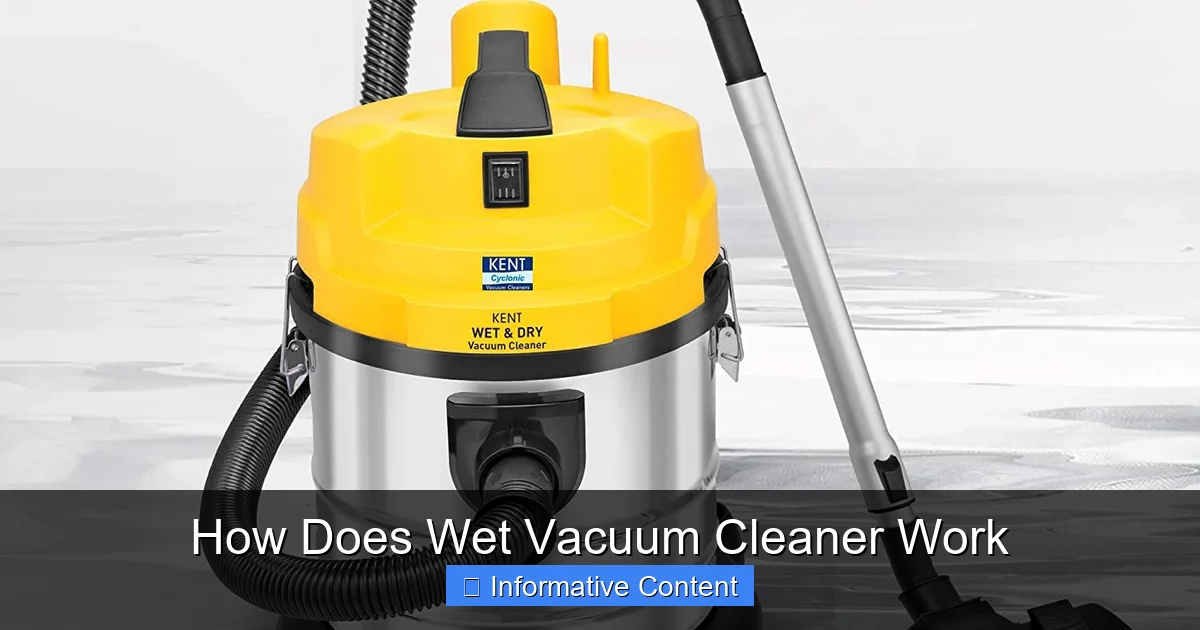
The most visible difference in a wet vacuum cleaner is its large, often transparent or translucent, collection tank. Instead of a dust bag, which would immediately disintegrate when wet, the wet vac directs the incoming air, water, and debris into this robust, sealed container. The heavy liquids and larger debris fall to the bottom of the tank due to gravity, while the air continues its journey towards the motor and exhaust. This tank is typically made from durable plastic or stainless steel, designed to withstand corrosive liquids and heavy use. It needs to be emptied frequently, especially during large clean-ups, to maintain optimal suction.
Float Mechanisms and Overfill Protection
One of the most critical safety features of a wet vacuum cleaner is its float mechanism. As the collection tank fills with liquid, a floating component (often a ball or a buoyant cage) rises with the water level. When the water reaches a predetermined maximum fill line, this float rises high enough to block the air intake to the motor. This sudden blockage causes the suction power to drop dramatically, often with a noticeable change in motor sound. This acts as an automatic shut-off, preventing the tank from overfilling and, more importantly, stopping any liquid from reaching and damaging the motor. This clever piece of engineering is essential for the longevity and safe operation of the machine. Without it, liquid ingress would quickly lead to electrical shorts and motor failure.
Specialized Components for Wet Cleaning
Beyond the basic motor and collection tank, wet vacuum cleaners incorporate several specialized components that enhance their ability to handle liquids and different types of messes effectively. These elements are designed for durability and performance in wet environments.
Wet Filters and Filtration Systems
Traditional dry vacuums rely on paper or HEPA filters to trap fine dust particles before the air reaches the motor and is exhausted. These filters would become instantly clogged and ineffective when exposed to moisture. A wet vacuum cleaner uses a different approach. For purely wet applications, some wet vacs may use no filter at all, or a simple foam sleeve filter. This foam filter is designed to catch larger debris and protect the motor from splashes, allowing water vapor to pass through without impeding airflow significantly. For “wet/dry” models, which can handle both types of messes, users typically swap out a paper cartridge filter (for dry use) for a foam sleeve (for wet use). Always check your model’s specific requirements, as using the wrong filter can damage the vacuum or reduce its efficiency.
Hoses and Attachments Designed for Liquids
The hoses and attachments of a wet vacuum cleaner are also specifically designed for their intended purpose. Hoses are typically wider and more robust than those on dry vacuums, allowing larger debris and higher volumes of liquid to pass through without clogging. They are often made from durable, flexible plastic that can withstand exposure to various chemicals and temperatures. The attachments, such as wet nozzles, squeegee tools, or floor wands, are engineered to maximize liquid pick-up. For example, squeegee attachments have rubber blades that efficiently channel water towards the suction opening, ensuring a thorough drying effect on hard surfaces like concrete or tile. For carpet cleaning, extraction wands often include jets to spray cleaning solution and a powerful suction slot to immediately pull the dirty water back up.
Different Types of Wet Vacuums and Their Applications
The term “wet vacuum cleaner” encompasses a range of machines, each designed for specific tasks and environments. While they all share the core principle of wet suction, their features and capabilities can vary widely.
Shop Vacs: The Workhorses
Often referred to generically as “shop vacs” (after a popular brand), these are perhaps the most common type of wet vacuum cleaner. They are robust, powerful, and built for heavy-duty messes in garages, workshops, construction sites, and even around the home. They can handle sawdust, nails, wood chips, broken glass, spilled paint, flooded areas, and much more. Their large capacity tanks, powerful motors, and durable construction make them incredibly versatile. Many shop vacs are also equipped with a “blower” function, allowing them to reverse airflow and be used to clear leaves or debris from driveways, or even inflate objects.
Carpet Cleaners/Extractors: Deep Cleaning Power
These specialized wet vacuum cleaners are designed specifically for deep cleaning carpets and upholstery. They work by spraying a mixture of hot water and cleaning solution deep into the carpet fibers, agitating the fibers with brushes, and then immediately extracting the dirty water back into a separate collection tank. This “wash and rinse” action effectively lifts embedded dirt, stains, allergens, and odors that conventional vacuuming cannot reach. Carpet extractors typically have two tanks: one for clean solution and one for dirty recovery. They are excellent for refreshing tired carpets, removing pet stains, and revitalizing furniture.
Portable Spot Cleaners: Quick Fixes
Smaller and more compact than full-sized carpet cleaners, portable spot cleaners are designed for quick clean-ups of spills and small stains on carpets, rugs, and upholstery. They operate on the same spray-and-extract principle but are much easier to maneuver and store. These are fantastic for homes with pets or young children, providing an immediate solution to accidents before stains can set in. Their lightweight design makes them ideal for quickly tackling isolated messes without the hassle of setting up a larger machine.
Step-by-Step: Using a Wet Vacuum Cleaner Safely and Effectively
Knowing “how does wet vacuum cleaner work” is one thing, but knowing how to use it correctly is another. Proper usage ensures both efficient cleaning and the longevity of your machine.
Preparation and Setup
Before you start, always read your specific model’s instruction manual.
- Clear the Area: Remove any large, solid debris that could clog the hose (e.g., large pieces of wood, fabric). A wet vac can handle some solids, but it’s best to remove oversized items manually.
- Ensure Proper Filter: If you’re doing wet pickup, ensure you have the correct wet filter installed (usually a foam sleeve) or no filter at all, as per your vacuum’s instructions. If it’s a wet/dry vac and you were previously doing dry work, remember to remove the paper cartridge filter.
- Assemble Attachments: Attach the appropriate hose and nozzle for the job. For large spills, a wide floor squeegee attachment is often best. For carpet cleaning, use the specific carpet wand.
- Check Connections: Make sure all hose connections are tight and secure to prevent leaks and maximize suction.
The Cleaning Process
Once prepared, using a wet vacuum cleaner is straightforward:
- Plug In Safely: Connect to a grounded outlet. Avoid using extension cords unless absolutely necessary, and ensure they are rated for outdoor or heavy-duty use if needed. Never operate near open electrical hazards or standing water if not specifically designed for it.
- Engage Suction: Turn the vacuum cleaner on. You should immediately hear the motor revving and feel suction at the nozzle.
- Begin Wet Pickup: For spills, slowly move the nozzle over the liquid. Use overlapping passes to ensure thorough pick-up. For carpet cleaning, spray the solution, allow it to dwell briefly (if recommended by the solution manufacturer), then make slow, deliberate passes to extract the dirty water. Avoid oversaturating carpets.
- Monitor Tank Level: Pay attention to the sound of the motor. If it changes pitch or suction suddenly drops, the tank is likely full, and the float mechanism has activated. Stop immediately.
- Empty and Continue: Turn off the vacuum, unplug it, and carefully remove the power head. Empty the collection tank into a suitable drain. Reassemble and continue cleaning if needed.
Post-Cleaning Maintenance
Proper maintenance is crucial for preventing odors and prolonging the life of your wet vacuum cleaner.
- Empty and Rinse Tank: Immediately after wet use, empty the collection tank completely. Rinse it thoroughly with clean water to remove any residual dirt, grime, or cleaning solutions. Allowing dirty water to sit can lead to mold, mildew, and foul odors.
- Clean Filters: Remove the wet filter (foam sleeve) and rinse it under running water. Allow it to air dry completely before storing or reinstalling.
- Rinse Hoses and Attachments: Run clean water through the hose and rinse all attachments to remove any debris. Some people even briefly suck up clean water through the hose to flush it out.
- Dry Thoroughly: Ensure all components – tank, filter, hose, and attachments – are completely dry before storing the vacuum. Store it in a dry, well-ventilated area to prevent mildew and rust.
Advantages and Limitations of Wet Vacuuming
Understanding the unique capabilities and constraints of a wet vacuum cleaner helps you decide if it’s the right tool for your cleaning challenges.
Why Choose a Wet Vac?
- Superior Spill Cleanup: It’s unmatched for quickly and efficiently cleaning up large liquid spills, burst pipes, overflowed toilets, or even water from leaky appliances.
- Deep Cleaning Power: Essential for truly deep cleaning carpets, rugs, and upholstery, removing deeply embedded dirt and stains that regular vacuums can’t reach.
- Versatility: Most wet vacuum cleaners are “wet/dry” models, meaning they can easily switch between handling liquids and picking up dry debris like sawdust, sand, or construction waste.
- Odor Removal: By extracting dirty water from carpets and upholstery, wet vacs help remove odor-causing bacteria and residues.
- Durability: Built with robust materials, they are designed to withstand tough cleaning jobs and harsh environments.
What Are the Downsides?
- Bulk and Weight: Wet vacuum cleaners, especially shop vacs, are often larger and heavier than standard household vacuums, making them less convenient for everyday, light cleaning tasks.
- Noise: They tend to be significantly louder than typical household vacuums due to their powerful motors.
- Maintenance: Requires more frequent and thorough cleaning after wet use to prevent mold, mildew, and unpleasant smells.
- Cost: Generally more expensive than basic dry vacuums, although the investment can be well worth it for their versatility.
- Not for Fine Dust (without proper filter): While wet/dry vacs can handle dry debris, using them for fine dust (like drywall dust) without a specialized fine-dust filter can clog foam filters and potentially blow fine dust back into the air if the filtration is inadequate.
In conclusion, the wet vacuum cleaner is a marvel of practical engineering, designed to tackle the most challenging clean-ups that would overwhelm an ordinary dry vacuum. From its powerful motor creating strong suction to its dedicated collection tank and crucial float mechanism, every component works in harmony to safely and effectively manage liquids and heavy debris. By understanding “how does wet vacuum cleaner work” and following proper usage and maintenance guidelines, you empower yourself with an incredibly versatile and durable tool that makes light work of spills, deep cleans surfaces, and keeps your spaces pristine. It’s an indispensable asset for any home, workshop, or professional setting where serious cleaning is a regular necessity.
Frequently Asked Questions
What types of liquids can a wet vacuum cleaner pick up?
A wet vacuum cleaner can typically pick up water, diluted cleaning solutions, mud, slurry, and various liquid spills. It’s always best to check the manufacturer’s guidelines, especially for corrosive chemicals or flammable liquids, which should generally be avoided.
Can a wet vacuum cleaner unclog a sink or drain?
Yes, many wet vacuum cleaners, particularly powerful shop vacs, can be effectively used to unclog sinks or drains. By creating a strong seal around the drain opening and turning on the suction, the vacuum can often pull out blockages. Just ensure no harsh chemicals are present that could damage the vacuum.
Is it safe to use a wet vacuum cleaner on electrical components?
Absolutely not. While a wet vacuum cleaner handles water, it should never be used on live electrical components or near exposed wiring. Electricity and water are a dangerous combination, and doing so can cause electrocution or severe damage to the device.
How often should I clean the filter in my wet vacuum cleaner?
For wet use, the foam filter should be rinsed and allowed to dry completely after every use to prevent mold and maintain airflow. If you’re using a paper cartridge filter for dry debris, it should be cleaned or replaced regularly depending on usage, or when you notice a drop in suction power.
Can I use regular dish soap in my wet vacuum cleaner’s water tank?
It is generally not recommended to use regular dish soap or detergents not specifically designed for wet vacuums or carpet extractors. These can produce excessive foam, which can bypass the float mechanism and damage the motor, or leave sticky residues in your machine and on surfaces.
What is the “blower” function on some wet vacs used for?
The blower function, found on many wet/dry vacuum cleaners, allows you to attach the hose to the exhaust port instead of the intake. This reverses the airflow, turning the vacuum into a powerful blower, useful for clearing leaves, sawdust, or drying wet areas quickly.