How Does Wet and Dry Vacuum Cleaner Work
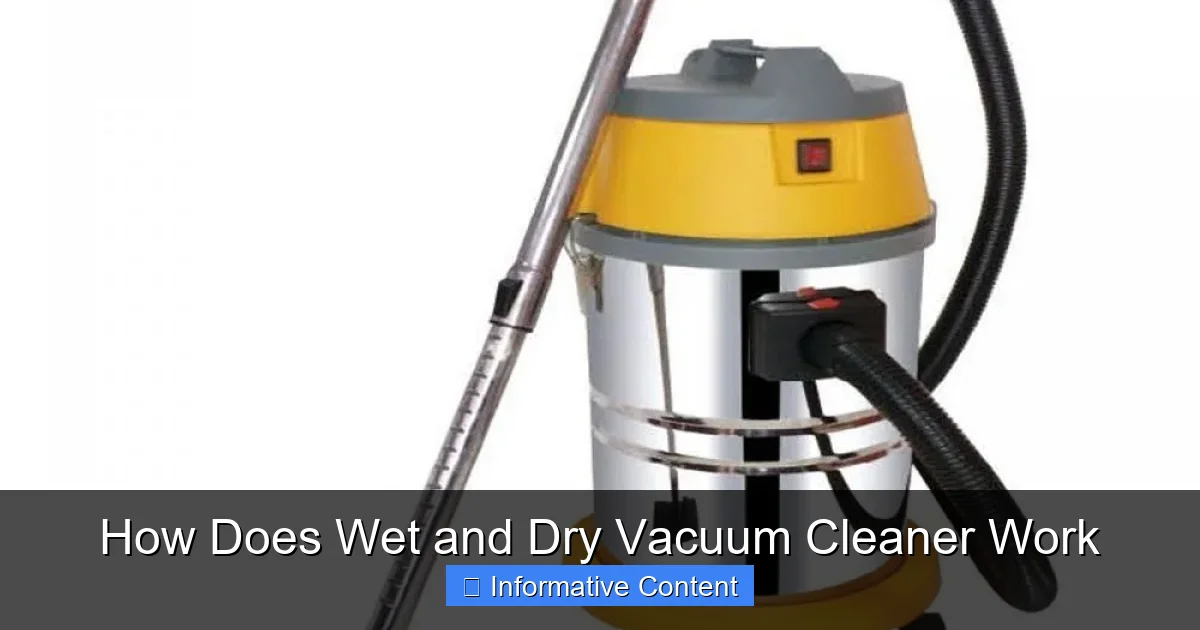
A wet and dry vacuum cleaner is an incredibly versatile cleaning machine, designed to tackle both solid debris and liquid spills with ease. It operates by generating powerful suction through a motor and fan, but uniquely features a specialized filtration system and a float mechanism that allows it to safely collect water and other liquids without damaging the motor. This dual capability makes it an indispensable tool for garages, workshops, and household emergencies.
How Does Wet and Dry Vacuum Cleaner Work
Are you tired of juggling multiple cleaning tools for different types of messes? From sawdust in the garage to a spilled drink on the kitchen floor, life throws a lot of varied challenges our way. That’s where the mighty wet and dry vacuum cleaner steps in, a true workhorse designed to handle virtually anything you can throw at it – or rather, suck up with it!
Often seen in workshops, garages, and on construction sites, these powerful machines are far more versatile than their everyday household counterparts. They don’t just pick up dry dirt and debris; they can also effortlessly suck up liquids, making them indispensable for tackling anything from a flooded basement to a muddy boot print. But how exactly do these seemingly magical machines manage to switch gears so seamlessly between solid and liquid messes without skipping a beat or, more importantly, getting damaged? Let’s peel back the layers and explore the clever engineering that makes a wet and dry vacuum cleaner an essential tool for any serious cleaner or DIY enthusiast.
Key Takeaways
- Dual Functionality: Wet and dry vacuum cleaners are engineered to effectively pick up both solid dry debris (like dust, dirt, and sawdust) and liquid spills (like water, mud, or even thick paint), offering superior versatility compared to standard vacuums.
- Powerful Suction: The core of its operation is a robust motor that spins an impeller fan, creating a powerful vacuum effect measured by CFM (airflow) and water lift (suction power), drawing in messes.
- Specialized Filtration: For dry use, they employ multi-stage filtration, including filter bags, cartridge filters, and sometimes HEPA filters, to capture dust and prevent it from re-entering the air.
- Liquid Management System: When collecting liquids, a unique float mechanism prevents the collection tank from overfilling and protects the motor from water ingress by blocking the air intake when full.
- Crucial Filter Switching: It is essential to switch or remove certain filters (e.g., paper cartridge filters) when transitioning from dry to wet vacuuming to prevent damage to the filter and maintain proper suction.
- Safety First: Unlike regular household vacuums, wet and dry vacuums are specifically designed with waterproof components and a ground-fault circuit interrupter (GFCI) in many models to safely handle liquids, preventing electrical hazards.
- Versatile Applications: Their robust design and ability to handle diverse messes make them ideal for workshops, garages, construction sites, vehicle cleaning, and even large household spills, often including a blower function for added utility.
Quick Answers to Common Questions
What is the main difference between a wet and dry vacuum and a regular vacuum?
The main difference is their ability to handle liquids. A wet and dry vacuum is specifically designed with features like a float mechanism and waterproof components to safely collect water and other fluids, which would severely damage a regular dry-only vacuum.
Can I use a wet and dry vacuum cleaner without a filter?
You should never use a wet and dry vacuum cleaner without a filter, especially for dry vacuuming, as fine dust will enter and damage the motor. For wet vacuuming, a foam filter is typically used, protecting the motor from larger debris and splashes.
How do I know when to switch filters for wet or dry use?
Always consult your wet and dry vacuum cleaner’s manual, but generally, a pleated cartridge filter is for dry use, and a foam sleeve filter (with the cartridge removed) is for wet use. Forgetting to switch can damage the dry filter or impair wet suction.
What is the float mechanism in a wet and dry vacuum cleaner?
The float mechanism is a safety device, often a ball, inside the collection tank. As the tank fills with liquid, the float rises and blocks the motor’s air intake, signaling that the tank is full and preventing water from reaching the motor.
Is it safe to vacuum up all types of liquids with a wet and dry vacuum cleaner?
While safe for most common household and workshop liquids (water, mud, spilled drinks), you should never vacuum up flammable liquids (like gasoline) or corrosive chemicals. Always refer to your wet and dry vacuum cleaner’s manual for specific warnings and recommendations.
📑 Table of Contents
The Fundamental Principle: Airflow and Suction Power
At its heart, a wet and dry vacuum cleaner operates on the same basic principle as any other vacuum cleaner: creating a powerful suction to draw in debris. However, its robust design and specialized components allow it to handle tasks that would instantly destroy a regular household vacuum.
The Mighty Motor and Fan
Every vacuum cleaner relies on an electric motor to power its suction. In a wet and dry vacuum, this motor is typically more powerful and durable, designed to withstand the rigors of heavy-duty cleaning. Attached to the motor is an impeller, which is essentially a fan with specially shaped blades. When the motor spins the impeller at high speed, it creates a powerful airflow.
Think of it like this: the spinning impeller acts like a mini tornado inside the vacuum’s head. It rapidly pulls air from the intake port (where you connect the hose) and expels it out through an exhaust port. This continuous movement of air is what generates the force needed to pick up everything from fine dust to heavy screws and, of course, liquids. The more powerful the motor and the more efficiently the impeller is designed, the stronger the suction power you’ll experience.
Creating the Vacuum Effect
As the air is rapidly expelled by the impeller, it creates a lower pressure zone inside the vacuum’s collection tank. Nature hates a vacuum, so air from the outside, which is at a higher atmospheric pressure, rushes in through the hose and nozzle to equalize this pressure difference. This rushing air is what carries the dirt, debris, or liquid from the floor, through the hose, and into the collection tank.
This continuous cycle of pulling in air, trapping debris, and expelling filtered air is the core mechanism. For a wet and dry vacuum cleaner, this process is meticulously engineered to ensure no liquid reaches the sensitive motor, which would cause an electrical short circuit and severe damage.
CFM vs. Water Lift: Understanding Suction Metrics
When you’re shopping for a wet and dry vacuum cleaner, you might encounter terms like “CFM” and “water lift.” These aren’t just technical jargon; they tell you a lot about the machine’s performance.
* CFM (Cubic Feet per Minute): This measures the volume of air the vacuum moves per minute. A higher CFM means the vacuum can move more air, which is excellent for picking up large volumes of light debris like sawdust or leaves. It indicates the “flow” capacity.
* Water Lift (or Sealed Suction): Measured in inches, this indicates how high the vacuum can lift a column of water in a sealed tube. A higher water lift signifies more intense suction pressure. This is crucial for picking up heavy items, dense dirt, or larger volumes of liquid. It’s the “pulling power.”
For general cleaning, a good balance of both CFM and water lift is desirable. For heavy-duty liquid extraction or very dense debris, a higher water lift becomes more important. Understanding these metrics helps you choose the right wet and dry vacuum cleaner for your specific needs.
How They Handle Dry Debris: The Filtration System

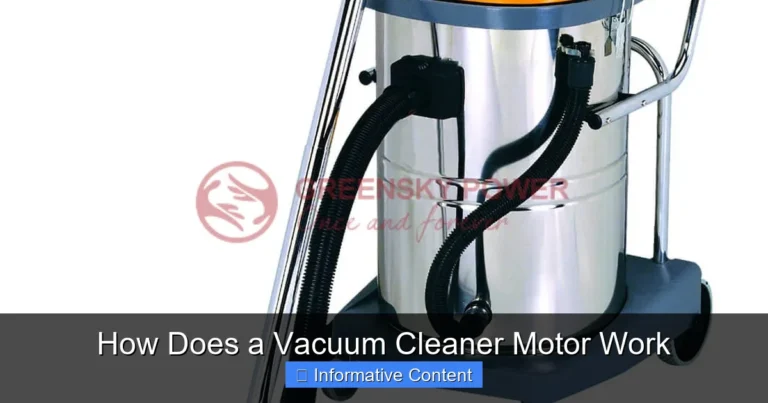
Visual guide about How Does Wet and Dry Vacuum Cleaner Work
Image source: admin.yesclean.ae
When operating in dry mode, a wet and dry vacuum cleaner needs to contain the dust and dirt it collects. This is where its sophisticated filtration system comes into play, ensuring that fine particles don’t just get blown back into the air you breathe.
Multi-Stage Filtration for Dust and Dirt
Most wet and dry vacuums use a multi-stage filtration process to ensure thorough cleaning and protect the motor.
1. Collection Tank/Bag: The first line of defense is often a large collection tank where the bulk of the debris lands. For dry use, many models allow you to insert a disposable filter bag. This bag collects the fine dust and dirt, preventing the main filter from clogging too quickly and making disposal much cleaner and easier.
2. Cartridge Filter: This is a key component. Typically cylindrical and pleated, the cartridge filter is usually positioned over the motor intake. It captures fine dust particles that escape the collection bag (if used) or are too small to settle in the tank. These filters are often made from paper or synthetic materials and are crucial for protecting the motor from fine dust.
3. Pre-Filter/Foam Filter (for wet use, but often present): While primarily for wet use, some models might have a foam sleeve that goes over the cartridge filter. When used for dry tasks, it can act as an additional layer of filtration, trapping larger particles and protecting the main cartridge filter.
It’s vital to ensure the correct filter is in place for dry vacuuming. Using a wet-specific foam filter for very fine dry dust won’t be as effective and could allow particles to reach the motor.
Bagged vs. Bagless Designs
Just like regular vacuums, wet and dry models come in bagged or bagless varieties for dry collection.
* Bagged: These vacuums use disposable filter bags inside the collection tank. When the bag is full, you simply remove and discard it, minimizing contact with dust. This is especially good for fine particles like drywall dust or sawdust, which can be very messy to empty from a bagless tank.
* Bagless: These rely solely on the main cartridge filter and the collection tank. While more economical (no ongoing bag cost), emptying the tank can be a dusty process, and the cartridge filter will need more frequent cleaning or replacement.
The choice often comes down to personal preference, budget, and the type of dry debris you typically clean. For very fine dust, bags are often preferred.
The Importance of HEPA Filters (and when you need them)
For those concerned about air quality, especially in environments with allergens, pet dander, or construction dust, a HEPA (High-Efficiency Particulate Air) filter is a game-changer. A true HEPA filter can capture 99.97% of airborne particles 0.3 microns in size, which includes pollen, mold spores, dust mites, and pet dander.
Not all wet and dry vacuums come with HEPA filtration as standard, but many offer it as an upgrade or are compatible with HEPA-rated cartridge filters. If you’re working in environments where air purity is a concern (e.g., sanding drywall, dealing with mold, or for allergy sufferers), investing in a wet and dry vacuum cleaner with HEPA filtration is a wise decision. Always check the filter’s rating to ensure it meets true HEPA standards.
The Magic of Wet Cleaning: Containing Liquids
Here’s where the wet and dry vacuum truly differentiates itself. Safely collecting liquids requires a clever design that separates the fluid from the airflow and, crucially, prevents it from reaching the electrical components.
The Float Mechanism: Preventing Overfilling
The most ingenious feature for wet operation is the float mechanism. This simple yet critical component is usually a ball or cage that sits in a small chamber or directly over the motor’s air intake inside the collection tank.
When you’re vacuuming liquids, the water collects in the tank. As the tank fills up, the water level rises. Once the water reaches a certain height, the float ball rises with it. When the float reaches the top, it plugs the air intake port leading to the motor. This immediately cuts off suction, and you’ll hear the motor’s pitch change or the suction simply stop. This is a clear signal that the tank is full and needs to be emptied. It’s a vital safety feature that prevents water from reaching the motor and causing damage or an electrical hazard.
Separation of Liquids and Air
When liquid enters the hose, it’s carried along with the powerful airflow. Once it reaches the larger collection tank, the speed of the air drastically slows down. Due to gravity, the heavier liquid droplets fall out of the airflow and settle at the bottom of the tank. The air, now mostly free of liquid, continues towards the motor, passing through any wet-specific filters (like a foam sleeve) before being expelled.
The design of the tank itself often aids this separation, sometimes featuring baffles or an offset inlet that encourages the liquid to drop out of the air stream quickly.
Dealing with Different Types of Liquids
A wet and dry vacuum cleaner can handle a surprising variety of liquids. From plain water (think burst pipes, rain leakage) to muddy messes, spilled drinks, and even sludgy materials like wet sawdust or paint, these machines are up to the task.
* Water and mud: Easy. The primary use.
* Spilled beverages: No problem. Just ensure you clean the tank thoroughly afterward to prevent odors or stickiness.
* Thicker liquids (e.g., paint, slurry): These can be collected, but it’s crucial to clean the hose, attachments, and tank immediately and thoroughly. Dried paint or sludge can be incredibly difficult to remove and can clog the system. Some manufacturers even offer specific “slurry” attachments for very thick liquids.
Always check the manufacturer’s guidelines for specific liquids, as some corrosive chemicals or flammable liquids should never be vacuumed. Safety first!
The Dual-Purpose Design: Switching Between Wet and Dry
The ability to switch modes is what makes a wet and dry vacuum cleaner so incredibly useful. However, this transition isn’t always as simple as flipping a switch; it often involves a quick filter change to optimize performance and protect the machine.
Filter Changes: A Crucial Step
This is perhaps the most important difference in operation between wet and dry modes.
* For Dry Vacuuming: You will typically use a pleated cartridge filter (often made of paper or fine synthetic material) and potentially a disposable filter bag inside the tank. These filters are designed to capture fine dust particles.
* For Wet Vacuuming: Most importantly, you *must* remove the paper cartridge filter. If a paper filter gets wet, it will become saturated, immediately lose its filtration capabilities, potentially tear, and severely restrict airflow, damaging the motor. Instead, a foam sleeve or a specialized wet filter (which allows air but not liquid to pass through) is usually used over the float mechanism or motor intake. This foam filter traps larger debris but allows water vapor to pass through, keeping the motor protected from direct liquid splashes.
Forgetting to switch filters is a common mistake that can lead to a damaged filter and poor performance. Always consult your specific wet and dry vacuum cleaner’s manual for precise instructions on filter configuration for each mode.
The Role of Accessories: Tools for Every Mess
A wet and dry vacuum cleaner is only as good as its attachments. These accessories enhance its versatility and allow it to tackle specific cleaning challenges with precision.
* Wide Floor Nozzles: Ideal for large-area dry debris or quickly sucking up wide spills on hard floors.
* Crevice Tools: Perfect for reaching into tight spaces, corners, and car interiors, whether wet or dry.
* Brush Attachments: Great for agitating dry dirt from carpets or upholstery before vacuuming, or for scrubbing stubborn wet messes.
* Squeegee Nozzles: Specifically designed for wet pick-up on hard surfaces, leaving them almost dry.
* Hoses of varying lengths and diameters: Longer hoses increase reach, while wider diameters are better for large debris or liquids to prevent clogging.
Having the right attachment can make a significant difference in the efficiency and effectiveness of your cleaning tasks, transforming your wet and dry vacuum cleaner into a truly multi-functional powerhouse.
Why Not Use a Regular Vacuum for Liquids? (Safety First!)
It might be tempting to use a regular household vacuum cleaner for a small spill, but please, resist the urge! This is an extremely dangerous practice and can lead to severe consequences.
* Electrical Hazard: Regular vacuums are not designed to handle liquids. Their motors, electrical components, and internal wiring are exposed to the airflow. If water gets into these components, it can cause an immediate electrical short circuit, leading to electric shock, fire, or permanent damage to the vacuum.
* Filter Damage: The filters in a dry-only vacuum are typically paper-based and will disintegrate or clog immediately upon contact with water, rendering the vacuum useless and potentially allowing debris to reach the motor.
* Lack of Safety Features: Regular vacuums lack the float mechanism and waterproof sealing that wet and dry vacuums possess, which are essential for safe liquid collection.
Always use a purpose-built wet and dry vacuum cleaner for any liquid spills. It’s not just about protecting your appliance; it’s about protecting yourself and your home from electrical hazards.
Beyond the Basics: Advanced Features and Maintenance
Modern wet and dry vacuum cleaners offer more than just basic suction. Many come with additional features that enhance their utility and make maintenance easier.
Blower Functionality: More Than Just a Vacuum
Many wet and dry vacuums come with a handy blower function. This means the exhaust port can be used to blow air out with considerable force. This feature is incredibly useful for:
* Clearing Debris: Blowing sawdust off a workbench, leaves from a driveway, or dirt out of tricky crevices.
* Drying Surfaces: Speeding up the drying process for wet areas after cleaning, or drying car engines after washing.
* Inflating: Some models come with adapters to inflate air mattresses or inflatable pools.
To activate the blower function, you typically disconnect the hose from the intake port and attach it to the exhaust port. This dual functionality further increases the value and versatility of a wet and dry vacuum cleaner.
Self-Cleaning Filters and Other Innovations
Manufacturers are constantly innovating to make wet and dry vacuums more efficient and user-friendly.
* Self-Cleaning Filters: Some advanced models feature a “push-button” or “shaker” filter cleaning system. When activated, a mechanism vibrates or reverses airflow through the filter, dislodging accumulated dust and significantly extending the filter’s life and maintaining suction power.
* Drain Ports: Large wet/dry vacs often have a convenient drain port at the bottom of the tank. This makes emptying collected liquids much easier, especially heavy volumes, without having to lift and tip the entire tank.
* Power Tool Activation: Certain models can be plugged into power tools (like sanders or saws). When the power tool is switched on, the vacuum automatically starts, collecting dust and debris as it’s generated, providing a cleaner working environment.
* Built-in Pump: Some specialized wet vacuums include an integrated pump that can continuously pump out collected water through a separate discharge hose, ideal for continuously draining flooded areas without needing to empty the tank repeatedly.
These features make the wet and dry vacuum cleaner even more powerful and convenient for specific tasks.
Essential Maintenance Tips for Longevity
To ensure your wet and dry vacuum cleaner performs optimally and lasts for years, regular maintenance is key.
* Empty After Each Use: Especially after wet use, empty and rinse the collection tank thoroughly to prevent mold, mildew, and odors. For dry use, empty the bag or tank to maintain suction.
* Clean Filters Regularly:
* Cartridge Filters: For dry use, tap them gently to dislodge dust or use compressed air (from the inside out) to clean them. Replace them when they become excessively clogged or damaged.
* Foam Filters: Rinse these thoroughly with water and allow them to air dry completely before storage or reuse.
* Check Hoses and Attachments: Ensure they are free from clogs or damage. A blocked hose severely reduces suction.
* Inspect the Float Mechanism: Make sure the float ball moves freely and isn’t obstructed by debris.
* Clean the Exterior: Wipe down the outside of the vacuum, including wheels and handles, to keep it clean and prevent dirt buildup.
* Store Properly: Store the vacuum in a clean, dry place, ideally with the filters clean and dry to prevent mold or musty smells.
By following these simple maintenance steps, your wet and dry vacuum cleaner will remain a reliable companion for all your toughest cleaning jobs.
A wet and dry vacuum cleaner is so much more than just a vacuum. It’s a testament to clever engineering, designed to offer unparalleled versatility and power for both everyday messes and unexpected disasters. From its robust motor and specialized filtration for dry debris to its ingenious float mechanism for safely handling liquids, every component works in harmony to deliver a powerful and safe cleaning experience. Understanding how these machines work empowers you to choose the right model, use it effectively, and maintain it properly, ensuring it remains an indispensable tool in your cleaning arsenal for years to come. So, the next time you face a formidable mess, rest assured, your wet and dry vacuum cleaner is ready for action!
Frequently Asked Questions
How do wet and dry vacuum cleaners prevent water from damaging the motor?
Wet and dry vacuum cleaners prevent water damage to the motor primarily through a float mechanism. This mechanism consists of a ball or cage that rises with the water level in the collection tank, eventually blocking the air intake to the motor when the tank is full, thus cutting off suction and preventing water from reaching the electrical components.
Can a wet and dry vacuum cleaner also be used as a blower?
Yes, many wet and dry vacuum cleaner models come with a convenient blower function. This allows you to detach the hose from the intake and attach it to the exhaust port, turning the vacuum into a powerful blower for clearing leaves, sawdust, or drying wet surfaces.
What types of messes are best suited for a wet and dry vacuum cleaner?
A wet and dry vacuum cleaner excels at handling a wide variety of tough messes. This includes large volumes of dry debris like sawdust, wood chips, and gravel, as well as liquid spills such as flooded basements, spilled paint, pet accidents, and muddy footprints.
How often should I clean or replace the filters in my wet and dry vacuum cleaner?
The frequency of filter cleaning or replacement depends on usage and the type of debris collected. Generally, dry filters should be cleaned after every heavy use and replaced when visibly worn or when suction power diminishes. Foam filters used for wet pick-up should be rinsed and dried after each use.
Are all wet and dry vacuum cleaners suitable for fine dust like drywall dust?
While many can collect fine dust, not all wet and dry vacuum cleaners are equally effective or designed for extremely fine particles like drywall dust. For such tasks, it’s highly recommended to use a high-efficiency (HEPA-rated) cartridge filter and a filter bag to protect the motor and improve air quality.
What safety precautions should I take when using a wet and dry vacuum cleaner?
Always ensure the correct filter is installed for wet or dry operation, never vacuum flammable or corrosive liquids, and use appropriate eye and respiratory protection when dealing with dusty environments. Also, check the power cord for damage and ensure it’s plugged into a properly grounded outlet, especially when working with liquids.