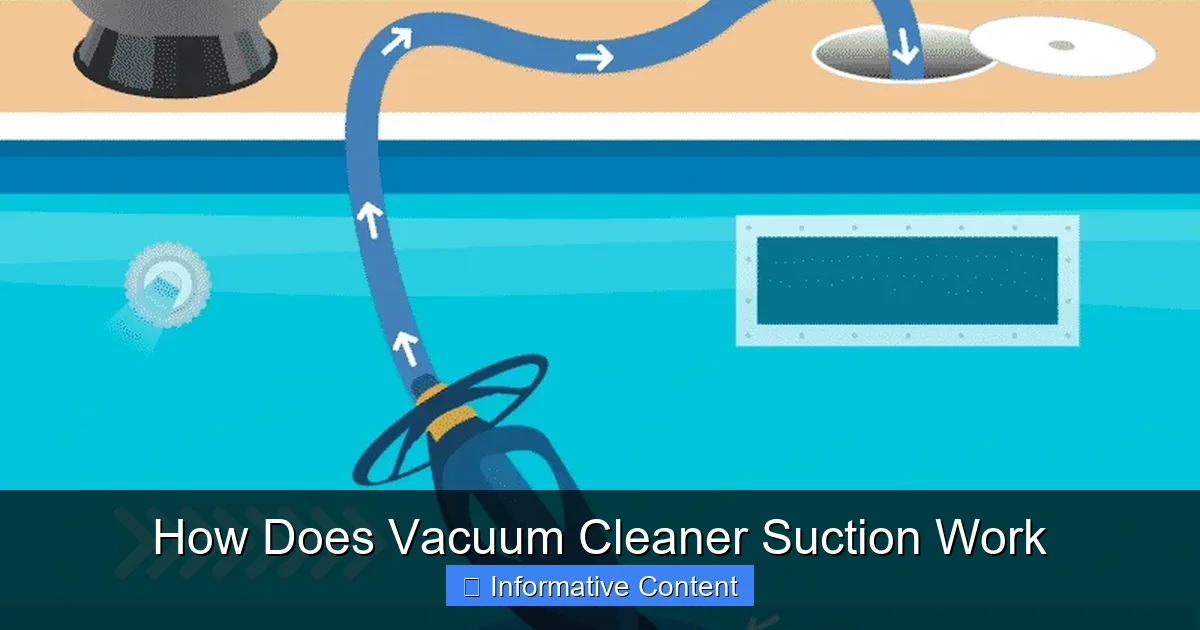
How Does Vacuum Cleaner Suction Work
Ever wonder how that everyday appliance magically cleans your floors? Vacuum cleaner suction works by creating a pressure difference: a powerful motor spins a fan, pushing air out and thus lowering the internal pressure inside the vacuum. This lower pressure creates a ‘vacuum’ effect, causing higher external atmospheric pressure to force air and dirt into the nozzle, through the system, and into a collection bin, leaving your surfaces spotless.
There’s something truly satisfying about seeing dust, crumbs, and pet hair disappear into the maw of your vacuum cleaner. It’s a daily ritual for many, an essential tool in the fight against household grime. But have you ever stopped to wonder about the silent, invisible force making it all happen? How does vacuum cleaner suction work, really?
It seems like magic, doesn’t it? One moment, your carpet is covered in debris, the next, it’s pristine. This everyday marvel relies on some fundamental principles of physics, cleverly engineered into a device that’s become indispensable in our homes. Far from being a complex mystery, understanding how vacuum cleaner suction works is surprisingly straightforward once you grasp the basics of air pressure.
In this article, we’re going to pull back the curtain on this domestic powerhouse. We’ll explore the ingenious design that transforms simple air into a powerful cleaning force. From the humming motor to the final filter, you’ll discover exactly how your vacuum creates that mighty suck, making your home cleaner, one particle at a time.
Key Takeaways
- Pressure Difference is Key: Vacuum cleaner suction fundamentally operates by creating a low-pressure zone inside the machine compared to the higher atmospheric pressure outside.
- Motor and Fan are the Core: An electric motor spins a fan (impeller or turbine) at high speeds, which expels air from the vacuum’s internal chamber, thereby reducing the air pressure within.
- Atmospheric Pressure Does the Work: The higher external atmospheric pressure then pushes air, along with dirt and debris, into the vacuum’s nozzle and through the system towards the collection bin.
- Filtration is Essential: Filters, ranging from basic to advanced HEPA or cyclonic systems, are crucial for separating dust and allergens from the expelled air, ensuring clean air is returned to your home.
- Beyond Suction: Features like brush rolls, specialized attachments, and proper seals enhance the vacuum’s ability to agitate dirt and maintain powerful airflow, complementing the core suction mechanism.
- Maintenance is Crucial: Regular maintenance, including emptying dust bins, cleaning/replacing filters, and clearing blockages, is vital for maintaining optimal vacuum cleaner suction and efficiency.
Quick Answers to Common Questions
How does a vacuum cleaner create suction?
A vacuum cleaner creates suction by using a motor to spin a fan (impeller) at high speeds, which expels air from the vacuum’s internal chamber. This process lowers the air pressure inside the vacuum relative to the outside atmospheric pressure.
What pushes the dirt into the vacuum cleaner?
It’s the higher external atmospheric pressure that pushes dirt and air into the vacuum cleaner. Since the vacuum creates a low-pressure area inside, the surrounding higher pressure air rushes in to equalize, carrying the dirt with it into the nozzle.
Why is a good seal important for vacuum suction?
A good seal between the vacuum nozzle and the cleaning surface is crucial because it ensures that all the incoming air is drawn from directly beneath the nozzle. Gaps in the seal allow air to enter from the sides, reducing the effective suction power where it’s needed most.
How do filters affect vacuum cleaner suction?
Filters are essential for trapping dust and allergens, but as they become clogged with debris, they restrict airflow through the vacuum. This restriction makes it harder for the fan to expel air, reducing the pressure difference and, consequently, weakening the vacuum cleaner suction.
Do all vacuum cleaners work on the same principle?
Yes, all vacuum cleaners, whether upright, canister, stick, or robotic, operate on the same fundamental principle of creating a pressure difference to generate suction. They all use a motor and fan to lower internal air pressure, relying on external atmospheric pressure to push air and dirt into the machine.
📑 Table of Contents
- The Core Principle: Pressure Differences
- The Heart of the Machine: Motor and Fan
- From Nozzle to Dust Bin: The Journey of Debris
- The Unsung Heroes: Filtration Systems
- Beyond Suction: Enhancing Cleaning Performance
- Keeping Suction Strong: Maintenance Tips
- Conclusion: The Simple Genius of Vacuum Suction
The Core Principle: Pressure Differences
At its heart, the magic of vacuum cleaner suction isn’t about “sucking” in the traditional sense. Instead, it’s about pushing. The real force at play is atmospheric pressure. Think about it: our planet is surrounded by a vast ocean of air, and that air has weight. This weight creates pressure all around us, constantly pushing on everything.
Atmospheric Pressure All Around Us
Imagine living at the bottom of a swimming pool. You’d feel the weight of the water above you, right? We live at the bottom of an “air pool,” and that air exerts pressure on every surface, including your floors, your furniture, and even you! This atmospheric pressure is quite significant, around 14.7 pounds per square inch at sea level. We usually don’t notice it because it’s pushing equally from all directions.
The trick to understanding how vacuum cleaner suction works is realizing that if you can create an area with less pressure, the higher pressure outside will naturally rush in to equalize it. It’s like when you drink through a straw. You’re not pulling the liquid up; you’re reducing the air pressure inside the straw, and the higher atmospheric pressure on the surface of the drink pushes the liquid up into your mouth.
How the Vacuum Creates Low Pressure
A vacuum cleaner does something very similar. Its primary job is to create a zone of significantly lower air pressure inside its system than the air pressure outside. This pressure difference is the engine behind vacuum cleaner suction. Once that lower pressure is established, the normal atmospheric pressure outside, which is always higher, will naturally try to move into the lower pressure area. And what does it carry with it? All that dirt, dust, and debris that you want gone!
The Heart of the Machine: Motor and Fan
The true workhorse responsible for initiating this crucial pressure difference is the vacuum’s motor and fan assembly. This is where the electrical energy you plug into the wall gets converted into the powerful airflow needed for effective vacuum cleaner suction.
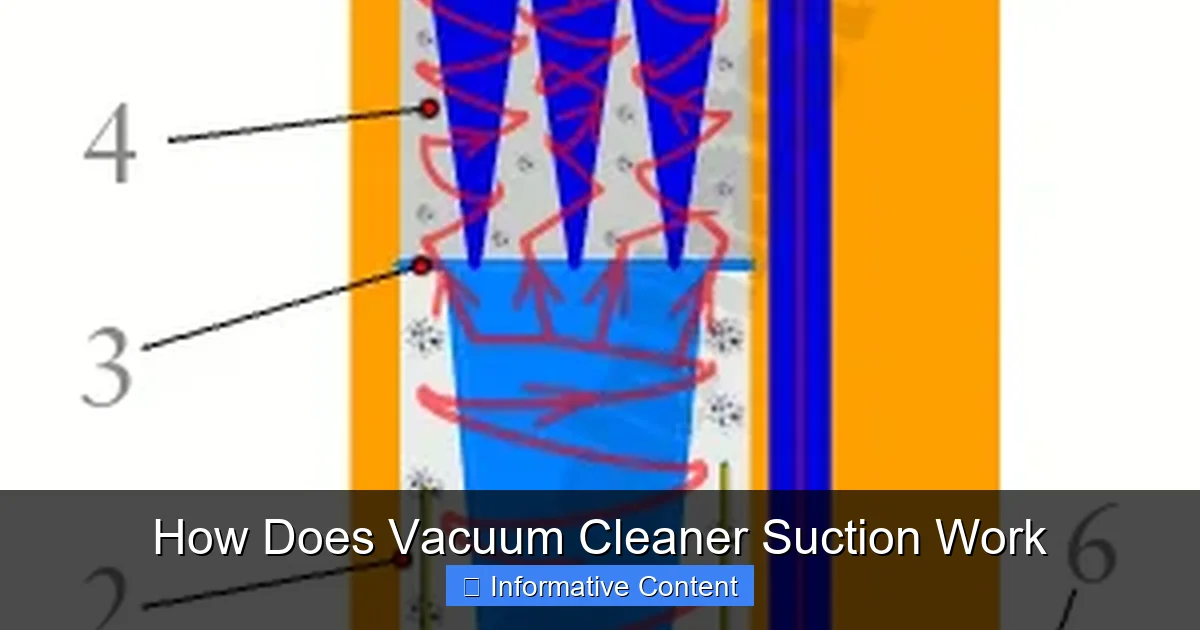
Visual guide about How Does Vacuum Cleaner Suction Work
Image source: cdn4.explainthatstuff.com
The Powerful Electric Motor
Every vacuum cleaner houses an electric motor. When you switch on your vacuum, this motor springs to life, rotating at incredibly high speeds. The speed and power of this motor directly correlate with the strength of the vacuum cleaner suction it can generate. More powerful motors generally mean more robust suction capabilities.
These motors are typically universal motors, designed to run on both AC and DC current, making them versatile for household use. They are built for high RPMs (revolutions per minute) to drive the fan effectively. The motor’s primary job is to provide the rotational force necessary to spin the fan, which is the component that actually moves the air.
The Spinning Impeller/Turbine
Attached to the motor’s shaft is a specialized fan, often called an impeller or turbine. This isn’t just any fan; it’s carefully designed with angled blades. As the motor spins this impeller at dizzying speeds, it effectively acts like an air pump.
Here’s what happens: the spinning blades rapidly push air out of an exhaust port on the vacuum cleaner. By expelling air from the sealed internal chamber of the vacuum, the volume of air inside decreases. And fewer air molecules in a given space mean lower air pressure. This is the critical step in creating the vacuum effect. The continuous expulsion of air maintains this low-pressure zone, ensuring constant vacuum cleaner suction.
The Airflow Pathway Explained
So, the motor spins the fan, the fan pushes air out, and a low-pressure area forms inside the vacuum. Now, atmospheric pressure outside the vacuum, being higher, rushes in to fill this void. This rushing air enters through the vacuum’s nozzle, the part that touches your floor or furniture. This continuous flow of air, driven by the pressure difference, is what constitutes the powerful “suction” you feel. This airflow is not just air; it’s air mixed with all the dirt, dust, and debris from your surfaces, carrying it along for the ride.
From Nozzle to Dust Bin: The Journey of Debris
Once the air and debris are drawn into the vacuum, their journey through the machine is carefully orchestrated to separate the dirt from the air and store it away. Understanding this path is key to knowing how vacuum cleaner suction effectively cleans your home.
The Crucial Role of the Nozzle and Seal
The very first point of contact for the dirt is the vacuum’s nozzle or cleaning head. For effective vacuum cleaner suction, a good seal between the nozzle and the surface being cleaned is incredibly important. If there are gaps, air will be drawn in from the sides instead of from under the nozzle, reducing the suction power directly over the dirt. This is why accessory tools, like crevice tools, are designed to create a tight seal in specific areas, maximizing the effective suction.
Consider a practical example: trying to vacuum a bare floor with an upright vacuum set to its highest carpet pile setting. The nozzle will be too high off the floor, allowing too much air to escape, and the vacuum cleaner suction will feel weak. Lowering the setting creates a better seal and significantly improves cleaning performance.
Traveling Through Hoses and Wands
Once the air and dirt enter the nozzle, they are channeled through hoses and wands. These components must be designed with smooth interior surfaces to minimize friction and turbulence, ensuring that the airflow remains strong and unobstructed. Any kinks, blockages, or leaks in these pathways can drastically reduce the effective vacuum cleaner suction. The air is literally carrying the dirt along, so a clear path is essential.
For instance, if your vacuum hose has a small hole or tear, air will be drawn in through that hole instead of the nozzle, severely impacting the suction power where you need it most. Regularly checking your hoses for damage or blockages is a simple tip to maintain strong suction.
Separation and Collection: Bags vs. Bagless
After traveling through the hose, the dirt-laden air reaches the collection system. This is where the debris is separated from the air before the air is expelled. There are two main types:
- Vacuum Bags: In bagged vacuums, the air and dirt enter a porous bag. The bag’s fabric allows air to pass through while trapping larger dirt particles inside. The bag acts as the primary filter. As the bag fills, the airflow can become restricted, which reduces vacuum cleaner suction.
- Bagless (Cyclonic) Systems: Bagless vacuums typically use cyclonic technology. As the air and dirt enter the collection bin, they are spun rapidly in a vortex. Centrifugal force pushes the heavier dirt particles to the outer walls of the bin, where they fall into the collection chamber. The cleaner air continues towards the filters. This method can maintain more consistent suction as the dirt bin fills, compared to a full vacuum bag.
Both systems effectively separate the larger debris, but the air still contains fine dust and allergens, which leads us to the next critical component.
The Unsung Heroes: Filtration Systems
Even after dirt is collected in a bag or bin, the air that has passed through the system still contains microscopic dust particles, allergens, and other pollutants. If these were simply expelled back into your room, your vacuum would just be moving dirt around. This is where the filtration system comes into play, ensuring that the air returned to your home is clean.
Trapping the Dust: Basic Filters
All vacuum cleaners have filters. These are usually made of pleated paper, foam, or cloth-like materials. Their job is to trap fine particles that escape the primary collection system (bag or cyclonic bin). These filters capture dust mites, pollen, pet dander, and other microscopic debris, preventing them from recirculating into your indoor air. Different vacuums may have pre-motor filters (to protect the motor) and post-motor filters (to clean the exhaust air).
Advanced Filtration: HEPA and Cyclonic Systems
For those with allergies or asthma, advanced filtration is a game-changer. HEPA (High-Efficiency Particulate Air) filters are the gold standard. A true HEPA filter is certified to capture at least 99.97% of airborne particles 0.3 micrometers in diameter. To give you perspective, a human hair is about 50-70 micrometers thick, so 0.3 micrometers is incredibly small. This ensures that the air exiting the vacuum is exceptionally clean, significantly reducing allergens in your home.
Cyclonic systems, as mentioned before, also contribute to filtration. By rapidly spinning the air, they effectively separate larger particles. Multi-cyclonic systems take this a step further, using several smaller cyclones to filter even finer particles before the air reaches the final filters. This approach helps maintain strong vacuum cleaner suction by preventing the main filters from clogging too quickly.
Why Clean Filters Matter
Filters are essential, but they are also often overlooked. As filters trap more and more particles, they become clogged. A clogged filter restricts the airflow, making it harder for the fan to push air out and thus reducing the pressure difference. This directly impacts vacuum cleaner suction strength. It’s like trying to breathe through a thick, dirty cloth – it’s much harder than breathing normally.
Regularly cleaning or replacing your vacuum’s filters is one of the most important maintenance tasks you can perform to ensure consistent and powerful vacuum cleaner suction. Neglecting filters not only reduces cleaning performance but can also strain the motor, potentially shortening your vacuum’s lifespan.
Beyond Suction: Enhancing Cleaning Performance
While the fundamental principle of creating a pressure difference drives how vacuum cleaner suction works, modern vacuums incorporate several other features that enhance their cleaning effectiveness, especially on different types of surfaces.
The Power of the Brush Roll (Agitator)
For carpets, pure suction alone isn’t always enough to dislodge deeply embedded dirt and pet hair. This is where the brush roll, also known as an agitator, comes in. Found predominantly in upright vacuums and some canister attachments, the brush roll is a cylindrical brush that spins rapidly. Its stiff bristles aggressively beat and sweep the carpet fibers, loosening dirt, dust, and pet hair that the vacuum cleaner suction can then easily lift away.
On bare floors, a brush roll with softer bristles or a “soft roller” design can gently pick up fine dust without scattering it. The combination of mechanical agitation and powerful vacuum cleaner suction is what makes these machines so effective on various flooring types.
Specialized Tools for Different Tasks
Vacuum cleaners come with a variety of attachments, each designed to optimize vacuum cleaner suction for specific cleaning challenges:
- Crevice Tool: A long, narrow nozzle that creates concentrated suction, perfect for reaching into tight corners, along baseboards, and between couch cushions.
- Upholstery Tool: Often wider and with a fabric strip or brush, it’s designed to gently clean furniture and curtains without damaging the fabric, while still providing strong suction.
- Dusting Brush: A circular brush with soft bristles that helps dislodge dust from delicate surfaces like blinds, lamp shades, and bookshelves, allowing the suction to whisk it away without scratching.
- Pet Hair Tool: Some vacuums offer specialized turbo brushes or power nozzles for pet hair that use a smaller, air-driven brush roll to tackle stubborn pet fur from upholstery and stairs.
Using the right tool ensures that the vacuum cleaner suction is directed precisely where it’s needed, maximizing cleaning efficiency.
Design Variations: Upright, Canister, Robot
The core principle of how vacuum cleaner suction works remains the same across different vacuum types, but their designs optimize performance for various needs:
- Upright Vacuums: Often have the motor, fan, and dirt collection in one unit, making them convenient for large carpeted areas. Their heavy-duty brush rolls are excellent for deep carpet cleaning.
- Canister Vacuums: Separate the motor/collection unit from the cleaning head, offering greater maneuverability and versatility with a range of attachments. Their strong vacuum cleaner suction is great for bare floors, upholstery, and hard-to-reach spots.
- Stick Vacuums (Cordless): Lightweight and highly maneuverable, ideal for quick clean-ups. While often less powerful than full-sized models, their convenience is unmatched. Advances in battery and motor technology are constantly improving their suction power.
- Robotic Vacuums: Autonomous cleaners designed for daily maintenance. They typically have smaller motors and less powerful vacuum cleaner suction, but their consistent, programmed cleaning can keep homes tidy. They often rely more on brush agitation to sweep debris into their suction path.
Each design cleverly utilizes the principles of pressure difference to deliver effective cleaning, tailored to specific environments and user preferences.
Keeping Suction Strong: Maintenance Tips
Even the best vacuum cleaner will lose its edge if not properly maintained. Regular care is vital for preserving powerful vacuum cleaner suction and extending the life of your appliance. Here are some practical tips:
Regular Bin Emptying or Bag Replacement
This is perhaps the most fundamental tip. A full dust bag or collection bin significantly restricts airflow, directly reducing vacuum cleaner suction.
For bagged vacuums, replace the bag when it’s about two-thirds full, or sooner if you notice a drop in suction. Don’t wait until it’s overflowing.
For bagless vacuums, empty the dirt cup after every use, or when the “max fill” line is reached. This prevents dirt from building up and hindering the cyclonic action that separates particles.
Cleaning and Replacing Filters
As discussed, clogged filters are a major enemy of strong vacuum cleaner suction. Most modern vacuums have washable filters (foam or some pleated types) or replaceable cartridge filters.
Check your owner’s manual for specific instructions on how often to clean or replace filters. Washable filters should be thoroughly dried before being put back into the vacuum. Non-washable filters often need to be replaced every 3-6 months, depending on usage.
Practical Tip: Keep a spare set of filters on hand. That way, when one needs washing, you can immediately swap it out and continue cleaning without waiting for it to dry.
Checking for and Clearing Blockages
Hoses, wands, and nozzles can become blocked by larger debris like socks, toys, or clumps of pet hair. A blockage will severely restrict airflow and kill your vacuum cleaner suction.
If you notice a sudden drop in suction, turn off and unplug your vacuum. Carefully check the nozzle, brush roll area, hose, and any access ports for obstructions. A broom handle or a long, flexible tool can help dislodge stubborn blockages. Always ensure the vacuum is unplugged before attempting to clear any blockages for safety.
Maintaining Seals and Connections
Any cracks, tears, or loose connections in the vacuum’s system can allow air to escape or enter where it shouldn’t, reducing the effective vacuum cleaner suction at the nozzle. Periodically inspect hoses for tears, check that all attachments fit snugly, and ensure the dust bin or bag compartment seals properly. Even a small leak can compromise performance.
By following these simple maintenance steps, you can ensure your vacuum cleaner continues to deliver powerful suction, keeping your home consistently clean and fresh.
Conclusion: The Simple Genius of Vacuum Suction
So, the next time you hear the familiar hum of your vacuum cleaner, you’ll know it’s not just “sucking” up dirt. You’ll understand the clever physics at play: a motor-driven fan creating a low-pressure zone, allowing the higher atmospheric pressure of the room to push air, dust, and debris into the machine. This fundamental pressure difference is the secret behind how vacuum cleaner suction works, transforming a simple principle into powerful cleaning action.
From the precise engineering of the impeller blades to the intricate weave of a HEPA filter, every component plays a vital role in this elegant system. It’s a testament to human ingenuity, taking a basic scientific concept and applying it to solve an everyday problem with remarkable efficiency. And remember, a well-maintained vacuum is a happy vacuum – and one that will continue to deliver strong, consistent suction for years to come.
Armed with this knowledge, you can appreciate the science behind your spotless floors and even troubleshoot minor issues to keep your trusty cleaning companion working at its peak. The seemingly magical act of vacuuming is, in fact, a brilliant display of physics in action, making your home a cleaner, healthier place to live.
Frequently Asked Questions
What is the most common reason for a vacuum cleaner losing suction?
The most common reason for a vacuum cleaner losing suction is a blockage in the hose, nozzle, or filters. When airflow is restricted at any point, the vacuum cannot effectively create or maintain the necessary pressure difference for strong suction.
Does emptying the dust bin regularly improve suction?
Yes, absolutely! Regularly emptying the dust bin or replacing the vacuum bag is critical for maintaining strong suction. A full bin or bag restricts airflow, making it harder for the vacuum to generate the low-pressure zone needed for effective cleaning.
What is a HEPA filter and why is it important for suction?
A HEPA filter (High-Efficiency Particulate Air) is a specialized filter designed to capture at least 99.97% of airborne particles 0.3 micrometers in size. While it cleans the air, a clogged HEPA filter can significantly reduce suction, so regular cleaning or replacement is vital to maintain both air quality and cleaning power.
Can a cracked hose affect my vacuum’s suction power?
Yes, a cracked or damaged hose can severely impact your vacuum’s suction power. Any leaks in the hose allow air to enter the system prematurely, preventing the full suction force from reaching the cleaning head and reducing the overall effectiveness of the vacuum.
How does a brush roll help with suction, especially on carpets?
While the brush roll doesn’t directly create suction, it significantly aids in the cleaning process, especially on carpets. Its spinning bristles agitate carpet fibers, loosening embedded dirt, pet hair, and debris, making it much easier for the vacuum cleaner suction to lift and remove them.
Is there such a thing as “too much” vacuum suction?
While powerful suction is generally desired, “too much” can sometimes be problematic. For example, on very delicate rugs or light fabrics, excessive suction might pull and damage the material. Some vacuums offer adjustable suction settings to cater to different surfaces and prevent such issues.