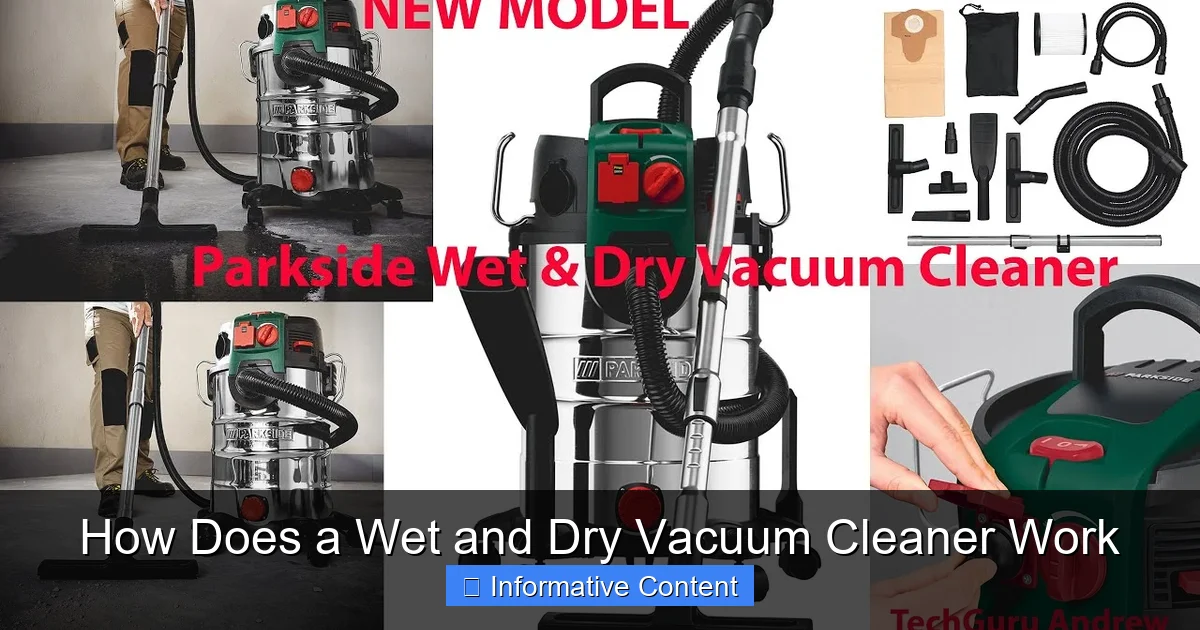
How Does a Wet and Dry Vacuum Cleaner Work
A wet and dry vacuum cleaner is a remarkably versatile cleaning tool designed to handle both liquid spills and dry messes using a single powerful motor. It cleverly separates solids from liquids, often employing different filtration systems and collection tanks depending on the task. Understanding how a wet and dry vacuum cleaner works reveals its efficiency in diverse cleaning scenarios, from workshop dust to flooded basements.
Imagine a cleaning tool so versatile it can suck up sawdust from your workshop floor one minute and then flawlessly clean up a spilled gallon of water the next. Sounds like something out of a science fiction movie, right? Well, this incredible piece of engineering is very real and probably sitting in many garages or utility closets around the world. We’re talking about the trusty wet and dry vacuum cleaner, a true workhorse in the world of cleaning.
If you’ve ever wondered how these remarkable machines manage to handle such vastly different types of messes without skipping a beat, you’re in the right place. Unlike your average household vacuum, which can be fatally damaged by even a small amount of liquid, a wet and dry vacuum cleaner is specifically designed for both tasks. It’s built tougher, smarter, and with a unique understanding of how to separate and contain liquids and solids safely and effectively. Let’s peel back the layers and discover the ingenious design behind how a wet and dry vacuum cleaner works.
Key Takeaways
- Dual Functionality: A wet and dry vacuum cleaner is uniquely designed to tackle both dry debris (dust, dirt, sawdust) and liquid spills (water, mud, oil) with a single appliance, making it highly versatile.
- Powerful Suction: At its core, a strong motor drives an impeller to create a powerful vacuum, pulling in air, debris, and liquids through the hose and nozzle.
- Clever Separation: These machines use different mechanisms to manage wet and dry messes. Dry operation typically involves filters and a dust bag, while wet operation bypasses these delicate filters, directing liquids into a collection tank.
- Dedicated Collection: Wet and dry vacuums feature a large, durable collection tank that can hold significant volumes of both solid debris and liquids, often allowing for easy disposal.
- Essential Filtration: While filters are crucial for dry vacuuming to protect the motor and capture fine particles, they are removed or bypassed for wet tasks to prevent damage and maintain suction.
- Safety Mechanisms: Many models include a float ball mechanism that automatically shuts off suction when the liquid collection tank is full, preventing overfilling and protecting the motor from water ingress.
- Versatile Applications: From garage and workshop cleanups to car detailing, DIY projects, and even minor flood recovery, the wet and dry vacuum cleaner offers robust cleaning capabilities beyond what standard household vacuums can handle.
Quick Answers to Common Questions
Can a regular vacuum cleaner pick up water?
No, a regular vacuum cleaner is not designed to pick up water and doing so can cause severe damage to its motor and pose an electrical shock hazard.
Do I need to change filters for wet vs. dry use?
Yes, typically you need to use different filters or remove the dry filter when switching between wet and dry vacuuming to protect the motor and maintain suction.
What is the float ball mechanism for?
The float ball mechanism is a safety feature that automatically shuts off suction when the liquid collection tank is full, preventing water from reaching and damaging the motor.
Can a wet and dry vacuum cleaner be used as a blower?
Many wet and dry vacuum cleaners include a blower function, allowing you to attach the hose to the exhaust port to blow away debris.
Is a wet and dry vacuum cleaner good for pet hair?
Yes, its powerful suction is very effective for picking up pet hair, especially when paired with appropriate brush attachments for dry use.
📑 Table of Contents
- Beyond the Ordinary: What is a Wet and Dry Vacuum Cleaner?
- The Heart of the Machine: How It Generates Suction
- The Clever Divide: Handling Wet vs. Dry Debris
- Safety First: Automatic Shut-off and Overfill Protection
- Putting It to Work: Practical Uses and Essential Accessories
- Keeping It Running: Maintenance Tips for Longevity
Beyond the Ordinary: What is a Wet and Dry Vacuum Cleaner?
Before we dive into the nitty-gritty mechanics, let’s establish what sets a wet and dry vacuum cleaner apart. Simply put, it’s a multi-purpose vacuum designed to pick up both solid debris and liquids. Think of it as the ultimate utility player in your cleaning arsenal. Traditional household vacuums, like uprights or canisters, are built for dry dust and dirt. Their motors and filters are not designed to encounter moisture, which can lead to electrical hazards, motor damage, and mold growth.
A wet and dry vacuum cleaner, often called a “shop vac” or “all-purpose vacuum,” overcomes these limitations. It features a robust design with a powerful motor, a durable collection tank, and a clever system for managing what it sucks up. This allows it to tackle jobs that would quickly ruin a standard vacuum, from cleaning up a muddy entryway to clearing a blocked sink or even picking up broken glass shards without clogging. Understanding how a wet and dry vacuum cleaner works is key to appreciating its sheer power and adaptability.
Designed for Diverse Messes
The core principle behind a wet and dry vacuum cleaner’s versatility lies in its ability to adapt its internal operation based on the type of mess it’s tackling. It doesn’t use the same exact process for wet and dry all the time; rather, it has features that make it suitable for both. This adaptability is what makes it an indispensable tool for garages, workshops, construction sites, and even homes dealing with demanding cleaning tasks.
The Heart of the Machine: How It Generates Suction
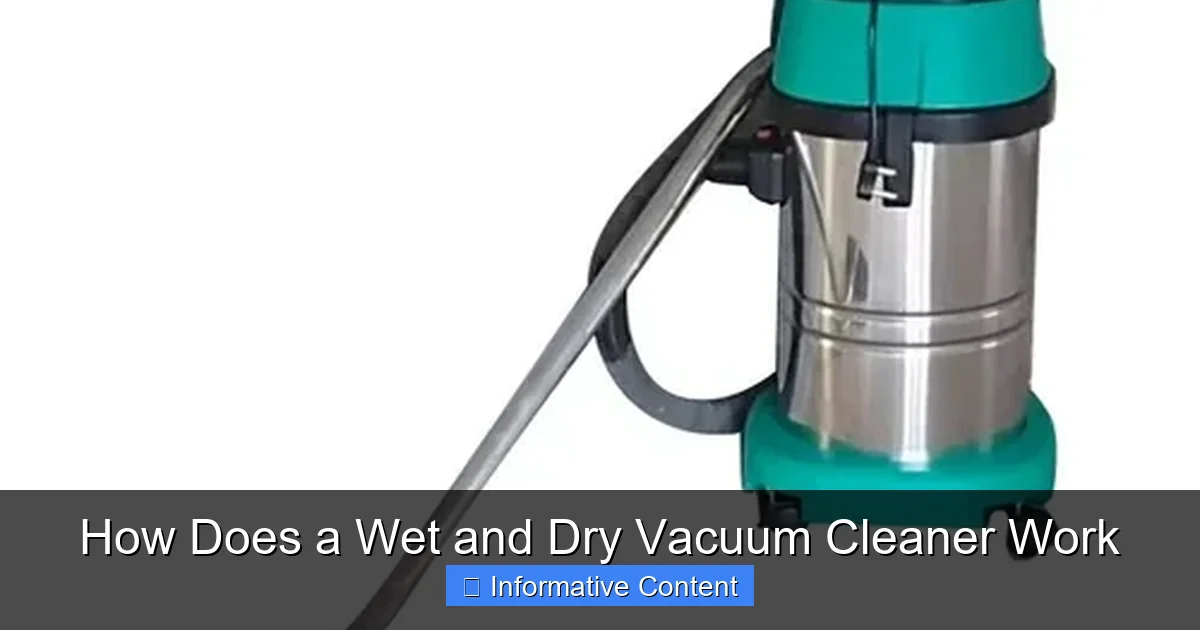
Visual guide about How Does a Wet and Dry Vacuum Cleaner Work
Image source: 5.imimg.com
At the very core of every vacuum cleaner, whether wet or dry, lies the motor and the mechanism it drives to create suction. This is where the magic of powerful airflow begins. Without robust suction, no amount of clever filtration or collection would be effective. A wet and dry vacuum cleaner typically boasts a stronger motor than many household vacuums, which is necessary to pull in heavier debris and liquids efficiently.
The Powerhouse: Motor and Impeller
The central component is an electric motor, usually encased in a protective housing. This motor is connected to a fan-like component called an impeller. When you switch on your wet and dry vacuum cleaner, the motor spins the impeller at an incredibly high speed.
Creating the Vacuum Effect
As the impeller spins, its blades rapidly push air outwards. This action creates a low-pressure area, or a partial vacuum, inside the vacuum cleaner’s housing. Nature abhors a vacuum, so higher-pressure air from outside rushes in to fill this void. This rushing air is what we perceive as suction. It travels through the hose, nozzle, and ultimately into the collection tank, carrying with it all the dirt, dust, and liquids in its path. The more powerful the motor and the more efficiently the impeller is designed, the stronger the suction power of your wet and dry vac will be.
The Clever Divide: Handling Wet vs. Dry Debris
Here’s where the wet and dry vacuum cleaner truly distinguishes itself from its dry-only cousins. It has a smart way of ensuring that liquids don’t reach the sensitive motor and that dry debris is effectively captured. This dual functionality requires specific features to be engaged or disengaged depending on the task at hand.
The Dry Operation: Dust, Dirt, and Debris
When you’re vacuuming dry materials like sawdust, drywall dust, screws, or general workshop debris, the wet and dry vacuum cleaner operates much like a heavy-duty regular vacuum.
* Filtration System: For dry vacuuming, a filter is absolutely essential. Most wet and dry vacs use cartridge filters (pleated paper or synthetic material) or foam filters. Some also use disposable filter bags. The filter’s job is to trap fine dust and particles, preventing them from reaching and potentially damaging the motor, as well as expelling clean air back into the room.
* Collection: The dry debris is sucked through the hose and passes through the filter, which separates the solid particles from the air. The cleaned air then flows out of the exhaust port, while the dry debris falls into the collection tank. Sometimes, a disposable filter bag is used inside the tank to make disposal easier and to offer an additional layer of filtration.
The Wet Operation: Spills and Liquids
This is where the unique capability of a wet and dry vacuum cleaner shines. When tackling liquid messes, the process changes significantly to protect the motor and efficiently collect the fluid.
* Filter Removal/Bypass: The most crucial step for wet vacuuming is typically *removing* the delicate paper cartridge filter or dust bag. Trying to vacuum liquids with a dry filter installed would quickly saturate and ruin the filter, block airflow, severely reduce suction, and potentially allow water to reach the motor. Some models use a foam sleeve filter specifically for wet use, which allows water to pass through but traps larger debris that might damage the impeller.
* Direct to Tank: With the appropriate filter configuration for wet use (often just the foam sleeve or no filter at all), liquids are sucked directly through the hose and into the main collection tank. There are no delicate filters to get clogged or damaged by the water.
* Overfill Protection: A vital safety feature for wet vacuuming is the automatic shut-off mechanism. Inside the collection tank, there’s usually a float ball. As the liquid level rises, this float ball rises with it. Once the tank is full, the float ball reaches a specific point, sealing off the suction intake. This causes the motor’s sound to change (often a higher pitch) and suction to drop dramatically or stop entirely, signaling that the tank needs to be emptied. This mechanism is critical for preventing the motor from sucking in water, which would cause severe damage and pose an electrical hazard.
Filtration Systems for Dual Action
The type of filtration system is a key differentiator in how a wet and dry vacuum cleaner handles both states.
- Cartridge Filters: These are common for dry use. They resemble an automotive air filter and provide excellent filtration for dust and fine particles. They must be removed for wet pickup unless specifically designed as a “wet/dry filter.”
- Foam Filters/Sleeves: These are designed to be used during wet pickup. They allow liquids to pass through while still catching larger debris to protect the motor from larger particles. They are not effective for fine dry dust.
- Filter Bags: Used inside the tank for dry debris collection, making disposal cleaner and extending the life of the main cartridge filter. Not used for wet pickup.
Knowing which filter to use and when to remove it is essential for the efficient and safe operation of your wet and dry vacuum cleaner.
Safety First: Automatic Shut-off and Overfill Protection
The ability to safely handle liquids is a major selling point for wet and dry vacuum cleaners, and this wouldn’t be possible without critical safety features. The most important of these is the automatic shut-off, often implemented via a float ball mechanism.
Preventing Motor Damage
The motor is the most delicate and expensive part of the vacuum cleaner. Water entering the motor can cause immediate electrical shorts, corrosion, and catastrophic failure. The automatic shut-off feature is a preventative measure designed to ensure this never happens during wet operation.
Float Ball Mechanism Explained
Within the collection tank of most wet and dry vacuums, you’ll find a lightweight plastic ball or float assembly. When the vacuum is used for wet tasks, and the liquid level in the tank rises to its maximum capacity, this float ball lifts up. As it rises, it plugs the intake port for the motor, effectively cutting off the airflow. When airflow stops, suction stops, and the motor’s pitch changes, alerting the user that the tank is full and needs to be emptied. This simple yet ingenious mechanism acts as a critical failsafe, safeguarding the motor from water damage.
Putting It to Work: Practical Uses and Essential Accessories
Now that you understand how a wet and dry vacuum cleaner works, it’s easy to see why it’s such a valuable tool. Its versatility extends to a myriad of tasks that ordinary vacuums simply can’t touch.
Common Scenarios for Your Wet and Dry Vac
- Workshop Cleanup: Perfect for sucking up sawdust, wood shavings, metal filings, and small screws or bolts without clogging.
- Garage and Auto Detailing: Easily removes dirt, gravel, and even spilled drinks from car interiors.
- DIY Projects: Cleans up debris from renovations, drywall dust, plaster, and paint chips.
- Flooded Areas: Can quickly remove standing water from basements, laundry rooms, or overflowed sinks.
- Spill Cleanup: Ideal for large liquid spills in homes, kitchens, or commercial spaces.
- Drain Unclogging: Sometimes, the powerful suction can help clear minor clogs in sinks or tubs.
- Outdoor Use: Can be used to clear leaves from gutters (with appropriate attachments) or clean patios.
Tools of the Trade: Accessories
A wet and dry vacuum cleaner isn’t complete without its array of attachments, each designed for a specific purpose.
- Hoses: Generally wider and more robust than household vacuum hoses to prevent clogging with larger debris.
- Wand Extensions: For reaching high places or enabling comfortable upright vacuuming.
- Utility Nozzle: A wide, flat nozzle for general dry and wet pickup on floors and large surfaces.
- Crevice Tool: A long, narrow tool for reaching tight corners, crevices, and narrow spaces (great for car interiors).
- Floor Nozzle (Wet/Dry): Often comes with interchangeable inserts – a brush strip for dry pickup and a squeegee attachment for liquids.
- Blower Port: Many models include a blower function, allowing you to attach the hose to the exhaust port and use the machine to blow away debris, similar to a leaf blower. This is fantastic for clearing workshops or driveways.
Understanding the function of each accessory helps you maximize the utility of your wet and dry vacuum cleaner.
Keeping It Running: Maintenance Tips for Longevity
Like any powerful tool, a wet and dry vacuum cleaner requires proper care and maintenance to ensure its longevity and peak performance. Neglecting these simple steps can lead to reduced suction, motor strain, and a shorter lifespan for your machine.
Regular Cleaning of Tanks and Hoses
After wet pickup, it’s crucial to empty the collection tank immediately and rinse it thoroughly with water. Leaving dirty water in the tank can lead to mildew growth, unpleasant odors, and even corrosion. For dry pickup, regularly empty the tank to prevent overfilling and maintain optimal suction. Inspect the hose and attachments for any blockages and clear them out to ensure uninterrupted airflow.
Filter Care: The Key to Efficiency
Filters are the lungs of your wet and dry vacuum cleaner, and keeping them clean is paramount.
- Dry Filters: For cartridge filters used in dry vacuuming, regularly remove and tap them to dislodge accumulated dust. Many are washable; if yours is, follow the manufacturer’s instructions for cleaning (usually rinsing with water and allowing it to air dry completely before reinstallation). Replace heavily soiled or damaged dry filters promptly.
- Foam Filters: After wet use, rinse foam filters thoroughly with water and allow them to air dry completely. These are generally very durable and washable.
Never use a damp dry filter; it can damage the motor and dramatically reduce effectiveness. Always ensure filters are fully dry before resuming dry vacuuming.
Proper Storage and Cord Management
Store your wet and dry vacuum cleaner in a clean, dry place to prevent rust and mildew. Wrap the power cord neatly to prevent damage. Keeping all accessories together, either in onboard storage or a dedicated bag, ensures they are ready for your next cleaning challenge. Regular inspection for any signs of wear and tear, especially on the hose and power cord, can prevent minor issues from becoming major problems. By understanding how a wet and dry vacuum cleaner works and taking these simple maintenance steps, you’ll ensure it remains a reliable and powerful assistant for years to come.
In conclusion, the wet and dry vacuum cleaner is far more than just a glorified dustbuster. It’s a marvel of practical engineering, designed with a robust motor, intelligent filtration, and crucial safety features to handle the toughest cleaning jobs. From its powerful suction to its clever float ball mechanism and versatile accessories, every aspect of its design contributes to its ability to seamlessly transition between tackling dry debris and sucking up liquid messes. Now that you know the intricate details of how a wet and dry vacuum cleaner works, you can wield this indispensable tool with confidence and appreciation, ready to conquer any mess life throws your way!
Frequently Asked Questions
How often should I clean the filters on my wet and dry vacuum cleaner?
The frequency depends on usage, but as a general rule, clean your dry filter after every few uses or when you notice a reduction in suction. Rinse your foam filter after every wet pickup to prevent odors and buildup.
Can I use a wet and dry vacuum cleaner to clean carpets?
While a wet and dry vacuum cleaner can pick up dry debris from carpets, it’s not a dedicated carpet cleaner. For deep carpet cleaning, you’d typically use a carpet extractor or steam cleaner, though a wet/dry vac can be useful for quickly sucking up spills or rinsing solutions.
What kind of liquids can a wet and dry vacuum cleaner pick up?
A wet and dry vacuum cleaner can safely pick up water, muddy water, most non-flammable cleaning solutions, and various other non-corrosive and non-toxic liquids. Always avoid flammable liquids like gasoline or highly corrosive chemicals.
Why is my wet and dry vacuum cleaner losing suction?
Loss of suction can be due to several reasons: a full collection tank (especially during wet use, triggering the float ball), clogged filters, a blocked hose or nozzle, or a leak in the hose or tank seals.
Can I use a regular extension cord with my wet and dry vacuum cleaner?
It’s important to use an appropriately rated outdoor-grade extension cord (SJTW or SJEOW) with sufficient gauge (e.g., 14 or 12 gauge) to handle the vacuum’s amperage, especially for longer cords, to prevent overheating and power loss.
Are wet and dry vacuum cleaners loud?
Yes, generally, wet and dry vacuum cleaners are louder than typical household vacuums due to their more powerful motors and less elaborate sound dampening. Noise levels can vary between models and brands.