How Does a Vacuum Cleaner Bag Work
Most of us use vacuum cleaners, but few understand the ingenious mechanics behind their most humble component: the bag. The vacuum cleaner bag is far more than just a dust bin; it’s a sophisticated multi-layered filter that traps dirt, dust, and allergens while allowing clean air to pass through. It leverages suction to pull in debris, then employs various filtration layers—from mechanical entanglement to electrostatic attraction—to capture even microscopic particles, ensuring only purified air returns to your home. Regular replacement is key to maintaining peak performance and healthy indoor air quality.
Welcome to the unsung hero of your vacuum cleaner: the bag! It’s that humble, often overlooked component that quietly performs a monumental task, keeping your home spotless and your air breathable. We push our vacuums across carpets and hard floors, marveling at the disappearing dirt, but how often do we stop to consider the ingenious engineering packed into that simple pouch?
It’s easy to think of a vacuum bag as just a disposable bin for dust, but that couldn’t be further from the truth. In reality, a vacuum cleaner bag is a highly sophisticated filtration system, designed to separate microscopic particles from the air, holding them captive while allowing clean air to return to your living space. Understanding how this small wonder works can transform how you view your cleaning routine and even influence your vacuuming habits for the better. So, let’s peel back the layers and discover the fascinating science behind how does a vacuum cleaner bag work.
Key Takeaways
- Dual Functionality: A vacuum cleaner bag serves as both a container for collected debris and a crucial multi-stage filter, trapping particles while allowing air to flow.
- Multi-Layered Design: Modern vacuum bags consist of several layers of specialized material (paper, synthetic fibers) that progressively filter out finer particles.
- Filtration Mechanisms: Bags use a combination of mechanical filtration (impingement, entanglement) and often electrostatic attraction to capture dust, dirt, pet dander, and even microscopic allergens.
- Airflow Dynamics: The bag’s design ensures optimal airflow through its pores, maintaining strong suction while effectively preventing trapped particles from escaping.
- Performance & Health Impact: A clean, appropriate vacuum bag is vital for maintaining your vacuum’s suction power, preventing motor strain, and significantly improving indoor air quality by retaining allergens.
- Types & Innovation: Bags range from standard paper to advanced synthetic micro-filtration and HEPA-rated options, with innovations like self-sealing collars enhancing user convenience and hygiene.
- Maintenance is Key: Regularly checking and replacing your vacuum cleaner bag before it’s full is essential for the appliance’s efficiency, longevity, and effective cleaning.
Quick Answers to Common Questions
What is the primary function of a vacuum cleaner bag?
The primary function of a vacuum cleaner bag is twofold: to collect and contain all the debris, dust, and dirt sucked in by the vacuum, and to act as a crucial filter, trapping particles while allowing clean air to pass through.
How often should I change my vacuum cleaner bag?
You should generally change your vacuum cleaner bag when it’s about two-thirds to three-quarters full, or when you notice a decrease in suction power. Don’t wait until it’s completely bursting.
Can I use any vacuum cleaner bag in my vacuum?
No, vacuum cleaner bags are specific to the make and model of your vacuum cleaner. Always check your vacuum’s manual or the bag packaging to ensure you’re buying the correct fit.
What is the difference between a standard paper bag and a HEPA-rated bag?
A standard paper bag offers basic filtration for general debris, while a HEPA-rated bag uses multiple layers of fine, often electrostatically charged, synthetic material to capture 99.97% of particles as small as 0.3 microns, including allergens and microscopic dust.
Does a full vacuum cleaner bag affect suction power?
Yes, absolutely. As a vacuum cleaner bag fills with dust, its pores become clogged, restricting airflow. This forces the vacuum motor to work harder and significantly reduces the machine’s suction power.
📑 Table of Contents
- The Basic Principle: Suction and Filtration
- Anatomy of a Vacuum Cleaner Bag: Layers and Materials
- The Filtration Process in Action: A Microscopic Journey
- Different Types of Vacuum Cleaner Bags and Their Innovations
- When to Change Your Vacuum Cleaner Bag: Optimizing Performance
- The Environmental Angle: Bagged vs. Bagless and Sustainability
- Conclusion
The Basic Principle: Suction and Filtration
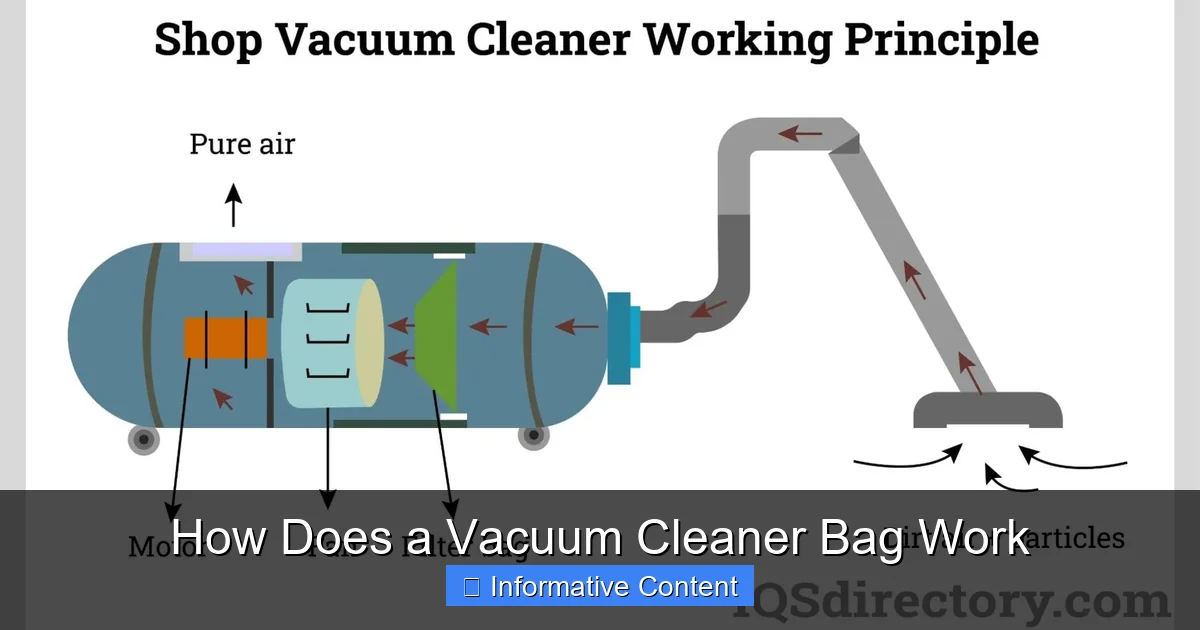
At its core, a vacuum cleaner operates on a very simple principle: it creates suction to pull in air and debris. But the real magic, the part that keeps all that dirt from just blowing back out, lies within the bag. The vacuum cleaner bag doesn’t just collect; it *filters*.
The Vacuum’s Engine: Creating Suction
When you switch on your vacuum, a powerful motor kicks into action, spinning a fan at incredible speeds. This fan acts like a pump, pushing air out through an exhaust port. As air is expelled, it creates a partial vacuum, or an area of lower pressure, inside the machine. Nature abhors a vacuum, so higher-pressure air from outside—along with any loose dirt, dust, and crumbs—rushes in through the cleaning head to equalize the pressure. This rush of air is what we perceive as “suction.”
More Than Just a Container: The Bag’s Dual Role
Once the dirt-laden air is sucked into the vacuum, its journey immediately leads to the bag. Here’s where the vacuum cleaner bag truly shines. It has a dual role:
- Containment: It physically holds all the collected debris, preventing it from recirculating into your home.
- Filtration: Crucially, it acts as the primary filter, trapping solid particles while allowing the now-cleaned air to pass through its porous material and exit the vacuum.
Without effective filtration, your vacuum would simply be blowing dust from one side of the room to the other, making things worse, not better! This is why understanding how does a vacuum cleaner bag work is key to appreciating its role.
Anatomy of a Vacuum Cleaner Bag: Layers and Materials
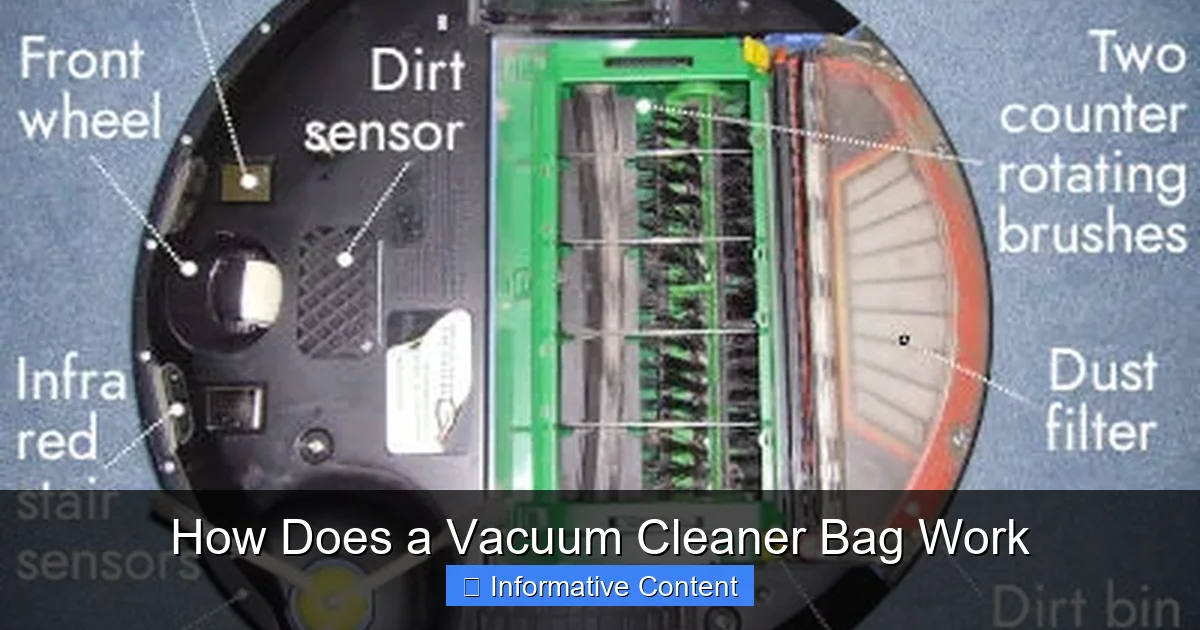
Visual guide about How Does a Vacuum Cleaner Bag Work
Image source: cdn4.explainthatstuff.com
A modern vacuum cleaner bag is a marvel of material science and engineering. It’s not just a single sheet of paper or fabric; it’s a meticulously designed structure with multiple layers, each serving a specific purpose in the filtration process.
The Outer Shell: Durability and Structure
The outermost layer of a vacuum cleaner bag is typically made from a relatively robust material, often a thick paper or a durable synthetic blend. This layer provides the structural integrity of the bag, allowing it to withstand the pressure of incoming air and the weight of collected dirt without tearing. It also acts as the first line of defense, capturing larger debris like pet hair, lint, and food crumbs. Think of it as the bouncer at the club, letting only the smaller, more refined guests pass through.
The Inner Layers: The Filtration Powerhouse
Beneath the outer shell lies the true filtration powerhouse. Most quality vacuum cleaner bags feature multiple inner layers, usually two to five, made from specialized synthetic microfibers or highly porous paper. These layers are progressively finer, meaning each subsequent layer is designed to trap smaller and smaller particles.
- Coarser Inner Layers: These layers focus on capturing medium-sized dust particles, pollen, and larger allergens that made it past the outer shell.
- Finer Inner Layers: The innermost layers are where the magic happens for microscopic particles. These dense webs of fibers are incredibly effective at trapping fine dust, mold spores, pet dander, and even some bacteria and viruses, especially in high-efficiency or HEPA-rated bags.
The choice of material and the specific weave of these layers are crucial to how effectively a vacuum cleaner bag works to purify the air.
The Cardboard Collar and Seal: Securing the Dust
Every vacuum cleaner bag has a sturdy cardboard collar. This isn’t just for attaching the bag; it’s an integral part of the sealing mechanism. The collar often features a rubber gasket or a foam seal that creates an airtight connection between the bag and the vacuum cleaner’s inlet port. This seal is critical for two reasons:
- Maintaining Suction: An airtight seal prevents air (and dust) from bypassing the bag and re-entering the vacuum motor or exhaust, thus maintaining optimal suction power.
- Preventing Leakage: It ensures that all the collected dust and debris remain safely inside the bag, preventing any escape back into your home’s air during operation or disposal.
Some advanced bags even incorporate self-sealing mechanisms in the collar, which automatically close the inlet when you remove the bag, making disposal much cleaner and more hygienic.
The Filtration Process in Action: A Microscopic Journey
Now that we know the components, let’s explore the dynamic process of how does a vacuum cleaner bag work to filter the air. It’s a multi-stage process that leverages several scientific principles.
Initial Impingement: Stopping the Big Stuff
As the dust-laden air rushes into the vacuum bag, the larger, heavier particles (like crumbs, hair, and larger dust bunnies) collide directly with the initial layers of the bag material. They simply can’t pass through the pores and get “stuck” on the surface. This is called *impingement*. It’s the simplest form of filtration and effectively removes the most visible debris.
Mechanical Entanglement: Trapping Finer Particles
For smaller particles, the process becomes more intricate. As air weaves its way through the dense maze of fibers in the bag’s inner layers, these fine particles become mechanically *entangled*. They get caught within the intricate web of threads, much like a fly caught in a spiderweb. The tortuous path and the increasingly finer fibers ensure that even very small particles, which might otherwise slip through, are eventually snared.
Electrostatic Attraction: The Invisible Grip
Many modern vacuum cleaner bags, especially those designed for allergy sufferers, utilize electrostatic charges. As air and particles rub against the synthetic fibers of the bag, they can generate static electricity. This causes the fibers to develop a slight charge, which then *attracts* oppositely charged dust particles. It’s a bit like rubbing a balloon on your hair and then sticking it to a wall – the static charge holds it in place. This invisible force significantly enhances the bag’s ability to capture extremely fine particles, including microscopic allergens and pet dander, that might be too small for purely mechanical entanglement.
Airflow and Pressure Dynamics: The Balancing Act
Throughout this process, the bag must maintain a delicate balance. It needs to be dense enough to filter out particles but porous enough to allow air to flow through freely. If the bag material is too dense or becomes too clogged, airflow is restricted, leading to a drop in suction power and potentially overheating the vacuum motor. Manufacturers meticulously design the bag’s pore size and material density to optimize both filtration efficiency and airflow, ensuring your vacuum cleaner bag works effectively without hindering performance.
Different Types of Vacuum Cleaner Bags and Their Innovations
Just like vacuum cleaners themselves, bags have evolved, offering different levels of performance and specialized features. Understanding these options helps you choose the right bag for your needs and ensures your vacuum cleaner bag works optimally.
Standard Paper Bags: The Traditional Choice
These are the most basic and often the most affordable vacuum bags. They are typically made from a single or double layer of high-quality paper. While effective for general household dust and debris, their filtration capabilities are more limited compared to synthetic options. They might let some very fine particles and allergens pass through. They are suitable for households without severe allergy concerns.
Synthetic (Micro-filtration) Bags: Enhanced Performance
Stepping up from paper, synthetic bags are usually made from several layers of non-woven, electrostatically charged polypropylene or other synthetic fibers. These bags offer significantly improved filtration, capable of trapping much finer particles like pollen, pet dander, and some microscopic dust mites. They also tend to be more tear-resistant and maintain better airflow as they fill, prolonging peak performance. Many brands now offer these as their standard bag option due to their superior performance.
Allergen and HEPA-Rated Bags: Protecting Your Health
For allergy and asthma sufferers, or anyone concerned about indoor air quality, allergen and HEPA-rated bags are a game-changer.
- Allergen Bags: These bags typically feature multiple layers of synthetic material with enhanced electrostatic properties, specifically designed to capture common allergens like pet dander, pollen, dust mite feces, and mold spores.
- HEPA-Rated Bags: True HEPA (High-Efficiency Particulate Air) filtration is a rigorous standard. A HEPA-rated vacuum cleaner bag is designed to capture 99.97% of airborne particles 0.3 microns in size. This includes virtually all common allergens, bacteria, and even some viruses. When combined with a HEPA filter in the vacuum itself, these bags offer the highest level of air purification. They are indispensable for creating a truly clean and healthy home environment.
It’s important to note that a HEPA-rated bag alone won’t make a non-HEPA vacuum a HEPA vacuum, but it significantly improves filtration.
Self-Sealing Bags: Mess-Free Disposal
A practical innovation in vacuum cleaner bags is the self-sealing collar. When you remove a full bag from the vacuum, a flap or mechanism automatically closes the opening, effectively sealing the trapped dust and debris inside. This prevents dust clouds from escaping during disposal, making the process much more hygienic and appealing, especially for those sensitive to dust.
When to Change Your Vacuum Cleaner Bag: Optimizing Performance
One of the most common mistakes people make with bagged vacuums is waiting too long to change the bag. This not only diminishes your cleaning results but can also harm your vacuum cleaner. Understanding how often and why to change your vacuum cleaner bag works wonders for your cleaning efficiency.
Signs It’s Time for a Change
- Reduced Suction: This is the most obvious sign. If your vacuum isn’t picking up dirt as effectively as it used to, even after clearing clogs, a full bag is often the culprit.
- Visible Fullness: Many bags have a visual indicator or simply feel heavy. If it looks full, it probably is.
- Odor: A lingering, stale odor coming from your vacuum could indicate a bag full of decomposing organic matter (like pet hair, food particles, or mold spores).
- Exhaust Air Quality: If the air coming out of your vacuum smells dusty or stale, the bag is likely overfilled or compromised, allowing particles to escape.
- Manufacturer’s Recommendation: Always check your vacuum’s manual. Some manufacturers provide specific guidelines for bag replacement based on usage.
As a general rule, change the bag when it’s about two-thirds to three-quarters full. Don’t wait until it’s bursting at the seams!
The Impact of a Full Bag
A full vacuum cleaner bag significantly hinders your vacuum’s performance in several ways:
- Decreased Suction Power: As dust and dirt accumulate, they block the pores of the bag material, reducing airflow. This directly translates to weaker suction.
- Overheating Motor: The restricted airflow forces the vacuum motor to work harder to maintain suction, leading to increased heat generation. This can shorten the motor’s lifespan.
- Reduced Filtration Efficiency: An overfilled bag means the dust is compressed against the filtration layers, potentially pushing fine particles through the material or bypassing it entirely, leading to poorer air quality.
- Potential for Bursting: In extreme cases, an overfilled bag can tear or burst, spewing all its contents back into your vacuum and your home.
Practical Tips for Bag Replacement
- Keep Spares: Always have a fresh supply of the correct bags for your vacuum model.
- Turn Off and Unplug: Before changing the bag, always turn off and unplug your vacuum for safety.
- Read the Manual: Each vacuum model has a slightly different bag compartment and replacement procedure. Refer to your owner’s manual if unsure.
- Check for Damage: Briefly inspect the bag compartment for any lingering debris or tears in the vacuum’s seals.
- Dispose Responsibly: Seal the old bag (especially if it’s a self-sealing type) and place it directly into your outdoor trash bin to prevent dust from re-entering your home.
The Environmental Angle: Bagged vs. Bagless and Sustainability
In recent years, the debate between bagged and bagless vacuums has often revolved around convenience and environmental impact. Understanding how does a vacuum cleaner bag work from an environmental perspective adds another layer to this discussion.
Pros and Cons: Bagged vs. Bagless
Bagged Vacuums:
- Pros: Superior filtration (especially with HEPA bags), hygienic disposal (no direct contact with dust), less maintenance for internal filters, often better for allergy sufferers.
- Cons: Ongoing cost of replacement bags, disposable bags contribute to landfill waste.
Bagless Vacuums:
- Pros: No ongoing bag costs, perceived as more environmentally friendly (less disposable waste), easy to see when bin needs emptying.
- Cons: Dust expulsion during emptying (messy and triggers allergies), frequent filter cleaning required, filters can lose efficiency over time, often poorer fine particulate filtration unless equipped with multiple advanced filters.
While bagged vacuums produce disposable waste, bagless options often require frequent washing of filters, which uses water and can still degrade over time, leading to replacement. The “greener” choice isn’t always as clear-cut as it seems.
Eco-Friendly Bag Options
To address environmental concerns, some manufacturers are now producing vacuum cleaner bags made from recycled materials or biodegradable components. These bags aim to reduce the ecological footprint without compromising on filtration performance. If environmental impact is a key concern for you, look for these sustainable alternatives when purchasing your replacement bags.
Conclusion
The humble vacuum cleaner bag is truly a feat of engineering, playing a far more significant role than most people realize in keeping our homes clean and our air fresh. From its multi-layered design and various filtration mechanisms—like impingement, entanglement, and electrostatic attraction—to the different types tailored for specific needs, the bag is essential for capturing dust, dirt, and allergens effectively.
Understanding how does a vacuum cleaner bag work empowers you to make better choices about your vacuum maintenance and bag selection. Regular bag replacement isn’t just about maintaining suction; it’s about protecting your vacuum’s motor, ensuring maximum cleaning efficiency, and, most importantly, improving the air quality within your home. So, the next time you change that full bag, take a moment to appreciate this unsung hero, silently safeguarding your home’s cleanliness and your family’s health.
Frequently Asked Questions
What materials are vacuum cleaner bags typically made from?
Vacuum cleaner bags are usually made from either multiple layers of specialized paper or advanced synthetic materials like non-woven polypropylene microfibers. Synthetic bags often incorporate electrostatic properties to enhance their filtration capabilities, particularly for fine dust and allergens.
How do vacuum bags prevent dust from escaping back into the air?
Vacuum bags prevent dust escape through their multi-layered filtration system and a secure sealing mechanism. The fine pores of the bag material trap particles, and a tight-fitting cardboard collar with a rubber gasket ensures an airtight seal within the vacuum, preventing air and dust from bypassing the bag.
Are all vacuum cleaner bags effective against allergens?
Not all vacuum cleaner bags are equally effective against allergens. While standard paper bags capture some larger allergens, specialized allergen or HEPA-rated synthetic bags are designed with finer filtration layers and often electrostatic charges to capture microscopic particles like pollen, pet dander, and dust mite feces much more efficiently.
Why do some vacuum cleaner bags have a self-sealing feature?
Some vacuum cleaner bags include a self-sealing feature, often in the collar, to prevent dust from escaping during disposal. This mechanism automatically closes the bag’s opening when it’s removed from the vacuum, making the process more hygienic and reducing exposure to allergens and trapped dirt.
Can I clean and reuse a vacuum cleaner bag?
No, vacuum cleaner bags are designed for single use and should not be cleaned and reused. Attempting to empty, wash, or reuse a bag can compromise its filtration integrity, lead to tears, and significantly reduce its effectiveness in trapping dust and allergens, potentially damaging your vacuum.
Does the quality of the vacuum bag matter for my vacuum’s lifespan?
Yes, the quality of your vacuum bag matters significantly for your vacuum’s lifespan. A high-quality bag ensures efficient filtration and proper airflow, which prevents the motor from overheating and working too hard. Using cheap, ill-fitting, or overfilled bags can strain the motor and lead to premature wear and tear.