How Does a Pond Vacuum Cleaner Work
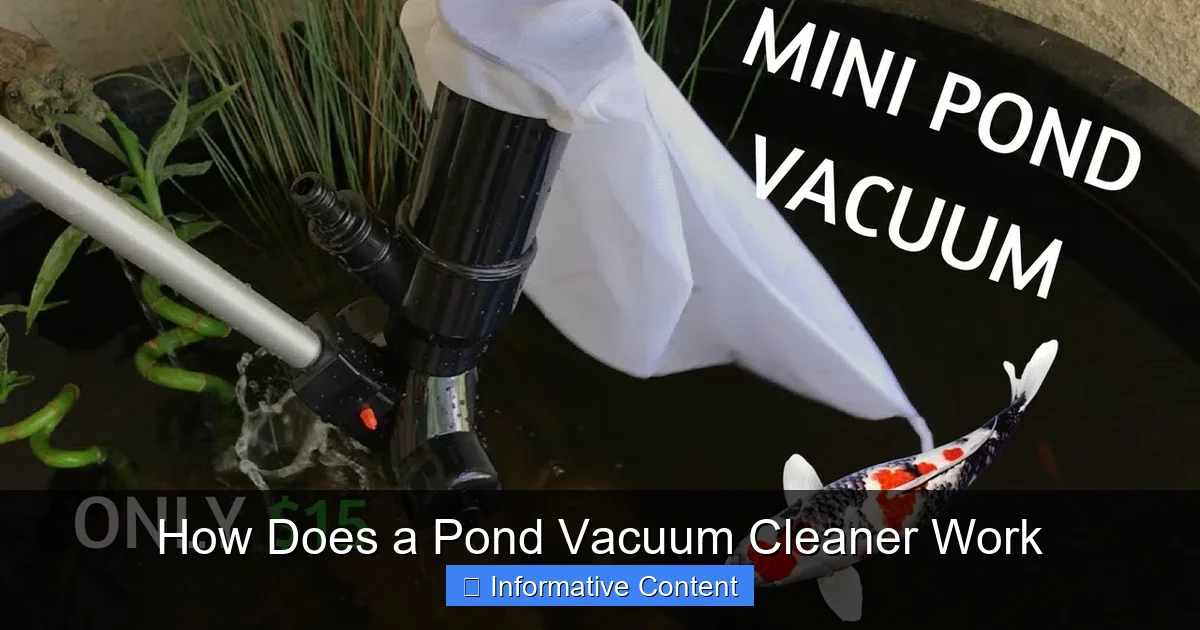
A pond vacuum cleaner is an essential tool for maintaining clear and healthy garden ponds. It works by using powerful suction to remove sludge, algae, and debris from the pond bottom, preventing the buildup of harmful organic matter. Understanding how a pond vacuum cleaner works helps you choose the right model and use it effectively to ensure a vibrant aquatic ecosystem.
How Does a Pond Vacuum Cleaner Work
Imagine your beautiful backyard pond, a serene oasis teeming with colorful fish and lush aquatic plants. It’s a place of calm and beauty. But then, you notice it – a layer of murky sludge accumulating at the bottom, clinging to plants, and dulling the vibrant colors of your fish. This unsightly mess isn’t just an aesthetic problem; it’s a real threat to your pond’s health. Leaves, fish waste, uneaten food, and decaying plant matter all contribute to this buildup, which can lead to unpleasant odors, excessive algae growth, and even dangerous water conditions for your aquatic inhabitants.
For years, cleaning a pond often meant messy, back-breaking work, involving draining the pond, scooping out sludge by hand, and disturbing the delicate ecosystem. Thankfully, modern innovation has given us a much simpler and more effective solution: the pond vacuum cleaner. These clever devices are designed specifically to tackle the unique challenges of pond maintenance, allowing you to remove unwanted debris and maintain crystal-clear water without the drastic measures of a full pond drain. But how do these handy gadgets actually work their magic? Let’s dive deep into the fascinating world of pond vacuum cleaners and uncover their operational secrets.
Understanding how a pond vacuum cleaner works is not just about satisfying curiosity; it’s about empowering you to make informed decisions for your pond’s health. Knowing the mechanics behind these machines will help you choose the right type for your needs, use it most effectively, and keep your aquatic paradise thriving. Whether you’re a seasoned pond keeper or just starting out, getting a handle on this essential tool will dramatically improve your pond maintenance routine.
Key Takeaways
- Core Function: A pond vacuum cleaner primarily works by creating strong suction to pull water, sludge, and debris from the pond bottom.
- Main Types: Pond vacuums come in intermittent (cycle-based, filling and emptying) and continuous (constant suction via dual chambers or external pumps) models, each with a distinct operating mechanism.
- Debris Management: The vacuumed dirty water is typically discharged into a waste area, often through a mesh bag that separates larger debris, or can sometimes be filtered and returned to the pond in advanced systems.
- Maintaining Pond Health: Regular vacuuming prevents the buildup of organic matter, which can lead to excessive algae growth, foul odors, and harmful ammonia spikes, thus promoting a healthier environment for fish and plants.
- Key Components: Essential parts include a powerful motor, a robust suction hose with various nozzles, a collection tank (for intermittent models), and a discharge hose.
- Efficient Use: For best results, use a slow, sweeping motion with appropriate nozzles, target high-debris areas, and remember that some water will be removed, which might require refilling.
- Beyond Cleaning: Pond vacuums not only clean but also provide an opportunity for partial water changes, which can further benefit pond water quality.
Quick Answers to Common Questions
How does a pond vacuum cleaner work to remove algae?
A pond vacuum cleaner removes algae by physically sucking up string algae and the underlying nutrient-rich sludge that feeds all forms of algae. While it doesn’t kill algae directly, it eliminates its food source and growth medium.
Can I use a regular shop vac instead of a pond vacuum cleaner?
It’s generally not recommended to use a regular shop vac. Pond vacuums are specifically designed with waterproof components, robust pumps for submerged operation, and specialized hoses and nozzles for pond debris, which a standard shop vac lacks.
How often should I vacuum my pond?
The frequency depends on pond size, fish load, and surrounding debris. A general guideline is once in spring, every 2-4 weeks during summer, and once in fall. However, if you notice significant sludge buildup or poor water quality, vacuuming more often is beneficial.
Where does the dirty water go after being vacuumed?
The dirty water is typically discharged through a hose to a designated waste area. It’s rich in nutrients, making it excellent for fertilizing garden beds, lawns, or compost piles. Avoid discharging into public drains without checking local regulations.
Do pond vacuums remove fish or pond plants?
When used carefully with appropriate nozzles, pond vacuums are designed to avoid harming fish or plants. Use wider nozzles in open areas and be gentle around plants. Small fish or fry can sometimes be accidentally sucked up, so always work slowly and check the discharge water.
📑 Table of Contents
- The Core Problem: Why Ponds Get Dirty
- What Exactly is a Pond Vacuum Cleaner?
- How Does a Pond Vacuum Cleaner Work: The Fundamental Principles
- Types of Pond Vacuum Cleaners and Their Mechanisms
- Step-by-Step: Using Your Pond Vacuum for Optimal Results
- Tips for Maximizing Efficiency and Pond Health
- Conclusion
The Core Problem: Why Ponds Get Dirty
Before we get into the nitty-gritty of pond vacuums, let’s first understand the “why.” Why do ponds get dirty in the first place? Ponds are dynamic ecosystems, constantly influenced by their environment and inhabitants. This constant activity, while natural, inevitably leads to the accumulation of organic matter that can degrade water quality.
Common Sources of Pond Debris
- Leaves and Organic Matter: Trees shedding leaves, grass clippings blowing in, and decaying aquatic plants all contribute a significant amount of organic material to your pond.
- Fish Waste: Fish produce waste just like any other living creature. In a pond, this waste settles at the bottom, adding to the sludge layer. The more fish you have, the more waste they produce!
- Uneaten Food: Overfeeding your fish is a common mistake. Any food that isn’t consumed will sink, decompose, and become part of the sludge.
- Algae and Dead Microorganisms: While some algae are natural, excessive growth, especially string algae, can die off and contribute to organic load. Dead bacteria and other microscopic life also add to the buildup.
- Sediment and Runoff: Rainwater can wash soil, dust, and other sediments into your pond from surrounding areas, especially if your pond edges aren’t well-maintained.
The Impact of Sludge on Pond Health
This accumulated organic matter doesn’t just look bad; it creates several serious problems for your pond:
- Nutrient Overload: As organic debris breaks down, it releases nutrients like nitrates and phosphates. These are the primary food sources for nuisance algae, leading to “green water” and string algae blooms.
- Oxygen Depletion: The decomposition process consumes a lot of oxygen. In severe cases, this can deplete oxygen levels to a point where fish and other aquatic life struggle to breathe, especially in warmer months.
- Toxic Gas Production: In anaerobic (low-oxygen) conditions at the bottom, harmful gases like hydrogen sulfide (which smells like rotten eggs) can be produced, poisoning fish.
- Disease and Stress: Poor water quality weakens fish immune systems, making them more susceptible to diseases and parasites.
- Aesthetic Ruin: Beyond health, sludge makes your pond cloudy, murky, and generally unattractive, detracting from its purpose as a relaxing feature.
This is where the pond vacuum cleaner steps in as a hero, actively removing these problematic materials before they cause significant harm.
What Exactly is a Pond Vacuum Cleaner?
Visual guide about How Does a Pond Vacuum Cleaner Work
Image source: img.proidee.co.uk
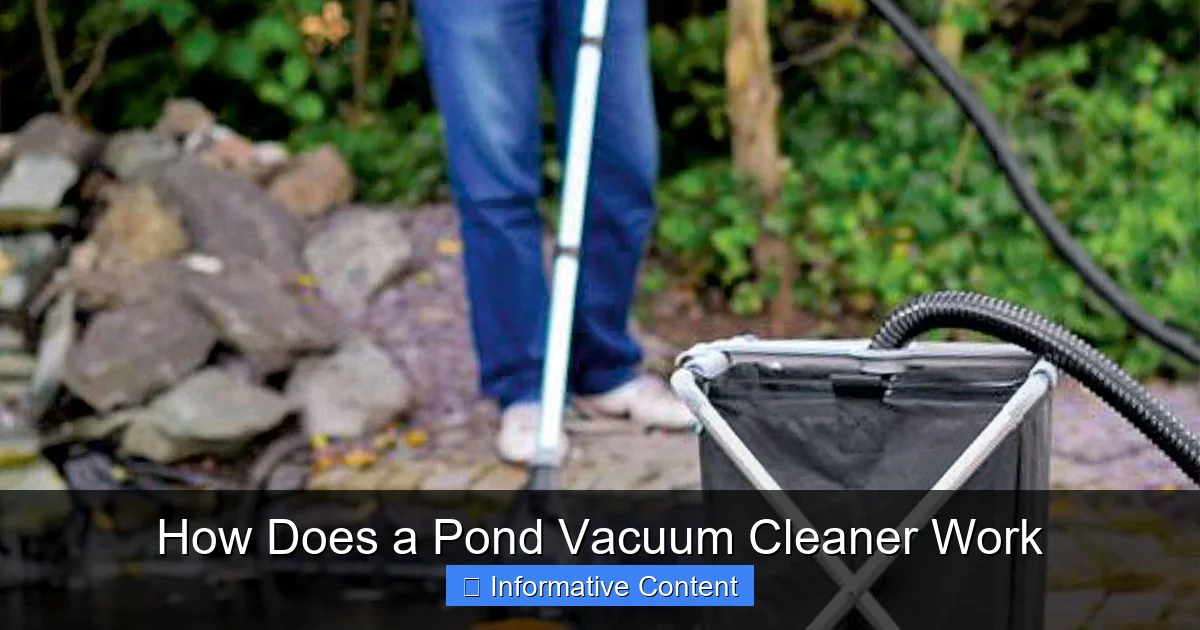
At its heart, a pond vacuum cleaner is a specialized device designed to remove sludge, sediment, and debris from the bottom and sides of a garden pond. While it shares some similarities with a regular household vacuum, its engineering is tailored for the unique challenges of an aquatic environment.
More Than Just a Wet/Dry Vac
You might wonder if you can just use a regular wet/dry shop vacuum. The answer is generally no, and here’s why:
- Waterproof and Submersible Components: Pond vacuums are built with components specifically designed to be submerged in water, preventing electrical hazards and corrosion.
- Powerful Suction in Water: They are engineered to create strong suction through a column of water, which is different from vacuuming air or dry debris.
- Debris Handling: Pond vacuums can handle larger, slimier debris without clogging. Their internal mechanisms are often designed to let water and small particles pass through efficiently.
- Continuous or Intermittent Operation: Many pond vacuums are designed for either continuous use (meaning they can suck and discharge at the same time) or efficient intermittent cycling, which a standard wet/dry vac isn’t built for.
- Nozzle Specialization: Pond vacuums come with a range of specialized nozzles designed to navigate uneven pond bottoms, clean around plants, and tackle different types of debris.
Key Components of a Pond Vacuum
While designs vary, most pond vacuum cleaners share a few core components:
- Motor/Pump Unit: This is the heart of the vacuum, generating the suction power. It’s usually housed in a sealed, waterproof casing.
- Collection Tank (for Intermittent Models): A robust tank where the vacuumed water and debris are temporarily stored before being discharged.
- Suction Hose: A thick, flexible hose that connects to the main unit and is equipped with various nozzles. This is the part you maneuver in the pond.
- Nozzles/Attachments: Different shapes and sizes for various tasks, such as wide nozzles for open areas, crevice tools for tight spots, and special brushes for algae.
- Discharge Hose: A separate hose that expels the dirty water and sludge from the collection tank to a designated waste area.
- Control Panel/Switches: For turning the unit on/off and sometimes for selecting different modes or power levels.
How Does a Pond Vacuum Cleaner Work: The Fundamental Principles
The basic principle behind how a pond vacuum cleaner works is surprisingly simple: it uses a powerful pump to create a vacuum, which then sucks up water and debris. However, the application of this principle can vary significantly between different types of vacuums.
Suction Power: The Heart of the Machine
The core of any pond vacuum is its ability to generate strong suction. This is achieved by an electric motor driving a pump. When the motor is activated, it creates a low-pressure area (a vacuum) within the suction hose. The higher atmospheric pressure on the surface of the pond water then pushes the water and any suspended debris up the hose and into the vacuum unit.
The effectiveness of this suction depends on several factors:
- Motor Wattage: Higher wattage generally means a more powerful motor and thus stronger suction.
- Pump Design: The design of the impeller and pump mechanism plays a crucial role in how efficiently water and debris are moved.
- Hose Diameter and Length: A wider, shorter hose generally allows for better flow and less resistance, maximizing suction at the nozzle.
Water Flow and Filtration (or Waste Discharge)
Once the dirty water and sludge are sucked into the unit, what happens next depends heavily on the type of pond vacuum you have.
* Intermittent (Cycle) Vacuums: These are the most common type. The vacuum pulls water and debris into a collection tank. Once the tank is full, the suction automatically stops, and a valve opens to allow the dirty water to be discharged through the discharge hose to a waste area (e.g., flower beds, compost heap). After the tank is emptied, the discharge valve closes, and the suction cycle restarts. This creates an alternating pattern of vacuuming and discharging.
* Continuous Vacuums: These advanced models are designed to vacuum and discharge simultaneously, providing uninterrupted cleaning. They achieve this in a couple of ways:
* **Dual-Chamber Systems:** Some continuous vacuums have two collection chambers. As one chamber fills, the other empties, creating a seamless transition without interruption.
* **Separate Pump Systems:** Other continuous models use a primary pump for suction and a secondary, continuous-running pump that immediately expels the dirty water as it enters the unit, often through a filter or mesh bag.
* Waste Management: In most cases, the dirty water is rich in nutrients and can be excellent for fertilizing garden plants. Some vacuums may have internal mesh bags or pre-filters to catch larger debris (leaves, small stones) before the water is discharged, preventing clogs and making disposal easier. Rarely, high-end units might incorporate a sophisticated filtration system to clean and return the water to the pond, but this is less common due to the sheer volume of sludge involved.
Types of Pond Vacuum Cleaners and Their Mechanisms
The world of pond vacuums offers a few different operational mechanisms, each suited for various pond sizes and user preferences.
Manual Pond Vacuums (Simple Siphons)
These are the most basic and typically least expensive option. They work on the principle of a siphon. You manually start the siphon action (often by pumping or submerging the hose), and gravity does the rest, pulling water and light debris out of the pond.
* How they work: A simple pump or a priming action fills the hose with water, creating a continuous flow from the pond to a lower discharge point outside the pond.
* Best for: Small ponds, spot cleaning, or when dealing with very light sludge. Not suitable for heavy-duty cleaning.
Intermittent (Cycle) Pond Vacuums
As mentioned, these are the most popular type for domestic ponds. They operate in cycles of suction and discharge.
* How they work:
1. Suction Phase: The motor creates a vacuum, sucking water, sludge, and debris into an internal collection tank. This phase usually lasts for 30-50 seconds, depending on the tank size.
2. Filling Recognition: A float switch or sensor inside the tank detects when it’s full.
3. Discharge Phase: The motor automatically shuts off (or switches modes), and a dump valve opens, allowing the water and debris to drain out through the discharge hose. This phase typically takes 20-30 seconds.
4. Restart: Once the tank is empty, the dump valve closes, the motor reactivates, and the suction phase begins again.
* Pros: Generally more affordable, robust, and effective for most medium to large ponds.
* Cons: Interrupted operation can make the cleaning process a bit slower and less continuous.
Continuous Pond Vacuums
These are designed for efficiency and larger ponds where uninterrupted cleaning is a significant advantage.
* How they work:
* Dual-Chamber System: The vacuum has two separate collection chambers. While one chamber is actively sucking in water and debris, the other chamber is simultaneously discharging its contents. Once the first chamber is full, a valve system redirects the suction to the second chamber, allowing the first to empty, and so on. This continuous switching ensures constant suction at the nozzle.
* External Pump/Two-Pump System: Some continuous vacuums might use a powerful main pump for suction and a separate, continuously running discharge pump that expels the dirty water as soon as it enters the unit. This bypasses the need for a large collection tank.
* Pros: Faster cleaning for large ponds, constant suction, less waiting time.
* Cons: Typically more expensive and can be heavier or bulkier.
Robotic Pond Vacuums
While still a niche market, robotic pond vacuums are emerging.
* How they work: Similar to robotic pool cleaners, these autonomous devices move around the pond bottom using internal motors and brushes, sucking up debris into an onboard filter bag or cartridge. They often have internal programming to cover the pond efficiently.
* Pros: Hands-free operation, consistent cleaning.
* Cons: High cost, may struggle with very thick sludge or uneven pond bottoms, and battery life can be a limiting factor.
Step-by-Step: Using Your Pond Vacuum for Optimal Results
Now that you understand how a pond vacuum cleaner works, let’s walk through the practical steps of using one to keep your pond sparkling.
Preparation is Key
- Read the Manual: Always start by reading your specific vacuum’s instruction manual. Different models have different quirks.
- Assemble the Vacuum: Attach the suction hose, discharge hose, and desired nozzle. Ensure all connections are secure to prevent leaks and maintain suction.
- Position the Vacuum: Place the main unit on a stable, level surface near the pond, but not so close that it might accidentally fall in. Make sure it’s within reach of a safe, outdoor-rated power outlet.
- Prepare the Discharge Area: Direct the discharge hose to a suitable location. This could be a flower bed, vegetable patch, compost pile, or even a storm drain (check local regulations). Remember, this water is nutrient-rich!
- Check Water Level: If you have an intermittent vacuum, you’ll be removing a significant amount of water. Be prepared to top up your pond with dechlorinated water afterward.
The Vacuuming Process
- Start Slow: Lower the suction nozzle into the pond gently. Avoid disturbing the sludge too much before you start vacuuming, as this will just cloud the water.
- Systematic Approach: Work in sections. Start from one end of the pond and move methodically across the bottom. Use slow, sweeping motions.
- Choose the Right Nozzle:
- A wide, flat nozzle is great for large, open areas with light sludge.
- A narrower, crevice nozzle works well for tight spaces, between rocks, or around plant pots.
- A brush nozzle can help agitate stubborn algae or debris before suctioning.
- Target Problem Areas: Pay extra attention to areas where debris tends to accumulate, such as under waterfalls, near skimmers, or in quieter zones.
- Observe the Discharge: Monitor the water coming out of the discharge hose. When it starts running clearer, you know you’ve cleaned that section effectively.
Dealing with Waste Water
The nutrient-rich waste water is usually a bonus for your garden!
- Fertilize Plants: Use it to water your shrubs, trees, or vegetable garden. The nitrates and phosphates are excellent natural fertilizers.
- Avoid Storm Drains (if applicable): While often nutrient-rich, direct discharge into public storm drains might be discouraged in some areas due to regulations on nutrient runoff. Always check local guidelines.
Post-Cleaning Maintenance
Once you’re done vacuuming:
- Rinse the Vacuum: Run clean water through the suction and discharge hoses to flush out any remaining debris. This prevents clogs and odors.
- Clean Filters/Mesh Bags: If your vacuum has a collection bag or pre-filter, empty and rinse it thoroughly.
- Store Properly: Disassemble the hoses and store the vacuum in a dry, protected area.
- Refill Pond: Top up your pond with dechlorinated water to compensate for the removed volume. Remember to use a water conditioner to neutralize chlorine and chloramines if you’re using tap water.
Tips for Maximizing Efficiency and Pond Health
Beyond just knowing how a pond vacuum cleaner works, there are several tips to ensure you get the most out of your cleaning efforts and contribute to a healthier pond overall.
When to Vacuum Your Pond
- Spring Cleaning: This is arguably the most important vacuuming session. Remove accumulated winter debris, decaying leaves, and fish waste to give your pond a fresh start.
- Throughout Summer: Light vacuuming every 2-4 weeks can prevent major buildups, especially if you have a lot of fish or surrounding trees.
- Fall Preparation: Before leaves start falling heavily, a good vacuuming can remove existing sludge. As leaves fall, use a net daily to prevent them from sinking, but a final vacuuming after most leaves are down can be beneficial before winter.
- As Needed: If you notice cloudy water, foul odors, or excessive algae, it’s a good indicator that a vacuuming session is in order.
Preserving Beneficial Bacteria
While removing sludge, it’s important not to disrupt your pond’s beneficial bacteria too much. These bacteria are vital for breaking down harmful ammonia and nitrites.
- Avoid Over-Cleaning: Don’t try to get every single speck of debris every time. A healthy layer of beneficial bacteria also resides in the top layer of the substrate.
- Partial Cleaning: Focus on the thickest areas of sludge and avoid vacuuming the entire pond bottom aggressively every time.
- Don’t Disturb Bio-Filter: Make sure your biological filter is running and healthy. This is where the majority of your beneficial bacteria live. Never clean your bio-filter with tap water; use pond water to preserve the bacterial colonies.
Regular Maintenance for Your Vacuum
Just like any tool, your pond vacuum cleaner needs care to perform its best:
- Rinse After Every Use: As mentioned, flushing clean water through the system prevents clogs and extends the life of hoses and internal components.
- Check for Damage: Periodically inspect hoses for cracks, nozzles for blockages, and electrical cords for fraying.
- Store Properly: Keep the unit dry and protected from extreme temperatures.
- Motor Care: For some models, checking the impeller or motor housing for debris might be necessary, especially if you notice a drop in suction power. Consult your manual.
Conclusion
Understanding how a pond vacuum cleaner works reveals it to be a sophisticated yet user-friendly tool, specifically engineered to combat the natural accumulation of organic waste in garden ponds. From the powerful suction generated by its motor to the clever mechanisms of its intermittent or continuous operation, every aspect is designed to efficiently remove harmful sludge without disrupting your pond’s delicate ecosystem.
By regularly employing a pond vacuum, you’re not just improving the aesthetic appeal of your water feature; you’re actively safeguarding the health of your fish and plants. You prevent nutrient overload, reduce algae growth, maintain vital oxygen levels, and create a clearer, more vibrant environment for all to enjoy. Investing in and understanding how a pond vacuum cleaner works is a commitment to a healthier, more beautiful pond, transforming a daunting chore into a manageable and even satisfying part of your pond maintenance routine. So, grab your pond vacuum and get ready to enjoy the sparkling results!
Frequently Asked Questions
How do I choose the right size pond vacuum for my pond?
Consider your pond’s volume, the amount of sludge you anticipate, and your budget. Larger ponds with more debris will benefit from a continuous-operation vacuum or one with a larger collection tank and stronger motor for efficiency.
Will a pond vacuum cleaner clear cloudy water?
A pond vacuum cleaner will help clear cloudy water caused by suspended organic particles and stirred-up sludge. For cloudy water due to microscopic algae (green water), a UV clarifier and proper filtration are also necessary, but removing sludge reduces the nutrients fueling algae growth.
Is it safe for my fish when I vacuum the pond?
Yes, it’s generally safe for fish. Operate the vacuum slowly and avoid directly chasing fish. If you have very small fry, it’s best to wait until they are larger or move them temporarily to a holding tank during the vacuuming process.
Can I use a pond vacuum cleaner to clean my swimming pool?
No, pond vacuum cleaners are not designed for swimming pools. Pool vacuums are built to handle chlorinated water and often have different filtration systems. Using a pond vacuum in a pool could damage the unit or be ineffective.
What maintenance does a pond vacuum cleaner require?
Regular maintenance includes rinsing all hoses and attachments with clean water after each use, emptying and cleaning any mesh bags or filters, and inspecting for wear and tear. Store the unit in a dry, protected place when not in use.
Do pond vacuums remove beneficial bacteria from my pond?
Pond vacuums primarily remove sludge, which contains some beneficial bacteria, but the majority of crucial beneficial bacteria reside in your pond’s biological filter media and on the stable surfaces of your pond. Regular vacuuming is less disruptive to these colonies than full pond draining and cleaning.