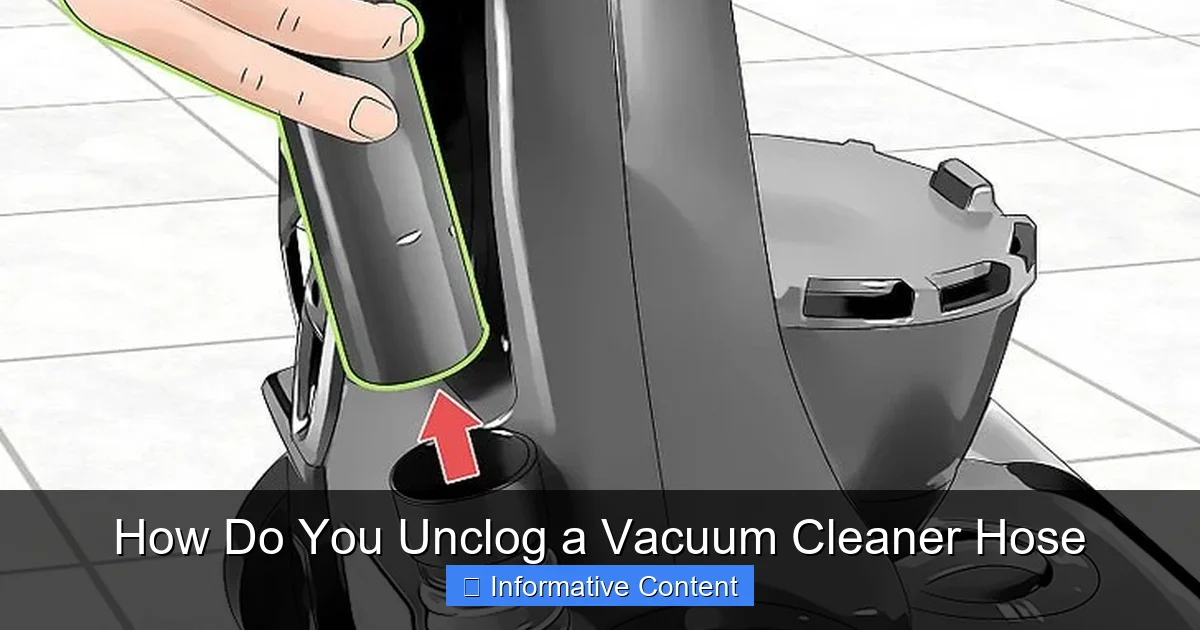
How Do You Unclog a Vacuum Cleaner Hose
Experiencing frustrating loss of vacuum suction? The most common culprit is a clogged hose. This guide provides a detailed, step-by-step approach to safely diagnose and unclog a vacuum cleaner hose using simple tools, helping you restore your vacuum’s performance and prevent future blockages with practical maintenance tips.
There are few household chores more satisfying than a freshly vacuumed floor, leaving your carpets fluffed and hard surfaces sparkling. But then, the dreaded moment arrives: your trusty vacuum cleaner suddenly loses its powerful roar, replaced by a pathetic wheeze. You glide it over a crumb, and… nothing. The suction is gone, the motor sounds strained, and frustration quickly builds. Before you contemplate replacing your entire unit, take a deep breath. More often than not, the culprit isn’t a broken motor or a failing component; it’s a simple, albeit annoying, blockage, and the most common place for it to occur is right in the hose.
A clogged vacuum hose can turn a quick cleaning task into a prolonged battle against dust and debris. From pet hair tufts to rogue socks, small toys, or even just an accumulation of dust and lint, these obstructions can significantly impede your vacuum’s performance, leading to overheating and even potential damage if left unaddressed. The good news? You don’t need to be a repair technician to fix this common issue. With a little patience, the right tools, and this detailed guide, you’ll learn exactly **how do you unclog a vacuum cleaner hose** and have your vacuum sucking up dirt like new in no time. Let’s get started on restoring your cleaning power!
Key Takeaways
- Safety First: Always unplug your vacuum cleaner before attempting any inspection or unclogging to prevent accidental startup and injury.
- Diagnose the Problem: Before tackling the hose, rule out other common issues like a full dustbin, dirty filter, or clogged brush roll.
- Detach and Inspect: Remove the hose from both ends of the vacuum and use a flashlight to visually identify blockages. Gentle flexing can sometimes reveal a clog.
- Use the Right Tools: Simple household items like a broom handle, straightened coat hanger, or a plumber’s snake can effectively dislodge most hose clogs.
- Consider Reverse Suction: For stubborn clogs, a wet/dry vac or carefully used leaf blower can provide powerful reverse suction to clear the blockage.
- Prevent Future Clogs: Regularly pick up large debris, string, and hair before vacuuming, and routinely check and clean your hose and filters to maintain optimal performance.
Quick Answers to Common Questions
What causes a vacuum cleaner hose to clog most often?
Vacuum cleaner hoses commonly clog due to accumulated pet hair, long human hair, large pieces of debris like paper or small toys, or matted dust and lint that compact together over time, restricting airflow.
Can I use water to unclog a vacuum cleaner hose?
It’s generally not recommended to use water, especially if you have a conventional dry vacuum. Water can introduce moisture into the vacuum’s motor or electrical components, leading to damage or electrocution risk. It also makes dust and debris heavier and stickier, potentially worsening the clog.
Is it safe to use a leaf blower to clear a vacuum hose clog?
Using a leaf blower can be effective but requires extreme caution. Always use the lowest power setting, ensure a secure connection, and point the hose away from people and valuable items, as it will create a significant dust cloud. Never use it on a hose still attached to the vacuum cleaner.
How often should I check my vacuum hose for clogs?
While there’s no strict rule, it’s a good habit to quickly inspect your vacuum hose every few uses, especially if you notice any slight decrease in suction or if you’ve recently vacuumed up something unusual. Regular preventive checks can save you from a major blockage.
What if I’ve cleared the hose, but my vacuum still has no suction?
If the hose is clear but suction is still low, check other common clog spots like the brush roll, the main inlet port to the dustbin/bag, and the filters. Ensure the dustbin is empty and all components are correctly reassembled. A full or dirty filter is often the next most likely culprit.
📑 Table of Contents
Diagnosing the Dreaded Clog: Is Your Hose the Culprit?
Before you dive into the nitty-gritty of physically clearing a blockage, it’s smart to confirm that the hose is indeed the problem area. Sometimes, a loss of suction can stem from other, simpler issues.
Signs of a Clog
You’ll usually know something’s wrong if:
- Reduced or No Suction: This is the most obvious sign. Your vacuum isn’t picking up dirt effectively.
- Strange Noises: The motor might sound louder or strained, trying to compensate for the blockage. You might also hear a distinct whistle or gurgle.
- Overheating: A strained motor can cause the vacuum to heat up more than usual.
- Visible Debris: Sometimes, if the clog is close to the nozzle or the collection bin, you might even see the trapped debris.
Quick Checks Before Diving In
Before you blame the hose, perform these quick checks:
- Empty the Dustbin/Bag: A full dustbin or bag is the most common reason for reduced suction. Make sure it’s empty.
- Check and Clean Filters: Clogged or dirty filters can drastically reduce airflow. Consult your vacuum’s manual for filter location and cleaning instructions. Many modern vacuums have washable HEPA filters.
- Inspect the Brush Roll: Turn the vacuum over and check the brush roll. Long hair, string, or threads often get tangled around it, preventing it from spinning and sometimes obstructing the airway near the nozzle. Use scissors to carefully cut away any tangled debris.
- Ensure Proper Assembly: Double-check that all parts—dustbin, hose, attachments—are securely attached. A loose connection can cause air leaks and reduce suction.
If these simple checks don’t resolve the issue, it’s highly likely you have a clog in the hose or another part of the vacuum’s internal pathway.
Safety First: Preparing for the Unclogging Mission
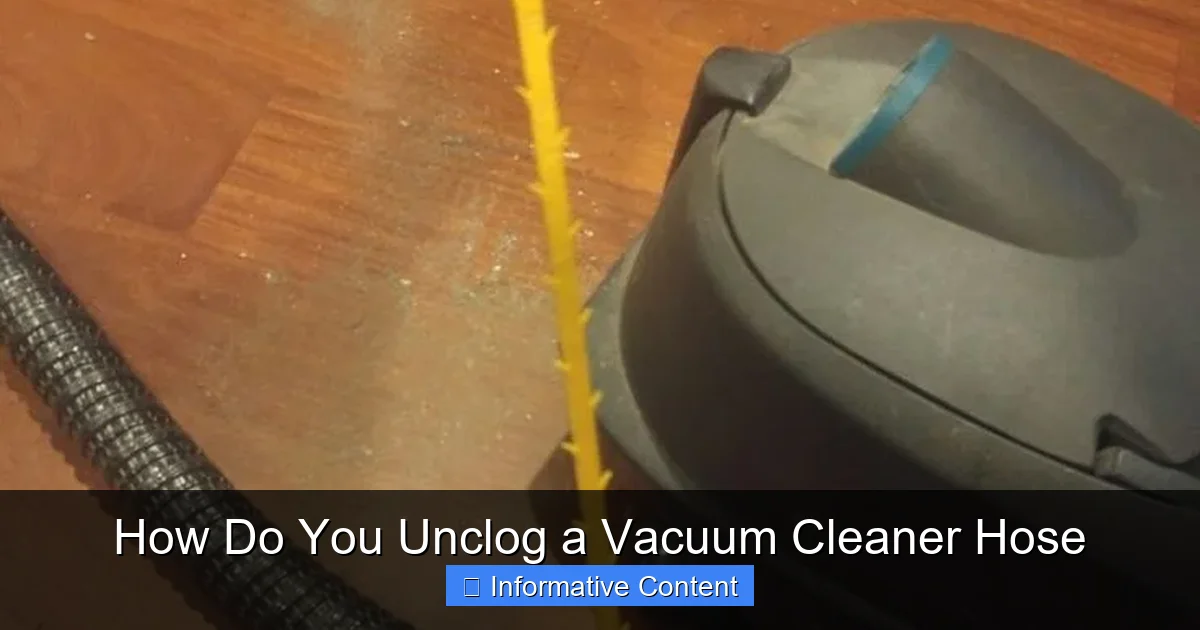
Visual guide about How Do You Unclog a Vacuum Cleaner Hose
Image source: i.pinimg.com
Safety is paramount when working with any electrical appliance. Never skip this step!
Power Down!
The absolute first thing you must do before touching any part of your vacuum cleaner for unclogging is to **unplug it from the wall outlet**. This prevents any accidental power-ups that could cause injury if the motor suddenly starts while your hands are inside the machine. Even if you think it’s off, always unplug it!
Gear Up!
While you won’t need a full workshop, a few items will make the job easier and cleaner:
- Work Gloves: Protect your hands from grime and sharp objects.
- Flashlight: Essential for peering into dark hoses and channels.
- Old Newspaper or Towels: Lay these down to catch any dust, dirt, or debris that might come out of the hose.
- Optional: Dust Mask: If you’re particularly sensitive to dust, a mask can be helpful, especially when dealing with older, very dusty clogs.
Workspace Setup
Choose a well-lit area, preferably outdoors or in a garage if the clog is particularly dirty. Lay down your newspaper or old towels to contain the mess. Having enough space to maneuver the vacuum and its hose freely will make the task much less frustrating.
Step-by-Step Guide: How Do You Unclog a Vacuum Cleaner Hose?
Now that you’re prepared, let’s get down to the actual process of clearing that pesky blockage.
Detach the Hose
This is the critical first step to get proper access.
- Locate Release Latches: Most vacuum hoses are attached with a simple clip, latch, or twist mechanism. Consult your vacuum’s manual if you’re unsure how to detach it.
- Remove from Vacuum Body: Carefully disconnect the hose from where it connects to the main vacuum unit.
- Remove from Attachments/Wand: Also, remove any attachments (like the floor nozzle, wand, or extension tubes) from the other end of the hose. You want to work with the hose as a separate, isolated piece.
Visual Inspection
Once the hose is detached, you can begin the inspection.
- Look Through Both Ends: Hold the hose up to a light source (your flashlight will be very useful here) and peer through each end. Can you see straight through? Often, you might spot the blockage immediately.
- Flex the Hose: Gently squeeze and flex the hose along its entire length. Sometimes, you can feel a firm lump where the clog is located. For flexible hoses, a visible bulge or area that doesn’t compress as easily can indicate a blockage.
The “Push-Through” Method
This is often the most effective method for solid clogs.
- Choose Your Tool: You’ll need something long and stiff, but not sharp, that can fit inside the hose.
- Broom Handle: A slender broom handle (or a dowel rod) works well for larger diameter hoses.
- Straightened Wire Coat Hanger: For narrower hoses or hard-to-reach clogs, a straightened wire coat hanger can be effective. Bend a small hook or loop at one end to prevent scratching the hose interior too much, and to potentially snag the clog.
- Plumber’s Snake: A small household plumber’s snake (or drain snake) is ideal if you have one, as it’s designed to navigate curves.
- Garden Hose: For some hoses, carefully pushing a narrower garden hose through can work, especially if the clog is soft.
- Push Gently but Firmly: Starting from one end, slowly feed your chosen tool into the hose. When you encounter resistance, push gently. The goal is to dislodge the clog, not to push it further in or puncture the hose.
- Work from Both Ends: If the clog doesn’t budge from one side, try pushing from the other end. Sometimes, attacking it from both directions is what it takes.
- Extract the Debris: Once the clog is dislodged, it should fall out, or you might be able to pull it out with your tool. Be ready for a mess!
The “Reverse Suction” or “Blowing Out” Method
For really stubborn clogs, or those that are more diffuse (like matted pet hair), you can try using air pressure.
- Using Another Vacuum: If you have a powerful wet/dry shop vac, you can use it to create reverse suction. Connect the shop vac’s hose to one end of your clogged vacuum hose (you might need to improvise a seal with duct tape or a towel) and turn it on. The strong suction can often pull the clog out the other end.
- Using a Leaf Blower (with extreme caution): A leaf blower can be used to *blow* the clog out. **Warning: This method can be very powerful and dusty.**
- Ensure the leaf blower is set to its lowest power setting.
- Securely attach the leaf blower nozzle to one end of the vacuum hose, making the tightest seal possible.
- Point the other end of the vacuum hose into a trash can or an open area where you don’t mind a dust explosion.
- Give very short bursts of air. The blast of air should force the clog out.
Breaking Up Stubborn Clumps
If you’ve located a solid clog that won’t budge with a push-through, try:
- Gentle Squeezing and Twisting: For flexible hoses, gently squeeze and twist the exterior of the hose around the clog. This can sometimes break it up into smaller, more manageable pieces that can then be pushed out.
- Avoid Aggressive Bending: Don’t bend the hose sharply or aggressively, as this can crack or damage the hose material, especially older or cheaper hoses.
Once you believe you’ve cleared the clog, reattach the hose to your vacuum and test the suction. If it’s back to normal, congratulations! If not, you might have another clog in a different part of the vacuum.
Beyond the Hose: Other Common Clog Hotspots
While the hose is a prime suspect, other areas can also become blocked, leading to a loss of suction. If clearing the hose didn’t solve the problem, check these spots next.
Nozzle and Brush Roll
Even if you checked this earlier, it’s worth a more thorough inspection if suction is still low. Hair, threads, and larger debris can get jammed in the opening where the hose connects to the floor nozzle, or around the rotating brush itself. Carefully remove the bottom plate of the nozzle (if possible on your model) to access and clear any obstructions.
Wand and Extension Tubes
If your vacuum has a wand or extension tubes that connect the hose to the floor nozzle, these can also become clogged, especially if they are telescopic. Detach them and use the flashlight and push-through method (like with the main hose) to clear them.
Inlet Port and Dust Cup/Bag Connection
The opening on the vacuum cleaner’s main body where the hose attaches is called the inlet port. Sometimes, large debris gets stuck here, just before entering the dust cup or bag. Similarly, the entry point into the dust bag or canister can also get jammed. Look carefully into these areas for obstructions. You might need to use a smaller tool, like tongs or needle-nose pliers, to retrieve items from these tighter spaces.
Prevention is Key: Keeping Your Vacuum Clog-Free
Now that you know **how do you unclog a vacuum cleaner hose**, let’s talk about how to prevent it from happening again. A little proactive maintenance goes a long way!
Pre-Vacuuming Tips
- Pick Up Large Objects: Before you even turn on your vacuum, do a quick scan of the floor. Pick up coins, small toys, paper clips, pens, pet chews, and any other large or hard items that could easily get sucked up and create a blockage.
- Deal with Long Hair and String: If you have pets or family members with long hair, or if there’s string and thread on the floor, consider picking up the largest clumps by hand. These are notorious for wrapping around brush rolls and creating dense clogs in the hose.
Regular Maintenance
- Empty Dustbin/Change Bag Regularly: Don’t wait until it’s overflowing. A full dustbin reduces suction and forces the vacuum to work harder, increasing the chance of clogs forming.
- Clean Filters: Follow your manufacturer’s recommendations for cleaning or replacing filters. Clean filters ensure optimal airflow and prevent dust from recirculating or building up in the system.
- Inspect Hose Periodically: Every few cleanings, quickly detach and visually inspect your vacuum hose. It only takes a minute and can help you spot a small build-up before it becomes a full-blown clog.
Smart Vacuuming Habits
- Avoid Wet Messes: Unless you have a specific wet/dry vacuum, never vacuum wet spills. Wet debris will clump together, stick to the inside of the hose, and create very difficult clogs.
- Don’t Vacuum Fine Powders in Excess: Things like drywall dust, fireplace ash, or large quantities of baking soda can quickly overwhelm filters and create a very fine, dense clog that is hard to remove. Use specific attachments or methods for these types of messes.
- Go Slow in High-Traffic/Pet Areas: When vacuuming areas with a lot of pet hair or high foot traffic, slow down. This allows the vacuum more time to effectively pick up debris without overloading the system and creating clogs.
A clear vacuum cleaner hose is fundamental to your vacuum’s performance. The frustration of lost suction is a universal experience for homeowners, but by understanding the common causes and knowing **how do you unclog a vacuum cleaner hose**, you’re now empowered to tackle this problem head-on. Regular inspection and simple preventative measures will not only save you time and hassle but also extend the life of your appliance. So, the next time your vacuum starts to wheeze, you’ll have the knowledge and confidence to get it back to its powerful best, ensuring your home stays spotless and your cleaning tasks remain satisfyingly efficient. Happy vacuuming!
Frequently Asked Questions
What are the first steps to take when my vacuum loses suction?
When your vacuum loses suction, first check the simplest culprits: ensure the dustbin or bag is empty, inspect and clean the filters, and make sure all parts like the hose and attachments are securely connected. These issues are often quicker to resolve than a deep clog.
Can a clogged hose damage my vacuum cleaner?
Yes, a persistent clog can damage your vacuum. When airflow is restricted, the motor has to work much harder to create suction, leading to overheating, premature wear and tear on motor components, and potentially shortening the lifespan of your vacuum cleaner.
What household items can I use to clear a vacuum hose?
For clearing a vacuum hose, common household items like a broom handle (for larger hoses), a straightened wire coat hanger (bent with a small hook), or a garden hose can be effective. A plumber’s snake is also an excellent tool if you have one on hand.
How do I prevent hair from clogging my vacuum hose?
To prevent hair clogs, regularly remove large clumps of hair from the floor by hand before vacuuming. You can also use specific vacuum attachments designed for pet hair, and routinely cut tangled hair from the brush roll to stop it from migrating into the hose.
Is it normal for a vacuum hose to clog frequently?
While occasional clogs can happen, frequent clogging usually indicates an underlying issue. This might be due to consistently vacuuming up inappropriate items, a worn-out hose with internal snags, or insufficient regular maintenance like not emptying the dustbin or cleaning filters often enough.
Should I try to disassemble the vacuum to find a clog if the hose is clear?
If the hose is clear and suction is still poor, you might need to check other areas like the brush roll housing or the inlet port. However, avoid disassembling complex internal parts unless you are comfortable and familiar with your vacuum’s mechanics, as it could void your warranty or cause further damage. Consult your manual or a professional if unsure.