How Do You Get Rid of a Vacuum Cleaner
When you ponder how do you get rid of a vacuum cleaner, you have several responsible options beyond just tossing it in the trash. Always consider repairing it first, donating it if it’s still functional, or recycling it through designated e-waste programs. Prioritizing these eco-friendly methods helps minimize environmental impact and ensures proper disposal of electronic waste, making a positive difference for our planet.
How Do You Get Rid of a Vacuum Cleaner
So, the time has come. Your trusty vacuum cleaner, once a powerhouse against dust bunnies and pet hair, is now wheezing its last breath. Or maybe it’s perfectly functional, but you’ve upgraded to a sleek new model, leaving your old friend to gather dust in the garage. Whatever the reason, you’re now faced with the age-old question: “How do you get rid of a vacuum cleaner?” It’s a common dilemma, and one that deserves a thoughtful, responsible answer.
It might seem like a simple task to just toss it in the bin, but that’s rarely the best or most environmentally friendly solution. Vacuum cleaners, like many other household appliances, contain various materials – plastics, metals, electronic components, and sometimes even hazardous substances like lead or mercury in older models. Improper disposal can harm our planet, filling up landfills unnecessarily and leaching toxins into the environment. But don’t worry, navigating the world of appliance disposal isn’t as daunting as it sounds! This comprehensive guide will walk you through all your options, ensuring you know exactly how do you get rid of a vacuum cleaner responsibly and with ease.
Let’s dive into the best ways to say goodbye to your old vacuum, whether it’s still humming along or completely kaput. We’ll cover everything from simple repairs to eco-friendly recycling, making sure you make the best choice for both your home and the environment.
Key Takeaways
- Assess Repairability First: Before disposal, troubleshoot common issues like clogs or belt problems. A simple fix can often extend your vacuum’s life and save you money.
- Prioritize Donation for Working Units: If your vacuum cleaner is still in good working order but you no longer need it, donating it to a charity, school, or shelter is an excellent, eco-friendly option.
- Recycle Non-Working Vacuums as E-Waste: Most vacuum cleaners are considered e-waste due to their electronic components. Seek out local e-waste recycling centers or special collection events for proper disposal.
- Check Local Regulations for Disposal: Rules for how do you get rid of a vacuum cleaner vary by municipality. Always check your local waste management website for specific guidelines on bulky item collection or recycling programs.
- Consider Retailer Take-Back Programs: Some electronics retailers offer take-back or recycling programs for old appliances when you purchase a new one, providing a convenient disposal method.
- Prepare Your Vacuum for Disposal: Before donating or recycling, ensure you empty the dustbin, remove any batteries, and clean the unit as much as possible to make it easier for the next step.
Quick Answers to Common Questions
How do you get rid of a vacuum cleaner if it still works but I don’t need it?
If your vacuum cleaner is still in good working condition, the best way to get rid of it is to donate it. Consider local charities like Goodwill or the Salvation Army, or offer it for free on online marketplaces like Freecycle or Facebook Marketplace.
Can I put my old vacuum cleaner in the regular trash?
Generally, no. Most municipalities classify vacuum cleaners as e-waste or bulky items, which should not go into regular household trash. Always check your local waste management rules to avoid fines and ensure proper disposal.
Where can I recycle a broken vacuum cleaner?
You can recycle a broken vacuum cleaner at local e-waste recycling centers, during special e-waste collection events organized by your city or county, or sometimes through retailer take-back programs when you purchase a new appliance.
Do I need to do anything to my vacuum cleaner before recycling it?
Yes, before recycling, you should empty the dustbin or remove the bag. If your vacuum has a removable battery (common in cordless models), it’s best to remove it as batteries often require separate recycling.
What is WEEE and how does it relate to vacuum cleaner disposal?
WEEE stands for Waste Electrical and Electronic Equipment. It’s a directive (especially in the EU) that guides the responsible disposal and recycling of electronic items, including vacuum cleaners, to reduce environmental impact and recover valuable materials.
📑 Table of Contents
Before You Say Goodbye: Can It Be Saved?
Before you even think about how do you get rid of a vacuum cleaner, take a moment to consider if it truly needs to go. Many common vacuum problems are surprisingly easy to fix, potentially saving you money and delaying the need for disposal.
Troubleshooting Common Issues
Sometimes, a vacuum cleaner that seems “broken” just needs a little TLC.
- Check for Clogs: This is by far the most common issue. Hoses, brush rolls, and filters can all get jammed with dirt, hair, or even small toys. Unplug the vacuum and carefully check all accessible areas for blockages.
- Inspect the Belt: If your brush roll isn’t spinning, the drive belt might be broken or stretched. Replacement belts are inexpensive and relatively easy to install for most models.
- Clean or Replace Filters: A dirty filter can drastically reduce suction power. Many filters are washable, while others need to be replaced periodically. Check your vacuum’s manual for guidance.
- Empty the Dustbin/Bag: While obvious, sometimes a full bag or bin is the only culprit for poor performance!
- Check for Power Issues: Ensure the power cord isn’t damaged, and the outlet is working correctly. Sometimes, it’s just a tripped circuit breaker.
A quick online search for your vacuum cleaner’s model number and the specific problem can often yield a simple DIY solution.
Repair vs. Replace: Making the Decision
If troubleshooting doesn’t work, you’re at a crossroads. Should you invest in professional repair, or is it time for a new model? Consider these factors:
- Age of the Vacuum: Older vacuums, especially those past their warranty, might not be worth the cost of significant repairs.
- Cost of Repair: Get a quote. If the repair cost approaches the price of a new, comparable vacuum, replacement often makes more sense.
- Availability of Parts: For very old or obscure models, finding replacement parts can be difficult or expensive.
- Environmental Impact: Extending the life of an appliance through repair is almost always more eco-friendly than buying new.
If your vacuum is relatively new or the repair is minor, fixing it is generally the best choice. This approach can delay having to figure out how do you get rid of a vacuum cleaner for years to come.
The Eco-Friendly Route: Donation & Recycling
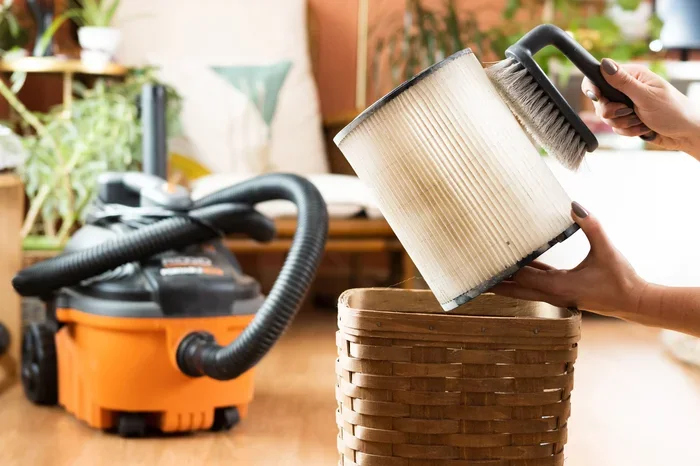
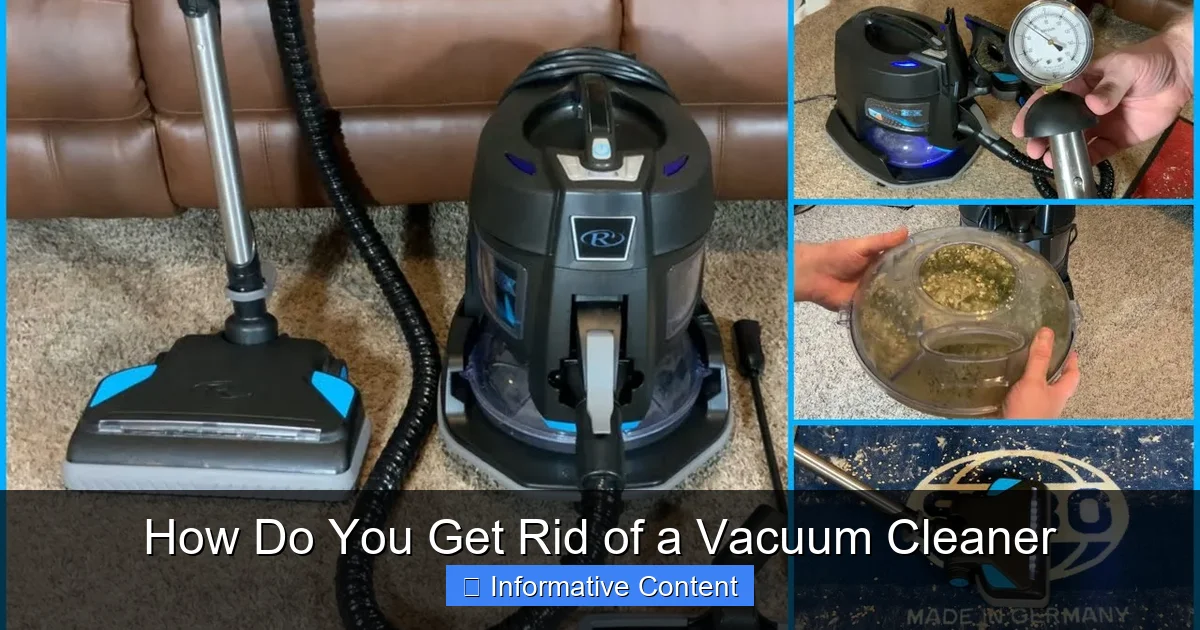
Visual guide about How Do You Get Rid of a Vacuum Cleaner
Image source: diyseattle.com
If your vacuum cleaner truly can’t be saved, or you simply no longer need it, responsible disposal is key. The best options often involve donation or recycling.
Donating Working Vacuums
If your vacuum cleaner is still functional and in reasonable condition, giving it a second life through donation is a fantastic option. This helps others in need and keeps usable items out of landfills.
- Charity Organizations: Many local charities, such as Goodwill, Salvation Army, or Habitat for Humanity ReStores, accept working small appliances. Call ahead to confirm their current acceptance policies.
- Local Shelters or Community Centers: Women’s shelters, homeless shelters, or community centers might be in need of functional vacuum cleaners.
- Schools or Non-Profits: Smaller local schools or non-profit organizations could also benefit from a donated vacuum cleaner.
- Online Marketplaces (Free): Sites like Craigslist, Facebook Marketplace, or Freecycle allow you to list items for free pickup. This is a great way to find someone in your local community who could use your old vacuum.
Before donating, make sure the vacuum is clean, empty the dustbin or replace the bag, and include any attachments if possible. This makes it more appealing and useful to its next owner. This is an excellent answer to how do you get rid of a vacuum cleaner if it’s still working.
Recycling Non-Working Vacuums (E-Waste)
For vacuums that are truly broken and beyond repair, recycling is the most responsible choice. Vacuum cleaners are considered “e-waste” (electronic waste) because they contain various electronic components and materials that should be processed properly.
- Local E-Waste Recycling Centers: Many municipalities have dedicated e-waste recycling facilities or special collection events. Check your city or county’s waste management website for details on locations, hours, and accepted items.
- Retailer Take-Back Programs: Some electronics retailers, especially those selling vacuum cleaners, offer take-back programs. When you purchase a new vacuum, ask if they will recycle your old one. Best Buy, for example, often has an electronics recycling program.
- Household Hazardous Waste (HHW) Facilities: In some areas, e-waste might be collected alongside household hazardous waste. Again, your local waste management website is the best resource.
- Manufacturer Recycling Programs: A few vacuum cleaner manufacturers offer their own recycling programs. Check their websites directly.
Preparing Your Vacuum for Recycling
Proper preparation ensures the recycling process is efficient and safe.
- Empty the Dustbin/Bag: Always remove and dispose of any dirt, dust, or debris. If it uses bags, remove the bag.
- Remove Batteries: If your vacuum cleaner (especially cordless models) has a removable battery, take it out. Batteries often require separate recycling due to their chemical composition. Many hardware stores or electronics retailers have battery recycling drop-offs.
- Clean it (Optional but Recommended): While not strictly necessary for recycling, a reasonably clean vacuum is often appreciated by recycling facility staff.
Understanding how do you get rid of a vacuum cleaner through e-waste channels is a crucial step towards environmental responsibility.
Responsible Disposal: Landfill vs. Specialized Services
Sometimes, donation or dedicated recycling facilities might not be readily available in your area, or the vacuum’s condition makes it unsuitable for those options. In these cases, you might need to explore other disposal methods.
When Landfill is the Last Resort
While not ideal, there are circumstances where regular trash disposal, often as “bulky waste,” is the only practical option. However, this varies significantly by location.
- Check Local Rules: *Never* assume you can just throw a vacuum cleaner into your regular trash bin. Many municipalities have strict rules against putting electronic items or bulky waste with general household garbage. You could face fines if you don’t follow local guidelines.
- Bulky Waste Collection: Many cities offer special bulky waste collection services. You might need to schedule a pickup, pay a small fee, or place the item at the curb on a specific “bulky trash day.” This is often the process for how do you get rid of a vacuum cleaner if direct recycling isn’t feasible and it’s too large for regular waste.
Always exhaust donation and recycling options first before considering this route.
Specialized Junk Removal Services
If you have multiple bulky items to get rid of, or simply lack the means to transport your vacuum to a recycling center, a junk removal service might be a convenient, albeit potentially costly, solution.
- How They Work: These companies will come to your home, pick up your unwanted items (including old vacuum cleaners), and dispose of them responsibly. Many of them strive to recycle or donate items whenever possible, minimizing landfill waste.
- Benefits: Convenience, especially for heavy or multiple items.
- Considerations: Costs can add up, so get a quote beforehand.
This service can be a good answer to how do you get rid of a vacuum cleaner without lifting a finger, assuming your budget allows.
Repurposing and Upcycling: Creative Ideas
For the truly creative, exploring how do you get rid of a vacuum cleaner can lead to surprising repurposing projects. While not suitable for everyone or every vacuum, it’s a fun thought.
Salvaging Parts for Other Uses
Even a non-working vacuum can have useful components:
- Hoses: Old vacuum hoses can be repurposed for various tasks, like directing dust away from a power tool in a workshop, or even as part of a homemade drainage system for a small garden.
- Attachments: The various brushes and nozzles can sometimes find new life as cleaning tools for other purposes, or even as props for imaginative play.
- Motors (for advanced DIYers): If you’re mechanically inclined, the motor might be salvaged for other small DIY projects, though this requires electrical knowledge and safety precautions.
Artistic Projects
For the artistically inclined, the unique shapes and components of an old vacuum cleaner can be transformed into quirky sculptures or steampunk-inspired art pieces. This is a niche but incredibly creative way to think about how do you get rid of a vacuum cleaner.
Understanding WEEE and E-Waste Regulations
Across the globe, there’s a growing awareness of the environmental impact of electronic waste. Understanding WEEE (Waste Electrical and Electronic Equipment) directives and similar e-waste regulations is key to responsible disposal.
What is WEEE?
WEEE is a European Union directive designed to address the environmental impact of electronic waste. It places responsibility on manufacturers for the end-of-life treatment of their products. Similar regulations exist in other countries, often guiding how e-waste, including vacuum cleaners, should be collected and processed. These regulations aim to:
- Reduce Landfill Waste: By diverting electronics from landfills.
- Promote Recycling: Encouraging the recovery of valuable materials.
- Prevent Pollution: Ensuring hazardous substances are handled safely.
Importance of Proper E-Waste Disposal
Vacuum cleaners, especially older models, can contain materials like PVC, lead, cadmium, and mercury. When these items are thrown into general trash and end up in landfills, these hazardous substances can leach into the soil and water, posing serious risks to ecosystems and human health. Proper e-waste recycling ensures these materials are either safely disposed of or, ideally, recovered and reused in new products. This is why knowing how do you get rid of a vacuum cleaner correctly is so important.
Local Regulations and Resources
Because e-waste regulations and recycling infrastructure can vary significantly from one city, county, or country to another, always consult your local authorities.
- City/County Waste Management Websites: These are your go-to resource for specific instructions on how do you get rid of a vacuum cleaner. They will list recycling centers, bulky waste pickup schedules, and any specific requirements.
- Government Environmental Agencies: National or regional environmental protection agencies often provide general guidelines and resources for e-waste disposal.
- Call Customer Service: If you’re unsure, a quick call to your local waste management department can provide clear instructions.
Conclusion
Deciding how do you get rid of a vacuum cleaner doesn’t have to be a confusing or guilt-inducing task. By understanding your options and prioritizing responsible, eco-friendly methods, you can ensure your old appliance doesn’t become an environmental burden.
Start by troubleshooting – a simple fix might give your vacuum a new lease on life. If it’s truly time to part ways, consider donation if it’s still working, or recycling through designated e-waste programs if it’s broken. Always check your local waste management guidelines for specific instructions on bulky waste or electronic disposal, as rules can vary. Whether it’s a trusty upright, a nimble stick vacuum, or a robotic helper, every old vacuum cleaner deserves a proper farewell that benefits our planet. Your mindful choice makes a real difference!
Frequently Asked Questions
How long does a typical vacuum cleaner last?
The lifespan of a vacuum cleaner varies greatly by brand, model, and usage, but on average, a good quality vacuum can last anywhere from 5 to 8 years. Regular maintenance, such as cleaning filters and checking belts, can significantly extend its life.
Are cordless vacuums recycled differently than corded ones?
Not necessarily in terms of the general recycling facility, but cordless vacuums often contain rechargeable lithium-ion batteries. These batteries should ideally be removed and recycled separately at designated battery recycling points before the main unit is taken for e-waste recycling.
Can I sell my old vacuum cleaner?
Yes, if your vacuum cleaner is in good working condition and a relatively popular model, you can try selling it online through platforms like eBay, Facebook Marketplace, or local classifieds. Be honest about its condition and price it fairly to find a buyer.
What are the environmental benefits of recycling a vacuum cleaner?
Recycling a vacuum cleaner helps recover valuable materials like metals and plastics, reducing the need for new raw materials. It also prevents hazardous substances (found in some electronics) from polluting soil and water in landfills, contributing to a healthier environment.
Do vacuum cleaner manufacturers offer take-back programs?
Some larger vacuum cleaner manufacturers or electronics retailers do offer take-back or recycling programs, especially if you’re purchasing a new unit from them. It’s always worth checking their website or asking in-store about their specific policies for old appliances.
Is it ever okay to just throw a vacuum in the general trash bin?
Generally, it is not recommended or allowed to throw a vacuum cleaner in the general trash bin due to its size and electronic components. Most areas have specific rules for bulky waste or e-waste. Always check your local waste management guidelines to avoid improper disposal and potential fines.