How Bagless Vacuum Cleaner Works
Bagless vacuum cleaners revolutionize cleaning by ditching traditional bags for innovative cyclonic separation. They use a powerful motor to create suction, drawing air and debris into a chamber where centrifugal force spins dirt out of the airflow, depositing it into a clear dustbin. This process, combined with multi-stage filtration, ensures consistent suction and cleaner exhaust air, making them an efficient, eco-friendly, and cost-effective choice for modern homes.
How Bagless Vacuum Cleaner Works
Have you ever wondered about the quiet revolution that happened in the world of home cleaning? For decades, vacuuming meant dealing with dusty, sometimes smelly, bags that needed constant replacement. Then, along came the bagless vacuum cleaner, changing the game entirely. Suddenly, cleaning was more convenient, arguably more hygienic, and certainly more fascinating! If you’re curious about the ingenious engineering behind these modern marvels, you’re in the right place.
Gone are the days of guessing when your vacuum bag is full or rummaging through the cupboard for a spare. Bagless vacuums offer a transparent window into your cleaning success – literally! But how do they manage to suck up all that dirt and dust without a bag in sight? It’s not magic, but rather a clever application of physics and design. Let’s dive deep into the fascinating world of bagless technology and uncover exactly how a bagless vacuum cleaner works its wonders, transforming your dusty floors into spotless surfaces.
Key Takeaways
- Cyclonic Separation is Key: Bagless vacuums leverage centrifugal force to separate dust and debris from the air within a cyclone chamber, eliminating the need for disposable bags.
- No More Bags, Just a Bin: Instead of collecting dirt in a bag, these cleaners deposit debris into a transparent, easy-to-empty dustbin, offering convenience and visibility.
- Multi-Stage Filtration System: Beyond cyclonic action, bagless vacuums employ multiple filters (pre-motor and post-motor, often HEPA) to capture fine dust particles and allergens, ensuring cleaner air exhausts.
- Consistent Suction Power: Because there’s no bag to clog and restrict airflow, bagless cleaners generally maintain stronger, more consistent suction throughout the cleaning process.
- Eco-Friendly and Cost-Effective: By eliminating disposable bags, bagless models reduce waste and save money over time, contributing to a more sustainable cleaning routine.
- Regular Maintenance is Crucial: To maintain optimal performance and filtration efficiency, users must regularly empty the dustbin and clean or replace the various filters.
Quick Answers to Common Questions
What is the main principle behind how a bagless vacuum cleaner works?
The main principle is cyclonic separation, where centrifugal force is used to spin dust and debris out of the airflow, collecting it in a dustbin rather than a bag.
Do bagless vacuums have filters?
Yes, bagless vacuums have multiple filters, typically pre-motor filters to protect the motor and post-motor filters (often HEPA) to capture fine particles before expelling air.
How often should I empty the dustbin of a bagless vacuum?
It’s best to empty the dustbin after every significant cleaning session or when it reaches the “max fill” line to maintain optimal suction power.
Can bagless vacuums lose suction?
Yes, bagless vacuums can lose suction if the dustbin is overfull, filters are clogged, or there’s a blockage in the hose or brush roll. Regular maintenance prevents this.
Are bagless vacuums better for allergies?
Many bagless vacuums, especially those with multi-cyclonic technology and HEPA filters, are excellent for allergy sufferers as they trap a high percentage of microscopic allergens and particles, releasing cleaner air.
📑 Table of Contents
The Core Concept: How Bagless Vacuums Break Tradition
Before bagless vacuums became commonplace, the standard vacuum cleaner design relied on a simple principle: a motor creates suction, drawing air and debris into a bag, which acts as a filter to trap the dirt while allowing clean air to pass through. This system worked, but it had its drawbacks. Bags could get clogged, reducing suction power, and replacing them was an ongoing expense and a dusty chore.
Farewell, Dust Bags: A New Era of Cleaning
The bagless vacuum cleaner challenged this long-held tradition by introducing an entirely new method of separating dirt from the air. Instead of relying on a porous bag to catch debris, these machines use a sophisticated system that leverages powerful airflow and clever engineering to achieve the same goal, often with better results. The most significant shift is the replacement of the disposable bag with a reusable, transparent dustbin.
The Fundamental Difference: Airflow and Separation
At its heart, understanding how a bagless vacuum cleaner works boils down to understanding its unique approach to airflow and separation. Instead of filtering debris out of the air stream, bagless vacuums spin it out. This cyclonic action is the cornerstone of their design and the secret to their efficiency. It’s a bit like a miniature tornado happening right inside your cleaning appliance, separating the heavy dirt particles from the lighter air before the air is further filtered and released.
The Heart of the Matter: Cyclonic Separation Explained

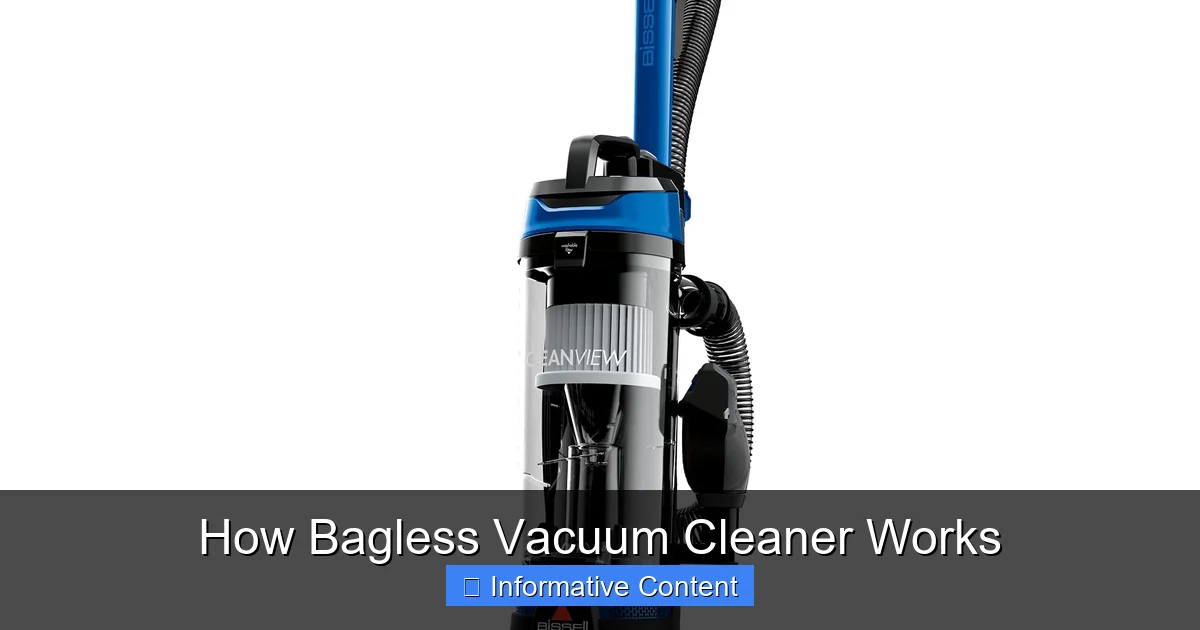
Visual guide about How Bagless Vacuum Cleaner Works
Image source: pdbimg.choice.com.au
The true innovation behind bagless vacuum cleaners lies in their cyclonic separation technology. This is the mechanism that allows them to collect dust and debris without needing a bag. It’s a beautiful dance between physics and engineering that results in a cleaner home.
The Mighty Motor and Fan: Creating the Suction Power
Every vacuum cleaner, whether bagged or bagless, starts with a powerful electric motor and a fan. When you switch on your bagless vacuum, the motor spins the fan at incredibly high speeds. This fan creates a pressure difference: low pressure at the intake nozzle and higher pressure at the exhaust. Nature abhors a vacuum (pun intended!), so air rushes in through the nozzle, carrying with it all the dust, dirt, pet hair, and crumbs from your floors. This high-velocity air stream is the engine of your bagless cleaning machine.
The Cyclone Chamber: Where the Magic Happens
Once the air and debris are sucked into the vacuum, they don’t go straight into a filter or a bag. Instead, they enter what’s known as the “cyclone chamber.” This chamber isn’t just an empty space; it’s carefully designed to force the incoming air into a rapid, swirling motion. Imagine a funnel or a conical container. The air is introduced tangentially, meaning it enters the chamber at an angle, immediately starting to spin around the inner walls.
Centrifugal Force: The Unsung Hero
This is where the magic of centrifugal force comes into play. As the air and debris spin violently within the cyclone chamber, the heavier dust and dirt particles are flung outwards against the walls of the chamber. Think of a spinning carnival ride – you’re pushed against the outer wall. Similarly, the heavier dirt particles, having more inertia, can’t follow the sharp turn of the air as easily. They collide with the chamber walls and, losing velocity, gravity takes over, causing them to fall downwards into the collection bin below. The lighter, cleaner air, meanwhile, continues to spiral upwards towards the center of the cyclone.
Different Cyclonic Designs: Single vs. Multi-Cyclone
You might notice that some bagless vacuums boast about “multi-cyclonic” technology, while others have a single, large cyclone.
- Single Cyclone: In a single cyclone system, all the dirty air passes through one large conical chamber. It’s effective for larger particles, but some fine dust might escape the initial separation.
- Multi-Cyclone: More advanced bagless vacuum cleaner designs often incorporate multiple, smaller cyclones operating in parallel. After the initial separation in a larger cyclone, the remaining air, still containing some fine particles, is then routed through an array of tiny cyclones. These smaller cyclones generate even higher centrifugal forces, making them incredibly efficient at separating out even microscopic dust and allergens. This multi-stage cyclonic action is a key reason why modern bagless vacuums can deliver such excellent filtration performance.
Regardless of whether it’s a single or multi-cyclone system, the core principle remains the same: use rotational airflow and centrifugal force to separate debris from the air. This brilliant design is central to how a bagless vacuum cleaner works so effectively.
The Crucial Role of Filtration in Bagless Systems
While cyclonic separation is incredibly efficient at removing the bulk of dust and debris, it can’t catch everything. Especially tiny, microscopic particles like pollen, pet dander, and fine dust might still be suspended in the air that exits the cyclone chamber. This is where the filtration system steps in, playing a vital role in ensuring that only clean air is expelled back into your home.
Pre-Motor Filters: Catching the Bigger Particles
The first line of defense after the cyclone chamber usually consists of one or more pre-motor filters. These filters are positioned before the vacuum’s motor, protecting it from any dust particles that might have escaped the cyclonic separation. Typically made of foam or pleated fabric, these filters trap any lingering larger particles, preventing them from damaging the motor or reducing its efficiency. These filters are crucial for the longevity of your appliance and need regular cleaning.
Post-Motor Filters (HEPA): Trapping Microscopic Invaders
After passing through the motor, the air often goes through a final, even finer filter, known as the post-motor filter. Many high-quality bagless vacuum cleaners feature a High-Efficiency Particulate Air (HEPA) filter at this stage. A HEPA filter is designed to trap at least 99.97% of airborne particles 0.3 micrometers (µm) in diameter. To give you some perspective, a human hair is about 50-70 µm thick. This means HEPA filters are incredibly effective at capturing allergens, pet dander, mold spores, and even some bacteria and viruses, significantly improving the air quality in your home. This is a major advantage for allergy sufferers, as it means the air exhausted from the vacuum is often cleaner than the air it sucked in!
Filter Maintenance: Keeping Your Air Clean
Understanding how a bagless vacuum cleaner works also means understanding the importance of filter maintenance. Unlike bagged vacuums where the bag itself is the primary filter that gets thrown away, bagless vacuums rely on reusable filters. These filters can become clogged over time, which will diminish suction power and reduce filtration efficiency.
* Rinse and Dry: Most pre-motor and some post-motor filters are washable. It’s essential to regularly remove them, rinse them thoroughly under cold water, and allow them to air dry completely (usually for 24-48 hours) before putting them back into the vacuum. Using a wet filter can damage your vacuum and promote mold growth.
* Tapping and Cleaning: For non-washable filters (often HEPA filters), tapping them gently against a hard surface can dislodge accumulated dust. Some manufacturers recommend using a brush or a smaller vacuum attachment to clean them.
* Replacement: Even washable filters have a lifespan. Over time, the filter material degrades, or microscopic pores become permanently clogged. Manufacturers provide guidelines for how often filters should be replaced, typically every 6 to 12 months, depending on usage.
Proper filter maintenance is key to enjoying the full benefits of how your bagless vacuum cleaner works, ensuring consistent performance and optimal air quality.
From Dust to Dump: Managing the Collected Debris
One of the most user-friendly aspects of how bagless vacuum cleaners work is their debris management system. No more messy bag changes or unexpected trips to the store for replacements.
The Transparent Dustbin: A Window to Your Cleaning Success
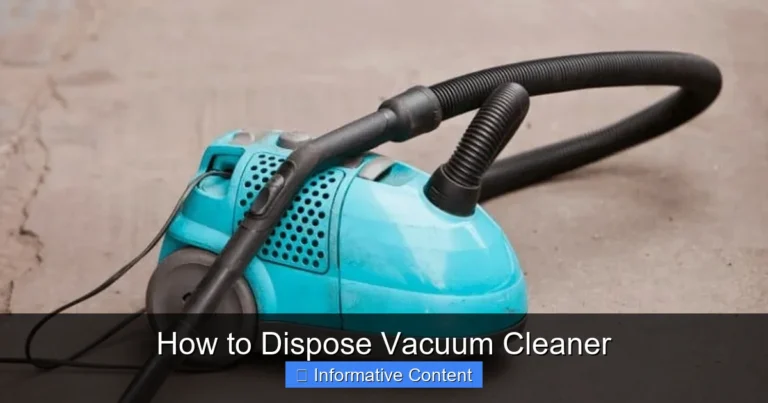
Instead of a hidden bag, bagless vacuums feature a transparent dustbin, also known as a dirt cup or canister. This clever design allows you to visually track your cleaning progress and see just how much dirt and dust you’ve collected. There’s something undeniably satisfying about watching the dust swirl in the cyclone chamber and then seeing it settle in the bin – it’s tangible proof of a job well done! The transparent nature also serves a practical purpose: it lets you know exactly when it’s time to empty the bin, preventing overfilling which can reduce suction.
Easy Emptying: A Mess-Free Process (Mostly!)
Emptying a bagless vacuum cleaner is designed to be a quick and relatively mess-free process. Most models feature a one-touch or quick-release button that detaches the dustbin from the main unit. Once removed, you simply hold the bin over a trash can, press another button or lever, and the bottom of the bin opens, allowing the collected debris to fall out.
While it’s significantly cleaner than wrestling with a full dust bag, a small plume of dust can sometimes escape, especially if the bin is very full or if you empty it indoors. For this reason, many users prefer to empty their bagless vacuum cleaner outdoors or directly into an outdoor trash bin to minimize allergen exposure.
Beyond Emptying: Regular Cleaning and Care
Beyond just emptying the dustbin, regular cleaning of the dustbin itself is recommended. Over time, a fine layer of dust and grime can accumulate on the inner walls of the bin. Most dustbins are made of durable plastic and can be easily washed with warm, soapy water. Just make sure it’s completely dry before reattaching it to the vacuum to prevent moisture damage to the motor or filter systems. This simple step ensures optimal hygiene and prevents any lingering odors. Regularly cleaning all components, from the brushes to the filters and dustbin, is part and parcel of maintaining a bagless vacuum cleaner for peak performance.
Why Go Bagless? Benefits and Considerations
Now that we’ve explored the intricate details of how a bagless vacuum cleaner works, let’s consider why so many people have made the switch and what benefits they offer, along with a few practical tips.
Environmental Friendliness and Cost Savings
One of the most compelling reasons to choose a bagless vacuum is its positive impact on your wallet and the planet.
- No More Disposable Bags: By eliminating the need for disposable bags, you significantly reduce household waste. This translates to fewer bags ending up in landfills, making bagless vacuums a more environmentally conscious choice.
- Long-Term Savings: The recurring cost of purchasing vacuum bags adds up over time. With a bagless model, that expense is completely removed, offering substantial long-term savings.
Consistent Suction Power
This is a major performance advantage. In a traditional bagged vacuum, as the bag fills with dust, the pores in the bag’s material become clogged. This restricts airflow, leading to a noticeable drop in suction power. Your vacuum becomes less effective, and you might find yourself going over the same spot multiple times.
With a bagless vacuum cleaner, the cyclonic separation process and distinct filter system mean that the primary dirt collection point (the dustbin) doesn’t rely on filtering. The air passes through the cyclone, depositing dirt, and then moves to the filters. As long as the dustbin is emptied regularly and the filters are cleaned/replaced, the airflow remains largely unobstructed, maintaining powerful and consistent suction throughout your cleaning session. This is a fundamental aspect of how bagless vacuum cleaner works to deliver reliable performance.
Practical Tips for Optimal Performance
- Empty Frequently: Don’t wait until the dustbin is overflowing. For optimal suction, empty it after every significant cleaning session, or when it reaches the “max fill” line.
- Clean Filters Regularly: As mentioned, clean washable filters according to manufacturer instructions. This often means every 3-6 uses or monthly, depending on how often you vacuum and how dusty your home is.
- Check for Clogs: If suction drops suddenly, check the hose, brush roll, and intake nozzle for clogs, especially from pet hair or larger debris.
- Replace Filters When Needed: Even washable filters need replacement eventually. Mark your calendar to replace them annually or as recommended by the manufacturer. This is crucial for maintaining both suction and air quality.
- Mind the Mess: When emptying, consider doing it outdoors or directly into a sealed trash can to minimize dust re-entering your home, especially if you have allergies.
Conclusion
The bagless vacuum cleaner truly represents a significant leap forward in home cleaning technology. By embracing the principles of cyclonic separation and multi-stage filtration, these machines offer a powerful, efficient, and environmentally friendly way to keep our homes spotless. Understanding how a bagless vacuum cleaner works – from the initial powerful suction generated by the motor, through the captivating swirl of the cyclone chamber, to the final purification by the filters – reveals a sophisticated design aimed at convenience and performance.
From the satisfaction of seeing the dirt accumulate in the transparent dustbin to the consistent, powerful suction that tackles tough messes, bagless vacuums have firmly established their place in modern households. While they do require a bit more attention to filter maintenance, the benefits of cost savings, reduced waste, and improved air quality make them an excellent choice for anyone looking for an effective and sustainable cleaning solution. So, the next time you power up your bagless vacuum, take a moment to appreciate the clever science at play, making your cleaning routine just a little bit easier and a lot more efficient.
Frequently Asked Questions
How does a bagless vacuum cleaner work without a bag?
A bagless vacuum cleaner works by using cyclonic technology. Instead of a bag, it employs a cone-shaped chamber where air and debris spin at high speeds. Centrifugal force pushes the heavier dirt particles to the chamber’s outer walls, causing them to fall into a collection bin, while cleaner air continues through the system.
What are the main components of a bagless vacuum cleaner?
The main components include a powerful motor and fan for suction, a cyclonic separation chamber, a transparent dustbin for collecting debris, and a series of filters (pre-motor and post-motor, often HEPA) to ensure clean air is expelled.
Is it messy to empty a bagless vacuum cleaner?
Emptying a bagless vacuum cleaner is generally designed to be easy with one-touch release buttons. While a small dust plume can sometimes occur, especially if the bin is very full, many users empty it outdoors or directly into a trash can to minimize mess and allergen exposure.
Do bagless vacuums require more maintenance than bagged ones?
Bagless vacuums require different maintenance. While you don’t buy bags, you need to regularly empty the dustbin and clean or replace the various filters (e.g., rinsing washable filters) to maintain optimal performance and filtration efficiency.
What are the benefits of using a bagless vacuum cleaner?
Benefits include cost savings from not buying bags, reduced environmental waste, consistent suction power due to unobstructed airflow, and improved air quality through multi-stage filtration, especially with HEPA filters.
How often should I clean the filters in my bagless vacuum?
The frequency depends on usage and manufacturer recommendations, but generally, washable pre-motor filters should be rinsed every 3-6 uses or monthly. Post-motor or HEPA filters might need tapping clean more often and replacement every 6-12 months.