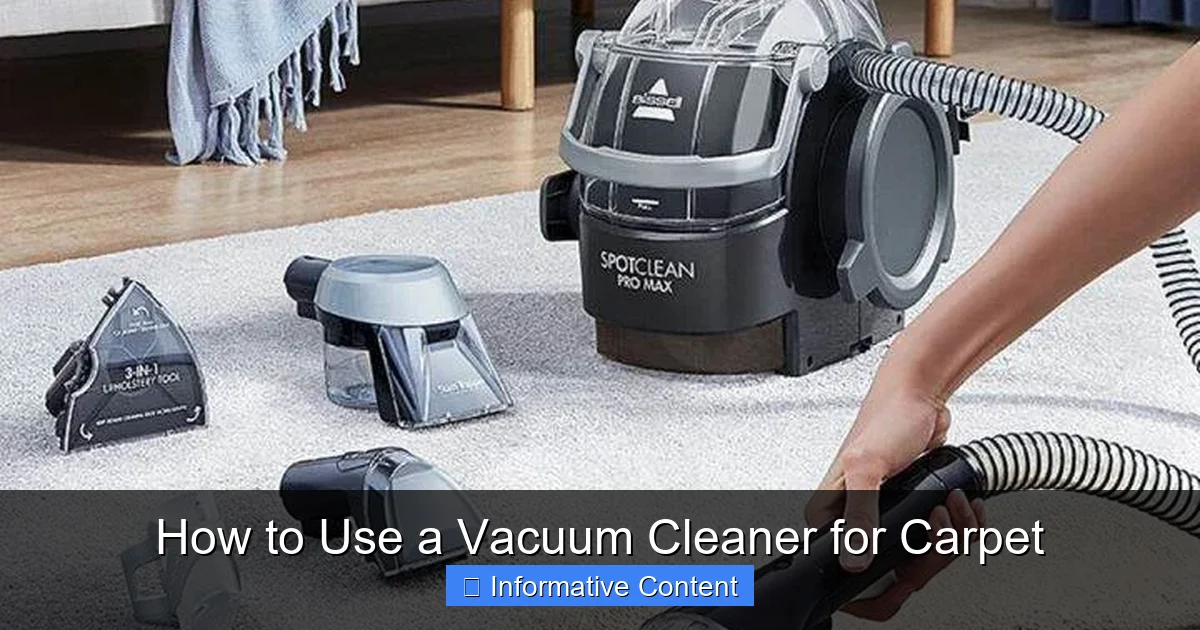
How to Use a Vacuum Cleaner for Carpet
Mastering how to use a vacuum cleaner for carpet is key to a truly clean home and extending your carpet’s life. This guide covers everything from selecting the ideal vacuum and preparing your space to employing proper techniques and maintaining your machine, ensuring your carpets always look their best. Follow these steps for deep cleaning and lasting freshness.
How to Use a Vacuum Cleaner for Carpet
There’s something wonderfully satisfying about a freshly vacuumed carpet. The neat lines, the fluffy feel underfoot, and the distinct scent of cleanliness all contribute to a feeling of peace and order in your home. But getting that truly deep clean isn’t just about pushing a machine around; it’s an art and a science. Learning how to use a vacuum cleaner for carpet effectively can transform your living space, protect your investment, and even improve your indoor air quality.
Many of us grew up watching a parent or guardian vacuum, assuming it was a simple, straightforward chore. While the basic action is indeed simple, mastering the nuances of how to use a vacuum cleaner for carpet – from selecting the right machine to employing the best techniques – can make a huge difference. You’ll not only get a cleaner carpet, but you’ll also extend its life, prevent premature wear, and ensure your home always looks its best. Let’s dive into the ultimate guide to achieving pristine carpets, making this often-dreaded chore a satisfying part of your home maintenance routine.
Key Takeaways
- Choose the Right Vacuum: Select a vacuum cleaner with adjustable brush roll height and strong suction, suited for your specific carpet type (low, medium, or high pile) to prevent damage and ensure effective cleaning.
- Prepare Your Area Thoroughly: Before vacuuming, clear the floor of small objects, lift light furniture, and address any visible spots or stains to allow for an unobstructed and comprehensive clean.
- Master Proper Technique: Vacuum slowly, using overlapping strokes in a crisscross pattern, allowing the vacuum ample time to lift dirt and dust from carpet fibers, especially in high-traffic areas.
- Don’t Forget Edges and Crevices: Utilize your vacuum’s attachments, such as the crevice tool and upholstery brush, to clean along baseboards, under furniture, and in corners where main vacuum heads can’t reach.
- Maintain Your Vacuum Cleaner: Regularly empty the dustbin, clean or replace filters, check the brush roll for tangles, and inspect belts and hoses to ensure your vacuum operates at peak efficiency.
- Vacuum Regularly: Establish a consistent vacuuming schedule, at least once a week for general areas and more frequently for high-traffic zones or homes with pets, to prevent dirt buildup and maintain carpet appearance.
Quick Answers to Common Questions
How often should I vacuum my carpet?
For most homes, vacuuming once or twice a week is sufficient. However, homes with pets, children, or allergy sufferers may benefit from daily or every-other-day vacuuming in high-traffic areas.
Can I use any vacuum cleaner on any carpet type?
No, not all vacuums are suitable for all carpet types. High-pile carpets need vacuums with adjustable brush roll heights or soft bristles, while low-pile carpets can handle more aggressive agitation. Using the wrong type can damage your carpet or be ineffective.
Why is my vacuum not picking up dirt effectively?
Common reasons for poor dirt pickup include a full dustbin/bag, clogged filters, a tangled brush roll, a blocked hose, or the brush roll height being set too high for your carpet.
Should I vacuum slow or fast?
You should vacuum slowly. Moving slowly allows the brush roll and suction adequate time to agitate carpet fibers and effectively lift embedded dirt, dust, and pet hair, leading to a much deeper clean.
How important is it to use attachments when vacuuming carpet?
Using attachments is very important. They allow you to clean areas your main vacuum head can’t reach, such as along baseboards, in corners, under furniture, and on stairs, ensuring a complete and thorough clean of your carpeted spaces.
📑 Table of Contents
I. Why Proper Vacuuming Matters for Your Carpet
Vacuuming isn’t just about making your carpet look good; it’s a critical part of maintaining its health, longevity, and even the air quality in your home. When you understand the “why,” the “how” becomes much more purposeful and effective.
Beyond Surface-Level Cleanliness
Think of your carpet as a giant filter for your home. It traps dust, dirt, pet dander, pollen, and even microscopic allergens that float in the air. While these particles are out of sight, they are certainly not out of mind for your carpet fibers. Over time, these tiny particles accumulate, working their way deep into the carpet’s pile. If not removed regularly and correctly, they can begin to wear down the fibers, leading to a dull appearance and premature aging of your carpet. Proper vacuuming is the only way to extract these deeply embedded contaminants, preventing them from degrading your carpet’s structure.
Extending Your Carpet’s Lifespan
Just like regular oil changes extend the life of your car engine, regular and correct vacuuming extends the life of your carpet. Dirt, especially gritty particles like sand, acts like tiny sandpaper, abrading the carpet fibers every time someone walks across it. This friction causes irreversible damage, making your carpet look matted, faded, and worn out long before its time. By consistently removing these abrasive particles, you significantly reduce wear and tear, allowing your carpet to retain its bounce, color, and texture for years to come. This means saving money in the long run by delaying costly carpet replacements.
Improving Indoor Air Quality
For many, a clean carpet means a healthier home. Dust mites thrive in carpets, feeding on shed skin cells and creating allergens. Pet dander, pollen, and other environmental allergens also get trapped deep within the fibers. Without thorough vacuuming, these allergens can become airborne every time someone walks on the carpet, potentially triggering allergies, asthma, and other respiratory issues. High-efficiency particulate air (HEPA) filters in modern vacuums are particularly effective at trapping these tiny particles, preventing them from being recirculated back into your home’s air. So, learning how to use a vacuum cleaner for carpet effectively is a direct investment in your family’s health.
II. Choosing the Right Vacuum for Your Carpet
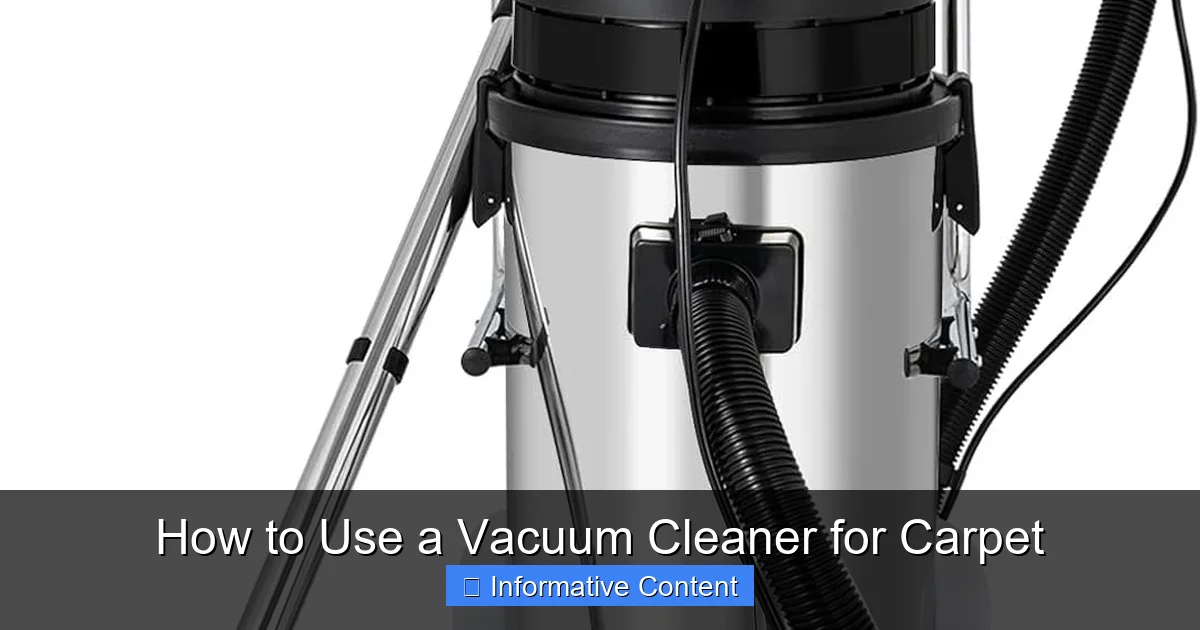
Visual guide about How to Use a Vacuum Cleaner for Carpet
Image source: m.media-amazon.com
Before you even start thinking about how to use a vacuum cleaner for carpet, you need to ensure you have the right tool for the job. Not all vacuums are created equal, especially when it comes to different carpet types.
Understanding Carpet Types and Vacuum Compatibility
Carpets come in various pile heights and densities. A thick, plush shag carpet will require a different approach than a low-pile berber or a delicate Oriental rug.
- Low-Pile Carpets: These carpets have short, dense fibers. Most upright or canister vacuums with strong suction and a beater bar (brush roll) work well. Ensure the brush roll can be adjusted to avoid being too aggressive.
- Medium-Pile Carpets: This is the most common type. Again, vacuums with adjustable brush rolls are ideal. You want enough agitation to lift dirt without damaging the fibers.
- High-Pile/Shag Carpets: These require a vacuum with a height adjustment that allows the brush roll to sit higher, or even one where the brush roll can be turned off. A power nozzle that’s too low or too aggressive can get stuck, pull out fibers, or struggle to move. Canister vacuums with a dedicated carpet powerhead (adjustable height) or specialty vacuums designed for deep pile are often best.
- Delicate Rugs: For antique rugs or those with intricate weaves, a suction-only vacuum or one with a very soft brush roll that can be disengaged is recommended to prevent damage.
Key Features to Look For
When selecting or evaluating your vacuum cleaner for carpet, keep these features in mind:
- Adjustable Brush Roll Height: This is crucial. Being able to raise or lower the brush roll ensures optimal contact with your specific carpet pile without damaging it or making the vacuum too hard to push.
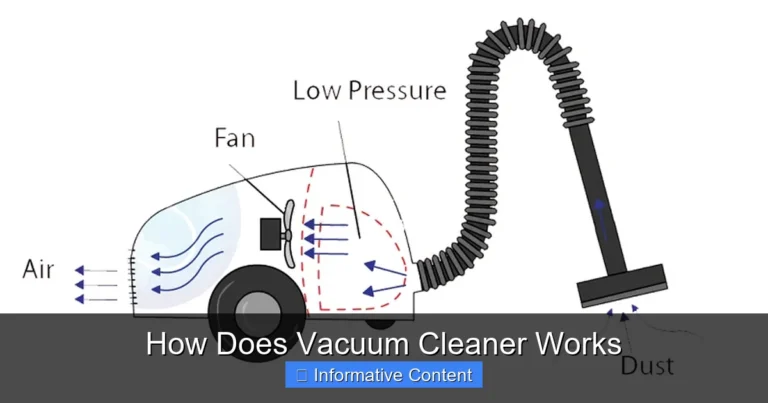
- Strong Suction Power: Measured in Air Watts (AW) or CFM (Cubic Feet per Minute), higher numbers generally mean better dirt extraction, especially for deeply embedded grime.
- HEPA Filtration: Essential for trapping allergens and fine dust particles, preventing them from being released back into the air. This is a must-have if anyone in your home suffers from allergies or asthma.
- Attachments: A good set of tools – crevice tool, upholstery brush, dusting brush, and a small turbo brush – will extend your vacuum’s versatility for cleaning edges, stairs, and furniture.
- Bagged vs. Bagless:
- Bagged: Generally better for allergy sufferers as dust is sealed in a bag, minimizing exposure during disposal. Bags also tend to offer better filtration.
- Bagless: More convenient as you don’t need to buy bags, but emptying the canister can release dust into the air.
III. Pre-Vacuuming Preparations: Setting the Stage for Success
Learning how to use a vacuum cleaner for carpet effectively starts even before you power on the machine. Proper preparation makes your vacuuming session more efficient and ensures a deeper, safer clean.
Clear the Path
Before you begin, walk through the room and pick up anything that could obstruct your vacuum or get sucked into it. This includes:
- Small objects: Toys, coins, paper clips, pens, jewelry, pet toys, charging cables – anything that can get lodged in the brush roll, damage the motor, or puncture the bag/filter.
- Loose rugs or mats: If they are small enough, shake them out outdoors or vacuum them separately.
- Light furniture: If possible, move lightweight chairs, side tables, or plant stands. This allows you to vacuum the entire carpeted area, not just the visible parts.
Spot Treat Stains
Vacuuming over a stain will not remove it; it might even make it harder to treat later by grinding the stain deeper into the fibers. Address any visible spots or stains *before* you vacuum. Use a suitable carpet cleaner according to the product’s instructions. Blot, don’t rub, and ensure the area is as dry as possible before vacuuming.
Fluff the Pile (Optional, but Recommended)
For particularly matted or high-traffic areas, a quick rake with a carpet rake or even just a stiff broom can help lift and separate the carpet fibers. This allows the vacuum to reach deeper into the pile and extract more dirt. This step is especially useful if you are trying to restore the look of a tired carpet.
IV. The Art of Vacuuming: Technique and Tips
Now that you’re prepped and ready, it’s time to learn the techniques that truly elevate your cleaning game. This is where knowing how to use a vacuum cleaner for carpet really shines.
Adjusting Your Vacuum
Before you start, make sure your vacuum is set correctly:
- Brush Roll Height: Adjust the brush roll height. It should just barely skim the top of the carpet fibers, providing gentle agitation. If it’s too low, it will be hard to push and can damage the carpet. If it’s too high, it won’t effectively agitate and lift dirt. You’ll know it’s right when you can feel a slight drag but can still push and pull the vacuum relatively easily.
- Suction Settings: Some vacuums have adjustable suction. For most carpets, maximum suction is ideal. However, for delicate rugs or very deep pile where the vacuum might stick, you might need to reduce the suction slightly.
The Right Strokes: Slow and Overlapping
Many people rush through vacuuming, but slow and deliberate movements are key.
- Slow Pace: Move the vacuum slowly. This gives the brush roll and suction time to do their job, agitating the carpet fibers and lifting embedded dirt, dust, and pet hair. Rushing means leaving a lot of grime behind.
- Overlapping Passes: Don’t leave gaps! Overlap each pass by about half the width of the vacuum head. This ensures you cover every inch of the carpet.
- Crisscross Pattern: For an even deeper clean, vacuum the entire room in one direction (e.g., north to south), then repeat the entire process vacuuming perpendicularly (east to west). This “crisscross” pattern helps lift dirt from all sides of the carpet fibers, providing a truly thorough clean and restoring the carpet’s nap.
Tackling High-Traffic Areas
Areas like hallways, entryways, and paths to frequently used furniture gather the most dirt. These spots need extra attention. Make several additional slow passes over these zones, perhaps even going in multiple directions to ensure all embedded grime is removed. Don’t be afraid to spend an extra minute or two here; it will make a noticeable difference in the overall cleanliness and appearance of your carpet.
Don’t Forget the Edges and Corners (Attachments are Your Friends!)
The main vacuum head can’t reach everywhere. This is where your attachments come in handy:
- Crevice Tool: Use this slender tool to clean along baseboards, in tight corners, between furniture cushions, and under radiators. Dust and dirt love to accumulate in these hidden spots.
- Upholstery Tool: Great for vacuuming stairs, upholstered furniture, and car interiors. Some even come with a small brush for agitation.
- Dusting Brush: Use this soft-bristled tool for delicate surfaces, lamp shades, blinds, and even ceiling fan blades before they fall onto your freshly vacuumed carpet.
Make it a habit to use these tools after you’ve finished the main carpeted areas. It’s an essential part of learning how to use a vacuum cleaner for carpet completely.
When to Vacuum?
Consistency is key. For most homes, vacuuming once or twice a week is sufficient. However:
- Homes with pets or children: Daily or every other day is often necessary due to increased shedding, crumbs, and tracked-in dirt.
- High-traffic areas: Vacuum these spots more frequently than low-traffic areas like bedrooms.
- Allergy sufferers: Regular, even daily, vacuuming with a HEPA-filtered vacuum can significantly reduce indoor allergens.
V. Post-Vacuuming Care and Maintenance
Your vacuum cleaner works hard for you, so it deserves a little TLC in return. Proper maintenance ensures it continues to perform optimally and extends its lifespan, which is just as important as knowing how to use a vacuum cleaner for carpet.
Empty the Dustbin or Change the Bag
Don’t wait until the bin is overflowing or the bag is bursting. A full dustbin or bag significantly reduces suction power and puts a strain on the motor.
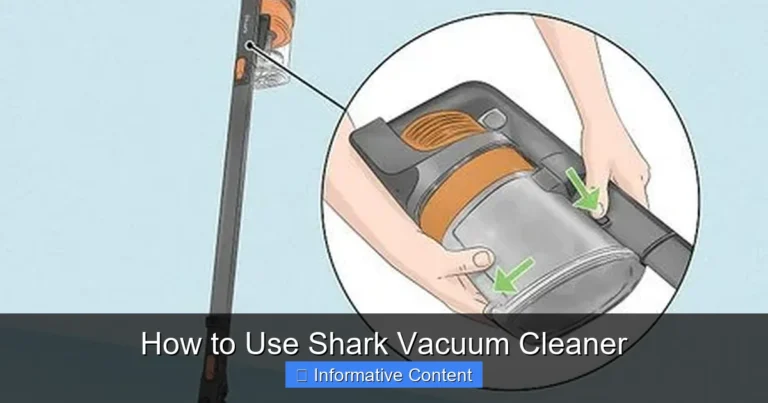
- Bagless vacuums: Empty the canister after every use, or when it reaches the “max fill” line. Tap out any stubborn debris and wipe the inside clean if necessary.
- Bagged vacuums: Change the bag when it’s about two-thirds full. Don’t overfill, as this can impede airflow and suction.
Clean or Replace Filters Regularly
Filters trap the fine dust and allergens, preventing them from re-entering your home’s air.
- Washable filters: Rinse them under cool water until the water runs clear. Allow them to air dry completely (at least 24 hours) before putting them back into the vacuum. Never put a damp filter back in.
- Non-washable filters: Tap them gently over a trash can to dislodge dust. Replace them according to the manufacturer’s recommendations, usually every 3-6 months, or more frequently with heavy use or pets.
Check and Clean the Brush Roll
The brush roll (or beater bar) is vital for agitating carpet fibers. Over time, hair, strings, and threads can get tangled around it, reducing its effectiveness and potentially straining the motor.
- Turn off and unplug the vacuum: Always do this before performing any maintenance.
- Remove the brush roll cover (if applicable): Use scissors or a seam ripper to carefully cut away tangled hair and debris. Be gentle to avoid damaging the bristles or belt.
- Check the belt: While you’re there, inspect the drive belt that spins the brush roll. If it looks stretched, cracked, or loose, it might be time for a replacement.
Inspect Hoses and Attachments
Periodically check the vacuum hose for blockages. If suction seems weak, detach the hose and look through it for any clogs. Clear them gently. Also, wipe down your attachments to keep them clean and ready for use.
VI. Troubleshooting Common Vacuuming Issues
Even with the best techniques, you might encounter a few hiccups. Knowing how to quickly troubleshoot can save you time and frustration, solidifying your knowledge of how to use a vacuum cleaner for carpet.
Weak Suction
This is one of the most common complaints.
- Check the dustbin/bag: Is it full? Empty or replace it.
- Inspect filters: Are they dirty or clogged? Clean or replace them.
- Look for blockages: Check the hose, brush roll, and vacuum intake for any obstructions.
- Seal issues: Ensure all compartments (dustbin, filter cover) are properly sealed. A small gap can cause significant suction loss.
Vacuum Not Picking Up Hair/Debris
If dirt and hair are just being pushed around, especially on carpets.
- Brush roll issues: Is the brush roll spinning? If not, check the belt. Is it tangled with hair? Clean it thoroughly.
- Height adjustment: Is the brush roll too high off the carpet? Lower the height setting.
- Worn bristles: Over time, brush roll bristles can wear down. If they are no longer effective, the brush roll might need replacement.
Unpleasant Odor from Vacuum
A smelly vacuum can make your whole house smell less fresh.
- Empty the dustbin/change the bag: This is often the culprit, especially if you’ve vacuumed pet messes or food crumbs.
- Clean filters: Odors can get trapped in dirty filters.
- Check for trapped debris: Something could be stuck in the hose or brush roll.
- Washable components: If parts like the dustbin are washable, give them a good clean.
- Baking soda trick: Sprinkle a small amount of baking soda on your carpet before vacuuming to help absorb odors.
Vacuum is Hard to Push
This usually means the vacuum is too low or something is impeding its movement.
- Height adjustment: Raise the brush roll height.
- Tangled brush roll: A heavily tangled brush roll creates resistance. Clean it.
- Full bag/bin: A very full vacuum can also become heavier and harder to maneuver.
Conclusion
Mastering how to use a vacuum cleaner for carpet is more than just a chore; it’s an essential skill for maintaining a clean, healthy, and beautiful home. By understanding the importance of proper vacuuming, choosing the right equipment, preparing your space, employing effective techniques, and regularly maintaining your vacuum, you can achieve results that go far beyond surface-level clean.
Think of your vacuum cleaner not as a burden, but as a powerful ally in your quest for a fresh and inviting living environment. Regular, thorough vacuuming protects your carpet investment, enhances indoor air quality, and simply makes your home a more pleasant place to be. So, next time you pull out your vacuum, remember these tips and tackle your carpets with confidence and purpose. You’ll be amazed at the difference it makes!
Frequently Asked Questions
What is the best way to remove pet hair from carpet?
The best way to remove pet hair from carpet is to vacuum slowly and thoroughly with a vacuum cleaner equipped with a strong brush roll designed for pet hair, often called a “pet hair vacuum.” You can also pre-treat high-hair areas with a rubber rake or squeegee to loosen embedded fur before vacuuming.
Can vacuuming damage my carpet?
Yes, improper vacuuming can damage your carpet. Using a vacuum with a brush roll set too low or one that is too aggressive for your carpet type can wear down fibers, pull out strands, or cause matting. Always adjust your vacuum’s height and agitation settings to match your carpet pile.
How do I prevent my vacuum from smelling bad?
To prevent a smelly vacuum, regularly empty the dustbin or change the bag, clean or replace filters, and check for any trapped debris in the hose or brush roll. If washable, periodically clean the dustbin itself. Sprinkling baking soda on your carpet before vacuuming can also help neutralize odors.
Is it better to vacuum with a bagged or bagless vacuum for carpets?
Both bagged and bagless vacuums can be effective for carpets. Bagged vacuums are often preferred by allergy sufferers because they seal dust and allergens completely, while bagless models offer convenience by eliminating bag purchases. The key is consistent filter maintenance for either type.
Should I vacuum around furniture or move it?
Whenever possible, it’s best to move lightweight furniture to vacuum the entire carpeted area underneath. This prevents dirt and dust from accumulating in hidden spots and ensures a truly comprehensive clean, extending the life and freshness of your carpet.
How often should I clean my vacuum’s filters?
You should clean washable filters when they appear dirty, typically after every few uses, ensuring they are completely dry before reinserting. Non-washable filters should be replaced according to the manufacturer’s recommendation, usually every 3-6 months, or more frequently with heavy use or pets.