How to Open Dyson V10 Vacuum for Cleaning
Maintaining your Dyson V10 vacuum by regularly opening it for cleaning is essential for peak performance and longevity. This comprehensive guide walks you through each step, from basic filter care to deep cleaning the cyclone unit, ensuring your Dyson V10 continues to deliver powerful suction. You’ll learn how to open your Dyson V10 vacuum for cleaning safely and effectively, restoring its efficiency with simple household tools.
Your Dyson V10 vacuum is a marvel of engineering, a cordless workhorse designed to keep your home spotlessly clean. But like any high-performance machine, it needs a little TLC to keep running at its best. Over time, dust, debris, and even microscopic particles can build up in its various components, leading to reduced suction, decreased efficiency, and a less-than-stellar cleaning experience. You might notice it’s not picking up dirt like it used to, or perhaps it just sounds a bit more sluggish. These are all signs it’s time for a deep clean!
Many Dyson owners wonder how to tackle this maintenance, especially how to open Dyson V10 vacuum for cleaning without causing damage. The good news is that performing a thorough cleaning of your V10 isn’t as daunting as it might seem. You don’t need specialized tools or expert mechanical skills. With a bit of patience and this step-by-step guide, you’ll be able to disassemble, clean, and reassemble your Dyson V10, restoring its powerful suction and extending its lifespan. Think of it as a spa day for your vacuum cleaner – a crucial routine that keeps it healthy and happy.
This guide will walk you through every essential step, from the easiest parts like the dust bin and filter, to the more intricate task of accessing and cleaning the cyclone unit. We’ll show you exactly how to open Dyson V10 vacuum for cleaning, ensuring you cover all the areas where dirt and grime love to hide. Get ready to transform your dusty vacuum back into the efficient cleaning machine you know and love!
Key Takeaways
- Safety First: Always unplug your Dyson V10 and ensure it’s completely powered off before attempting any cleaning or disassembly to prevent accidents.
- Filter is Key: Regular washing and *thorough* drying of the main filter are crucial for maintaining optimal suction and are often the first step in basic maintenance.
- Dust Bin Hygiene: Don’t just empty; wipe down the dust bin and surrounding areas with a damp cloth to remove fine dust and grime buildup.
- Deep Clean the Cyclone: To truly open your Dyson V10 for cleaning, you’ll need to carefully access and clean the intricate cyclone unit, which is vital for separating dirt efficiently.
- Brush Bar Maintenance: Regularly remove and clear the brush bar of tangled hair and debris to ensure smooth rotation and effective dirt pick-up.
- Gentle Approach: Avoid harsh chemicals or excessive force when cleaning components. Warm water and a soft cloth are usually all you need.
- Complete Drying is Non-Negotiable: Every washed component, especially the filter and any areas that got wet, must be bone dry before reassembly to prevent damage and mold.
Quick Answers to Common Questions
How often should I clean my Dyson V10 filter?
Dyson recommends washing your V10 filter at least once a month, or more frequently if you use your vacuum daily or in a dusty environment. Regular cleaning maintains optimal suction.
What tools do I need to open my Dyson V10 for cleaning?
You’ll mainly need soft cloths, warm water, an old toothbrush or small brush, and possibly scissors or a coin/flat-head screwdriver for the brush bar. No specialized tools are typically required.
Can I use soap to wash my Dyson V10 filter?
No, you should only use cold water to wash your Dyson V10 filter. Detergents or soap can damage the filter material and reduce its effectiveness.
What happens if I don’t dry the filter completely?
Reinserting a damp filter can lead to mold growth inside your vacuum, produce unpleasant odors, and potentially cause severe damage to the motor if water reaches the electronic components.
When should I deep clean the cyclone unit of my Dyson V10?
Deep cleaning the cyclone unit, beyond just emptying the bin, is recommended every 3-6 months, or whenever you notice a significant drop in suction power despite having a clean filter and empty bin.
📑 Table of Contents
- Safety First: Preparing for the Clean-Up Mission
- Emptying and Cleaning the Dust Bin: The First Step
- Tackling the Filters: The Lungs of Your V10
- Deep Dive into the Cyclone Unit: Beyond the Obvious Dirt
- Maintaining the Brush Bar and Attachments: Keeping Your Floors Happy
- Reassembly and Final Checks: Bringing It All Back Together
Safety First: Preparing for the Clean-Up Mission
Before we dive into the nitty-gritty of how to open Dyson V10 vacuum for cleaning, safety should always be your top priority. Working with any electronic appliance requires a few precautions to prevent accidents or damage. Taking a moment to prepare properly will make the entire cleaning process smoother and safer for both you and your Dyson V10.
Power Down and Disconnect
This might seem obvious, but it’s crucial: always ensure your Dyson V10 is completely unplugged and powered off before you start any cleaning or disassembly. If it’s charging, remove it from the charging dock. If it’s attached to the wand or any accessories, detach them. You don’t want any accidental power surges or movements while your hands are inside the machine. Think of it as putting a car in neutral and applying the parking brake before popping the hood.
Gather Your Tools
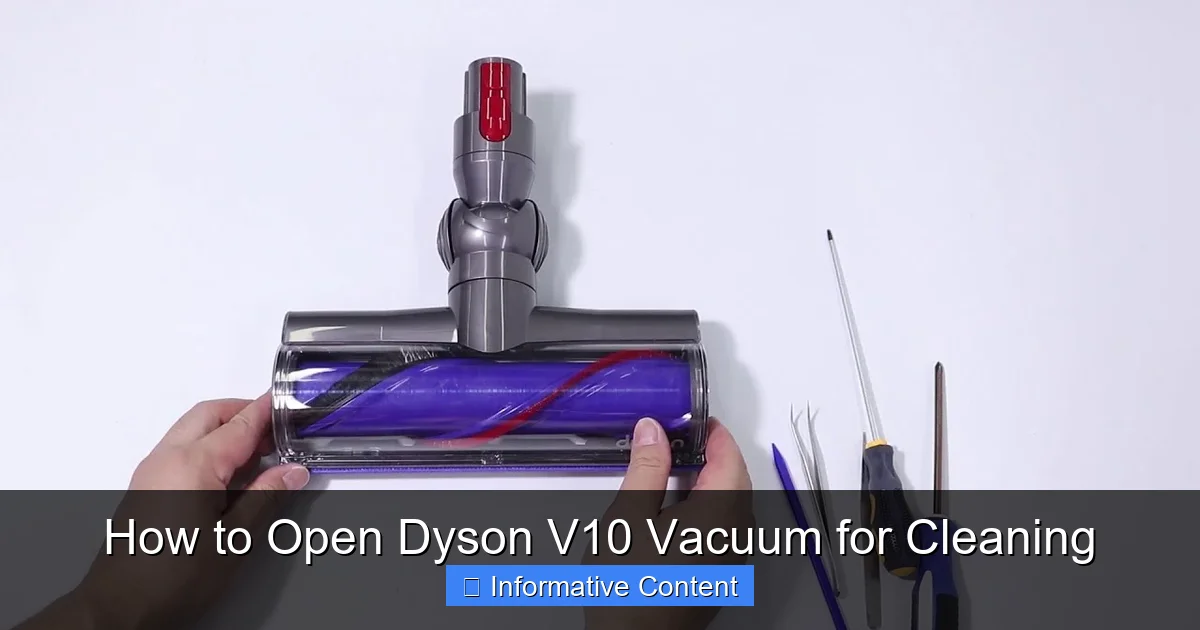
You won’t need a toolbox full of gadgets to open Dyson V10 vacuum for cleaning. Most of the tools you’ll need are likely already in your home:
- Soft, clean cloths: For wiping down surfaces. Microfiber cloths work wonderfully.
- Warm water: For rinsing filters and some components.
- Mild soap (optional): For tougher grime on external parts or the dust bin, but generally not needed for internal components.
- Small, soft brush: An old toothbrush or a small detailing brush is perfect for dislodging stubborn dirt from crevices.
- Scissors or a seam ripper: Handy for cutting away tangled hair from the brush bar.
- A flat head screwdriver or coin: Sometimes needed to unlock brush bars.
- A designated workspace: Lay down some newspaper or an old towel to catch any dust and debris.
Having everything ready before you start will help you stay organized and efficient as you learn how to open Dyson V10 vacuum for cleaning.
Emptying and Cleaning the Dust Bin: The First Step
The dust bin is the most frequently cleaned part of your Dyson V10, but there’s a difference between just emptying it and truly cleaning it. Fine dust can cling to the inside walls and around the seals, reducing capacity and potentially affecting air flow. This is a critical first step when you’re looking at how to open Dyson V10 vacuum for cleaning.
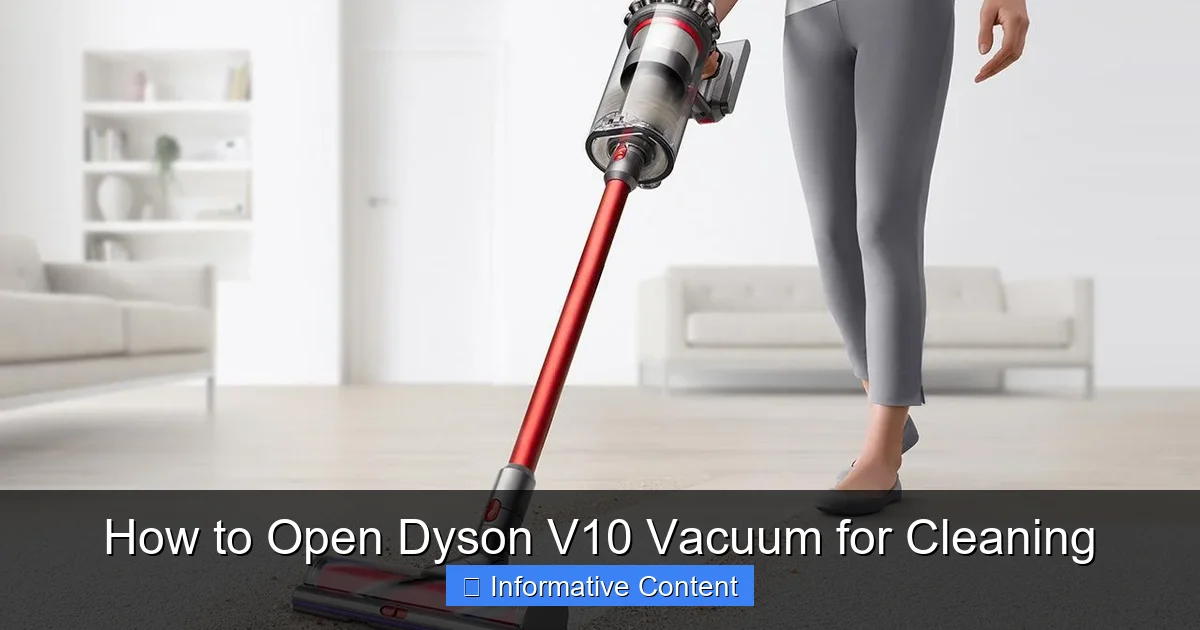
Visual guide about How to Open Dyson V10 Vacuum for Cleaning
Image source: dyson-h.assetsadobe2.com
Removing the Dust Bin
To empty the dust bin, simply hold the vacuum over a trash can and push the red lever forward. The bottom flap will open, releasing the collected debris. Once it’s empty, you can carefully slide the entire bin off the main body of the vacuum. There’s usually a small catch or button that releases it; refer to your Dyson V10 manual if you’re unsure. By removing the bin completely, you gain much better access to clean it properly and also the area where it connects to the motor unit.
Wiping Down the Bin
After emptying, don’t just put the bin back. Take a damp cloth (moistened with warm water, no soap unless absolutely necessary and ensure it’s rinsed off completely) and wipe down the inside and outside of the dust bin. Pay special attention to the seals and the mechanism for opening and closing the flap. Fine dust loves to stick to these areas. Make sure the bin is completely dry before reattaching it. This basic cleaning significantly improves the overall hygiene and function of your Dyson V10 and is a fundamental part of learning how to open Dyson V10 vacuum for cleaning for a more thorough job.
Tackling the Filters: The Lungs of Your V10
The filter in your Dyson V10 is vital for trapping microscopic particles and preventing them from recirculating into your home. A clogged filter is one of the most common reasons for reduced suction. Cleaning it regularly is perhaps the easiest yet most impactful step in maintaining your vacuum’s performance and an essential part of understanding how to open Dyson V10 vacuum for cleaning for optimal results.
Locating and Removing the Main Filter
On the Dyson V10, the main filter is typically located at the back of the motor unit, a prominent purple component that twists off. Simply grasp it firmly and twist it counter-clockwise until it detaches. Once it’s off, you might be surprised by how much dust and dirt has accumulated on it. This visible dirt is a clear indicator of how hard your filter is working to keep your air clean.
Washing and Drying Your Filter (Crucial for Dyson V10)
Dyson V10 filters are washable! This is a huge benefit. Hold the filter under cold running water, ensuring the water runs through both the open end and the pleated sides. Gently squeeze the filter and tap it against the sink to dislodge dirt. Continue rinsing until the water runs clear. Do not use detergents or put it in a dishwasher or washing machine.
After washing, the most critical step is drying. Your filter must be 100% bone dry before putting it back into your Dyson V10. This typically takes at least 24 hours, often longer (up to 48 hours), especially in humid conditions. Place it in a well-ventilated area, away from direct heat or sunlight. Do not use a tumble dryer, microwave, or open flame to dry it, as this can damage the filter material. Reinserting a damp filter can lead to mold growth and severe damage to your vacuum’s motor, completely negating your efforts to learn how to open Dyson V10 vacuum for cleaning effectively.
Deep Dive into the Cyclone Unit: Beyond the Obvious Dirt
This is where “how to open Dyson V10 vacuum for cleaning” gets a bit more involved, but it’s incredibly rewarding. The cyclone unit is the heart of your Dyson’s suction technology, separating dust and air through centrifugal force. Over time, fine dust can cake onto the cones and inner workings, hindering its efficiency. Cleaning this area is essential for restoring full suction power.
Accessing the Cyclone Unit
To access the cyclone unit, you first need to remove the dust bin (as described earlier). With the dust bin off, you’ll see the cyclone unit directly attached to the main motor body. The Dyson V10’s cyclone unit isn’t designed to be completely dismantled by the user in the same way some older models might have been, but you can still access key areas for cleaning. Look for any visible screws (usually Torx screws) or clips that hold the outer casing of the cyclone unit to the main body. While Dyson advises against fully dismantling the cyclone core, you can carefully separate the outer clear plastic shroud from the colored cyclone manifold itself. This usually involves pressing a button or releasing a latch and then sliding or twisting it off.
Practical Tip: Take photos with your phone as you go. This will be invaluable when you’re ready to reassemble, especially if you’re unsure about how a particular part fits back together after you open Dyson V10 vacuum for cleaning.
Gentle Cleaning of the Cyclone
Once you have the outer casing of the cyclone unit separated, you can see the conical structures inside. Use a dry, soft brush (an old, clean toothbrush works great) to gently brush away any accumulated dust and debris from the cones and surrounding areas. You can also use a soft, damp cloth to wipe down the outer surfaces of the cyclone unit and the inside of the clear bin shroud. Avoid getting water directly into the intricate internal workings of the cyclone, especially the motor connections. The goal here is to remove the caked-on dust that impedes airflow, not to saturate the electronics. This meticulous cleaning truly makes a difference in understanding how to open Dyson V10 vacuum for cleaning for maximum impact.
What NOT to Do with the Cyclone Unit
It’s important to reiterate: do not submerge the entire cyclone unit in water, and do not put it in a dishwasher. The cyclone unit contains sensitive electronics and mechanisms that are not designed to be wet. Excessive moisture can cause irreparable damage to your vacuum. Stick to dry brushing and wiping with a *slightly* damp cloth on plastic surfaces only. Also, avoid using any harsh cleaning chemicals, as these can corrode plastics or internal components.
Maintaining the Brush Bar and Attachments: Keeping Your Floors Happy
While not strictly part of “how to open Dyson V10 vacuum for cleaning” the main unit, cleaning the brush bar and attachments is crucial for overall performance and is often neglected. A clogged brush bar can’t pick up dirt, and dirty attachments just spread grime around.
Removing the Brush Bar
The cleaner head on your Dyson V10 usually has a simple release mechanism for the brush bar. Often, there’s a small latch or a screw-lock on the side of the cleaner head that you can twist with a coin or a flat-head screwdriver. Once unlocked, the brush bar should slide out easily. Be careful not to lose any small end caps or bearings.
Clearing Tangled Hair and Debris
This is usually the messiest part! Use scissors or a seam ripper to carefully cut through any hair, thread, or fibers tightly wrapped around the brush bar. Be gentle to avoid cutting the bristles themselves. Once cut, you can often pull the tangled mess off in large pieces. Use your small brush to clean any dirt or dust from the bristles and the housing where the brush bar sits. If your brush bar is washable (some are, check your manual), you can rinse it under cold water, but again, ensure it’s completely dry before reinserting. This step is vital for maintaining the efficiency you get from knowing how to open Dyson V10 vacuum for cleaning.
Cleaning Attachments
Don’t forget your other attachments! The crevice tool, combination tool, and mini-motorized tool also collect dust and debris. Wipe them down with a damp cloth, paying attention to any small openings or brushes. For the mini-motorized tool, you can often open it up to clear the internal brush bar, similar to the main cleaner head. Again, ensure everything is dry before reattaching.
Reassembly and Final Checks: Bringing It All Back Together
You’ve done the hard work of learning how to open Dyson V10 vacuum for cleaning and thoroughly cleaning each component. Now it’s time to put everything back together. This stage requires a bit of patience to ensure every part is correctly seated and secured.
Ensuring Everything is Dry
Before you even think about putting things back, double-check that every component that came into contact with water – especially the filter – is absolutely, completely, 100% dry. This cannot be stressed enough. Reassembling a damp vacuum is a recipe for disaster, potentially leading to mold, foul odors, or even short-circuiting the motor. If in doubt, give it another few hours to air dry.
Snapping Components Back Into Place
Start with the cyclone unit. Carefully reattach the outer clear bin shroud to the main colored manifold, ensuring any clips or latches click securely into place. Then, slide the entire dust bin back onto the main motor unit until you hear it click. It should feel firm and not wobbly. Next, twist the dry main filter back into the rear of the motor unit, turning it clockwise until it’s hand-tight. Finally, reinsert the brush bar into the cleaner head, ensuring the end caps align, and secure the locking mechanism. Reattach the cleaner head and any other accessories.
A Quick Test Run
Once everything is back together, give your Dyson V10 a quick test run. Charge it fully if needed, then turn it on. Listen for any unusual noises, and feel the suction. It should sound healthier and feel more powerful. You should notice an immediate improvement in performance, confirming that your efforts to open Dyson V10 vacuum for cleaning were a success!
Congratulations! You’ve successfully learned how to open Dyson V10 vacuum for cleaning and given it a new lease on life. Regular cleaning, about once a month for moderate use, will keep your Dyson V10 performing at its peak for years to come. Your floors (and your lungs) will thank you.
Frequently Asked Questions
Is it safe to open my Dyson V10 myself for cleaning?
Yes, it’s generally safe to open and clean the user-serviceable parts of your Dyson V10, such as the filter, dust bin, brush bar, and outer parts of the cyclone unit, as long as you follow the instructions carefully and ensure the vacuum is unplugged. Avoid dismantling parts not intended for user access.
Will cleaning my Dyson V10 void its warranty?
No, performing routine maintenance like cleaning the filter, dust bin, and brush bar as per Dyson’s guidelines will not void your warranty. However, forcing open or damaging components not intended for user disassembly might. Stick to the methods described in this guide and your owner’s manual.
Can I use compressed air to clean the Dyson V10 cyclone unit?
Using compressed air is generally not recommended directly inside the cyclone unit’s intricate parts. While it might dislodge some loose dust, it can also force fine particles deeper into inaccessible areas or even damage delicate sensors. A soft, dry brush is a safer option for clearing debris.
How do I know if my Dyson V10 needs a deep clean?
Signs your Dyson V10 needs a deep clean include reduced suction power, the vacuum running hotter than usual, unusual noises, visible dirt buildup in the cyclone or brush bar even after emptying the bin, or a noticeable odor emanating from the machine.
Can I wash the brush bar from my cleaner head?
Some Dyson V10 brush bars are washable, while others are not. Always consult your specific Dyson V10 model’s user manual to confirm if your brush bar can be rinsed under water. If washable, ensure it is completely dry for at least 24 hours before reinserting.
What should I do if my Dyson V10 is still not working after cleaning?
If your Dyson V10 still experiences issues after a thorough cleaning, double-check all components for proper reassembly and ensure the filter is completely dry. If the problem persists, it might indicate a more serious internal issue, and it’s best to contact Dyson customer support or a certified repair technician.