How to Clean Sofa at Home with Vacuum Cleaner
Cleaning your sofa at home with a vacuum cleaner is a simple yet vital step for maintaining a fresh and healthy living space. This comprehensive guide walks you through preparing your sofa, selecting the right vacuum attachments, and following a detailed step-by-step process to remove dust, pet dander, and loose debris. Regular vacuuming not only keeps your couch looking its best but also extends its lifespan and contributes to a cleaner home environment.
Your sofa isn’t just a piece of furniture; it’s the heart of your living room, a cozy haven for relaxation, movie nights, and catching up with loved ones. But imagine all the crumbs, dust, pet dander, and microscopic allergens that settle into its fibers daily. Over time, these unseen invaders can diminish your sofa’s appearance, affect air quality, and even shorten its lifespan. That’s why knowing how to clean sofa at home with a vacuum cleaner is not just a chore, but an essential part of home maintenance.
Many people underestimate the power of regular vacuuming when it comes to upholstery care. It’s often seen as a quick fix, but with the right technique and tools, a vacuum cleaner can be your best friend in keeping your sofa looking fresh, feeling clean, and smelling great. This comprehensive guide will walk you through every step, from understanding your sofa’s unique needs to mastering the art of vacuuming, ensuring your beloved couch remains a comfortable and hygienic spot for years to come.
Forget expensive professional cleanings for everyday upkeep! By learning the simple yet effective methods outlined here, you’ll gain the confidence to tackle sofa grime yourself. We’ll cover everything you need to know about preparing your sofa, selecting the best vacuum attachments, and executing a thorough cleaning process. Get ready to transform your sofa from drab to fab, all with the trusty power of your vacuum cleaner!
Key Takeaways
- Regular Vacuuming is Key: Prevents dust, allergens, and debris buildup, significantly extending your sofa’s life and improving indoor air quality.
- Know Your Sofa’s Fabric Code: Always check the care tag (W, S, WS, X) to understand what cleaning methods are safe and appropriate for your specific upholstery material.
- Utilize the Right Vacuum Attachments: Upholstery tools, crevice tools, and brush attachments are indispensable for effectively reaching and cleaning different surfaces and tight spots on your sofa.
- Adopt a Systematic Cleaning Approach: Begin by removing cushions and larger debris, then proceed to vacuum thoroughly with appropriate tools, ensuring no area, especially seams and crevices, is missed.
- Address Pet Hair Effectively: For pet owners, specialized attachments, rubber gloves, or lint rollers can be incredibly helpful in tackling stubborn pet hair before or during the vacuuming process.
- Vacuuming is Essential Maintenance, Not Deep Cleaning: While crucial for everyday cleanliness, regular vacuuming complements occasional deeper cleaning methods or professional services needed for heavy stains, odors, or delicate fabrics.
- Maintain a Consistent Schedule: Aim to vacuum your sofa at least once a week or every two weeks to prevent significant dirt accumulation and maintain a consistently fresh and inviting look.
Quick Answers to Common Questions
Can I use any vacuum cleaner to clean my sofa?
Yes, most household vacuum cleaners can be used, but it’s crucial to use the appropriate attachments like the upholstery tool, crevice tool, and brush attachment for effective and safe cleaning.
How often should I vacuum my sofa?
For best results, aim to vacuum your sofa at least once a week. If you have pets, children, or use your sofa heavily, increasing the frequency to twice a week is recommended.
What if my sofa fabric has an “X” care tag?
If your sofa has an “X” care tag, it means “vacuum only.” Do not use water or solvent-based cleaners. Your vacuum cleaner is the sole safe method for cleaning, so focus on thorough dry vacuuming with appropriate tools.
Can vacuuming remove stains from my sofa?
No, vacuuming is primarily for removing dry debris, dust, and loose particles. It cannot remove liquid spills or set-in stains. Address stains with appropriate spot cleaning methods based on your sofa’s fabric code before or separate from vacuuming.
What’s the best way to remove pet hair with a vacuum?
For pet hair, use a specialized pet hair attachment if your vacuum has one. Alternatively, a rubber glove (slightly damp) rubbed over the fabric can help gather hair into clumps, making it easier for the upholstery tool to pick up.
📑 Table of Contents
- Why Regular Vacuuming is Crucial for Your Sofa’s Health and Longevity
- Understanding Your Sofa’s Fabric and Vacuum Cleaner Attachments
- The Step-by-Step Guide: How to Clean Sofa at Home with Vacuum Cleaner
- Advanced Tips and Troubleshooting for Sofa Vacuuming
- When to Call the Professionals (or Consider Deeper Cleaning)
- Conclusion: Embrace the Power of Your Vacuum Cleaner for a Fresher Home
Why Regular Vacuuming is Crucial for Your Sofa’s Health and Longevity
Before diving into the “how-to,” let’s understand the “why.” Regular vacuuming goes far beyond just removing visible dirt; it’s a proactive measure that offers a multitude of benefits for both your sofa and your home environment. Knowing how to clean sofa at home with a vacuum cleaner properly can save you time, money, and hassle in the long run.
Combating Dust, Allergens, and Pet Dander
Every day, dust particles, pollen, pet dander, and microscopic dust mites settle onto and into your sofa’s fabric. These can trigger allergies, exacerbate respiratory issues, and generally diminish the air quality in your home. A vacuum cleaner, especially one with a good filtration system (like a HEPA filter), effectively sucks up these irritants before they become deeply embedded or airborne, making your living space healthier.
Extending Your Sofa’s Lifespan
Think of dirt particles as tiny, abrasive bits of sandpaper. As you sit, move, and relax on your sofa, these particles rub against the fabric fibers, causing premature wear and tear. Regular vacuuming removes these abrasive elements, protecting the integrity of the upholstery and helping your sofa retain its original look and feel for much longer. It’s an investment in your furniture’s future.
Maintaining Freshness and Appearance
No one wants a dull, dingy sofa. Regular vacuuming brightens the fabric by removing the layer of dust and grime that can mute its color and texture. It also helps to lift the fabric pile, giving your sofa a fuller, more inviting appearance. This simple step can make a significant difference in how clean and welcoming your entire living room feels.
Understanding Your Sofa’s Fabric and Vacuum Cleaner Attachments
Before you even power on your vacuum, it’s vital to understand your sofa’s unique needs and the tools at your disposal. This knowledge is key to knowing how to clean sofa at home with a vacuum cleaner safely and effectively without causing damage.
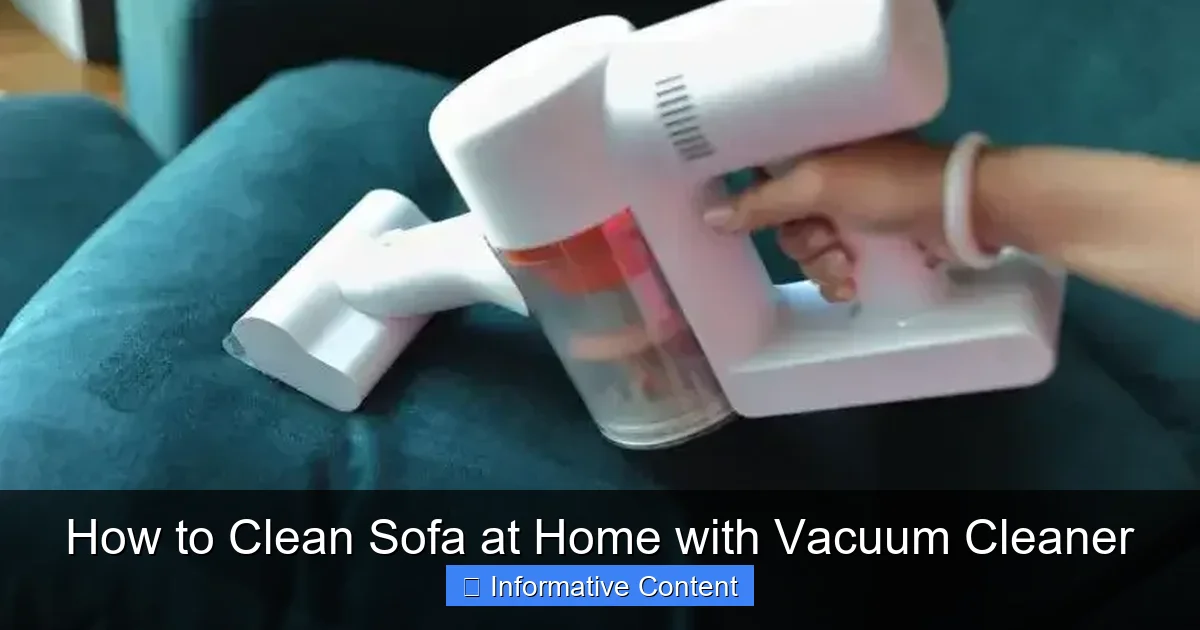
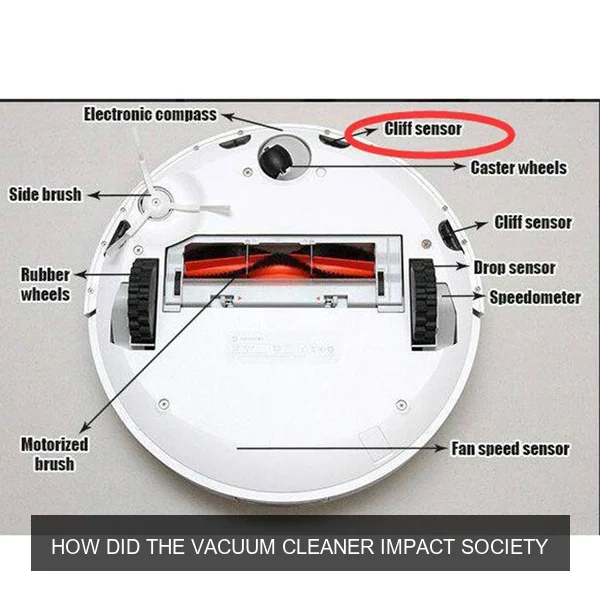
Visual guide about How to Clean Sofa at Home with Vacuum Cleaner
Image source: swoopcart.in
Checking Your Sofa’s Care Tag: The Secret Code
Every sofa comes with a care tag, usually hidden under a cushion or on the underside of the frame. This tag contains crucial symbols or letters indicating the recommended cleaning methods. Here’s what they mean:
- W: “Water-based cleaner” or “Wet cleaning.” You can use water-based cleaning solutions. This is often the safest for vacuuming as it implies the fabric can handle some moisture or steam if needed later.
- S: “Solvent-based cleaner” or “Dry cleaning solvent.” Only use water-free cleaning solvents. For these sofas, stick strictly to dry vacuuming.
- WS: “Water-based or solvent-based cleaner.” This fabric is versatile and can handle either. Still, vacuuming is always a dry process, so this code offers flexibility for deeper cleaning later.
- X: “Vacuum only.” This is critical! These fabrics cannot be cleaned with water or solvent. They are often delicate or shrink easily. For “X” code sofas, your vacuum cleaner is your *only* cleaning tool, so master how to clean sofa at home with a vacuum cleaner for these.
If you can’t find a tag, it’s always safest to assume an “S” or “X” code and proceed with caution, always spot-testing any cleaning methods in an inconspicuous area.
Choosing the Right Vacuum Attachments for Sofa Cleaning
Your vacuum cleaner likely came with a set of attachments, and for sofa cleaning, these are your secret weapons. Don’t just use the main floorhead!
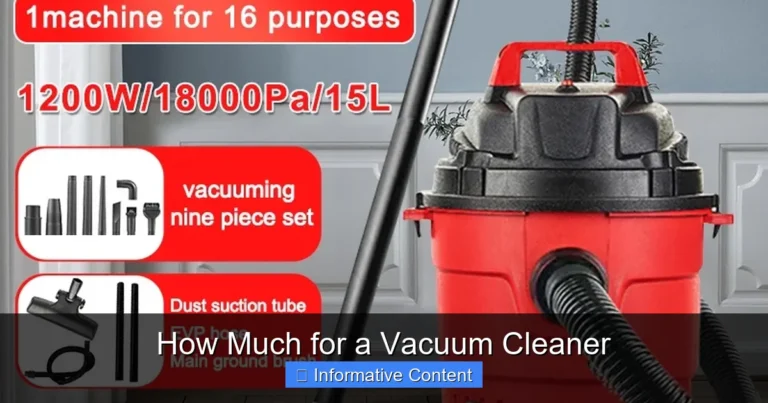
- Upholstery Tool: This is typically a flat, wide nozzle designed specifically for fabric surfaces. It has a wider suction area and is often angled to make contact with cushions and padded surfaces easier. It’s gentle enough for most fabrics and efficient for large surface areas.
- Crevice Tool: This long, slender nozzle is indispensable for reaching into tight spaces. Think between cushions, along seams, under skirted edges, and around armrests. It’s perfect for sucking out crumbs, pet hair, and dust that hide in hard-to-reach nooks.
- Brush Attachment (Dusting Brush): This tool usually has soft bristles. It’s excellent for loosening stubborn dust and debris from the fabric surface while the vacuum sucks it away. It can also help to lift the pile on fabrics like velvet or chenille, giving a refreshed look. Use it gently to avoid damaging delicate fibers.
- Pet Hair Attachment (if available): If you have furry friends, a specialized pet hair attachment can be a game-changer. These often feature rotating brushes or rubberized paddles that grab and pull pet hair from upholstery more effectively than standard tools.
Power Settings and Suction Control
Many modern vacuum cleaners offer variable power settings. For delicate fabrics or lighter vacuuming tasks, use a lower suction setting. For heavily soiled areas or more durable fabrics, you can increase the power. Always start with a lower setting and test in an inconspicuous area to ensure the suction isn’t too strong for your fabric, potentially pulling threads or causing damage.
The Step-by-Step Guide: How to Clean Sofa at Home with Vacuum Cleaner
Now that you’re armed with knowledge about your sofa and your tools, let’s dive into the practical steps. Following a systematic approach ensures no spot is missed and your sofa gets the thorough cleaning it deserves.
Step 1: Prepare the Area and Your Sofa
First, clear the decks! Remove all pillows, throws, remote controls, magazines, and any other items from your sofa. Take this opportunity to quickly dust off or shake out any decorative pillows outdoors if they are machine washable or have removable covers.
If you have any fresh spills or liquid stains, address them *before* vacuuming. Blot wet stains with a clean cloth, don’t rub. Vacuuming over wet stains can embed them further or spread moisture. Remember, vacuuming is for dry debris.
Step 2: Remove Cushions and Large Debris
Carefully remove all seat and back cushions (if they are removable). Look underneath where cushions typically rest. This area is often a treasure trove of forgotten items – coins, pens, toys, and, of course, plenty of crumbs and dust bunnies. Hand-pick any larger pieces of debris. A quick visual inspection will guide you to areas needing extra attention.
Step 3: Vacuum Cushions Thoroughly
Start with the cushions themselves. For each cushion, use your upholstery tool. Begin on one side, working in overlapping, slow strokes. Apply gentle to moderate pressure, moving the vacuum slowly enough for the suction to pick up embedded dust. Don’t forget the sides and the welting (the corded edge) of the cushions. For welting, you might need to press the cushion slightly to open the seam and allow the crevice tool or upholstery tool to get in deeper. Flip each cushion over and repeat the process on the other side. If your cushions are reversible, this helps distribute wear and keeps them fresher for longer.
Step 4: Tackle the Sofa Frame and Base
With the cushions removed, the sofa’s frame, base, and armrests are exposed. Use the upholstery tool to vacuum all accessible flat surfaces. Pay close attention to the areas where the cushions usually sit, as these are prime spots for dust accumulation. Work from top to bottom, ensuring you cover the entire visible frame of the sofa.
Step 5: Use the Crevice Tool for Tight Spots
This is where the crevice tool shines! Attach it to your vacuum and meticulously work your way into every seam, crack, and hard-to-reach corner. Run it along the inside of the armrests, where the back meets the seat, and along any tufted areas. If your sofa has a skirt, lift it and vacuum underneath as thoroughly as possible. You’ll be amazed at the amount of hidden dirt and debris this tool can extract.
Step 6: Gentle Brush for Fabric Surface (Optional but Recommended)
For a final touch, especially on fabrics like velvet, chenille, or woven materials, consider using the brush attachment. With the vacuum on a lower suction setting, gently brush the entire surface of the sofa and cushions. This helps to loosen any lingering fine dust particles that might be clinging to the fibers and can also help to lift and refresh the fabric’s pile, giving it a renewed appearance. Work in consistent directions for a uniform look.
Step 7: Post-Vacuuming Refresh
Once you’ve finished vacuuming every nook and cranny, it’s time to reassemble your sofa. Fluff and arrange the cushions, giving them a good pat to restore their shape. If you like, you can lightly mist the sofa with a fabric freshener (ensure it’s safe for your specific fabric type by spot-testing first) to leave it smelling wonderfully clean. Stand back and admire your beautifully refreshed and hygienically clean sofa!
Advanced Tips and Troubleshooting for Sofa Vacuuming
Even with the best instructions on how to clean sofa at home with vacuum cleaner, you might encounter specific challenges. Here are some pro tips to help you get the best results.
Dealing with Stubborn Pet Hair
Pet hair can be particularly clingy. If your vacuum isn’t quite cutting it, try these tricks:
- Rubber Gloves: Dampen a pair of rubber gloves and run your hand over the sofa fabric. The friction will cause pet hair to ball up, making it easier to pick up or vacuum.
- Lint Rollers: For quick touch-ups or particularly stubborn spots, a good quality sticky lint roller can work wonders.
- Pet Hair Attachment: As mentioned earlier, investing in a vacuum cleaner with a specialized pet hair attachment (often a mini-motorized brush) can make a huge difference if you have shedding pets.
Handling Spills and Stains Before Vacuuming
Vacuuming is for dry debris. If you have a fresh liquid spill, always blot it immediately with a clean, dry cloth (paper towels work too). Work from the outside of the spill towards the center to avoid spreading. For dried stains, pre-treat them according to your sofa’s fabric code (W, S, WS) before vacuuming. Always spot-test any cleaning solution in an inconspicuous area first.
Preventing Future Buildup
The best defense is a good offense! To keep your sofa cleaner for longer:
- Regular Schedule: Aim to vacuum your sofa at least once a week, or more frequently if you have pets, young children, or use the sofa heavily.
- Sofa Covers/Throws: Consider using washable slipcovers or throws to protect high-traffic areas. These can be easily removed and laundered, reducing the frequency of deep sofa cleaning.
- No Shoes on the Sofa: Simple, but effective. Shoes track in dirt and debris that can easily transfer to your upholstery.
When to Call the Professionals (or Consider Deeper Cleaning)
While mastering how to clean sofa at home with a vacuum cleaner is incredibly effective for routine maintenance, it’s important to recognize its limitations. Vacuuming primarily removes dry dirt, dust, and loose debris from the surface and shallow depths of your upholstery.
There are times when a deeper clean is necessary. If your sofa has:
- Deep-set, old stains: Especially those that have fully dried and set into the fibers.
- Lingering odors: Pet odors, smoke, or mildew smells often penetrate deep into the padding.
- Overall dullness or discoloration: Beyond what vacuuming can restore.
- Delicate or specialty fabrics: Materials like silk, certain velvets, or antiques might require professional handling to prevent damage.
- Signs of mold or mildew: These require specialized cleaning and drying techniques to prevent recurrence and health hazards.
In these situations, a professional upholstery cleaner with specialized equipment (like hot water extraction or dry-cleaning methods) will be able to deliver the deep clean needed to truly refresh and sanitize your sofa. Consider vacuuming as your regular upkeep, and professional cleaning as your periodic overhaul.
Conclusion: Embrace the Power of Your Vacuum Cleaner for a Fresher Home
Your sofa is a significant investment and a central feature of your home. By regularly and thoroughly vacuuming it, you’re not just performing a chore; you’re actively preserving its beauty, extending its life, and contributing to a healthier living environment for everyone in your household. Learning how to clean sofa at home with a vacuum cleaner is a simple skill that yields impressive results, making your relaxation spot a truly clean and inviting sanctuary.
So, next time you’re tidying up, don’t overlook your sofa. Grab those attachments, follow these steps, and take pride in knowing you’ve given your beloved couch the care it deserves. A clean sofa isn’t just a prettier sofa; it’s a testament to a well-maintained and welcoming home. Happy vacuuming!
Frequently Asked Questions
How do I know what cleaning method is safe for my sofa?
Always check the care tag, usually located under a cushion or on the sofa’s frame. It will have a code (W, S, WS, or X) indicating whether water, solvent, or only vacuuming is safe for your specific upholstery fabric.
Is it okay to vacuum my leather sofa?
Yes, vacuuming is perfectly fine for leather sofas. Use a soft brush attachment or the upholstery tool on a low suction setting to gently remove dust and debris without scratching the leather surface. Always wipe down with a damp cloth afterward for optimal care.
Can a vacuum cleaner really remove all allergens from my sofa?
A vacuum cleaner, especially one with a HEPA filter, can significantly reduce allergens like dust mites, pet dander, and pollen embedded in your sofa. While it won’t remove 100%, regular vacuuming drastically improves indoor air quality and lessens allergen exposure.
What should I do if my vacuum cleaner doesn’t have an upholstery attachment?
If you don’t have a dedicated upholstery tool, you can often find universal attachment kits online or at home improvement stores that fit most vacuum hoses. In a pinch, you can try covering the end of your crevice tool with a thin cloth for larger areas, but be gentle.
How can I prevent my sofa from getting dirty so quickly after cleaning?
To keep your sofa clean longer, establish a regular weekly vacuuming schedule, consider using washable throw blankets or slipcovers, and encourage family members to avoid eating on the sofa. Promptly addressing spills also prevents them from becoming set-in stains.
Should I vacuum my sofa before or after deep cleaning?
Always vacuum your sofa *before* any deeper wet cleaning process. Vacuuming removes loose dirt, dust, and debris, which prevents these particles from turning into muddy streaks or further embedding into the fabric when moisture is applied.