How to Clean Miele Vacuum Cleaner
Keeping your Miele vacuum cleaner spotless is key to its legendary performance and longevity. This comprehensive guide teaches you how to clean Miele vacuum cleaner components effectively, from replacing dustbags and cleaning filters to untangling brush rolls and wiping down the exterior. Regular maintenance ensures powerful suction, hygienic operation, and helps you avoid costly repairs, making your cleaning routine a breeze.
There’s nothing quite like the feeling of a freshly vacuumed home. And when you own a Miele vacuum cleaner, you’re experiencing a level of cleanliness and efficiency that few other brands can match. Miele has built a reputation for crafting appliances that are not only powerful but also incredibly durable. Their vacuums are designed to deliver exceptional suction, superior filtration, and a spotless finish, time after time.
However, even the most robust and high-performing machines need a little TLC to continue operating at their best. Just like any hardworking appliance, your Miele vacuum cleaner can accumulate dust, dirt, hair, and debris within its various components. Over time, this buildup can diminish its suction power, strain the motor, reduce air quality, and even shorten its lifespan. That’s why understanding how to clean Miele vacuum cleaner components properly is an essential part of being a Miele owner.
This comprehensive guide will walk you through everything you need to know about keeping your Miele vacuum in pristine condition. We’ll cover each critical area, from filters and floorheads to dustbags and exterior surfaces, offering practical tips and easy-to-follow steps. By investing a little time in regular maintenance, you’ll ensure your Miele vacuum continues to deliver that deep-cleaning performance you love for many years to come.
Key Takeaways
- Understand Miele’s Design: Miele vacuums are built for durability, but regular cleaning is crucial to maintain their premium suction power and ensure a long lifespan.
- Prioritize Safety First: Always unplug your Miele vacuum cleaner and allow it to cool down before beginning any cleaning or maintenance tasks to prevent accidents.
- Don’t Forget the Filters: Regularly check and either clean or replace your motor protection and exhaust filters (HEPA, AirClean, Active AirClean) as recommended by Miele to prevent motor strain and maintain air quality.
- Deep Clean the Floorhead: The floorhead is a common culprit for reduced performance; meticulously remove tangled hair, threads, and debris from the brush roll and wheels.
- Handle Dustbags/Canister Correctly: For bagged models, change dustbags before they overfill. For bagless models, empty and clean the dust canister after each use to prevent blockages.
- Exterior and Attachment Care: Wipe down the exterior casing and clean all attachments regularly to keep your Miele vacuum looking new and functioning optimally.
- Follow Miele’s Guidelines: Always refer to your specific Miele model’s user manual for precise cleaning instructions and replacement schedules, as details can vary.
Quick Answers to Common Questions
How often should I clean my Miele vacuum cleaner?
It depends on usage, but a general guideline is to empty the dustbag/canister after each use, check the floorhead weekly, and inspect/clean filters monthly or every few months depending on your model and filter type.
Can I wash all Miele vacuum filters?
No, not all Miele filters are washable. Always refer to your specific Miele model’s user manual. Only rinse filters explicitly stated as “washable” with cold water and allow them to air dry completely.
What should I do if my Miele vacuum cleaner loses suction?
First, check if the dustbag is full or the canister needs emptying. Next, inspect the filters for clogging and the floorhead/hose for blockages or tangled brush rolls. These are the most common reasons for reduced suction.
How do I remove hair from the Miele vacuum brush roll?
Unplug the vacuum, turn the floorhead over, and carefully use small scissors or a seam ripper to cut through tangled hair. Then, gently pull the cut hair away. Tweezers can help with stubborn bits.
Is it okay to use generic dustbags or filters for my Miele vacuum?
It is strongly recommended to use genuine Miele HyClean dustbags and filters. Generic alternatives may not offer the same level of filtration, fit, or durability, potentially compromising performance and even damaging your vacuum’s motor.
📑 Table of Contents
Why Regular Miele Vacuum Cleaning Matters
You might think, “My vacuum cleans, why do I need to clean my vacuum?” It’s a valid question! But the truth is, a clean vacuum is a happy, efficient vacuum. Here’s why making time to clean your Miele vacuum cleaner is so important:
Maintaining Optimal Suction Power
The hallmark of a Miele vacuum is its incredible suction power. This power relies on unobstructed airflow. When dustbags overflow, filters get clogged, or brush rolls become tangled, that precious airflow is restricted. Think of it like trying to breathe with a stuffy nose – it’s harder work! A dirty vacuum has to work harder to achieve the same cleaning results, leading to reduced efficiency and a less thorough clean. Learning how to clean Miele vacuum cleaner parts like filters and brush rolls directly translates to sustained, powerful suction.
Extending Lifespan and Protecting Your Investment
Miele vacuums are an investment, and like any investment, you want to protect it. Overworking the motor due to clogged filters or brush rolls can lead to premature wear and tear. Regular cleaning prevents these stressors, allowing the motor to run smoothly and efficiently. This proactive approach significantly extends the overall lifespan of your vacuum, ensuring you get many years of reliable service from your Miele machine. It also helps in maintaining warranty conditions, as manufacturers often stress proper care.
Ensuring Hygienic Cleaning and Air Quality
One of Miele’s standout features is its advanced filtration systems, often including HEPA or Active AirClean filters, designed to trap even the finest dust particles, allergens, and odors. However, these filters can become saturated over time. A dirty filter can allow microscopic particles to escape back into your home’s air, counteracting the very purpose of a high-quality filter. By regularly cleaning or replacing your Miele vacuum cleaner’s filters, you ensure that the air exhausted from your vacuum is as clean as the surfaces it just cleaned.
Essential Tools and Safety First
Before you dive into cleaning your Miele vacuum cleaner, gathering the right tools and taking a few safety precautions will make the process smoother and safer.
Visual guide about How to Clean Miele Vacuum Cleaner
Image source: sparesonweb.com
Gathering Your Cleaning Arsenal
You won’t need a professional cleaning kit, but a few simple items will be very helpful:
- Soft cloths or microfiber towels: For wiping down surfaces.
- Mild dish soap or all-purpose cleaner: For exterior surfaces (diluted).
- Small scissors or a seam ripper: Essential for cutting tangled hair from brush rolls.
- Stiff brush or a comb: To help remove stubborn debris from brush rolls.
- Tweezers or a small pick: Useful for pulling out small, stuck debris.
- Cleaning brush (often comes with the vacuum): Miele often includes a small brush for cleaning certain areas.
- New Miele dustbags and filters: Have replacements ready if yours need changing.
- Warm water: For rinsing washable components (check your manual first!).
Safety Precautions Before You Start
This is the most crucial step. Never skip it!
- Unplug Your Vacuum: Always, always, ALWAYS unplug your Miele vacuum cleaner from the power outlet before performing any cleaning or maintenance. This prevents accidental starts and potential electrical shock.
- Let it Cool Down: If you’ve just been vacuuming, give your Miele vacuum a few minutes to cool down, especially if it has a motor with a thermal cutout.
- Read Your Manual: While this guide is comprehensive, your specific Miele model might have unique features or cleaning instructions. Always refer to your user manual for precise details, especially regarding filter types and replacement schedules.
Cleaning the Dustbag Compartment or Emptying the Canister
This is often the first step in how to clean Miele vacuum cleaner interiors.
Emptying the Dustbag Container (for Bagless Models) or Replacing the Bag (for Bagged Models)
For Bagged Miele Vacuums:
Miele is famous for its hygienic dustbags, which are designed to seal in dust and allergens. You’ll know it’s time to change the bag when the dustbag indicator on your vacuum shows it’s full. Don’t wait until it’s overflowing, as this can reduce suction and strain the motor.
- Open the dust compartment lid.
- Carefully lift out the full Miele HyClean dustbag. The automatic closing flap on Miele bags will seal in the dirt, preventing dust from escaping.
- Dispose of the old bag in the trash.
- Insert a new, genuine Miele HyClean dustbag, ensuring it snaps securely into place. Close the compartment lid until you hear a click.
For Bagless Miele Vacuums (e.g., Blizzard CX1 models):
Bagless Miele models require emptying the dust canister after each use, or when it reaches the max fill line.
- Press the release button to detach the dust container from the main unit.
- Carefully carry the container to a trash can.
- Press the release button at the bottom of the container to open the flap and empty the contents. Gently tap the container to dislodge any stuck dust.
- Close the bottom flap securely until it clicks.
- Reattach the dust container to the vacuum cleaner until it clicks into place.
Wiping Down the Interior
Even with Miele’s excellent design, some fine dust can escape the dustbag or adhere to the inside of the dust compartment. Use a dry or slightly damp cloth to wipe down the interior of the compartment once the bag is removed. For bagless models, after emptying, you can wipe the inside surfaces of the dust container. Ensure everything is completely dry before reassembling.
Cleaning and Maintaining Miele Filters
Filters are the lungs of your Miele vacuum cleaner. Keeping them clean is paramount for both performance and air quality.
Motor Protection Filter
This filter protects the motor from dust and debris entering the internal workings of the vacuum. It’s usually located behind the dustbag or within the bagless canister area.
Cleaning Instructions:
- Locate the motor protection filter (refer to your manual for its exact position).
- For most Miele models, this filter is a fine mesh or foam filter. Some Miele motor protection filters are designed to be permanent and are not washable. Others may be rinsed under cold running water. Always check your specific model’s manual to confirm if it’s washable.
- If washable, rinse it under cold running water until the water runs clear. Do NOT use detergents.
- Allow it to air dry completely for at least 24 hours before reinstalling. Reinstalling a damp filter can damage the motor.
- If it’s not washable or if it appears very old and deteriorated, replace it with a genuine Miele filter. Miele recommends replacing non-washable motor protection filters once a year.
Exhaust Filter (HEPA, AirClean, Active AirClean)
Miele offers several types of exhaust filters, each with different maintenance requirements. These filters clean the air before it’s released back into your home.
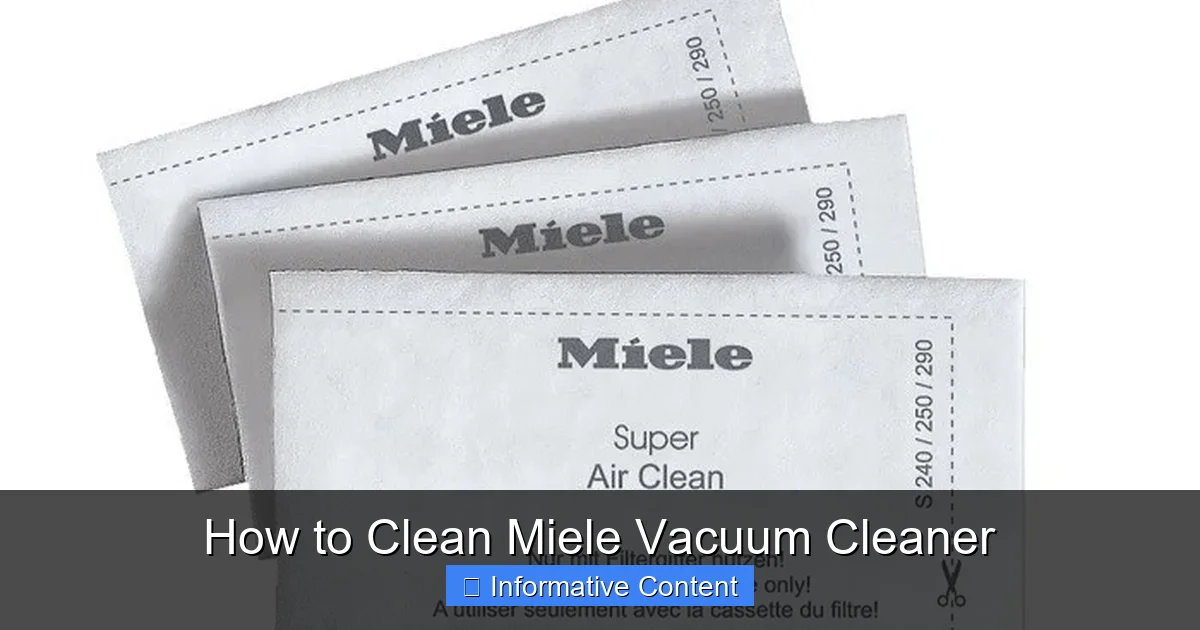
- Miele AirClean Filter: These are usually found in bagged models. They are designed for general household dust retention and should be replaced every 4-5 dustbags, or at least once a year. They are not washable.
- Miele Active AirClean Filter (Charcoal Filter): Ideal for pet owners, this filter combines the AirClean filter with a layer of activated charcoal to absorb odors. It should be replaced every 4-5 dustbags, or at least once a year, and is not washable.
- Miele HEPA AirClean Filter: The ultimate in filtration, trapping 99.95% of viruses, bacteria, and allergens. These filters often have a “Timestrip” indicator that changes color to tell you when it’s time for replacement (usually about once a year, or after 50 operating hours). They are generally not washable, but some specific models might have rinsable HEPA filters – again, check your manual carefully.
Replacement Instructions (for non-washable types):
- Open the filter compartment (often at the back or side of the vacuum).
- Remove the old exhaust filter. If it has a “Timestrip,” note its color.
- Insert a new, genuine Miele filter, ensuring it sits correctly.
- Close the filter compartment lid securely.
When to Replace vs. Rinse
The general rule is: if your Miele filter is specifically labeled “washable” in your user manual, you can rinse it. If it’s not, it’s a replacement-only filter. Attempting to wash non-washable filters can damage the filter material and reduce its effectiveness, potentially allowing harmful particles to escape or even damaging your vacuum’s motor. Always err on the side of caution and replace filters as recommended by Miele.
Cleaning the Vacuum Head (Floorhead) and Attachments
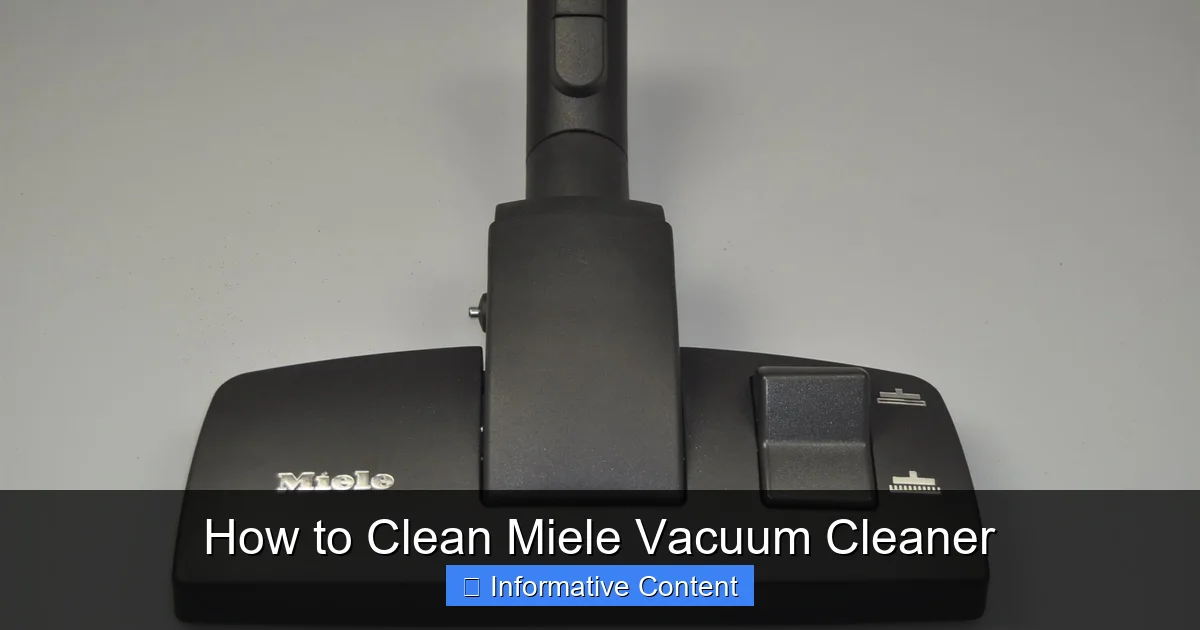
The floorhead is where most of the action happens. It picks up the dirt, so it also collects the most debris, especially hair. Learning how to clean Miele vacuum cleaner floorheads is vital for effective cleaning.
Removing Hair and Debris from the Brush Roll
This is often the most satisfying part of vacuum maintenance! A tangled brush roll cannot rotate effectively, reducing cleaning performance.
- Turn the floorhead upside down.
- Carefully use small scissors or a seam ripper to cut through any tangled hair, thread, or fibers wrapped around the brush roll. Be extremely careful not to cut the brush bristles themselves or the belt if your model has one.
- Once cut, gently pull the hair and debris away from the brush roll. Tweezers can be helpful for stubborn bits.
- Some Miele floorheads allow for easy removal of the brush roll for deeper cleaning. Consult your manual to see if this is an option for your specific model. If so, remove the brush roll and clean any debris from the brush roll compartment.
- Check the end caps of the brush roll for debris, as hair can wrap around the axles and impede rotation.
Cleaning Wheels and Nozzles
The small wheels on the floorhead can accumulate hair and lint, making them stiff and less able to glide smoothly. Use a small pick or tweezers to remove any trapped debris. Wipe the wheels clean with a damp cloth. Also, inspect the suction opening of the floorhead and any integrated nozzles for blockages and clear them out.
Washing Attachments
Your Miele vacuum comes with various attachments like the crevice nozzle, upholstery tool, and dusting brush. These also get dirty.
- Detach all attachments from the vacuum.
- For most plastic attachments, you can wash them in warm, soapy water. Use a soft brush to scrub away any grime or dust.
- Rinse them thoroughly with clean water.
- Allow them to air dry completely before reattaching them to your vacuum cleaner.
- For dusting brushes with natural bristles, you might just need to gently tap them to release dust or use another vacuum to suction the dust off. Avoid soaking natural bristles.
Exterior Cleaning and Cord Care
Keeping the outside of your Miele vacuum cleaner clean not only looks good but also prevents dirt from being redeposited into your home.
Wiping Down the Casing
The main body of your Miele vacuum can get dusty and scuffed during use. A quick wipe-down keeps it looking new.
- Use a soft, slightly damp cloth (microfiber works great) to wipe all exterior surfaces of the vacuum cleaner.
- For stubborn marks, you can use a small amount of mild dish soap diluted in water, but avoid harsh abrasive cleaners or solvents, as these can damage the finish.
- Ensure the cloth is only damp, not dripping wet, to avoid moisture getting into electrical components.
- Dry the vacuum with a separate, clean, dry cloth.
Inspecting the Power Cord and Plug
The power cord is a critical, yet often overlooked, component. Periodically inspect it for any signs of damage:
- Look for fraying, cuts, exposed wires, or kinks along the entire length of the cord.
- Check the plug for any bent prongs or discoloration.
- If you find any damage, do not use the vacuum cleaner. Contact Miele service for repair or replacement to ensure safety.
- Wipe the cord clean with a slightly damp cloth if it’s dirty, then dry it thoroughly.
- Ensure the automatic cord rewind mechanism works smoothly. If it’s sluggish, gently pull the cord out fully (until the yellow marker) and then allow it to rewind while guiding it manually to prevent tangles.
Conclusion
There you have it! A complete guide on how to clean Miele vacuum cleaner components to keep it performing like new. Regular maintenance is not just about cleaning; it’s about preserving the quality, efficiency, and longevity of your valuable appliance. By following these steps consistently, you’ll ensure that your Miele vacuum continues to provide exceptional cleaning power and superior air quality for your home for many years to come.
Think of cleaning your Miele vacuum as a small investment of your time that pays off in big dividends – a cleaner home, a longer-lasting vacuum, and the satisfaction of knowing you’re getting the most out of your premium cleaning machine. So, roll up your sleeves, grab your tools, and give your Miele the care it deserves!
Frequently Asked Questions
How do I know when to replace my Miele vacuum’s dustbag?
Your Miele vacuum cleaner has a dustbag change indicator, usually a visual display that changes color or a light that illuminates when the bag is full. Replace the bag when this indicator signals, or when you notice a decrease in suction power.
Can I use water to clean the inside of my Miele vacuum cleaner?
No, you should only use a slightly damp cloth to wipe down the interior of the dust compartment. Avoid using excess water or submerging any electrical parts. Always ensure the area is completely dry before reassembling.
My Miele vacuum cleaner smells bad. What can I do?
A bad smell often indicates a full dustbag, a clogged filter, or something stuck in the brush roll or hose. Replace the dustbag and filters, and thoroughly clean the floorhead and hose to remove any trapped debris causing the odor.
What if my Miele vacuum cleaner’s power cord is damaged?
If you notice any fraying, cuts, or damage to your Miele vacuum cleaner’s power cord or plug, stop using the vacuum immediately. Using a damaged cord can be a serious safety hazard. Contact Miele service for professional repair or replacement.
How often should I clean the exterior of my Miele vacuum?
Wiping down the exterior casing of your Miele vacuum cleaner can be done as often as needed, typically every few uses or whenever you notice dust and scuffs. This keeps it looking good and prevents dirt from accumulating.
What is the “Timestrip” on some Miele HEPA filters?
The Timestrip is a clever indicator on certain Miele HEPA AirClean filters. It gradually changes color over time or with usage, visually telling you when it’s time to replace the filter, ensuring optimal filtration and motor protection.