Dyson Vacuum Cleaner How to Clean
Keeping your Dyson vacuum cleaner spotless is key to its performance and longevity. Regular maintenance, including emptying the bin, washing filters, and clearing brush bar tangles, ensures optimal suction and prevents common issues. This comprehensive guide will show you exactly how to clean your Dyson vacuum cleaner, step-by-step, making the process simple and effective, ultimately extending the life of your valuable cleaning companion.
Ah, the Dyson vacuum cleaner! A marvel of modern engineering, known for its powerful suction, innovative design, and a knack for making cleaning feel, dare we say, almost enjoyable. But even the best cleaning machines need a little TLC to keep them performing at their peak. Over time, dust, debris, hair, and microscopic particles can build up in various parts of your Dyson, leading to decreased suction, unpleasant odors, and even potential motor strain.
If you’ve noticed your trusty Dyson isn’t quite as mighty as it once was, or if it simply looks a bit grimy, chances are it’s time for a deep clean. Many Dyson owners wonder, “Dyson vacuum cleaner how to clean?” and it’s a valid question. While these machines are designed for high performance, they also require specific care to maintain that performance. Think of it like a high-performance car – you wouldn’t expect it to run perfectly without regular maintenance, right? Your Dyson is no different. A clean Dyson isn’t just about aesthetics; it’s about restoring its efficiency, prolonging its lifespan, and ensuring you get the best possible cleaning results every time.
Don’t worry, cleaning your Dyson vacuum cleaner isn’t a daunting task. With a little guidance and a few simple steps, you can easily revitalize your machine and bring back that ‘like-new’ suction power. This comprehensive guide will walk you through everything you need to know about “Dyson vacuum cleaner how to clean,” covering all the essential components from the dust bin to the filters and the brush bar. Let’s get your Dyson sparkling and sucking like it used to!
Key Takeaways
- Regular Cleaning is Essential: Consistent cleaning, beyond just emptying the bin, is crucial for maintaining your Dyson’s powerful suction and preventing premature wear and tear.
- Filter Washing is Crucial for Suction: Your Dyson’s washable filter (or filters) must be rinsed thoroughly with cold water and dried completely to ensure optimal airflow and prevent loss of suction.
- Brush Bar Maintenance Prevents Issues: Regularly removing tangled hair and debris from the cleaner head’s brush bar ensures efficient dirt pick-up and prevents motor strain.
- Check for Blockages Often: Frequent inspection of the wand, hose, and cleaner head for blockages is vital to maintain consistent airflow and prevent overheating.
- Proper Drying is a Must: Always allow filters and any other damp components to air dry for at least 24-48 hours in a warm, dry place before reassembling, as moisture can damage the motor.
- Safety First: Always disconnect your Dyson vacuum cleaner from its power source before attempting any cleaning or maintenance to prevent accidental activation.
Quick Answers to Common Questions
How often should I clean my Dyson filter?
Most Dyson washable filters should be rinsed with cold water at least once a month, or more frequently if you use your vacuum often or have pets. Always allow for 24-48 hours of drying time.
Can I use soap to wash my Dyson filter?
No, never use soap, detergents, or any cleaning agents on your Dyson filter. Only use cold water, as chemicals can damage the filter material and impede its ability to trap fine dust.
What if my Dyson still has low suction after cleaning?
If suction remains low after emptying the bin and cleaning/drying the filter, the most common next step is to check thoroughly for blockages in the wand, hose, and cleaner head. Also, ensure your filter is completely dry.
How do I remove tangled hair from the brush bar?
After removing the brush bar, use scissors to carefully cut through any wrapped hair or fibers. Be gentle to avoid damaging the bristles, then simply pull the debris away.
Is it safe to get the brush bar wet?
Generally, it’s best to avoid getting the brush bar itself wet, as the internal components and bearings might not be designed for water exposure. Instead, use dry cleaning methods like scissors and a brush to remove debris.
📑 Table of Contents
- Before You Begin: Safety First & What You’ll Need
- Section 1: Cleaning the Dust Bin/Canister – Your First Line of Defense
- Section 2: Washing the Filter(s) – The Heart of Your Dyson’s Suction
- Section 3: Clearing Blockages & Cleaning the Wand/Hose – Maintaining Airflow
- Section 4: Maintaining the Cleaner Head/Brush Bar – Where the Dirt Meets Its Match
- Section 5: Deep Cleaning & Other Components – The Finishing Touches
- Conclusion: The Reward of a Clean Dyson
Before You Begin: Safety First & What You’ll Need
Before you dive into the exciting world of Dyson vacuum cleaner maintenance, it’s crucial to prioritize safety. Always, and we mean always, disconnect your Dyson from its power source before you start any cleaning or inspection. This prevents accidental activation and potential injury. Once unplugged, you’re ready to gather your tools.
Gathering Your Supplies
You won’t need a professional cleaning kit to get the job done. Most of what you need is likely already in your home:
- A soft cloth or microfiber towel
- Scissors (for cutting tangled hair)
- A coin (for some brush bar fasteners)
- Cold water (for washing filters)
- A small, soft brush (like an old toothbrush for intricate parts)
- A dry, well-ventilated area for drying components
Section 1: Cleaning the Dust Bin/Canister – Your First Line of Defense
The dust bin is where all the magic happens – or rather, where all the mess ends up! It’s the most frequently cleaned part of your Dyson, and keeping it clear is fundamental to maintaining suction. Understanding “Dyson vacuum cleaner how to clean” starts right here.
Visual guide about Dyson Vacuum Cleaner How to Clean
Image source: brain-images-ssl.cdn.dixons.com
Emptying the Bin Properly
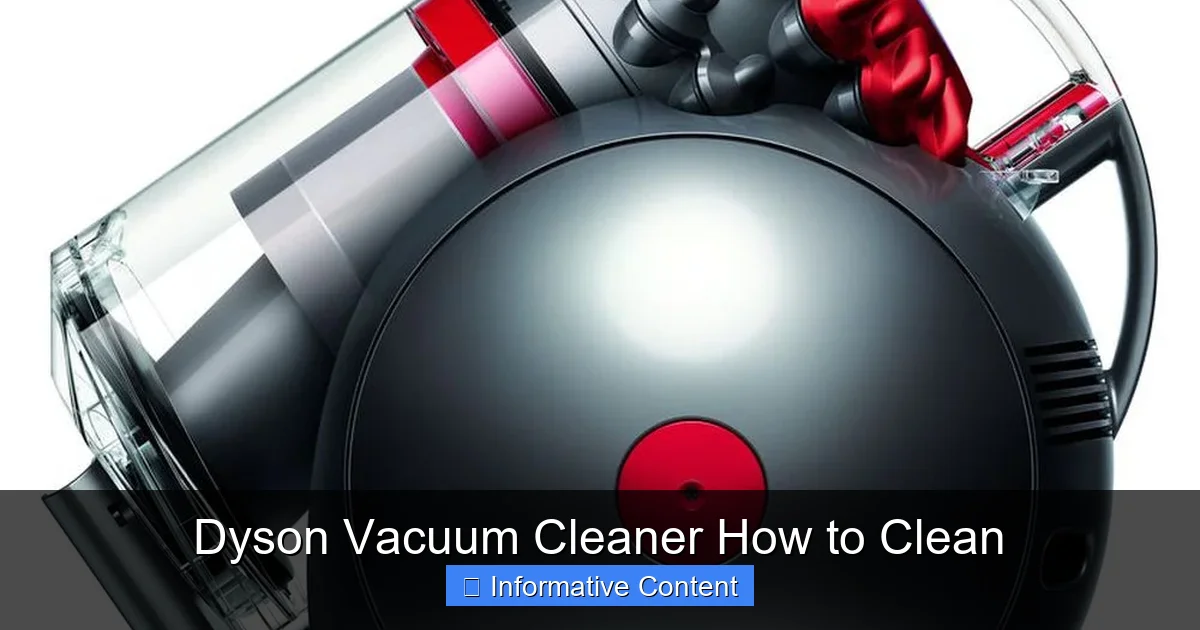
Most Dyson models have a simple, hygienic bin-emptying mechanism. Typically, you’ll find a red lever or button. Take your Dyson to a trash can, position the bin over it, and press the release button. The bottom of the bin will open, and the debris will fall out. Give it a few gentle taps to ensure everything is dislodged. If you’re sensitive to dust, you might want to do this outdoors or wear a mask.
Wiping Down the Bin and Cyclone Shroud
Even after emptying, fine dust often clings to the inside of the bin and the central cyclone shroud (the cone-shaped part). This buildup can impede airflow over time. Here’s how to clean your Dyson vacuum cleaner’s bin more thoroughly:
- Remove the Bin: Depending on your model, you might be able to fully detach the clear dust bin from the main body of the vacuum. Consult your user manual if you’re unsure.
- Wipe it Clean: Use a slightly damp (not wet!) soft cloth to wipe the inside and outside of the clear bin. For the cyclone shroud, a dry cloth or a small, soft brush can help remove stubborn dust.
- Ensure it’s Dry: Before reattaching the bin, make sure all parts are completely dry. Moisture inside the bin can cause dust to clump and create a breeding ground for mildew.
Practical Tip: For a truly deep clean, some Dyson bins (especially older models) can be rinsed under cold water. If you do this, ensure it’s completely dry for at least 24 hours before reassembly. Always check your specific model’s manual for guidance on water washing the bin.
Section 2: Washing the Filter(s) – The Heart of Your Dyson’s Suction
Your Dyson’s filter(s) are critical for trapping microscopic particles and preventing them from re-entering your home’s air. A clogged filter is the primary culprit behind diminished suction. Learning “Dyson vacuum cleaner how to clean” filters is arguably the most important step.
Identifying Your Filter Type
Dyson vacuum cleaners typically have one or two filters. Many newer models have a single, integrated, washable filter, often located at the top of the cyclone assembly or near the motor. Older models might have a washable pre-motor filter and a non-washable HEPA post-motor filter. Always check your user manual to confirm your filter type and location.
- Washable Filters: These are usually blue, purple, or marked with a “wash” icon. They need regular rinsing.
- Non-Washable Filters: Often black, grey, or not explicitly labeled for washing. These usually need to be replaced periodically (every 6-12 months). Do NOT wash these!
Step-by-Step Filter Washing (for Washable Filters)
This is where “Dyson vacuum cleaner how to clean” really makes a difference to performance.
- Remove the Filter: Locate and gently twist or pull out the filter from its housing.
- Rinse with Cold Water: Hold the filter under a cold water tap. Crucially, do NOT use any detergents, soaps, or hot water, as these can damage the filter material.
- Rinse Until Clear: Squeeze and twist the filter repeatedly under the running water until the water running through it runs completely clear. You’ll be amazed at how much dirt comes out!
- Shake Excess Water: Vigorously shake the filter to remove as much excess water as possible.
Drying Your Filter Properly – The Most Critical Step
This cannot be overstated: your filter must be completely, utterly, 100% dry before reinserting it into your Dyson.
- Air Dry Only: Place the filter in a warm, dry area with good airflow. A window sill, near a fan, or an airing cupboard works well. Do NOT use a tumble dryer, microwave, or any artificial heat source, as this will damage the filter.
- Allow Ample Time: Dyson recommends at least 24 hours of drying time, but for best results, 48 hours is often safer, especially in humid climates. If you can still feel any dampness, it’s not ready. Reinserting a damp filter can lead to mildew growth and, more seriously, damage your Dyson’s motor, voiding your warranty.
Practical Tip: Consider purchasing a spare washable filter. That way, you can rotate them, always having a clean, dry one ready to go while the other dries.
Section 3: Clearing Blockages & Cleaning the Wand/Hose – Maintaining Airflow
A blockage anywhere in the system will dramatically reduce suction and can put a strain on the motor. Part of learning “Dyson vacuum cleaner how to clean” involves ensuring a clear path for air and debris.
Checking for Blockages
If your Dyson is still struggling after emptying the bin and cleaning the filter, a blockage is the next likely culprit. Here’s how to check:
- Remove the Wand/Hose: Detach the wand and hose from the main body of the vacuum and the cleaner head.
- Visual Inspection: Look through both ends of the wand and hose. Use a flashlight if needed. Often, larger debris like socks, paper, or clumps of hair can get stuck.
- Use a Blunt Object: If you see a blockage, use a broom handle or a long, blunt stick to gently push the obstruction through. Never use anything sharp that could pierce the hose.
- Check Cleaner Head Inlet: Also inspect the inlet pipe where the cleaner head connects to the main body or wand.
Cleaning the Wand and Hose
While usually not needing a deep wash, the inside of the wand and hose can accumulate fine dust over time, slightly restricting airflow. A dry cloth can be pushed through the wand with a stick, and for the hose, a gentle shake can dislodge loose debris. Avoid getting the hose inner lining wet, as it can be difficult to dry completely and may retain moisture.
Section 4: Maintaining the Cleaner Head/Brush Bar – Where the Dirt Meets Its Match
The cleaner head and its brush bar are on the front lines, constantly agitating and sweeping up dirt. It’s also where hair, string, and fibers love to tangle, which can reduce its effectiveness and even stop it from spinning. This is a critical step in “Dyson vacuum cleaner how to clean.”
Removing the Brush Bar
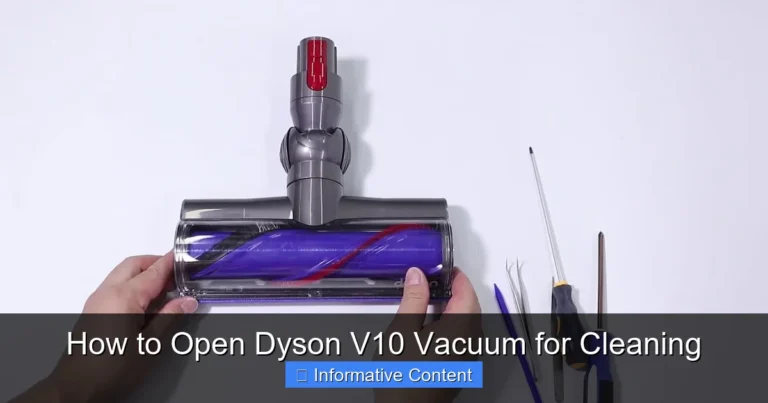
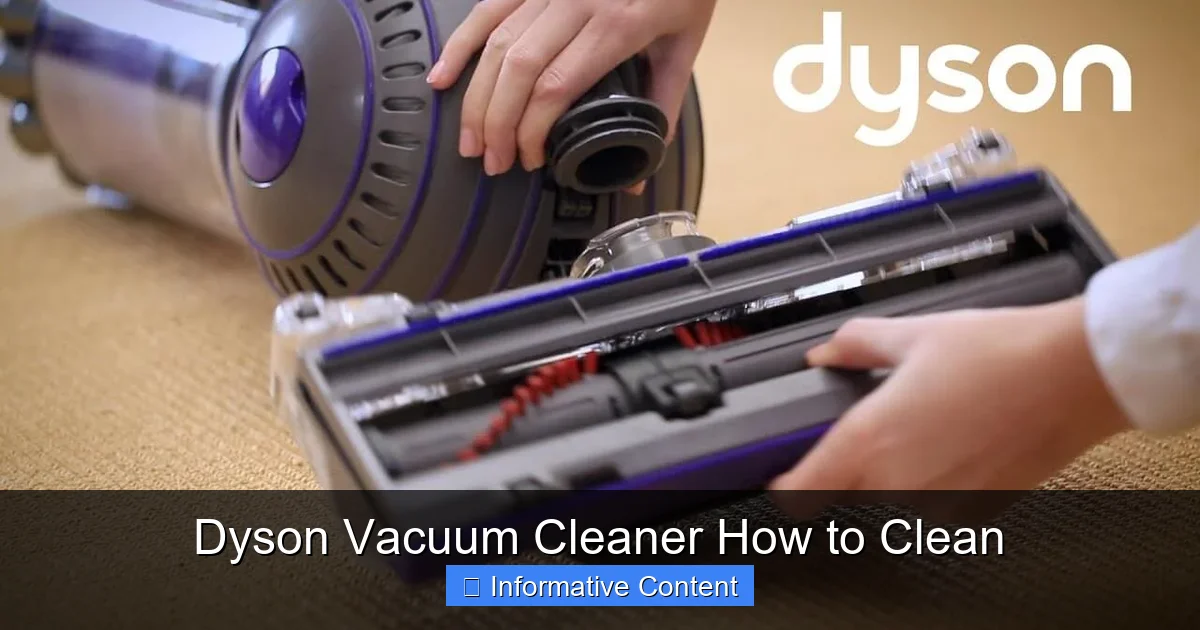
The process varies slightly between models (e.g., Dyson V-series, Ball, Cinetic). Often, you’ll need to unlock a retaining clip or use a coin to twist a fastener on the side of the cleaner head to release the brush bar. Consult your manual for exact instructions. Once released, the brush bar should slide out easily.
Cleaning Hair and Debris
- Cut Away Tangles: Use scissors to carefully cut through any tangled hair, string, or carpet fibers wrapped around the brush bar. Be gentle and avoid cutting the bristles themselves.
- Remove Debris: Pull away all the cut hair and any trapped debris. A small, soft brush can help clean around the bristles and bearings.
- Wipe Down the Housing: Use a dry or slightly damp cloth to wipe down the inside of the cleaner head housing, removing any accumulated dust and grime.
Practical Tip: Some newer Dyson models feature “tangle-free” cleaner heads, but even these can benefit from occasional checks and a quick wipe-down to maintain optimal performance.
Reassembling the Cleaner Head
Once clean, carefully slide the brush bar back into its housing, ensuring it clicks securely into place or that the fastener is retightened. Test the brush bar by hand to make sure it spins freely before reattaching the cleaner head to your Dyson.
Section 5: Deep Cleaning & Other Components – The Finishing Touches
Beyond the core components, there are other parts of your Dyson that benefit from a periodic clean. This step ensures your Dyson not only performs well but also looks great.
Cleaning Attachments
Your Dyson comes with various attachments – crevice tools, dusting brushes, upholstery tools. These too can accumulate dust, hair, and grime. A quick wipe-down with a damp cloth, or a rinse under cold water (if they don’t contain any electronic components or fabrics), will keep them hygienic and effective. Ensure they are completely dry before storage.
Wiping Down the Body
Over time, the exterior of your Dyson can get dusty and smudged. Use a soft, slightly damp cloth to wipe down the main body, handle, and wheels. For stubborn marks, a small amount of mild soap on the cloth can be used, but ensure you wipe it clean with a damp cloth afterward and dry thoroughly. Avoid getting water into any openings or electrical components.
Practical Tip: Don’t forget the wheels! Hair and debris can often get wrapped around the axles of the wheels, making your Dyson harder to maneuver. Carefully remove any tangles with scissors.
Conclusion: The Reward of a Clean Dyson
Congratulations! You’ve successfully navigated the ins and outs of “Dyson vacuum cleaner how to clean.” By regularly performing these maintenance steps – emptying the bin, washing the filter, clearing blockages, and cleaning the brush bar – you’re not just giving your Dyson a bath; you’re actively preserving its powerful suction and extending its working life.
Think of it as an investment in your home’s cleanliness and your Dyson’s longevity. A well-maintained Dyson works smarter, not harder, effortlessly tackling dirt and leaving your floors spotless. So, make these cleaning rituals a part of your routine. Your floors will thank you, your allergies will thank you, and most importantly, your powerful Dyson vacuum cleaner will continue to deliver that exceptional cleaning performance you invested in. Happy cleaning!
Frequently Asked Questions
Why is my Dyson losing suction even after I’ve emptied the bin?
Loss of suction often indicates a clogged filter, which needs to be washed and thoroughly dried, or a blockage within the vacuum’s wand, hose, or cleaner head. Fine dust can also accumulate on the cyclone shroud inside the bin, reducing airflow over time.
How long does it take for a Dyson filter to dry completely?
For a Dyson filter to dry completely, it typically requires at least 24 hours in a warm, well-ventilated area. In humid conditions or if the filter is particularly saturated, it’s safer to allow up to 48 hours to ensure no moisture remains, preventing damage to the motor.
What should I do if my Dyson vacuum cleaner smells bad?
An unpleasant smell usually comes from trapped debris, mold, or bacteria. Perform a thorough cleaning of the dust bin, wash and dry the filter completely, and clean the brush bar. If odors persist, check for blockages in the hose and wand where organic material might be decomposing.
Are all Dyson filters washable?
No, not all Dyson filters are washable. Most newer models have washable pre-motor filters, but some older models or specific post-motor (HEPA) filters are non-washable and require periodic replacement. Always check your specific Dyson model’s user manual for guidance on filter maintenance.
Can I clean my Dyson’s internal components myself, or should I take it to a professional?
Most routine cleaning, such as emptying the bin, washing filters, clearing blockages, and cleaning the brush bar, can and should be done by the owner. However, if you suspect a motor issue or need to access internal electrical components, it’s best to consult Dyson customer support or a certified professional to avoid voiding your warranty or causing further damage.
How often should I perform a deep clean on my Dyson?
While emptying the bin after every use is standard, a deep clean involving filter washing, brush bar cleaning, and blockage checks should be performed at least once a month. For pet owners or those who vacuum frequently, a deep clean every two to three weeks will help maintain optimal performance.