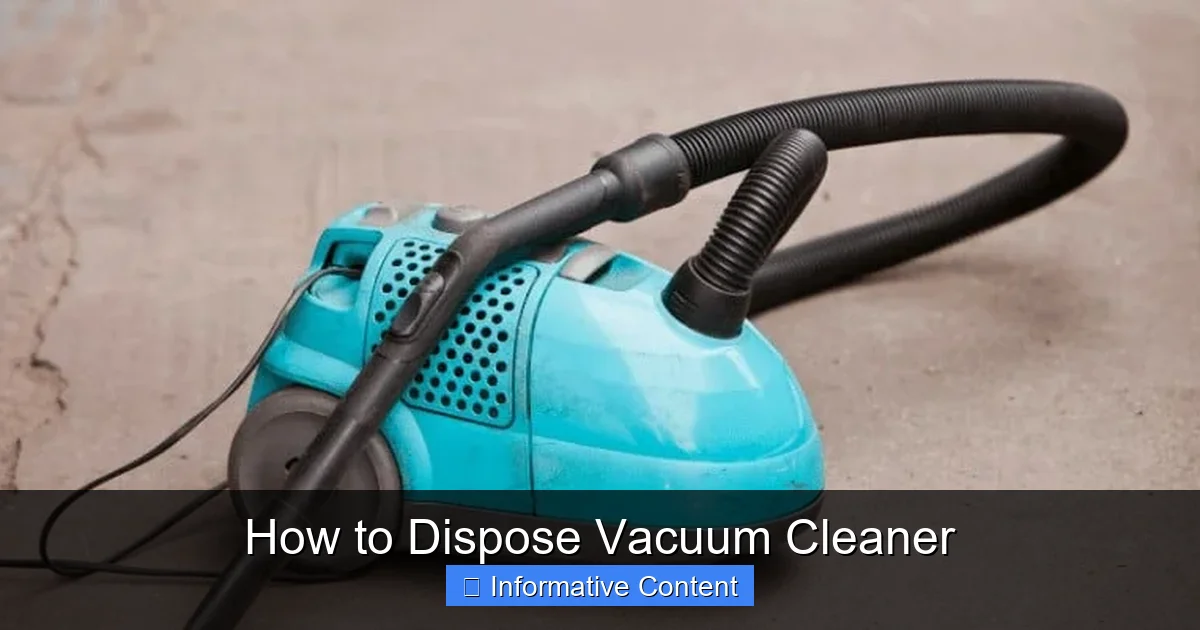
How to Dispose Vacuum Cleaner
When it’s time to retire your old vacuum, knowing how to dispose vacuum cleaner properly is crucial for environmental health. This guide explores various eco-friendly methods, from donating and repairing to recycling and specialized e-waste disposal, ensuring your appliance doesn’t end up polluting landfills. Make a responsible choice for a greener future.
Welcome, friend! So, your trusty vacuum cleaner has finally bitten the dust, or maybe you’ve just upgraded to a newer, fancier model. Now you’re standing there, looking at the old one, and wondering: “What do I do with this? How do I dispose vacuum cleaner responsibly?” You’re not alone! This is a common question, and thankfully, there are many better options than simply tossing it in the regular trash.
Disposing of old electronics, including vacuum cleaners, isn’t as straightforward as throwing out your kitchen scraps. These appliances contain a mix of plastics, metals, rubber, and sometimes even hazardous components like batteries or trace amounts of lead. Sending them to a landfill means these materials could leach into the soil and groundwater, harming the environment. Plus, it’s a huge waste of valuable resources that could be recycled and reused.
That’s why learning how to dispose vacuum cleaner properly is so important. It’s a small step that collectively makes a big difference for our planet. In this comprehensive guide, we’ll walk you through all the best, most eco-friendly ways to say goodbye to your old vacuum, ensuring it gets a second life or is processed in a way that minimizes environmental impact. Let’s dive in!
Key Takeaways
- Don’t Landfill Your Vacuum: Vacuum cleaners are considered e-waste and contain components harmful to the environment if sent to regular landfills.
- Prioritize Repair and Reuse: Before disposal, consider if your vacuum can be repaired, donated, or sold to extend its lifespan and reduce waste.
- Utilize E-waste Recycling Centers: The most common and eco-friendly method to dispose vacuum cleaner is through dedicated e-waste recycling facilities or events.
- Check Manufacturer and Retailer Programs: Many brands and stores offer take-back or recycling initiatives for old electronics, including vacuum cleaners.
- Consult Local Municipal Services: Your local council may have specific bulk waste collection days, special e-waste drop-off sites, or hazardous waste programs.
- Prepare Your Vacuum Safely: Always empty dustbins, remove batteries (if applicable), and unplug the unit before attempting to dispose vacuum cleaner.
- Separate Components When Possible: If recycling specific parts like batteries or metal components is an option, it can further improve environmental outcomes.
Quick Answers to Common Questions
How do I know if my vacuum cleaner is considered e-waste?
Generally, any electronic device that relies on electricity to function, including vacuum cleaners, is considered e-waste when it reaches its end-of-life. This category applies to both corded and cordless models.
Can I put my vacuum cleaner in my regular curbside recycling bin?
No, typically you cannot put a vacuum cleaner in your regular curbside recycling bin. These bins are usually for commingled recyclables like paper, plastic bottles, and cans, not for complex electronics. Always check with your local waste management services for specific rules.
What should I do with the battery from my cordless vacuum?
If your cordless vacuum has a removable battery, take it out and recycle it separately at a designated battery recycling drop-off point. These are often found at electronics stores or hardware stores, or you can use services like Call2Recycle.org to find locations.
Are there any charities that accept old vacuum cleaners?
Yes, many charities and thrift stores accept working vacuum cleaners. It’s best to call ahead to your local Goodwill, Salvation Army, or other community organizations to confirm their acceptance policy for used appliances before dropping it off.
Is it worth repairing an old vacuum cleaner instead of buying a new one?
Often, yes! Simple repairs like replacing a belt, clearing a clog, or fixing a brush roll can significantly extend a vacuum’s lifespan and are usually much cheaper than buying a new unit. It also reduces waste and saves resources.
📑 Table of Contents
Understanding Why Proper Disposal Matters
Before we get into the “how,” let’s quickly touch on the “why.” You might think, “It’s just one vacuum, what’s the big deal?” But when you multiply that by millions of households globally, it becomes a significant environmental challenge. This is where the term “e-waste” comes in. E-waste refers to discarded electrical or electronic devices, and it’s the fastest-growing waste stream in the world.
The Environmental Impact of Improper E-waste Disposal
When vacuum cleaners, or any e-waste, end up in general landfills, several problems arise. First, they take up valuable space. Landfills are finite resources. Second, they contain various materials that can be harmful. For instance, some older models might have components containing lead, mercury, or cadmium. As these items break down in a landfill, these toxic substances can seep into the soil and groundwater, contaminating ecosystems and potentially affecting human health.
Moreover, a lot of the materials in a vacuum cleaner, like plastics and metals, are valuable resources. They require energy and raw materials to produce from scratch. When we throw them away, we lose the opportunity to recover and reuse these materials, perpetuating a cycle of resource depletion and energy consumption. Learning how to dispose vacuum cleaner correctly means contributing to a circular economy where resources are valued and reused.
Before You Dispose: Can It Get a Second Life?
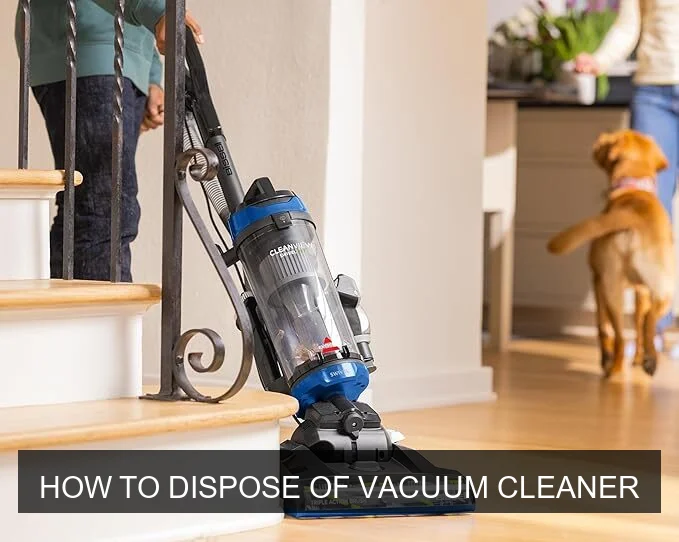
Visual guide about How to Dispose Vacuum Cleaner
Image source: howtodispose.info
Hold on a minute before you jump straight to recycling! Your old vacuum might still have some life left in it, or parts of it might be useful to someone else. Giving your vacuum a second life is often the most environmentally friendly option, as it defers the need for new manufacturing and reduces waste altogether.
Repairing Your Vacuum Cleaner
Is your vacuum truly beyond repair? Sometimes, a simple fix can bring it back to life. Common issues like clogged hoses, broken belts, or worn-out brushes are often easy and inexpensive to repair. Check the manufacturer’s website for troubleshooting guides, watch some DIY videos on YouTube, or take it to a local appliance repair shop. You might be surprised how a small repair can save you money and keep your vacuum working for years longer. This is an excellent first step before you decide how to dispose vacuum cleaner.
Donating to Charity or Thrift Stores
If your vacuum cleaner is still in good working condition but you no longer need it, consider donating it. Many charitable organizations, thrift stores, or community centers would be thrilled to accept a functional vacuum. It provides affordable household items to those in need and keeps your appliance out of the landfill. Always call ahead to confirm they accept used appliances and ensure it’s clean and fully functional.
Selling for Parts or Use
For a vacuum that still works or has valuable components, selling it could be an option. Online marketplaces like eBay, Craigslist, Facebook Marketplace, or local classifieds are great places to list your used appliance. Someone might be looking for an affordable vacuum, or perhaps an enthusiast needs a specific part to fix their own. Even a broken vacuum might fetch a small amount if its motor or other significant components are salvageable. This is a smart way to get a little cash back and reduce waste before you fully dispose vacuum cleaner.
Eco-Friendly Ways to Dispose Vacuum Cleaner
Okay, you’ve assessed your options, and it’s truly time to say goodbye. Now, let’s explore the best ways to dispose vacuum cleaner responsibly. These methods ensure that materials are recovered and harmful substances are managed safely.
E-waste Recycling Centers and Events
This is generally the gold standard for how to dispose vacuum cleaner. E-waste recycling facilities are specifically equipped to dismantle electronic devices, separate components, and process materials for reuse. They handle everything from plastics and metals to circuit boards and batteries, ensuring hazardous elements are managed properly.
How to Find One:
- Local Government Websites: Check your city or county’s waste management or public works department website. They often have lists of approved e-waste drop-off sites or scheduled e-waste collection events.
- Earth911.com: This is a fantastic resource. Simply enter your zip code and “vacuum cleaner” (or “electronics”) to find nearby recycling centers.
- Call Your Local Recycling Service: If you have curbside recycling, ask them if they offer special collections for e-waste or can direct you to a facility.
When you drop off your vacuum, ensure it’s empty, clean, and unplugged. Some centers might charge a small fee, but it’s a worthwhile investment in environmental protection.
Manufacturer Take-Back Programs
Some manufacturers have recognized their responsibility for the end-of-life of their products. Brands like Dyson, Hoover, and others occasionally offer take-back or recycling programs for their old vacuum cleaners. This is a great way to ensure your appliance is recycled by the company that knows its components best. Check the manufacturer’s official website for information on their sustainability initiatives or recycling policies. It might involve mailing the vacuum back or dropping it off at a designated location. This can be a very convenient way to dispose vacuum cleaner.
Retailer Recycling Programs
Many large electronics retailers or appliance stores have recycling programs in place, especially if you’re purchasing a new appliance from them. Stores like Best Buy, for example, often have electronics recycling kiosks or special services for larger items. Sometimes they offer trade-in value for old appliances or will recycle your old one for free when you buy a replacement. It’s always a good idea to inquire about these programs when you’re shopping for a new vacuum. Before you head out, call your local store or check their website to confirm their current recycling policies for how to dispose vacuum cleaner.
Local Council/Municipal Services
Your local waste management authority often provides services for items that don’t fit into regular curbside recycling.
Bulk Waste Collection:
Many municipalities offer bulk waste collection services a few times a year, where you can place larger items like old furniture and appliances at the curb for pick-up. Check your local council’s schedule and guidelines, as there might be specific rules about e-waste or booking slots.
Hazardous Waste Facilities:
Some regions categorize certain e-waste as hazardous due to internal components. Your local hazardous waste facility might accept vacuum cleaners. Again, your local government website is the best source for this information.
Specific Considerations: Batteries and Parts
Modern vacuum cleaners, especially cordless models, often contain lithium-ion batteries. These batteries absolutely should not go into regular trash or even general e-waste without proper handling, as they pose a fire risk and contain valuable, sometimes hazardous, materials.
Removing and Recycling Batteries
If your vacuum has a removable battery pack, take it out before disposal. Look for battery recycling drop-off points, often found at electronics stores, hardware stores, or designated battery recycling bins in public places. Websites like Call2Recycle.org can help you find nearby battery recycling locations. If the battery is not easily removable, ensure you inform the recycling facility that your vacuum contains an integrated battery when you drop it off.
Can I Disassemble My Vacuum?
For the truly DIY-inclined, disassembling your vacuum cleaner can sometimes allow for more targeted recycling. You could separate:
- Plastics: Many parts are made of recyclable plastics (e.g., PP, ABS). Check for recycling symbols.
- Metals: The motor, screws, and other internal components are often metal and can be taken to a metal scrapyard.
- Wires/Cords: These contain copper and are also recyclable at scrap metal facilities.
However, this can be time-consuming and requires some technical know-how. Unless you’re comfortable with tools and familiar with electronics, it’s usually easier and safer to take the whole unit to an e-waste recycler. If you do disassemble it, always prioritize safety: unplug the unit and wear protective gear.
Safety First: Pre-Disposal Steps
Before you haul your old vacuum cleaner anywhere, take a moment to ensure it’s ready for disposal.
- Unplug It: Always disconnect the vacuum from the power source.
- Empty the Dustbin/Bag: Ensure all dust, dirt, and debris are removed. This makes it cleaner for handlers and prevents potential contamination at recycling facilities.
- Remove Batteries: As discussed, if your vacuum has a removable battery pack, take it out and recycle it separately.
- Clean It Up: A quick wipe-down can make it more appealing for donation or sale, and simply more respectful for recycling center staff.
- Remove Personal Items: Double-check for any small items that might have been accidentally sucked up and stored in the dustbin or hose.
Taking these simple steps helps ensure a smooth, safe, and environmentally friendly disposal process for your old vacuum cleaner.
Conclusion: Making a Responsible Choice
Disposing of an old vacuum cleaner doesn’t have to be a mystery or a chore that harms the environment. By understanding the options available – from repairing and donating to utilizing specialized e-waste recycling, manufacturer programs, and local services – you can make an informed and responsible choice. Each action you take to properly dispose vacuum cleaner contributes to reducing landfill waste, conserving valuable resources, and minimizing environmental pollution.
So, the next time an appliance reaches the end of its life, remember that a little research goes a long way. Let’s all do our part to keep our homes clean and our planet greener, one properly disposed vacuum cleaner at a time. Thank you for making the effort to dispose vacuum cleaner thoughtfully!
Frequently Asked Questions
What types of materials are found in a vacuum cleaner?
A typical vacuum cleaner contains a mix of materials, primarily plastics for the casing, hoses, and attachments, metals in the motor and internal components, rubber for belts and seals, and electrical wiring. Cordless models also contain complex battery packs.
Why is it bad to put a vacuum cleaner in the landfill?
Putting a vacuum cleaner in a landfill is detrimental because it occupies valuable space, wastes recyclable materials like plastic and metal, and can potentially release hazardous substances (such as lead or mercury from older models, or chemicals from batteries) into the soil and groundwater as it degrades.
Do manufacturers offer take-back programs for old vacuums?
Some vacuum cleaner manufacturers do offer take-back or recycling programs as part of their environmental responsibility initiatives. It’s always a good idea to check the official website of your specific brand for information on their sustainability or recycling policies.
What’s the difference between e-waste recycling and regular recycling?
E-waste recycling is specialized for electronic devices, which contain a complex mix of materials, some hazardous, requiring specific processes for safe dismantling and material recovery. Regular recycling typically handles simpler, sorted materials like paper, plastic bottles, glass, and cans, which have different processing needs.
Can I get money for recycling my old vacuum cleaner?
While most e-waste recycling centers do not pay you for vacuum cleaners, and may even charge a small fee, some scrap metal yards might pay a minimal amount if you’ve disassembled it and can provide pure metal components. Donating or selling a working vacuum is more likely to yield value or a tax deduction.
How can I find a local e-waste recycling center for my vacuum?
To find a local e-waste recycling center, you can check your city or county’s waste management website, use online recycling locators like Earth911.com, or contact your local public works department. Many electronics retailers also offer recycling drop-off services.