How to Select Vacuum Cleaner
Choosing the right vacuum cleaner can transform your cleaning routine, making it faster and more effective. This comprehensive guide helps you understand various vacuum types, essential features, and what truly matters for your home’s specific needs, like flooring, pets, or allergies. Learn how to select vacuum cleaner that offers the best performance and value for your lifestyle.
Ah, the humble vacuum cleaner! It’s one of those essential home appliances we often take for granted until it breaks down, or we find ourselves wrestling with an old, underperforming model. Then, the realization hits: a good vacuum cleaner isn’t just about sucking up dirt; it’s about maintaining a healthy, clean living space and making your life a whole lot easier.
But here’s the kicker: walking into an appliance store or browsing online can feel like stepping into a labyrinth of confusing features, types, and price tags. Upright? Canister? Bagged? Bagless? HEPA filter? Pet hair attachment? The sheer number of choices can be overwhelming, leaving many wondering, “How do I even begin to select a vacuum cleaner that’s right for me?”
Don’t sweat it! This comprehensive guide is designed to cut through the clutter and empower you to make an informed decision. We’ll break down everything you need to know about how to select vacuum cleaner, ensuring you pick a device that perfectly matches your home, lifestyle, and budget. By the end, you’ll be well-equipped to find your cleaning soulmate.
Key Takeaways
- Assess Your Home’s Needs First: Before looking at models, identify your floor types (carpet, hard floors), if you have pets or allergies, and the size of your living space. This foundation helps narrow down your choices significantly.
- Understand Different Vacuum Types: Familiarize yourself with upright, canister, stick, handheld, and robotic vacuums. Each type excels in different areas, from heavy-duty carpet cleaning to quick touch-ups or automated maintenance.
- Prioritize Key Features: Look for strong suction, effective filtration (especially HEPA for allergies), appropriate attachments for your cleaning tasks, and a comfortable weight/maneuverability for your physical comfort.
- Bagged vs. Bagless: Consider the pros and cons of each system. Bagged vacuums offer more hygienic disposal and better allergy control, while bagless models save on recurring bag costs and are eco-friendlier.
- Don’t Overlook Maintenance: A vacuum is an investment. Choose a model that’s easy to clean, maintain, and for which replacement parts (filters, bags) are readily available. Proper maintenance extends its lifespan and performance.
- Set a Realistic Budget: Vacuum cleaners range widely in price. Determine your budget beforehand, but remember that investing a bit more in a durable, feature-rich model can save you money and frustration in the long run.
Quick Answers to Common Questions
What’s the best vacuum type for pet hair?
Upright vacuums with strong brush rolls and specialized pet tools are generally best for deep cleaning pet hair from carpets, while canister vacuums or powerful stick vacuums with mini motorized tools are excellent for pet hair on hard floors and upholstery.
Are cordless stick vacuums powerful enough for a whole house?
For smaller homes or apartments, a powerful cordless stick vacuum might suffice for primary cleaning. However, for larger homes or deep cleaning thick carpets, they often lack the battery life, dustbin capacity, and raw power of a full-sized corded upright or canister vacuum.
How often should I clean my vacuum’s filters?
Most manufacturers recommend cleaning washable filters every 1-3 months, depending on usage and household dust levels. Non-washable filters (like HEPA) typically need to be replaced annually or bi-annually. Always refer to your vacuum’s user manual for specific guidance.
Is a HEPA filter truly necessary?
While not strictly “necessary” for everyone, a HEPA filter is highly recommended if anyone in your household suffers from allergies or asthma, or if you simply want the cleanest possible air. It effectively traps microscopic allergens and irritants that other filters miss.
What’s the main difference between an upright and a canister vacuum?
Upright vacuums combine the motor and cleaning head into one unit, making them generally better for deep carpet cleaning. Canister vacuums separate the motor/dustbin from the cleaning head, offering greater maneuverability, versatility with attachments, and superior performance on hard floors and for above-floor cleaning.
📑 Table of Contents
1. Start with Your Home: Understanding Your Specific Needs
Before you get caught up in shiny features, the very first step in how to select vacuum cleaner is to understand your own cleaning landscape. Your home’s unique characteristics will dictate the best type and features of the vacuum you need.
What Type of Flooring Do You Have?
- Mostly Carpets/Rugs: If your home is predominantly carpeted, especially with thick pile, you’ll want a vacuum with powerful suction and a strong, adjustable brush roll (also called a beater bar). Upright vacuums often excel here. Look for models where you can turn the brush roll off for delicate rugs or switch to hard floors.
- Mostly Hard Floors (Hardwood, Tile, Laminate): For hard surfaces, a gentle touch is key to avoid scratching. Canister vacuums with soft brush heads or stick vacuums are often ideal. You still need good suction, but a strong, aggressive brush roll can scatter debris rather than collect it. Ensure the brush roll can be turned off or is designed for hard floors.
- Mixed Flooring: Many homes have a combination of carpets and hard floors. In this case, versatility is crucial. Look for vacuums with brush roll on/off capabilities, multiple power settings, or specialized heads that can transition seamlessly between surfaces. Canister vacuums and some high-end uprights or stick vacuums offer this flexibility.
Do You Have Pets?
Pet owners, rejoice! You’re not alone in the battle against fur, dander, and tracked-in dirt. If you share your home with furry friends, your vacuum cleaner selection process needs a specific focus. Look for models explicitly designed as “pet vacuums.” These often feature:
- Stronger Suction: To pick up embedded pet hair from carpets and upholstery.
- Specialized Pet Tools: Mini motorized brushes or turbo brushes are fantastic for removing hair from furniture, stairs, and tight spaces.
- Enhanced Filtration: Pet dander can be a major allergen. HEPA filters are a must for capturing these microscopic particles.
- Odor Control: Some pet vacuums include activated charcoal filters or Febreze-like systems to neutralize pet odors.
Are Allergies or Asthma a Concern?
For those sensitive to dust, pollen, pet dander, or other airborne allergens, the filtration system of your vacuum cleaner is paramount. When considering how to select vacuum cleaner for health reasons, always prioritize:
- HEPA Filtration: This is non-negotiable. HEPA (High-Efficiency Particulate Air) filters can trap 99.97% of airborne particles as small as 0.3 microns, including dust mites, pet dander, and pollen. Ensure the vacuum has a “sealed system” to prevent dust from leaking out before filtration.
- Bagged Systems: While bagless vacuums are convenient, emptying a dust bin can release a cloud of allergens back into the air. Bagged vacuums offer a more hygienic disposal method, trapping allergens within the bag.
What’s the Size of Your Home?
- Small Apartments/Studios: A lightweight stick vacuum or a compact canister might be perfect for quick cleanups and easy storage. A handheld vacuum can supplement for spills and tight spots.
- Medium to Large Homes: You’ll likely need a more robust solution like an upright or a full-sized canister vacuum for thorough cleaning. Consider cord length or battery life for cordless models.
- Multiple Levels/Stairs: Maneuverability is key. Lighter uprights, canister vacuums (where you only carry the hose and wand), or stick vacuums are better for stairs than heavy, bulky models.
2. Exploring the Different Types of Vacuum Cleaners
Now that you know your needs, let’s dive into the various vacuum cleaner types available. Understanding their strengths and weaknesses is crucial for how to select vacuum cleaner that aligns with your household demands.

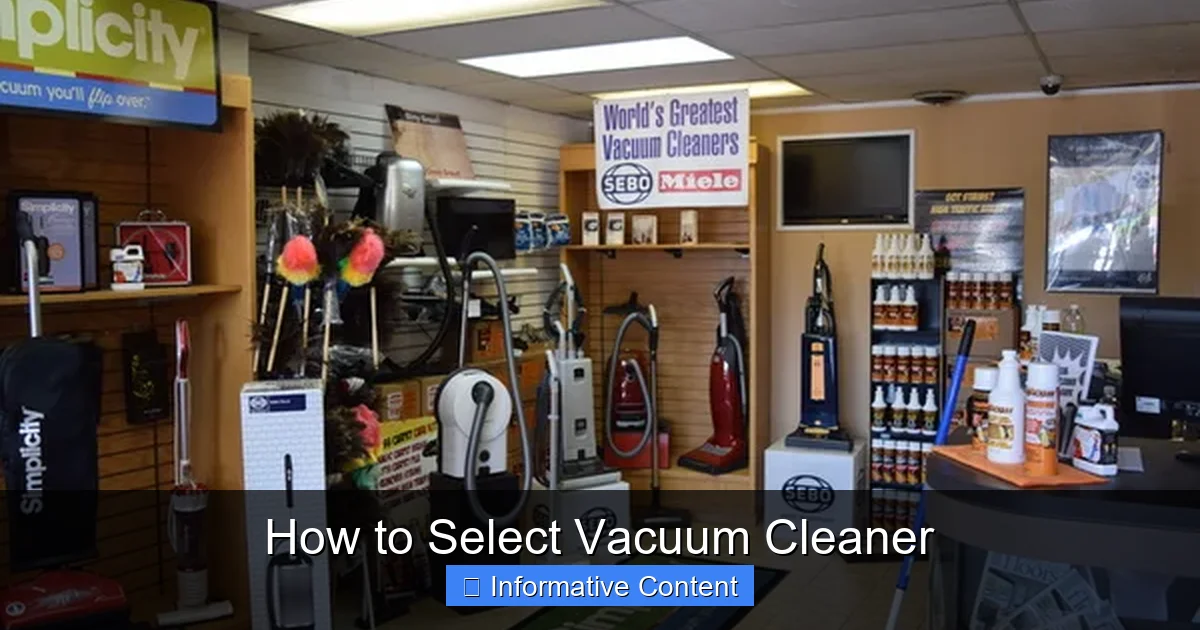
Visual guide about How to Select Vacuum Cleaner
Image source: ic.toolsid.com
Upright Vacuums
These are the classic, stand-up vacuums most people envision. They typically feature a powerful motor and a rotating brush roll that agitates carpet fibers, making them excellent for deep cleaning carpets and rugs. Many modern uprights now come with attachments for above-floor cleaning and brush roll shut-off for hard floors.
- Pros: Excellent carpet cleaning, often good value, large dustbin capacity.
- Cons: Can be heavy and bulky, less maneuverable in tight spaces, can be noisy.
- Best For: Homes with extensive carpeting, powerful deep cleaning.
Canister Vacuums
Canister vacuums consist of a motor and dustbin unit (the “canister”) on wheels, connected to a long hose and a separate cleaning head. This design offers incredible versatility and maneuverability.
- Pros: Excellent for hard floors, stairs, upholstery, and reaching under furniture. Quieter than uprights, versatile with attachments.
- Cons: Can be cumbersome to store, you pull a canister behind you, which can bump into furniture.
- Best For: Homes with mixed flooring, many hard surfaces, stairs, detailed cleaning.
Stick Vacuums
Also known as “cordless stick vacuums” or “power sticks,” these are lightweight, sleek, and often battery-powered. They’re designed for quick cleanups and everyday maintenance, bridging the gap between a full-sized vacuum and a handheld.
- Pros: Lightweight, highly maneuverable, cordless freedom, easy to store, often converts to handheld.
- Cons: Shorter battery life, smaller dustbin, less powerful suction than full-sized vacuums, not ideal for deep cleaning large carpeted areas.
- Best For: Small apartments, quick daily cleanups, mixed flooring, complementing a larger vacuum.
Handheld Vacuums
These compact, portable units are perfect for tackling small messes, spills, and hard-to-reach areas. They are almost always cordless and battery-powered.
- Pros: Extremely portable, great for cars, pet messes, crumbs, and quick spot cleaning.
- Cons: Very limited suction power and battery life, small dustbin, not for whole-room cleaning.
- Best For: Spot cleaning, cars, furniture, pet beds, complementing a larger vacuum.
Robotic Vacuums
The epitome of convenience, robotic vacuums autonomously navigate your home, cleaning floors on a schedule or at your command. They use sensors to avoid obstacles and map your home.
- Pros: Hands-free cleaning, great for daily maintenance, can clean when you’re not home, good for hard floors and low-pile carpets.
- Cons: Expensive, can get stuck, not ideal for deep cleaning, smaller dustbins require frequent emptying, struggles with thick carpets.
- Best For: Daily maintenance, smart homes, busy individuals, complementing a traditional vacuum.
Wet/Dry Vacuums (Shop-Vacs)
While not typical household vacuums, wet/dry vacs are worth mentioning for certain needs. They are heavy-duty machines designed to pick up both dry debris and liquids, perfect for garages, workshops, and large spills.
- Pros: Extremely powerful, handles large debris and liquids, durable.
- Cons: Bulky, loud, not designed for everyday indoor household cleaning.
- Best For: Garages, workshops, basements, car detailing, construction cleanup, large liquid spills.
3. Key Features and Specifications to Look For
Once you’ve narrowed down the type of vacuum, it’s time to dive into the specifics. This section will help you understand the crucial features when deciding how to select vacuum cleaner.
Suction Power
This is arguably the most important feature. While motor wattage gives a rough idea, it’s not the full story. Look for indicators like “airflow” or “kPa” (kilopascals) for a more accurate measure of actual suction. Ultimately, read reviews to see how effectively a vacuum picks up dirt on different surfaces.
- Tip: Strong suction is vital for deep carpet cleaning and removing embedded pet hair. For hard floors, too much suction without proper brush control can actually make it harder.
Filtration System: HEPA, Washable, Multi-Stage
We already touched on HEPA for allergies, but good filtration benefits everyone by keeping dust and allergens out of the air you breathe.
- HEPA Filter: The gold standard for allergy sufferers.
- Washable Filters: More economical as you don’t need to replace them often, but they require regular cleaning and thorough drying.
- Multi-Stage Filtration: Many vacuums use several layers of filtration to capture different particle sizes, ensuring cleaner exhaust air.
- Sealed System: Crucial for effective filtration, especially with HEPA. This means all air passes *through* the filter before exiting the vacuum, preventing leaks.
Bagged vs. Bagless Vacuums
This is a fundamental choice when you select a vacuum cleaner:
- Bagged Vacuums: Dirt and debris are collected in a disposable bag.
- Pros: More hygienic disposal (no direct contact with dust), better for allergy sufferers as allergens are sealed in the bag, less filter maintenance.
- Cons: Requires ongoing purchase of bags, can lose suction as the bag fills.
- Bagless Vacuums: Dirt is collected in a clear, reusable dustbin that you empty.
- Pros: No recurring cost for bags, environmentally friendlier, easy to see when it needs emptying.
- Cons: Can create a dust cloud when emptying (bad for allergies), filters require more frequent cleaning/replacement, potential for direct contact with dirt.
Attachments and Tools
The right tools extend your vacuum’s capabilities beyond floor cleaning. Consider what specific tasks you need to do:
- Crevice Tool: For tight corners, edges, and between cushions.
- Upholstery Tool: For furniture, curtains, and car interiors.
- Dusting Brush: For delicate surfaces, blinds, lampshades.
- Pet Turbo/Motorized Tool: Essential for pet hair on upholstery and stairs.
- Hard Floor Tool: A dedicated tool with soft bristles to protect hard surfaces.
- Extension Wand: For reaching high places or deep under furniture.
Weight and Maneuverability
If you have multiple levels, stairs, or physical limitations, a lightweight and easy-to-maneuver vacuum is crucial. Uprights can be heavy, while stick and canister vacuums offer more agility. Test it out in a store if possible, or read reviews about its ease of use.
Noise Level
Some vacuums can be incredibly loud. If you live in an apartment, have sleeping children, or simply prefer a quieter cleaning experience, look for models advertised as “quiet” or check decibel ratings (dB) in specifications. Canister vacuums tend to be quieter than uprights.
Cord Length or Battery Life
For corded vacuums, a longer cord (25+ feet) means less unplugging and replugging. For cordless stick vacuums, battery life is paramount. Look for models with at least 30-60 minutes of run time, especially if you have a larger home. Removable, swappable batteries are a bonus.
Brush Roll Control
An essential feature for mixed flooring. The ability to turn the brush roll ON for carpets and OFF for hard floors (to prevent scratching and scattering debris) makes a vacuum far more versatile.
4. Budget and Brand Considerations
Your budget will significantly influence your choices, but remember that a vacuum cleaner is an investment in your home’s cleanliness and your health. Knowing how to select vacuum cleaner also involves navigating price points and brand reputations.
Setting Your Budget
- Entry-Level ($50-$200): Basic uprights and stick vacuums for lighter duties. May lack advanced features, powerful suction, or durability.
- Mid-Range ($200-$500): A good sweet spot. Here you’ll find more powerful uprights and canisters, better filtration, and more attachments. Many popular stick vacuums fall into this category.
- Premium ($500+): High-performance uprights, advanced canister vacuums, and robotic cleaners with cutting-edge technology, superior filtration, and often longer warranties. These are built for durability and specialized tasks.
Reliability and Warranty
Research brands known for reliability and good customer service. A longer warranty (e.g., 5+ years for motor/parts) often indicates a manufacturer’s confidence in their product. Reading recent user reviews can give you real-world insights into a vacuum’s durability.
Reading Reviews and Expert Opinions
Don’t just trust the marketing hype. Look for unbiased reviews from reputable sources (e.g., consumer reports, independent review sites) and user reviews on retail websites. Pay attention to common complaints and praises. This is a critical step in how to select vacuum cleaner.
5. Maintenance and Longevity
To ensure your vacuum cleaner performs optimally for years, proper maintenance is key. When you select a vacuum cleaner, think about how easy it will be to maintain.
Filter Cleaning and Replacement
Regularly clean or replace filters as recommended by the manufacturer. Clogged filters reduce suction power and can strain the motor. Washable filters need to be thoroughly dry before reinstallation.
Emptying the Dust Bin or Changing the Bag
Don’t wait until the bin is overflowing or the bag is bursting. Emptying regularly maintains suction and prevents motor strain. For bagless models, clean the bin and internal components frequently.
Clearing the Brush Roll
Hair, string, and carpet fibers can get tangled in the brush roll, reducing its effectiveness and potentially damaging the motor. Periodically check and carefully cut away any tangles.
Hose and Attachment Checks
Occasionally check the hose and attachments for blockages. A blockage can severely reduce suction.
Proper Storage
Store your vacuum cleaner in a clean, dry place. Ensure cords are wrapped neatly (if applicable) and attachments are organized so they don’t get lost.
Conclusion
Choosing the right vacuum cleaner doesn’t have to be a daunting task. By systematically assessing your home’s specific needs, understanding the different types of vacuums, and prioritizing key features like suction and filtration, you can confidently select a vacuum cleaner that will be a valuable asset to your home for years to come. Remember, the best vacuum cleaner isn’t necessarily the most expensive or the one with the most bells and whistles, but rather the one that most effectively meets your unique cleaning challenges and makes your life easier. Happy vacuuming!
Frequently Asked Questions
What is the most important factor when choosing a vacuum cleaner?
The most important factor is understanding your home’s specific needs. This includes your predominant floor types (carpet, hard floors), whether you have pets, and if allergies are a concern. Tailoring your choice to these core needs ensures you select a vacuum cleaner that performs optimally for your situation.
Should I get a bagged or bagless vacuum for allergies?
For allergy sufferers, a bagged vacuum is generally recommended. Bagged systems offer more hygienic disposal, sealing allergens within the bag and reducing the release of dust and dander back into the air when emptying. Look for models with multi-layer, self-sealing bags.
How much should I expect to spend on a good vacuum cleaner?
A good quality vacuum cleaner can range from $200 to $500, offering a balance of features, performance, and durability for most homes. Premium models, especially those designed for specific needs like extensive pet hair or severe allergies, can cost $500 or more, but often provide advanced technology and longer lifespans.
Can one vacuum cleaner handle both carpets and hard floors effectively?
Yes, many modern vacuum cleaners are designed for mixed flooring. Look for models with features like an adjustable brush roll (or the ability to turn it off for hard floors), multiple power settings, or specialized cleaning heads that transition smoothly between different surfaces. Canister vacuums and some versatile uprights are often good choices for mixed homes.
What maintenance is crucial to extend my vacuum’s life?
Key maintenance tasks include regularly cleaning or replacing filters, promptly emptying the dust bin or changing the bag, and clearing hair and debris from the brush roll. Also, check the hose and attachments for blockages and ensure the vacuum is stored properly in a clean, dry area. Adhering to manufacturer guidelines significantly prolongs the vacuum’s lifespan.
Is suction power the only thing that matters?
No, while suction power is very important, it’s not the only factor. Effective brush agitation (for carpets), proper filtration (for air quality), appropriate attachments (for versatility), and ease of maneuverability all contribute significantly to a vacuum’s overall performance and user experience. A balanced approach to these features is best.