How to Recycle Your Old Vacuum Cleaner in 2025 Easily
Ready to get rid of your old vacuum cleaner responsibly in 2025? This comprehensive guide makes recycling your vacuum cleaner straightforward and simple. Learn how to properly prepare your unit by cleaning and disassembling it, then discover the best local recycling options, including e-waste centers, retailer programs, and manufacturer take-backs. By following these steps, you ensure your old vacuum cleaner’s components are handled sustainably, protecting our planet and recovering valuable resources with ease.
How to Recycle Your Old Vacuum Cleaner in 2025 Easily
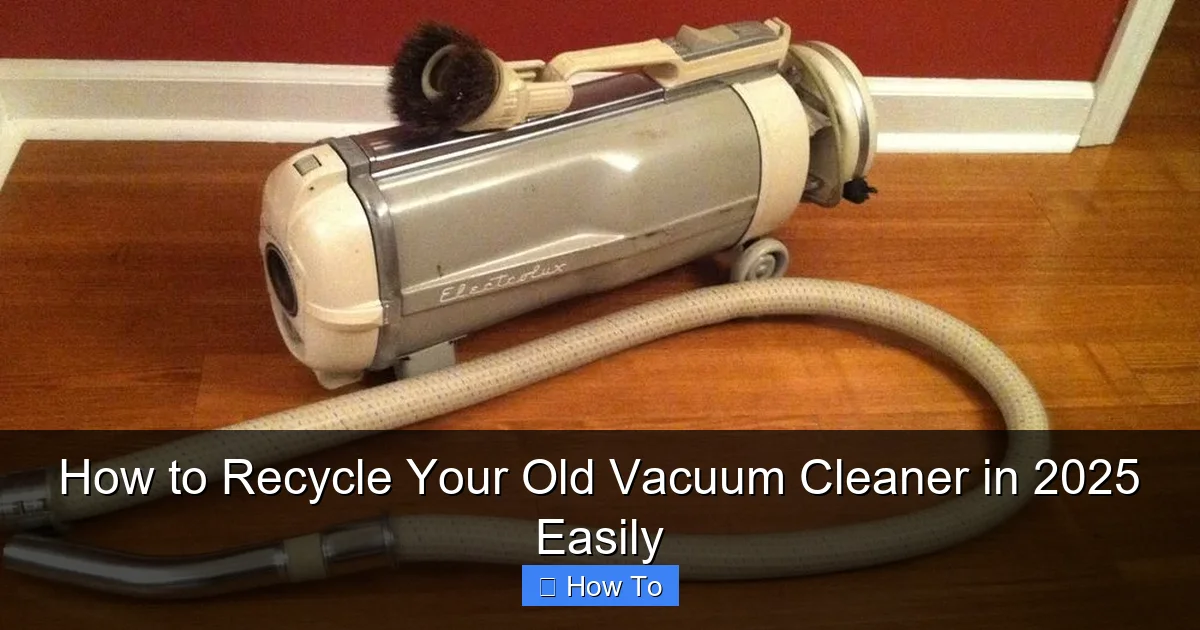
Welcome! Is that old vacuum cleaner taking up space in your closet or garage? Maybe it has lost its suction power, or perhaps it’s simply seen better days. You might be wondering, “How do I get rid of this thing?” Throwing it in the regular trash isn’t the best option. Vacuum cleaners contain a mix of plastics, metals, and electronics, many of which can be recycled. Proper disposal helps our environment. It also prevents valuable materials from going into landfills.
This guide will walk you through everything you need to know. We will show you how to recycle your old vacuum cleaner easily and responsibly in 2025. We will cover preparation, finding recycling options, and what to expect. By the end, you’ll feel confident. You will know exactly how to give your old vacuum cleaner a new life. Let’s make sure your old vacuum cleaner doesn’t just disappear. Let’s make sure it gets recycled properly. This protects our planet for the future.
Key Takeaways
- Assess Before You Toss: Before you even think about recycling, determine if your old vacuum cleaner can be repaired, donated, or even sold. Many vacuums still have life left or valuable components.
- Prepare for Proper Recycling: Always empty the dustbin, remove bags, clean filters, and detach components like hoses and power cords. For battery-powered models, safely remove the battery first.
- Explore 2025 Recycling Avenues: In 2025, your best options typically include local electronic waste (e-waste) centers, manufacturer take-back programs, and certain retail stores offering recycling services.
- Local E-Waste Centers are Key: Your city or county’s dedicated e-waste facility is often the most reliable and direct way to recycle your old vacuum cleaner responsibly. Always check their specific acceptance policies.
- Mind the Environmental Impact: Proper recycling of your old vacuum cleaner prevents harmful plastics and metals from ending up in landfills, instead allowing valuable materials to be recovered and reused.
- Always Verify Requirements: Recycling facilities often have specific rules about what they accept and how items should be prepared. A quick call or website visit can save you a wasted trip.
Quick Answers to Common Questions
Tip: Always Check for Batteries First!
Before doing anything else, inspect your vacuum cleaner for a removable battery, especially if it’s a cordless model. These batteries require separate and specific recycling due to safety risks.
Question: Should I clean my vacuum before recycling?
Yes, absolutely! Emptying the dustbin or removing the bag and wiping down surfaces makes the recycling process much safer and more efficient for the facility workers.
Tip: Call Ahead to Your Recycling Center!
Always verify operating hours, accepted items (specifically vacuum cleaners), and any potential fees with your chosen e-waste center or retailer before you make the trip. Policies can change in 2025.
Question: What if my vacuum is still somewhat working?
Consider repairing it, donating it to a charity, or selling it online first. Giving it a second life is even more sustainable than recycling, as it delays the need for new manufacturing.
Tip: Explore Manufacturer Programs!
Check your vacuum cleaner’s brand website for their take-back or recycling programs. Many manufacturers are taking greater responsibility for their products’ end-of-life in 2025.
Step 1: Assess Your Vacuum Cleaner’s Future
Before you even think about recycling, take a moment. Look at your old vacuum cleaner. Is it truly at the end of its life? Sometimes, a vacuum just needs a small fix. Or it might be useful to someone else. This first step helps you make the best choice. It can save you time and help others.
Can It Be Repaired?
Many vacuum cleaner problems are minor. Think about loss of suction. This can often be fixed. You might have a clogged hose or a full bag. A worn-out belt is another common issue. Repairing your vacuum cleaner is the most eco-friendly option. It extends the life of the appliance.
* Check simple fixes: Empty the dustbin. Replace the bag. Clean or replace the filter. Check the brush roll for tangled hair or debris. Look for clogs in the hose.
* DIY repair: Many brands offer online manuals. These show common troubleshooting steps. You might find repair videos on YouTube. These can guide you through simple fixes. You could save money and a trip to a recycling center.
* Professional repair: If you’re not comfortable with DIY, find a local vacuum repair shop. They can often diagnose and fix issues quickly. Sometimes, the cost of repair is much less than buying a new vacuum.
Can It Be Donated or Resold?
If your old vacuum cleaner still works well, but you just want a new one, consider giving it away. Donating or selling it extends its useful life. This is even better than recycling. It prevents the need to manufacture a new product.
* Donation: Many charity organizations accept working appliances. Look for local thrift stores or shelters. Call them first to confirm they accept vacuum cleaners. They often have rules about item condition. They might not take heavily damaged items.
* Resale: Online marketplaces are great for selling items. Try platforms like Facebook Marketplace, Craigslist, or eBay. Be honest about the vacuum cleaner’s condition. Include clear photos. A slightly older but working vacuum can be a good deal for someone.
* Give it away: Ask friends, family, or neighbors if they need a vacuum. You can also post it for free on community groups. “Freecycle” networks are popular for giving away items.
Only when your vacuum cleaner truly cannot be repaired, donated, or sold, should you move on to recycling. This ensures you’ve explored all sustainable options.
Step 2: Prepare Your Vacuum Cleaner for Recycling
Visual guide about How to Recycle Your Old Vacuum Cleaner in 2025 Easily
Image source: i.pinimg.com
Recycling an old vacuum cleaner isn’t just about dropping it off. You need to prepare it first. Proper preparation makes the recycling process safer and more efficient. It helps the recycling facility recover more materials. It also protects their workers.
Empty the Dustbin or Remove the Bag
This is the first and most important step. Your vacuum cleaner likely contains dust, dirt, pet hair, and other debris. These items are not recyclable.
* Bagless models: Empty the dustbin into your regular trash. Rinse the bin with water if needed. Make sure it’s dry before you put it aside.
* Bagged models: Carefully remove the disposable bag. Seal it tightly. Put it in your regular household trash. Do not try to empty the bag. It’s designed for one-time use.
Clean Internal Components
Even after emptying, some dirt might remain. A quick clean can help.
* Wipe down surfaces: Use a damp cloth to wipe dust from the exterior. Clean any visible vents or grilles.
* Brush roll check: Remove any hair, strings, or fibers from the brush roll. These can tangle in machinery at the recycling plant. Use scissors or a seam ripper to cut them free.
Remove Detachable Parts
Vacuum cleaners have many parts. Some are easy to remove. Others are built-in. Remove what you can. This includes hoses, wands, and small attachments.
* Hoses and attachments: Detach all accessory tools, nozzles, and extension wands.
* Filters: Remove any washable or replaceable filters. Some filters can be recycled separately (check local guidelines). Others go in the trash.
* Power cords: If possible, detach the power cord. Some vacuum cleaners have cords that unplug from the main unit. If not, don’t try to cut it. Leave it attached. Recycling facilities can handle it.
Disconnect the Power Cord (If Separate)
For vacuums where the power cord plugs into the unit, unplug it. Keep it with the vacuum or bundle it separately. It’s an important part of the e-waste.
Remove Batteries (If Applicable)
Many modern vacuum cleaners are cordless. These use rechargeable lithium-ion batteries. Batteries are a major concern for recycling centers. They can be dangerous if not handled properly. They can catch fire.
* Identify battery location: Check your vacuum cleaner’s manual. It will show you where the battery is. It will also show how to remove it.
* Safe removal: Follow the manufacturer’s instructions carefully. Use the right tools.
* Separate recycling: Once removed, batteries need special recycling. Do not throw them in the trash. Take them to a battery recycling drop-off point. Many electronics stores or hardware stores offer this. Look for specific battery recycling programs in your area. This is a critical step for fire safety.
By completing these preparation steps, your old vacuum cleaner is ready. It’s ready to be sorted and processed by recycling professionals.
Step 3: Discover Your 2025 Recycling Avenues
In 2025, there are several reliable ways to recycle your old vacuum cleaner. Options vary by location. It’s smart to check what’s available in your community. Here are the main avenues to explore.
Manufacturer Take-Back Programs
Some vacuum cleaner brands offer their own recycling programs. They do this to be more sustainable. This is often the best option. These programs ensure parts are recycled correctly.
* How to find them: Check the manufacturer’s official website. Look for sections like “Sustainability,” “Recycling,” or “Product End-of-Life.”
* Popular brands: Brands like Dyson, Shark, Bissell, and Miele sometimes have specific take-back initiatives. Their websites will have instructions. You might need to ship the unit, or they might direct you to a specific drop-off point.
Local Electronic Waste (E-waste) Recycling Centers
Electronic waste facilities are designed for appliances like vacuum cleaners. They are equipped to handle the mix of plastics, metals, and circuit boards. This is often the most common way to recycle your old vacuum cleaner.
* How to find them: Search online for “e-waste recycling near me” or “electronics recycling [your city/county].”
* City and county websites: Your local government’s waste management department usually has a list of approved e-waste centers. They often provide details on accepted items and operating hours.
* What to expect: These centers typically have specific drop-off zones. Staff may help you unload your old vacuum cleaner. They might also ask you to separate certain parts. Some centers might charge a small fee. This fee covers processing costs.
Retailer Recycling Programs
Many large electronics retailers now offer recycling services. They do this to make recycling easier for customers.
* Which retailers: Stores like Best Buy, Staples, and sometimes even home improvement stores (e.g., Lowe’s, Home Depot) may accept small appliances. However, policies can change. Always confirm they accept vacuum cleaners specifically.
* Check their website: Visit the retailer’s website or call your local store. Ask about their electronics recycling program. They will tell you what they accept. They will also tell you if there is a fee.
Community Recycling Events
Some cities or towns host special collection events. These events are for hard-to-recycle items. This includes electronics.
* Timing: These events are usually seasonal. They might happen once or twice a year.
* How to find them: Check your city’s waste management calendar. Look at local news or community boards. These events are a convenient way to get rid of items like an old vacuum cleaner. They often have volunteers to help.
Scrap Metal Dealers (for Specific Components)
If your vacuum cleaner has many metal parts, you might consider a scrap metal dealer. This is more for heavy-duty commercial vacuums. Or if you have disassembled your old vacuum cleaner completely.
* Consideration: This option is usually only practical if you have other scrap metal to recycle. Most personal vacuum cleaners have more plastic than metal.
* Check ahead: Contact a scrap metal yard. Ask if they accept mixed metals or specific vacuum components.
Remember, the goal is to make sure your old vacuum cleaner is recycled correctly. Choose the option that is most convenient and reliable for you.
Step 4: Execute the Recycling Process
You’ve assessed your vacuum, prepared it, and found a recycling option. Now it’s time for the final step: getting it to the recycling facility. This part is usually straightforward. A little planning makes it even smoother.
Transporting Your Vacuum Cleaner
Getting your old vacuum cleaner to the drop-off point is usually simple.
* Safe loading: Place the vacuum cleaner in your vehicle. Make sure it’s secure. You don’t want it sliding around. If you separated components, put them in a box or bag. This keeps everything together.
* Protection: Use old towels or blankets if you worry about dirt. You can also use them to protect your car’s interior.
* Ask for help: If your vacuum cleaner is large or heavy, ask a friend to help you lift it. This prevents injury.
What to Expect at a Recycling Center
When you arrive, the process is typically quick and easy.
* Check-in: You might need to check in at an office or with a staff member. They will direct you to the right drop-off area.
* Drop-off zone: There will be a designated spot for electronics or small appliances. It might be a large bin or a specific area.
* Separation (if requested): Some centers might ask you to separate certain parts. For example, they might ask you to put the power cord in a different bin. If you removed the battery, you will place it in a battery collection point. This is why preparation is so important.
* Fees: Be ready for a potential small fee. Some e-waste centers charge per item or by weight. This helps cover their processing costs. They will inform you of this before you drop off.
Documentation (If Any)
Most individual household recycling drops do not require documentation. However, if you are recycling through a special program, you might get a receipt. This receipt shows you responsibly recycled the item. Keep it for your records. It’s a small but meaningful step. It confirms your contribution to proper waste management.
Step 5: Celebrate Your Eco-Friendly Choice!
You’ve done it! You successfully recycled your old vacuum cleaner. This act has a positive impact. It’s more than just getting rid of clutter. You have helped the environment in several ways.
* Resource recovery: Metals like steel and copper can be reused. Plastics can be melted down and remade into new products. This reduces the need for new raw materials. It saves energy.
* Pollution prevention: Electronic components contain small amounts of hazardous materials. These materials can leach into soil and water if left in landfills. Proper recycling prevents this pollution.
* Landfill reduction: Every item recycled means one less item in a landfill. This conserves landfill space. It also reduces environmental impact.
By following this guide, you’ve made a responsible choice for our planet in 2025. It feels good to know you’ve done your part. Recycling your old vacuum cleaner is a simple act. But it contributes to a much larger effort for sustainability. Thank you for making an eco-friendly decision!
—
Troubleshooting Common Recycling Issues
Sometimes, things don’t go as planned. Here are a few common issues and solutions for recycling your old vacuum cleaner.
My local center doesn’t accept vacuum cleaners. What now?
This can happen. Policies differ.
* Expand your search: Check surrounding towns or counties. Their e-waste facilities might have different rules.
* Manufacturer programs: Revisit Step 3. Check if your vacuum’s brand has a mail-back program.
* Retailer options: Call larger electronics retailers in your area. Ask about their recycling services for small appliances.
* Community events: Keep an eye out for upcoming community recycling drives. These often accept a wider range of items.
I can’t remove the battery from my cordless vacuum. What should I do?
Do not force it. Trying to remove a stuck battery can be dangerous.
* Check the manual again: Ensure you are following the correct procedure.
* Contact manufacturer: Reach out to the vacuum cleaner’s manufacturer. They can offer specific guidance or direct you to a service center.
* Specialized e-waste: Find an e-waste facility that specifically handles items with integrated batteries. Explain the situation when you call them. They might have special instructions.
The vacuum cleaner is too dirty to transport.
While a thorough clean is ideal, some older vacuums might be too messy.
* Contain it: Place the vacuum cleaner inside a large, heavy-duty trash bag. Tie it securely. This will contain most of the dirt during transport.
* Use a tarp: If putting it in a car, lay down a tarp or old sheets first. This protects your vehicle.
* Still empty the dustbin/bag: Even if you can’t clean it perfectly, always empty the primary dirt container. This is crucial for hygiene and safety at the recycling center.
I have several old small appliances, not just a vacuum.
Great! You can likely recycle them all at once.
* Consolidate: Gather all your old electronics. This includes toasters, blenders, old phones, etc.
* Check center policies: Verify that your chosen e-waste center accepts all these items. Many do, but it’s good to confirm.
* Separate by type: Some centers might have separate bins for different types of e-waste (e.g., small appliances, computers, batteries). Be ready to sort them if asked.
Recycling can sometimes be tricky. But with a bit of effort, you can always find a solution. Your commitment to proper disposal makes a real difference.
🎥 Related Video: How To Make Vacuum Cleaner At Home 💡 #shorts
📺 AKM Hacks
How To Make Vacuum Cleaner At Home #shorts.