Easy Ways to Clean a Mattress Without a Vacuum Cleaner 2025
Discover simple yet highly effective ways to clean a mattress without a vacuum cleaner, ensuring a fresh and hygienic sleep environment. This comprehensive 2025 guide walks you through every step, from tackling stubborn stains and eliminating odors to sanitizing your bed, all using readily available household products. Learn practical techniques to maintain your mattress’s longevity and cleanliness, even without specialized equipment.
Easy Ways to Clean a Mattress Without a Vacuum Cleaner 2025
Ever found yourself staring at a suspicious stain on your mattress, or perhaps noticed a lingering odor, only to realize your vacuum cleaner is nowhere in sight or simply not up to the task? Maybe you’re living in a smaller space, have a vacuum that’s on the fritz, or prefer to use more natural, low-tech methods for cleaning. Whatever your reason, you’ve landed in the perfect spot!
In 2025, maintaining a clean and healthy sleep environment is more important than ever, and you don’t always need fancy gadgets to achieve it. This comprehensive guide will show you exactly how to clean a mattress without a vacuum cleaner, transforming your bed from dingy to delightful using simple household items you likely already have. We’ll cover everything from initial preparation to deep stain removal, odor elimination, sanitization, and crucial drying techniques. Get ready to refresh your sleeping sanctuary and enjoy a cleaner, healthier night’s sleep!
Key Takeaways
- Preparation is Paramount: Always strip your bed, ventilate the room, and gather all necessary supplies before you begin the cleaning process to ensure efficiency and safety.
- Blot, Don’t Rub: When dealing with stains, gently blotting with a clean cloth is crucial to prevent the stain from spreading deeper into the mattress fibers.
- Baking Soda is Your Best Friend: For effective odor elimination and moisture absorption, a generous sprinkle of baking soda left for several hours (or overnight) is an incredibly powerful, natural solution.
- Targeted Stain Treatment: Different stains require specific approaches; understand whether to use mild soap for general spots, hydrogen peroxide for blood, or vinegar for urine to achieve the best results.
- Thorough Drying Prevents Mold: After any wet cleaning, ensure your mattress is completely dry using air circulation, fans, or sunlight to prevent mold and mildew growth, which can damage your mattress and pose health risks.
- Embrace Natural Cleaners: Many common household items like white vinegar, baking soda, hydrogen peroxide, and mild dish soap are highly effective and safer alternatives to harsh chemical cleaners for mattress care.
- Protect for Longevity: Investing in a good quality mattress protector and practicing regular spot cleaning can significantly extend the life and cleanliness of your mattress, reducing the need for intensive cleaning.
Quick Answers to Common Questions
How often should I clean my mattress without a vacuum cleaner?
For a general refresh and odor removal, aim for once every 3-6 months. Spot clean any spills or accidents immediately as they occur to prevent them from setting in.
Can I use essential oils to clean my mattress?
Yes, essential oils like tea tree, lavender, or eucalyptus mixed with water (and a little alcohol to help dispersion) can be used in a light mist to sanitize and add a pleasant scent. Always dilute them and test on an inconspicuous area first to avoid stains.
What if I don’t have hydrogen peroxide for blood stains?
For fresh blood, immediate blotting with cold water is key. For older stains, a paste of baking soda and cold water, or even a meat tenderizer paste (the enzymes can break down blood proteins), can sometimes work. Always blot gently.
Is it safe to put my mattress directly in the sun?
Yes, putting your mattress in direct sunlight on a dry day is an excellent natural way to sanitize and dry it. UV rays kill bacteria and dust mites. Just ensure there’s no chance of rain or high humidity, and avoid leaving it out for excessively long periods if it’s an expensive memory foam mattress, as extreme heat can sometimes affect materials over many hours.
Can I use fabric fresheners on my mattress?
While fabric fresheners can mask odors temporarily, they don’t clean the mattress or address the root cause of smells. It’s better to use baking soda to absorb odors, then follow up with a light, diluted essential oil spray for a natural, lasting fresh scent.
1. Preparation is Key: Setting the Stage for Success
Before you dive into scrubbing and spraying, a little preparation goes a long way. This initial phase is crucial for ensuring the cleaning process is effective and safe for both you and your mattress.
Gather Your Supplies
You’d be surprised how much you can accomplish with common household items. Here’s what you’ll need to clean a mattress without a vacuum cleaner:
- Stiff-bristled brush or lint roller: For sweeping away loose debris.
- Rubber gloves or clean, dry cloth: To help sweep away baking soda later.
- Baking soda: A miracle worker for odors and moisture.
- White vinegar: Excellent for sanitizing and breaking down many stains.
- Hydrogen peroxide (3% solution): Ideal for biological stains like blood.
- Mild dish soap or laundry detergent: For general spot cleaning.
- Several clean, white cloths or microfiber towels: For blotting and applying solutions.
- Spray bottles: For mixing and applying liquid solutions.
- Empty bowl or bucket: For mixing cleaning solutions.
- Access to sunlight and fresh air (optional but highly recommended): For natural sanitization and drying.
- Fan (optional): To aid in drying.
Strip the Bed Completely
Remove all bedding—sheets, pillowcases, mattress protector, blankets, and pillows. It’s a great opportunity to wash all your bedding too, ensuring you put clean linens back on a clean mattress.
Ventilate the Room
Open windows and doors to allow fresh air to circulate. This helps dissipate any odors, speeds up drying, and improves air quality, especially when using cleaning solutions. If you have access to a sunny spot, even better! Sunlight is a natural disinfectant.
2. Initial Surface Cleaning: Removing Loose Debris
Even without a vacuum, you can effectively remove dust, crumbs, pet hair, and other superficial debris from your mattress surface. This step prevents you from pushing dirt deeper into the mattress during subsequent wet cleaning.
Visual guide about Easy Ways to Clean a Mattress Without a Vacuum Cleaner 2025
Image source: thehomenix.com
The Power of a Stiff Brush or Lint Roller
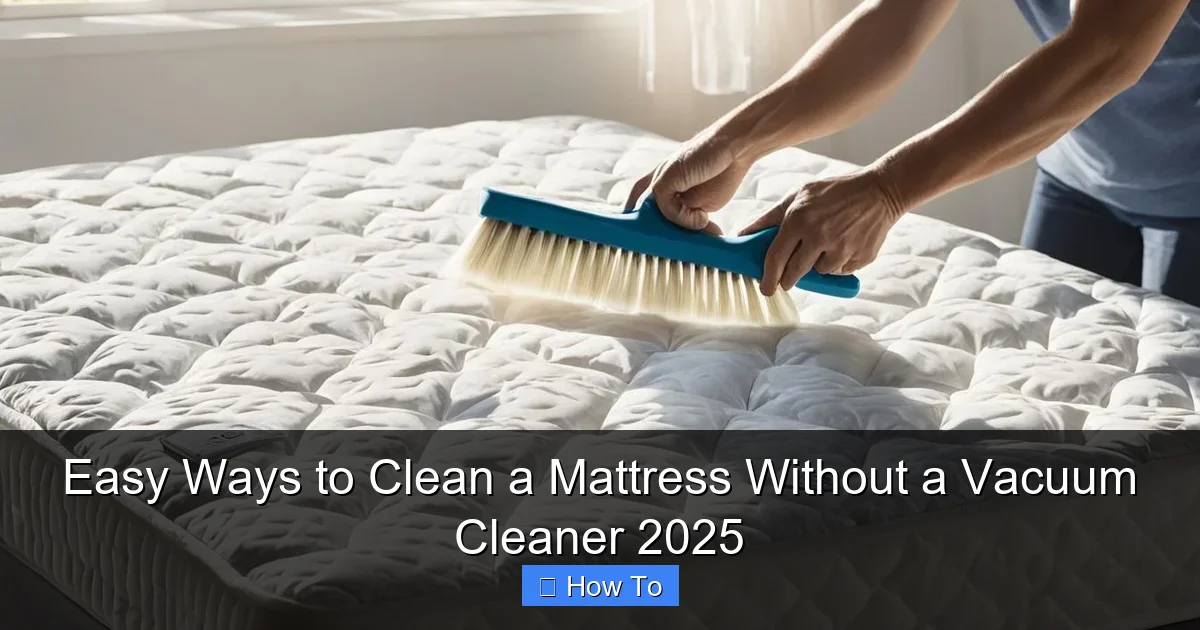
Start by taking a stiff-bristled brush (like a clothes brush or a scrub brush you’d use for floors, but make sure it’s clean and dry) and firmly brush the entire surface of your mattress. Use short, sweeping motions to dislodge dust, pet hair, and surface grime. Work in sections, brushing towards one edge of the mattress to gather the debris. For finer particles or pet hair, a lint roller works wonders. Roll it firmly across the mattress, peeling off used sheets as they fill up.
Patting Down with a Damp Cloth (and why *not* to soak)
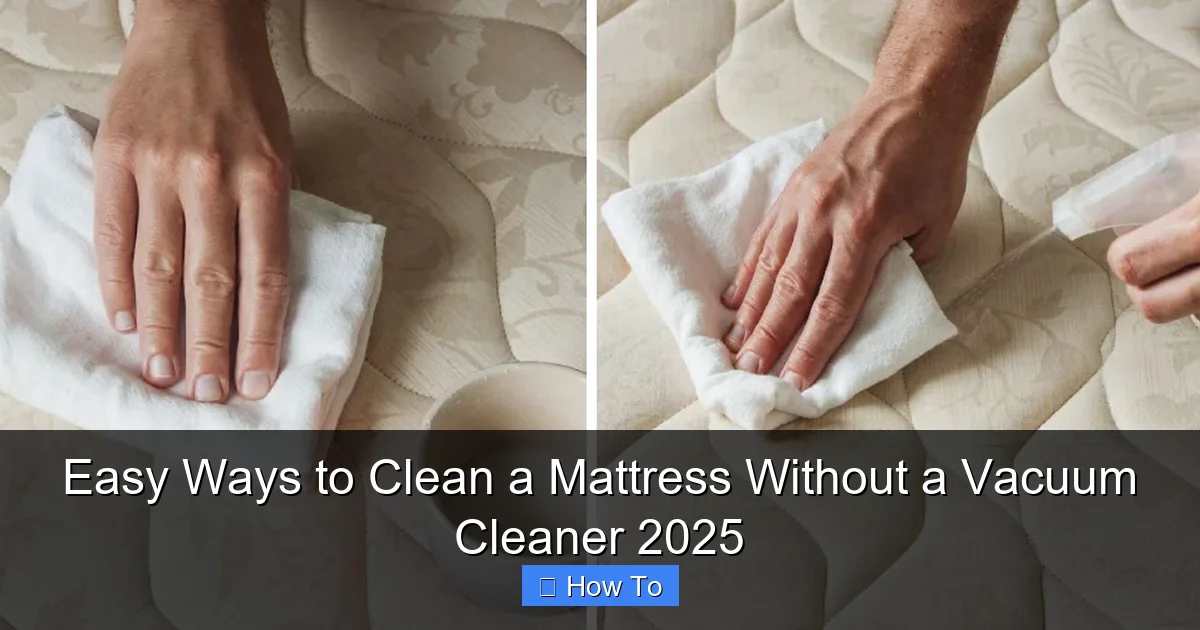
Once you’ve brushed or rolled away the loose debris, take a clean, slightly damp (not wet!) cloth and gently pat down the entire mattress surface. This helps pick up any remaining fine dust particles. Remember, the goal here is to collect dust, not to introduce significant moisture into the mattress. A mattress that gets too wet can take a very long time to dry and can become a breeding ground for mold and mildew. Wring out your cloth thoroughly before each patting session.
3. Spot Cleaning Specific Stains: Targeted Treatment
This is where your inner detective comes out! Identifying the type of stain will help you choose the most effective cleaning agent. Always remember to *blot, not rub* stains to prevent them from spreading or embedding deeper into the fabric. Also, *always test any cleaning solution on an inconspicuous area* of your mattress first (like the side or underneath) to ensure it doesn’t cause discoloration.
General Stains (Mild Detergent/Dish Soap Method)
For everyday spills like coffee, juice, or light dirt:
- Mix Solution: In a bowl, mix a small amount (about a teaspoon) of mild liquid dish soap or laundry detergent with a cup of warm water until suds form.
- Apply and Blot: Dip a clean white cloth into the suds (not the liquid itself) and gently dab the stained area.
- Rinse (Blot) and Dry: With a separate clean, damp cloth (moistened with plain water), blot the area to remove soap residue. Repeat until the stain is gone and no soap remains. Air dry the spot thoroughly with a fan if needed.
Urine Stains (Vinegar & Baking Soda Power Duo)
Urine stains can leave behind both a visual mark and a strong odor. This method tackles both effectively:
- Blot Fresh Stains: For fresh urine, immediately blot up as much liquid as possible with clean towels. Press down firmly to absorb deeply.
- Spray with Vinegar Solution: Mix equal parts white vinegar and water in a spray bottle. Lightly mist the stained area. Vinegar helps neutralize the ammonia in urine and acts as a disinfectant. Let it sit for 5-10 minutes.
- Blot Dry: Blot the vinegar solution with a clean, dry cloth.
- Apply Baking Soda: Generously sprinkle baking soda over the entire treated area. Let it sit for several hours, or even overnight. The baking soda will absorb remaining moisture and odors.
- Remove Baking Soda: Using a stiff brush, rubber gloves, or a dry cloth, sweep or brush away the baking soda. You might need to repeat the baking soda step for very strong odors.
Blood Stains (Hydrogen Peroxide/Cold Water)
Blood stains can be tricky, but hydrogen peroxide is your secret weapon. *Always use cold water for blood stains, never hot, as heat can set the stain.*
- Act Quickly: For fresh blood, blot immediately with a clean, cold-dampened cloth until no more blood transfers.
- Hydrogen Peroxide Treatment: For stubborn or dried blood, apply a small amount of 3% hydrogen peroxide directly to the stain. You’ll see it fizz as it reacts with the blood. Let it sit for a few minutes.
- Blot and Repeat: Blot the area thoroughly with a clean, cold-damp cloth. Repeat the peroxide application and blotting until the stain lifts. Be gentle, as peroxide can sometimes lighten fabric if left too long or used excessively.
- Rinse: Lightly blot with a plain cold-damp cloth to remove peroxide residue.
Sweat Stains (Lemon Juice & Salt)
Yellowish sweat stains can be common, especially on older mattresses:
- Make a Paste: Mix lemon juice with a small amount of salt to create a thick paste.
- Apply to Stain: Spread the paste over the sweat stain and let it sit for about an hour.
- Brush and Blot: After an hour, gently brush away the dried paste. Then, blot the area with a clean, damp cloth to remove any residue.
Food/Drink Stains (Dish Soap or Hydrogen Peroxide)
Depending on the food or drink, you can often use a combination of methods:
- Initial Blotting: Immediately blot up any excess food or liquid with a clean cloth.
- Dish Soap Solution: For general food spills, follow the “General Stains” method using mild dish soap and water.
- Hydrogen Peroxide for Colors: For colored drinks like red wine or berry juice, hydrogen peroxide can be very effective. Apply a small amount, let it fizz, then blot with a clean, damp cloth.
4. Odor Elimination and Deep Freshening: The Baking Soda Method
Even without visible stains, mattresses can absorb odors over time from sweat, body oils, and ambient smells. Baking soda is an incredible natural deodorizer.
Sprinkle Generously
Once you’ve addressed any specific stains, or if you’re just doing a general refresh, sprinkle a very generous layer of plain baking soda over the entire surface of your mattress. Don’t be shy; you want a noticeable layer, especially in areas that tend to get more body contact or have lingering odors. You can also lightly rub it into the fabric with a clean brush for better contact.
Let It Sit
This is a crucial step that requires patience. For optimal odor absorption, let the baking soda sit on the mattress for at least 2-4 hours. For very strong odors or a deeper refresh, leave it on for 8-24 hours (e.g., overnight). The longer it sits, the more moisture and odors it can absorb.
Removing the Baking Soda
Since we’re cleaning a mattress *without a vacuum cleaner*, you’ll need an alternative method to remove the baking soda.
- Stiff Brush/Rubber Gloves: Use a stiff-bristled brush or even your hand (wearing rubber gloves can make this easier and generate static to pick up powder) to sweep the baking soda into piles. You can then scoop these piles into a dustpan.
- Damp Cloth Sweep: For any remaining fine powder, take a clean, barely damp cloth and gently wipe the surface of the mattress, gathering the last bits of baking soda. Make sure the cloth is only *minimally* damp to avoid introducing too much moisture.
5. Sanitizing and Disinfecting: Tackling Germs (Optional but Recommended)
Beyond cleaning, sanitizing can help kill bacteria, viruses, and dust mites, contributing to a healthier sleep environment. These methods are particularly useful if you’ve been sick or simply want an extra layer of cleanliness.
Alcohol/Vodka Spray
Alcohol is a natural disinfectant. Fill a spray bottle with rubbing alcohol (isopropyl alcohol) or inexpensive vodka. Lightly mist the entire surface of your mattress. The alcohol will kill germs and evaporate quickly, minimizing moisture. Do not saturate the mattress, just a fine mist will suffice. This is particularly effective against dust mites.
Essential Oil Sprays
For a pleasant scent and added antimicrobial properties, you can create an essential oil spray. Mix 1 cup of distilled water with 10-15 drops of essential oils known for their purifying properties, such as tea tree oil (antimicrobial), lavender (calming and antibacterial), eucalyptus, or peppermint. Lightly mist the mattress. Always ensure essential oils are diluted properly and test on an inconspicuous area first, as some oils can potentially stain light fabrics.
Sunlight Power
If possible, carry your mattress outside on a sunny, dry day. UV rays from the sun are powerful natural disinfectants, killing bacteria, viruses, and dust mites. Leave your mattress out for several hours, flipping it halfway through to expose both sides. Ensure there’s no chance of rain or excessive humidity when doing this.
6. Drying the Mattress Thoroughly: Crucial for Preventing Mold
This is arguably the most critical step when you clean a mattress without a vacuum cleaner. Any moisture left in the mattress can lead to mildew and mold growth, which is detrimental to your health and the mattress itself. Patience is key here!
Air Drying is Best
After any wet cleaning or spraying, allow your mattress to air dry completely. This might take several hours, or even a full day, depending on how much moisture was applied and the humidity levels in your room. Keep windows open and the room well-ventilated.
Fan Assistance
To speed up the drying process, place a fan (or two!) near the mattress, directing airflow across its surface. This significantly reduces drying time and helps prevent moisture from lingering.
Sun Exposure
As mentioned in the sanitization step, direct sunlight is not only a disinfectant but also an excellent drying agent. If you can move your mattress outdoors, a few hours in the sun will do wonders for ensuring it’s completely dry.
Do not put sheets or a mattress protector back on until you are absolutely certain the mattress is bone dry to the touch, both on the surface and beneath.
7. Protection for the Future: Keeping It Clean Longer
Once your mattress is sparkling clean and dry, take steps to keep it that way. Prevention is always easier than cure.
Mattress Protector
Invest in a high-quality, washable mattress protector. There are various types, from basic breathable covers to waterproof and allergen-proof options. A good protector will shield your mattress from spills, sweat, dust mites, and general wear and tear, making future cleaning much simpler.
Regular Maintenance
- Spot Clean Spills Immediately: The moment a spill happens, blot it up immediately. The quicker you act, the easier the stain will be to remove.
- Aerate Regularly: Whenever you change your sheets, consider letting your mattress air out for an hour or so before putting fresh linens on.
- Rotate Your Mattress: Rotate your mattress every 3-6 months to ensure even wear and tear, and to allow different areas to air out.
Troubleshooting Common Mattress Cleaning Issues Without a Vacuum
Even with the best intentions, you might run into a snag or two when you try to clean a mattress without a vacuum cleaner. Here are some common issues and how to tackle them:
What if a Stain Doesn’t Come Out Completely?
Some stains, especially old or heavily embedded ones, can be very stubborn. Don’t despair!
- Repeat Treatment: You might need to repeat the appropriate spot-cleaning method several times. Be patient and allow the area to dry between applications.
- Enzyme Cleaners (Carefully): For organic stains like urine or vomit, an enzyme-based cleaner (often found for pet accidents) can sometimes break down the proteins causing the stain and odor. However, use these sparingly and always test in an inconspicuous area, as they can be strong. Follow product instructions carefully and ensure thorough drying.
- Professional Help: If a stain is truly intractable and bothering you, a professional mattress cleaning service might be your last resort. They have specialized equipment and chemicals to tackle tough jobs.
What if There’s Still a Lingering Odor?
If you’ve cleaned your mattress and an odor persists, it usually means the source of the odor wasn’t fully neutralized or absorbed.
- More Baking Soda: Reapply a very thick layer of baking soda and let it sit for an extended period – 24-48 hours. Ensure the room is well-ventilated.
- Sunlight and Ventilation: Take the mattress outside on a sunny day if possible. Direct sunlight and fresh air are incredibly effective at dissipating odors.
- Alcohol Spray: The alcohol spray method (rubbing alcohol or vodka) can also help neutralize odors and kill odor-causing bacteria.
- Charcoal Bags: For passive odor absorption over time, place activated charcoal bags directly on or under the mattress. These are excellent for drawing out lingering smells.
What if the Mattress Feels Damp After Cleaning?
This is a critical issue as dampness leads to mold and mildew.
- Extended Drying Time: First, simply allow more time. Ensure windows are open, and use fans to create continuous airflow.
- Dehumidifier: If you have one, placing a dehumidifier in the room can significantly speed up the drying process by drawing moisture out of the air and the mattress.
- Flip and Dry: If possible, flip the mattress and dry the underside as well, especially if moisture could have wicked through.
- Avoid Over-Saturating: For future cleanings, be more conservative with the amount of liquid cleaning solution you use. Aim for damp, not wet, and use spray bottles for fine misting rather than pouring.
Conclusion
Cleaning your mattress without a vacuum cleaner might seem like a daunting task at first, but as you’ve seen, it’s entirely achievable with a bit of elbow grease and common household items. By following these step-by-step instructions for preparation, spot cleaning, odor elimination, sanitization, and thorough drying, you can restore your mattress to a fresh, hygienic state.
Regular maintenance, combined with these effective vacuum-free cleaning methods, will not only extend the life of your mattress but also significantly contribute to a healthier, more refreshing night’s sleep. So go ahead, gather your supplies, and give your mattress the attention it deserves in 2025. Your body (and your nose!) will thank you for it!
🎥 Related Video: How To Deep Clean Your Mattress (Step By Step)
📺 Snap Clean
how to deep clean your mattress This video shows how to clean a mattress effectively. Using baking soda, hydrogen peroxide, …